
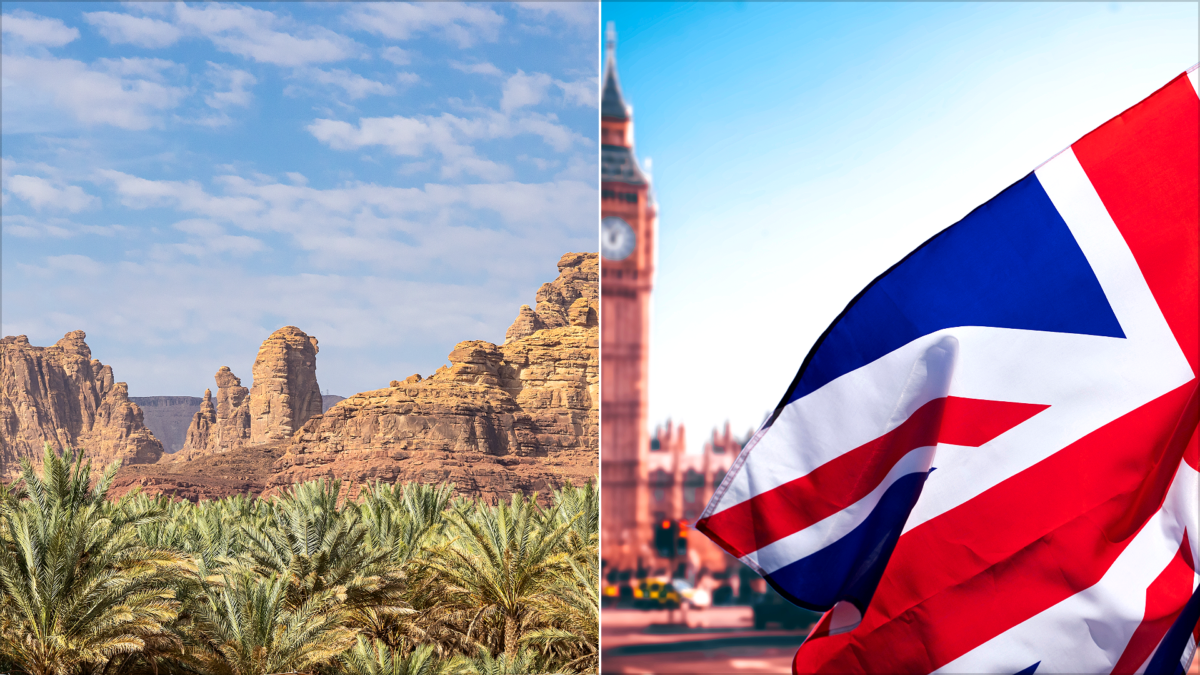
If you are planning a trip to Saudi Arabia from the UK, you need to understand visa requirements, cultural expectations, and practical safety tips before booking. Entry rules are strict, public behavior is regulated, and preparation will directly shape your experience. Once you have the essentials in place, the Kingdom offers a mix of religious landmarks, modern cities, and historic desert sites.
Quick Answer: What UK Travelers Need Before Visiting Saudi Arabia
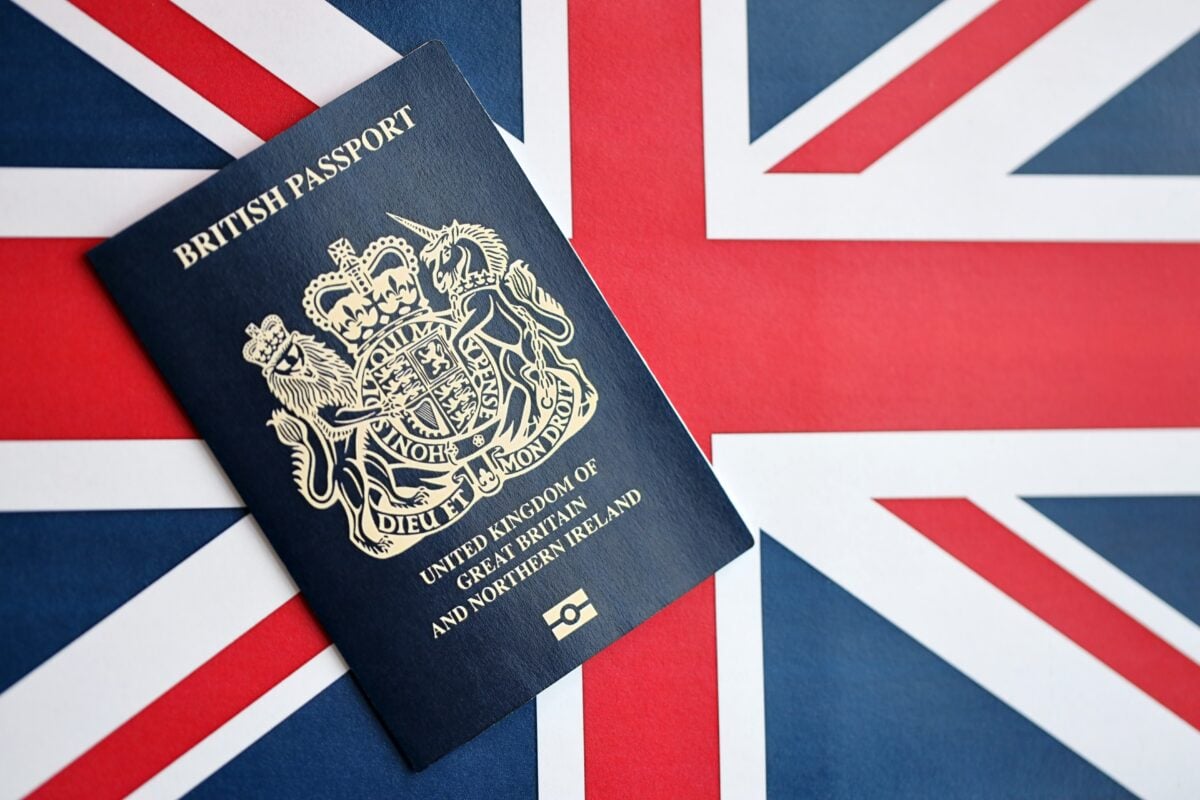
You need a valid UK passport, an approved visa, confirmed accommodation and flights, and proof of required vaccinations. Most visitors apply for a tourist visa, while pilgrims traveling for religious purposes use specialized Umrah packages UK providers to organize entry, accommodation, and transport. You should also prepare for conservative dress codes and follow local customs at all times.
Note: This post contains Sponsored Content
Visa Requirements for UK Visitors
Saudi Arabia has opened up tourism in recent years, but entry requirements remain strict. You must complete all documentation before departure to avoid delays at the airport.
- Valid UK passport with sufficient validity
- Tourist visa or Umrah visa depending on your travel purpose
- Recent passport photos with a white background
- Proof of accommodation and return flights
- Payment method such as a credit or debit card
- Health requirements including vaccinations if applicable
Rules can change quickly, so always verify details through the official Saudi tourism portal at Visit Saudi or your visa provider before booking.
Best Time to Visit Saudi Arabia
Your timing will affect both comfort and cost. Saudi Arabia has an extreme desert climate, so temperatures vary significantly across seasons.
Winter, from November to February, is the most comfortable period for travel. Daytime temperatures are mild, making it easier to explore cities and historical sites. This is also when major cultural events take place, including the Winter at Tantora festival in AlUla.
Spring offers blooming landscapes, particularly in Taif, where seasonal flower festivals attract domestic and international visitors. Conditions remain warm but manageable.
Summer is intense, with very high temperatures across most regions. This period suits budget travelers since hotels and tour providers often reduce prices to attract visitors.
Dress Code and Cultural Expectations
Saudi Arabia follows conservative Islamic traditions, and visitors are expected to respect local customs. Dress modestly at all times in public spaces.
Men should avoid wearing shorts or sleeveless tops in public. Women are not required to wear an abaya by law in all areas, but loose, modest clothing that covers shoulders and knees is expected. Carrying a scarf is useful in religious areas.
Public displays of affection are not accepted. During Ramadan, eating, drinking, or smoking in public during daylight hours is prohibited. Respect for prayer times is also important, as shops and services may temporarily close.
Practical Safety and Protection Tips
Saudi Arabia is generally safe for travelers, but awareness of local rules is essential. Following basic precautions will help you avoid issues.
- Respect dress codes and religious customs
- Ask permission before photographing people
- Avoid discussing sensitive political or cultural topics
- Follow local laws on alcohol and prohibited items
- Download offline maps and key travel apps before arrival
Travel insurance is strongly recommended, especially for medical coverage and trip interruptions. Healthcare can be expensive without coverage, and some facilities require upfront payment.
Must-Visit Cities and Destinations
Saudi Arabia combines religious significance with modern development and ancient history. Each major destination offers a different perspective on the Kingdom.
Madinah
Madinah is one of the holiest cities in Islam and a central destination for Muslim travelers. It is home to Al-Masjid an-Nabawi, the Prophet’s Mosque. The city has a calm atmosphere focused on reflection and worship.
Riyadh
Riyadh is the capital and economic center of Saudi Arabia. You will find a mix of historic sites, museums, and modern skyscrapers. Areas like Diriyah highlight the country’s heritage, while newer districts show its rapid development.
Makkah
Makkah is the spiritual center of Islam and home to the Kaaba within Masjid al-Haram. Only Muslims are permitted to enter the city. It receives millions of pilgrims each year for Hajj and Umrah.
AlUla
AlUla is known for its desert landscapes and archaeological sites, including Hegra, a UNESCO World Heritage Site. The area blends history with curated tourism experiences and seasonal festivals.
Planning Tips for a Smooth Trip
Start planning early, especially if you are traveling during religious seasons or major events. Accommodation fills quickly in cities like Makkah and Madinah.
Book transport and hotels in advance, but leave room in your itinerary for flexibility. Domestic flights are often the fastest way to travel between major cities due to long distances.
Currency in Saudi Arabia is the Saudi Riyal, and card payments are widely accepted in urban areas. Still, keep some cash for smaller vendors.
Conclusion: Prepare Well and Travel Confidently
Saudi Arabia rewards preparation. If you organize your visa, respect local customs, and plan your itinerary with realistic expectations, your trip will run smoothly. Focus on the essentials first, then build your experience around the places and moments that matter most to you.
Your next step is to confirm your visa route, secure accommodation, and review seasonal timing. Once those are in place, you can explore the Kingdom with confidence.
