The Italian countryside in August is hot, lively, and at peak capacity. Temperatures across the country range from a manageable 18-25°C (64-77°F) in the Dolomites to a sweltering 35°C (95°F) or more in southern inland areas. August is Italy’s busiest travel month, coinciding with Ferragosto (August 15th) and a wave of international visitors. Google Trends data consistently shows search interest for “Italy travel” peaking between June and August, with August sitting right at the top. That said, the right regions and a bit of planning make for an exceptional trip.
Quick-Answer Summary
| Region | August Temp Range | Best For |
|---|---|---|
| Dolomites (North) | 18-25°C (64-77°F) | Hiking, cooler air |
| Italian Lakes (North) | 22-28°C (72-82°F) | Water sports, scenery |
| Tuscany / Umbria (Central) | 25-32°C (77-90°F) | Drives, wine, culture |
| Rome / Florence (Central) | Up to 35°C (95°F) | History, art, museums |
| Amalfi Coast / Puglia (South) | 28-35°C (82-95°F) | Beaches, sea |
| Sicily / Sardinia (South) | Up to 35°C+ | Beaches, festivals |
What Is Ferragosto and How Does It Affect Travel?
Ferragosto on August 15th is Italy’s most significant summer holiday. It marks the end of the harvest season and is a national public holiday. Most Italians use it to head to the coast or the mountains, so coastal resorts fill up fast while major cities like Rome, Florence, and Venice actually become quieter as locals leave.
Small businesses, family-run shops, and some restaurants in smaller towns may close around Ferragosto. Honestly, this catches a lot of visitors off guard, especially in rural areas where your only food option might be the one trattoria that decided to stay open. In tourist-heavy areas, most services stay open. On the Amalfi Coast, the holiday is celebrated with beach parties and fireworks.
The silver lining for city visitors: shorter museum queues and more relaxed streets in Rome and Florence during this period.
Where to Go in the Italian Countryside in August
Northern Italy: Lakes and the Dolomites
Northern Italy is the coolest option in August, and the most comfortable for anyone who struggles with heat.
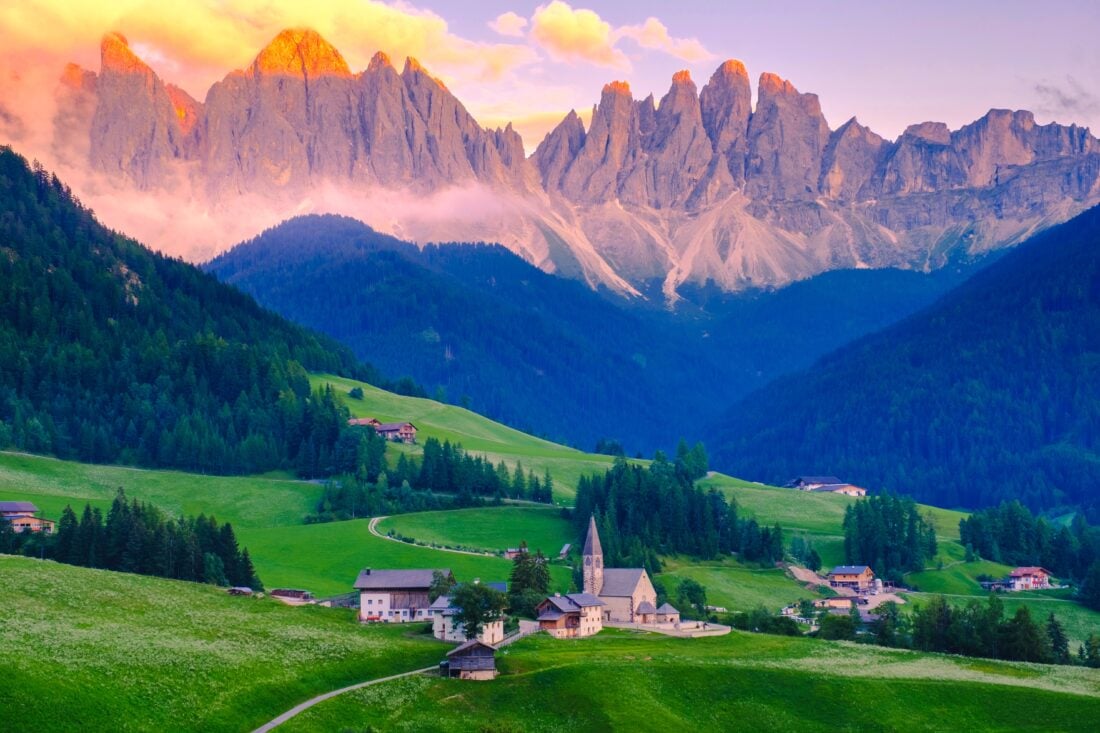
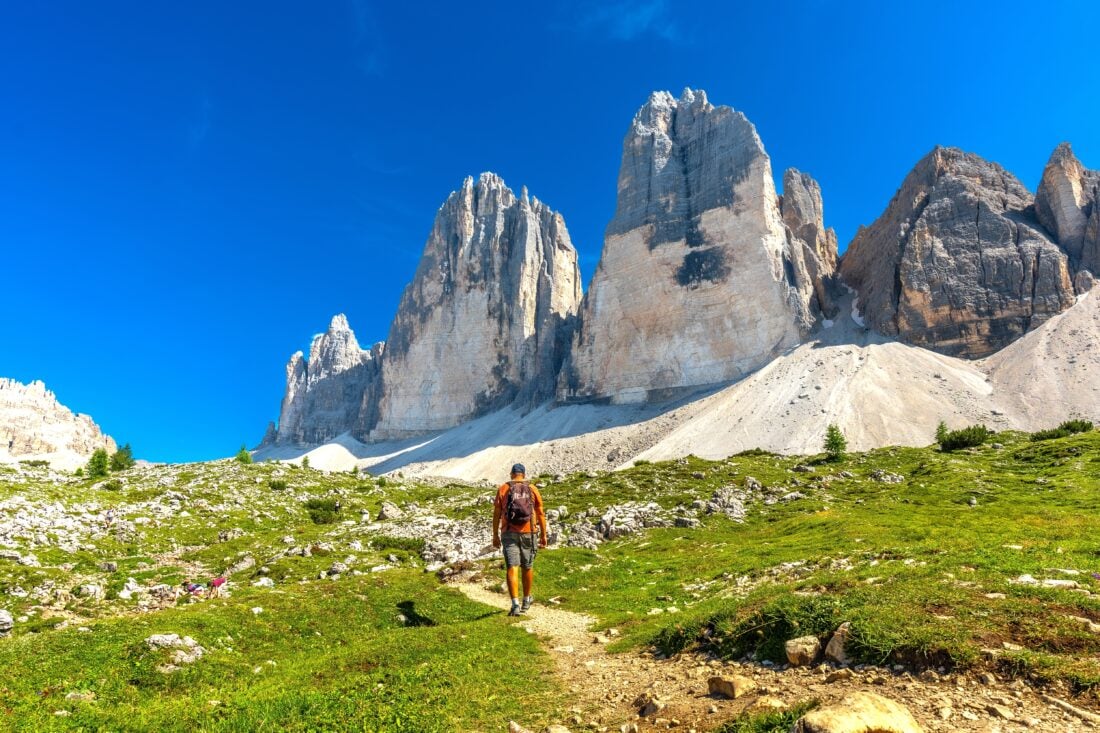
The Dolomites, a UNESCO World Heritage site, sit at 18-25°C (64-77°F) in August. Popular hiking trails include the Tre Cime di Lavaredo loop, the Alpe di Siusi plateau, and the Seceda Ridgeline. Trails range from easy walks to challenging mountain routes, and the area is equally good for biking. Italy operates on UTC+01:00, so you’ll get long summer evenings with daylight stretching past 9pm, which is perfect for squeezing in one more trail.
The Italian Lakes, Lake Como, Lake Garda, and Lake Maggiore, run warmer at 22-28°C (72-82°F) with cooler evenings. Each has a distinct character:
- Lake Como is known for its lush greenery, historic villas, and elegant gardens. Activities include boat tours, hiking, and exploring lakeside towns.
- Lake Garda, the largest of the three, is the place for water sports, with windsurfing and sailing being popular. Sirmione offers thermal baths and a medieval castle; Riva del Garda has more rugged scenery.
- Lake Maggiore straddles the Italian-Swiss border. The Borromean Islands are the headline attraction, with ornate gardens and palaces.
Cinque Terre, also in the north, is a UNESCO World Heritage site made up of five fishing villages connected by the Sentiero Azzurro (Blue Trail). August is warm here, and the coastal views from the trail are exceptional, though expect company on the path. Not gonna lie, repeat visitors on forums frequently describe August Cinque Terre as “sardine-level crowded” and recommend staying in La Spezia or Levanto instead, where you can train in without the inflated prices.
Central Italy: Tuscany, Umbria, and Siena
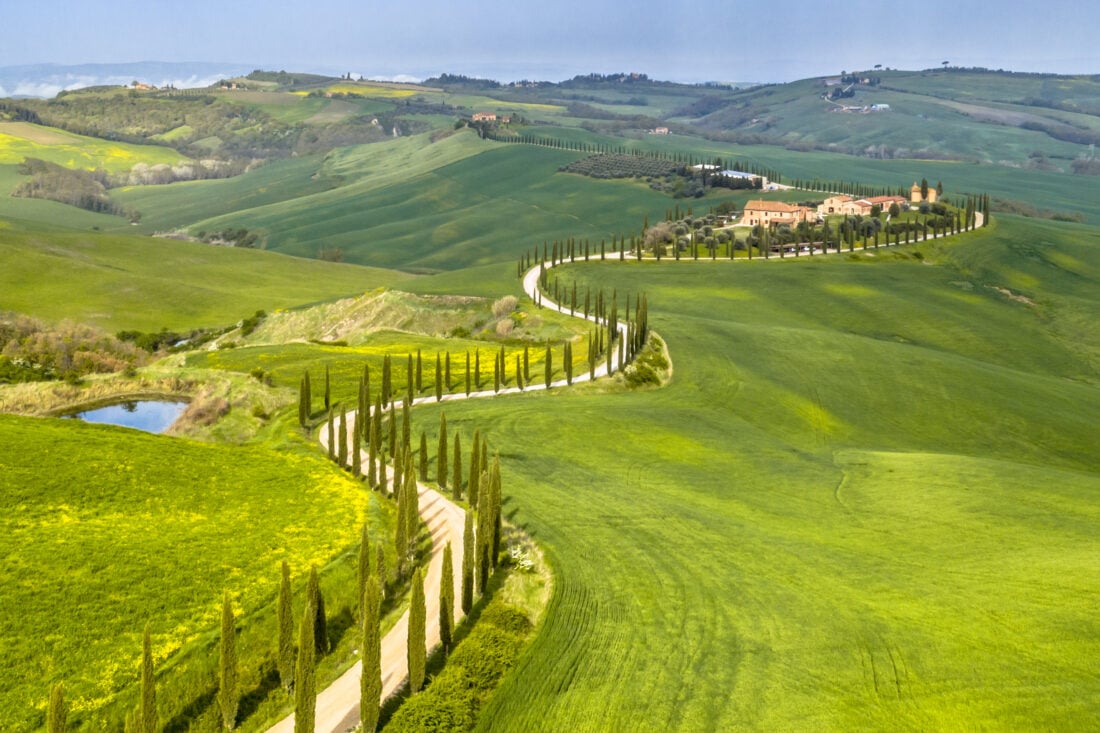
Central Italy runs hot in August, between 25-32°C (77-90°F), with Rome and Florence pushing higher. The countryside here, rolling hills, vineyards, and medieval towns, is best explored in the early morning or evening when temperatures drop.
Tuscany is ideal for scenic drives through sun-drenched vineyards and golden landscapes. Long daylight hours mean evening drives through the countryside are genuinely beautiful. Cooler evenings make outdoor dining a pleasure. If you enjoy road trip planning, a loop through the Val d’Orcia is one of Europe’s best.
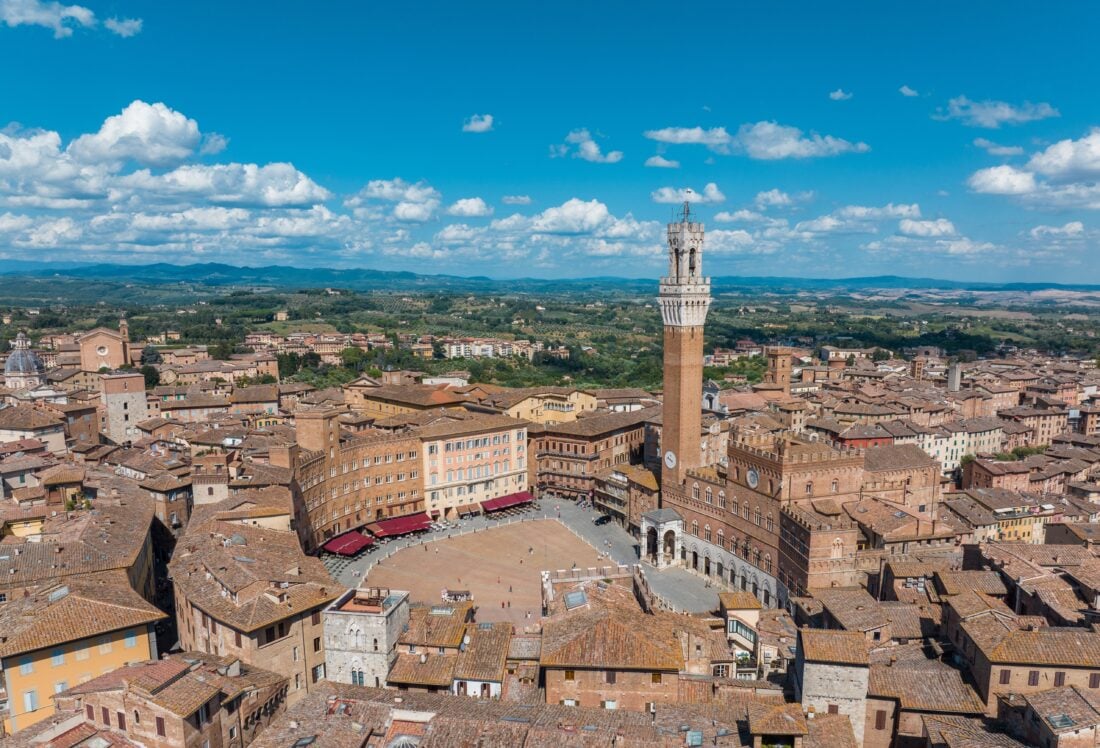
Siena is the cultural highlight of August in central Italy. The Palio di Siena, held on August 16th, is a bareback horse race in the Piazza del Campo dating back to the 17th century. The city fills with banners, parades, and intense local pride on race day. Book accommodation well in advance, it sells out fast.
Siena sits between the Chianti and Val d’Orcia valleys. You can fly into Florence or Pisa and drive or take the train through the Tuscan countryside to reach it. A car rental gives you flexibility to explore the surrounding area, including Montepulciano (Renaissance architecture, excellent wineries) and Lago di Chiusi, a peaceful lake spot suited to slower-paced days.
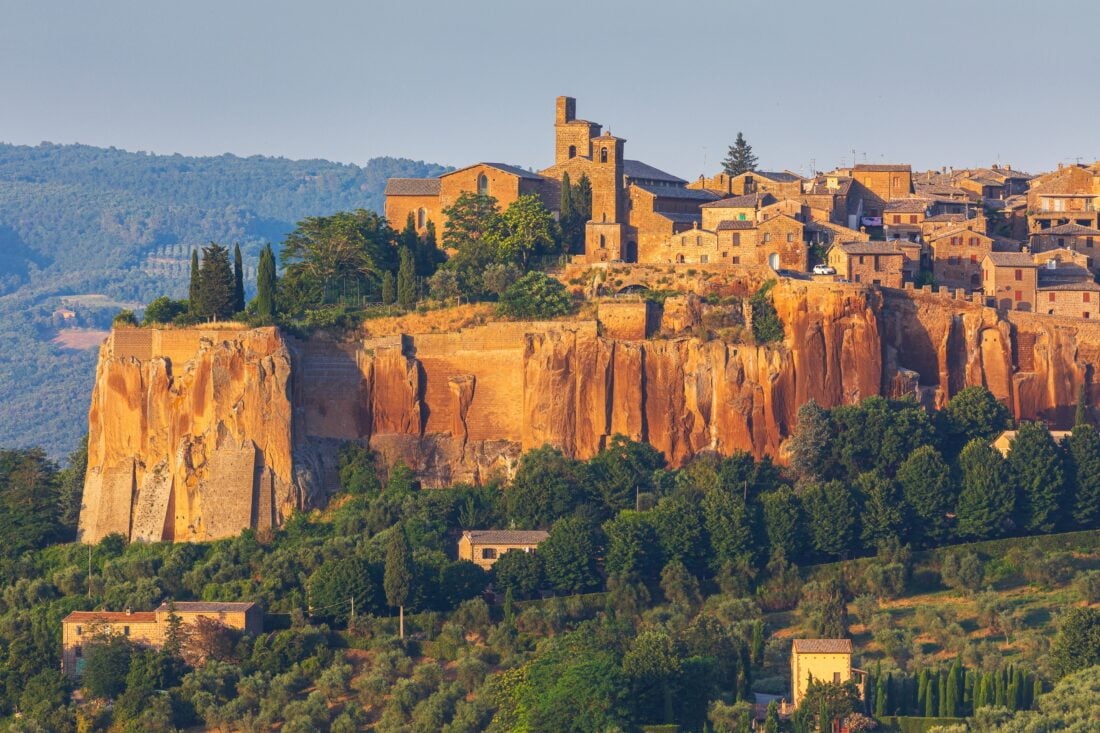
Umbria runs slightly cooler than coastal regions and is a good base for exploring towns like Perugia and Assisi without the intensity of the southern heat. Travellers often say it delivers the Tuscan experience with noticeably fewer tour buses, which is a win in August.
Southern Italy: Amalfi Coast, Puglia, and Sicily
Southern Italy is the hottest part of the country in August, with temperatures regularly exceeding 30°C (86°F) and Sicily’s inland areas pushing past 35°C (95°F). Coastal breezes make the heat more manageable on the water.
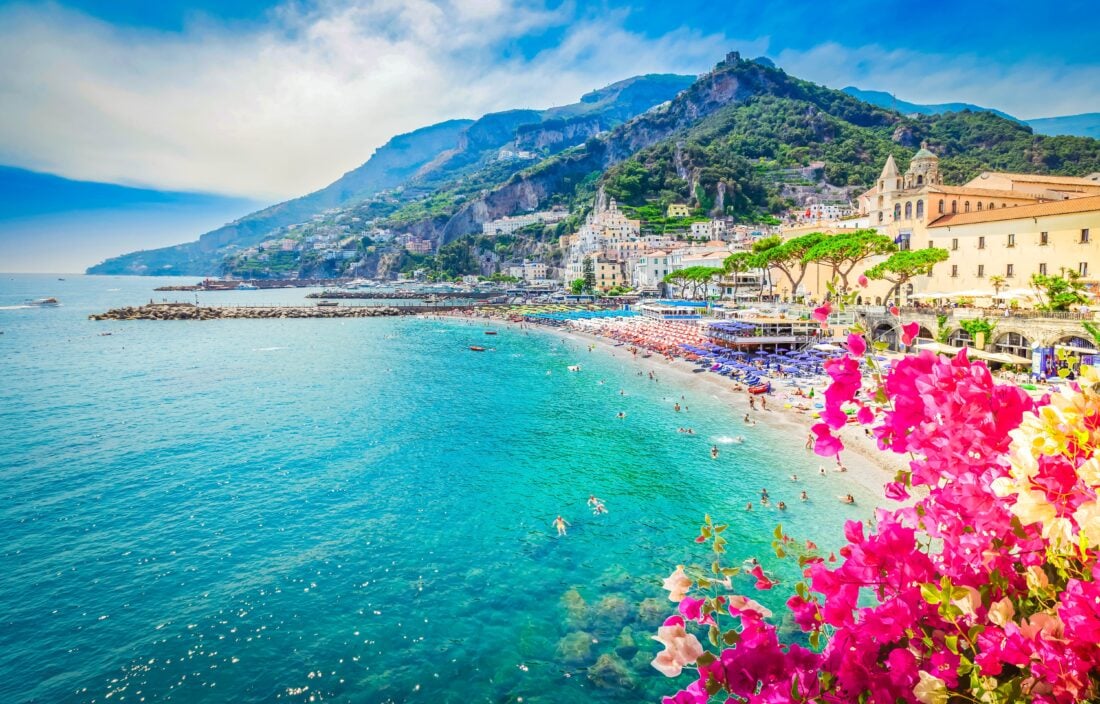
The Amalfi Coast is a top August destination for beaches, swimming, snorkeling, and boating. Positano, Amalfi, and Ravello are the main stops. Fly into Naples, then take a bus, train, or ferry, the ferry route offers the best views. The coast gets crowded; carry water and a light scarf for sun protection. Recurring traveller complaints centre on the narrow, winding roads being absolutely rammed with buses and cars in August, so ferries are genuinely the smarter move for your sanity.
- Capri is accessible by boat and worth it for the Blue Grotto and the Li Galli islands.
- Tramonti is known for its lemon groves and local tastings.
- Maiori has clear water suited to snorkeling and kayaking.
Puglia is best explored in the early morning or late afternoon to avoid peak heat. The beaches are the main draw.
Sicily in August combines warm seas, historic sites, and a lively festival calendar. Palermo’s major attractions include the Palermo Cathedral and, nearby, the Valley of the Temples in Agrigento. Mediterranean water temperatures reach 25-28°C (77-82°F), ideal for swimming.
Festivals and Events in August
August in Italy is packed with local festivals (sagre), open-air concerts, and historical events:
- Ferragosto (August 15th) – national holiday, beach parties, fireworks on the Amalfi Coast
- Palio di Siena (August 16th) – historic bareback horse race in Piazza del Campo, Siena
- Local sagre (food festivals) celebrating regional produce, wine, and traditions throughout the countryside
- Open-air concerts and historical parades in towns across Italy
Markets in August are stocked with seasonal produce: tomatoes, sweet peppers, zucchini, figs, peaches, apricots, melons, berries, basil, and mint. It is a good month for food tours.
The saldi estivi (summer sales) run from late July through early August, offering discounts on fashion and artisan goods in shops across Italy. If you’re hoping to snag deals, keep an eye out for Black Friday travel deals later in the year for booking your next trip at a discount.
What to Eat in the Italian Countryside in August
Five dishes worth seeking out:
- Cozze e vongole (mussels and clams)
- Gelato
- Frittata di zucchine (zucchini frittata)
- Prosciutto e melone (cured ham with melon)
- Tiramisu
Practical Tips for Visiting Italy in August
Book everything early. August is peak season across Italy. Accommodation, popular attractions like Vatican City, and events like the Palio di Siena all require advance booking. Last-minute options are limited and expensive. The currency is the euro (€), so if you’re coming from outside the eurozone, sort your currency before you arrive to avoid airport exchange kiosks with terrible rates.
Plan around the heat. Sightsee in the early morning and late afternoon. Rest indoors during the midday peak. Air-conditioned accommodation is worth the investment. If you’re also considering a trip to Vienna before or after Italy, similar heat planning applies there in summer.
Expect some closures. Smaller towns and family businesses may shut around Ferragosto. Tourist areas stay open, but verify ahead if visiting rural spots. Italian is the primary language, and while English is widely understood in tourist areas, having a few phrases ready goes a long way in the countryside where English speakers are rarer.
What to pack:
- Lightweight, breathable fabrics (cotton or linen)
- Comfortable walking shoes
- Sun protection (sunscreen, hat, light scarf or shawl)
- Swimwear if visiting coastal or lake areas
- A light jacket or sweater for cooler evenings in the north
- Reusable water bottle
- Universal travel adapter (Italy uses Type C, F, and L outlets)
Smaller cities are worth considering. Turin in August has fewer crowds, refined architecture, and good local food. The Mole Antonelliana, originally a synagogue and now the National Museum of Cinema, includes a panoramic lift with city views.
Is August a Good Time to Visit the Italian Countryside?
Yes, with realistic expectations. The heat is real, the crowds are real, and prices are at their highest. Turns out, a lot of seasoned Italy visitors actively avoid August for exactly those reasons, and online travel communities are full of people recommending you go literally any other summer month instead. But the long daylight hours, the festivals, the golden countryside, and the warm seas make August genuinely rewarding if you plan ahead. The Dolomites and Italian Lakes give you a cooler escape. Tuscany and Umbria are best at dawn and dusk. The southern coast is at its most alive, and most crowded.
If you want the same landscapes with fewer people and lower prices, early September is the alternative. Crowds drop, the weather stays warm, and Tuscany and Umbria begin their grape harvest season, which opens up wine tours and a quieter countryside experience.
