
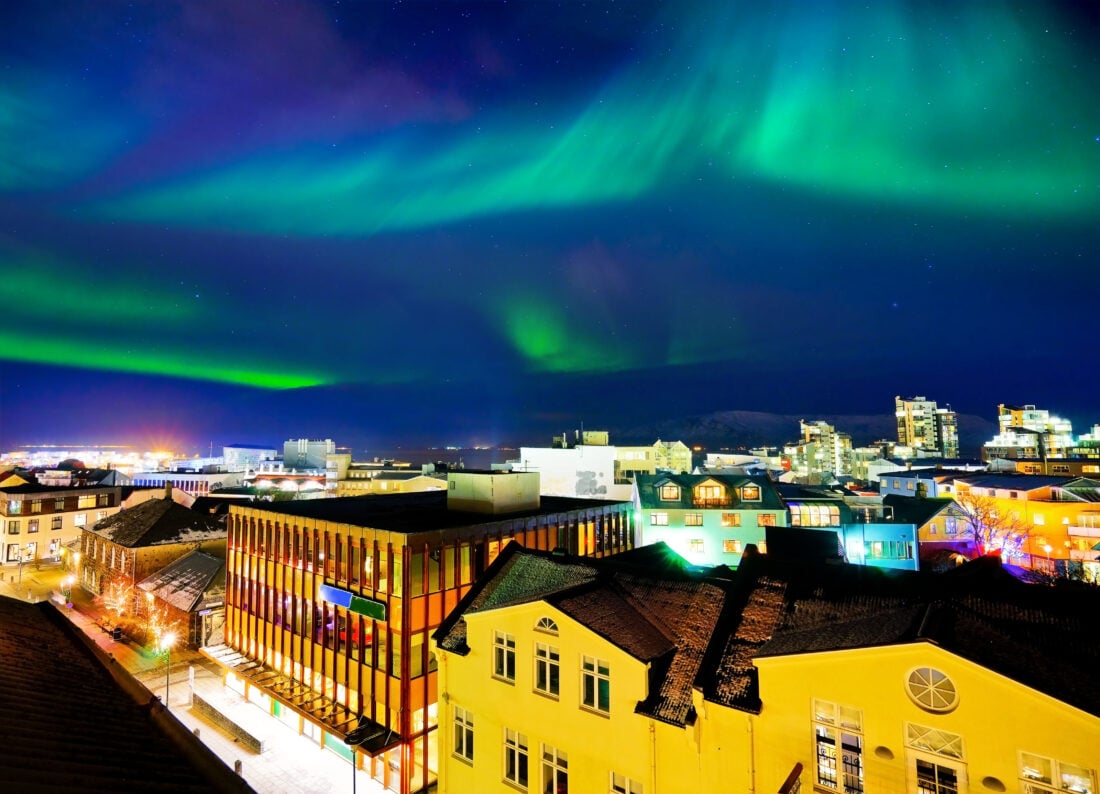
It is easy to arrive in Reykjavik thinking two days will be enough. There is often a spreadsheet involved, a few too many tabs open, and neatly colour-coded notes that suggest everything is under control. Then the day trips enter the picture, and suddenly that tidy plan does not stretch quite as far as expected.
So if you are the type who likes to plan a trip itinerary properly before you go, this breakdown should help.
How Many Days in Reykjavik?
- 2-3 days covers the city itself plus one or two day trips (Golden Circle, South Coast)
- 4-5 days lets you add the Blue Lagoon, more excursions, and breathe a bit
- 6+ days if you want horseback riding, glacier hikes, Northern Lights tours, and actual downtime
- 7-10 days for the Ring Road or serious exploration beyond Reykjavik
Reykjavik is the obvious base for all of it. You do not need a car if you book organised tours, which is genuinely fine and sometimes preferable.
Is 3 Days in Reykjavik Enough?
Yes, honestly. Three days gives you a solid introduction to the city and the classic day trips, and you will not feel like you wasted the trip. You will, however, leave wanting more. That seems to be universal.
Here is how a 3-day Reykjavik itinerary tends to shake out:
Day 1 – The City
Start with a free walking tour to get your bearings and understand a bit of the geology and history before you start wandering on your own. Then work through the main landmarks:
- Hallgrímskirkja – the church with the basalt-column exterior. Worth going up for the view (the elevator costs around 1,200 ISK, roughly £7/$10).
- Perlan – the mirrored dome building with interactive nature exhibits and an indoor ice cave
- Harpa concert hall – striking architecture on the waterfront, worth a look even if you are not going to a show. Check their events calendar before your trip because they regularly host concerts and performances by the Iceland Symphony Orchestra.
- Sun Voyager sculpture (also called Solfar) – a Viking ship sculpture on the waterfront, created by Icelandic artist Jon Gunnar Arnason
- Old Harbour – good for whale or puffin watching tours, and decent food
- Settlement Exhibition and the National Museum of Iceland if you want the Viking history context
For dinner, the advice that stuck with me: order the fish of the day or the lamb. Both are excellent choices at most restaurants. Grandi Mathöll does canteen-style eating with lobster soup and fish skewers. Coocoo’s Nest is a sit-down option worth booking ahead. And Bæjarins Beztu Pylsur, the lamb hotdog stand that is never without a queue, is exactly as good as everyone says. Budget warning though: eating out in Reykjavik is not cheap. A sit-down meal for two with drinks can easily hit 15,000-20,000 ISK (£90-120/$120-160 at current rates). Honestly, stocking up at Bónus or Krónan supermarkets for breakfasts and lunches will save your wallet.
Day 2 – Golden Circle
This is the non-negotiable day trip. The Golden Circle tour covers:
- Thingvellir National Park – a UNESCO World Heritage Site and the location of the world’s first parliament
- Gullfoss waterfall – spectacular because of its sheer volume, not its height
- Geysir Geothermal Area – the Strokkur geyser erupts roughly every 5-10 minutes and it does not get old
You can do this independently with a car or on an organised tour. Both work. In winter, an organised tour is arguably the smarter call since road conditions on Route 35 can get dicey.
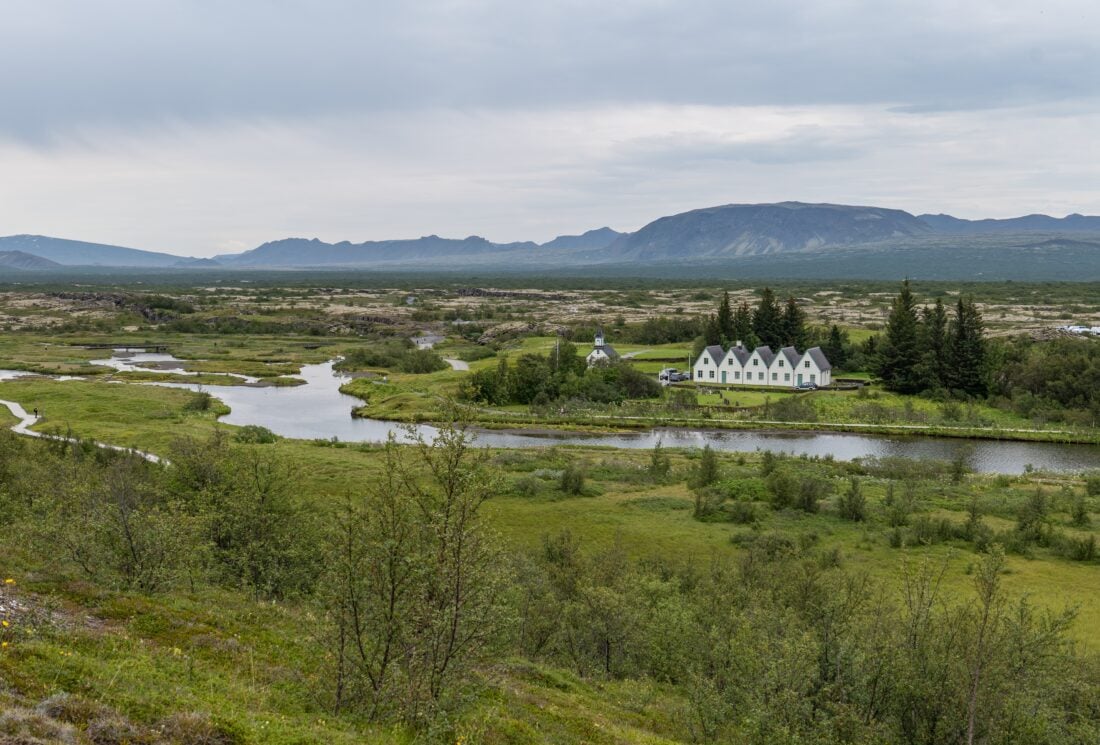
Thingvellir National Park
Day 3 – South Coast or Something Else
You have options here. The South Coast tour hits Seljalandsfoss and Skógarfoss waterfalls, Reynisfjara black sand beach with its basalt columns, and Sólheimajökull Glacier (you can add a glacier hike if you book it). Alternatively, if the Fagradalsfjall volcano is active, the hike out to see it is a genuinely memorable option. Check SafeTravel.is before heading out because conditions change fast and trail closures happen without much notice.
What About the Blue Lagoon?
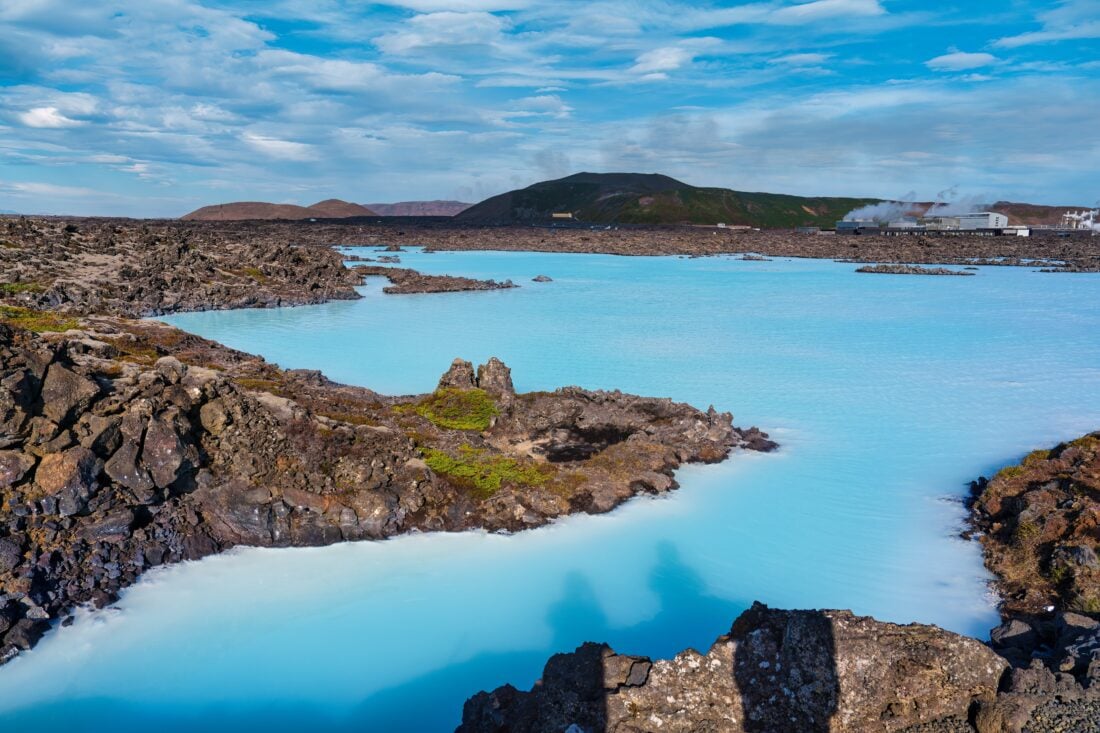
The Blue Lagoon sits between Keflavik Airport and Reykjavik, which makes it naturally convenient on arrival or departure. National Geographic listed it as one of the 25 Wonders of the World, which is either impressive or a lot of pressure depending on your expectations. Book timed tickets well in advance because it does sell out, especially the Comfort package (the entry-level tier starting around 9,990 ISK, roughly £60/$80).
On a 3-day trip, most people squeeze it in on arrival day or fold it into the itinerary somewhere. On a 4-day trip, it fits more comfortably. If you are looking for a less crowded (and cheaper) alternative, Sky Lagoon on the edge of Reykjavik gets consistently strong reviews for its infinity-edge pool overlooking the ocean and its seven-step ritual spa experience.
4-6 Days: The Sweet Spot
If you can stretch to 4-6 days using Reykjavik as a base, you get to breathe. You can do the Golden Circle and South Coast without rushing, add the Blue Lagoon properly, and fit in something more unusual.
A 6-day Reykjavik itinerary might look like this:
| Day | What to Do |
|---|---|
| 1 | Arrive, Blue Lagoon, check in, stock up on groceries |
| 2 | Golden Circle tour, Northern Lights tour in the evening |
| 3 | Slower start, explore Reykjavik city attractions |
| 4 | South Coast tour and glacier hike |
| 5 | Icelandic horseback riding (half day), city time |
| 6 | Souvenir shopping, flea market if it is a weekend, depart |
The horseback riding through Íslenski Hesturinn is a 4-hour experience including an introduction to the horses and their unique tolt gait before you actually ride. It is not a gimmick. The Kolaportið flea market, open weekends, is the cheaper option for souvenirs. The Handknitting Association of Iceland store (Handprjónasambandið) on Skólavörðustígur is apparently the best value for lopapeysa wool sweaters, and frankly the only place where you know you’re getting the real thing rather than a factory import.
Hotel Klopp is a centrally located option that comes up as practical if not flashy. CenterHotel Plaza and Apotek Hotel by Keahotels are both central Reykjavik picks if you want something a bit more comfortable. Not gonna lie, accommodation prices in Reykjavik sting. Budget travellers tend to lean towards guesthouses or apartments with kitchens to offset the food costs.
7-10 Days: Beyond Reykjavik
At this point you are not really doing a Reykjavik trip, you are doing an Iceland trip with Reykjavik as your start and end point. Rick Steves’ rough framework is useful here:
- 7-8 days – drive the Ring Road comfortably
- 8 days – add West Iceland and the Snæfellsnes Peninsula
- 10 days – Ring Road plus a side trip to the Westman Islands
- 10+ days – Westfjords, remote areas, slower pace, glacier hikes, the works
Iceland looks small on a map. Travel times add up faster than you expect, especially if you are stopping for scenic viewpoints (which you will be, constantly). Build in buffer. If you enjoy road trip itineraries with dramatic scenery, this is a similar vibe to driving Scotland’s North Coast 500, just with more volcanic terrain and fewer sheep. Actually, no, about the same number of sheep.
For the Ring Road, a car rental is essentially required. Without one, base yourself in Reykjavik and book day tours for everything.
Does the Season Change How Many Days You Need?
Yes, a bit.
- Summer (June-August) – long daylight hours (nearly 24 hours around the solstice) mean you can pack more in per day. 7-10 days is ideal to take full advantage.
- Winter – plan for 5-7 days minimum to allow flexibility around weather and road conditions, and to give yourself a decent shot at seeing the Northern Lights. Right now the weather in Reykjavik is sitting at around 32°F with light snow and 74% humidity (as of March 2026), which is pretty standard for late winter. Layers are your best friend.
- Spring (April-May) – quieter, daylight increasing, but some Highland roads are still closed.
Weather can genuinely derail plans in Iceland. Ferries to the Westman Islands, for example, are weather-dependent, so always have a backup. If you’re visiting in winter specifically for the Northern Lights, know that many tour companies offer free rebooking if the aurora doesn’t show on your first attempt, so having an extra night or two built in makes a real difference.
Practical Bits Worth Knowing
- Getting from Keflavik Airport to Reykjavik: shuttle buses (Flybus or Airport Direct) are the sensible option, taking about 45 minutes. Taxis are expensive, easily 18,000-20,000 ISK one way.
- Currency: Iceland runs on the Icelandic króna (ISK). At current exchange rates, £1 gets you roughly 166 ISK and $1 gets you about 125 ISK. But honestly, you probably will not need cash. Card payments are accepted almost everywhere, even for a single hotdog.
- Language: Icelandic is the official language, but practically everyone speaks excellent English, so communication is never an issue.
- Packing: waterproof jacket, waterproof trousers, layers, hat, gloves. Year-round. The weather changes fast.
- Booking: hotels, rental cars, and popular tours (especially the Blue Lagoon) sell out in peak season. Book ahead.
- Glacier hikes: go properly equipped. Crampons, helmets, the lot. Do not be the person on the glacier without gear.
- Time zone: Iceland sits on UTC year-round with no daylight saving changes, which makes calculating time differences refreshingly simple.
So, How Many Days in Reykjavik?
Three days is the minimum that actually does the place justice. Four to six days is the sweet spot if you want Reykjavik plus the classic day trips without any rushing. And if you have a week or more, push beyond the city and see more of the country. If you’re the type who collects itineraries (no judgement, I am too), you might also want to look at our 5 days in Ireland itinerary for another trip that punches well above its weight in scenery per square mile.
Reykjavik is a genuinely good base. Small enough to feel manageable, interesting enough to fill a few days on its own, and surrounded by things that will make you wish you had booked a longer trip. You probably will, the first time around.
