
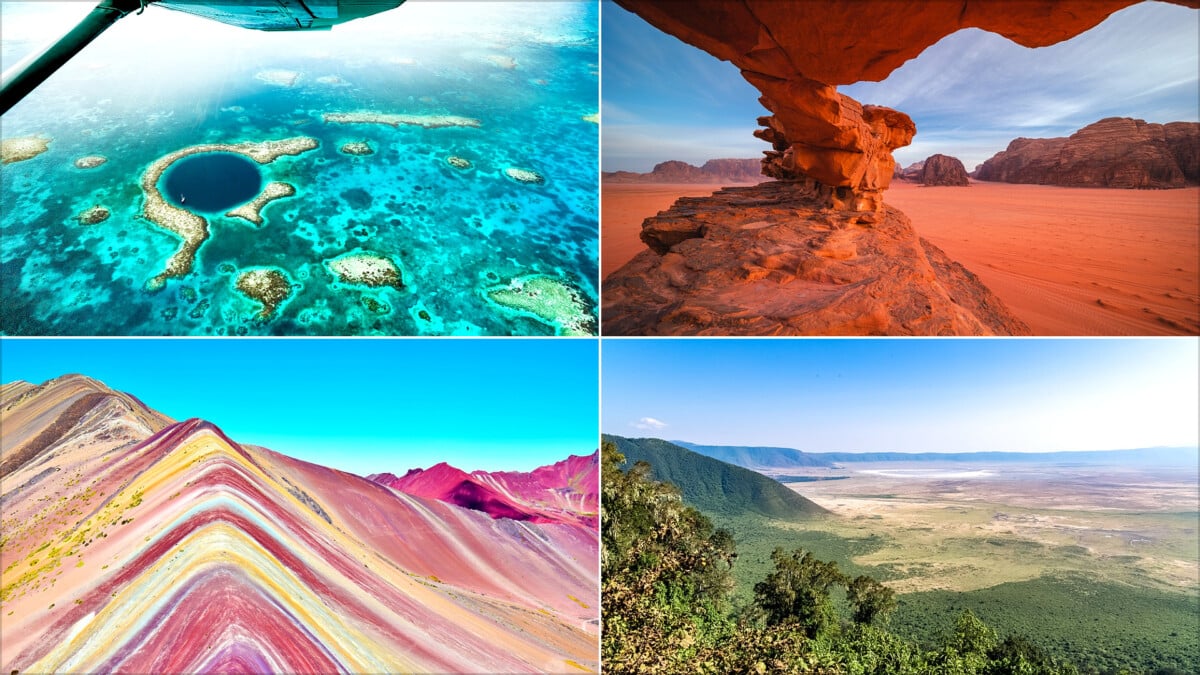
Planning a bucket-list adventure requires looking closely at access, timing and physical demands before booking anything. Multi-day treks, high-altitude routes and remote marine environments all come with different requirements, from permits and specialist equipment to seasonal weather and transport access. Knowing those details in advance can make the difference between a workable itinerary and one that falls apart on the ground.
The five destinations below span South America, East Africa, the Middle East, Central America and the Southern Ocean. Travellers looking for more inspiration can also explore these cool bucket-list ideas from around the world. Each destination comes with its own challenges, landscapes and practical considerations.

South Georgia: King Penguins and Shackleton’s Grave
Located around 1,450 kilometres east of the Falkland Islands in the Southern Ocean, South Georgia is accessible only by sea. Many expedition itineraries reach the island after crossing the Scotia Sea from Ushuaia or the Falklands. At St Andrews Bay, a wide glacial outwash plain supports one of South Georgia’s largest king penguin colonies, with tens of thousands of birds gathering between the beach and surrounding glaciers. Visitors go ashore by Zodiac, with landing conditions dependent on swell and weather.
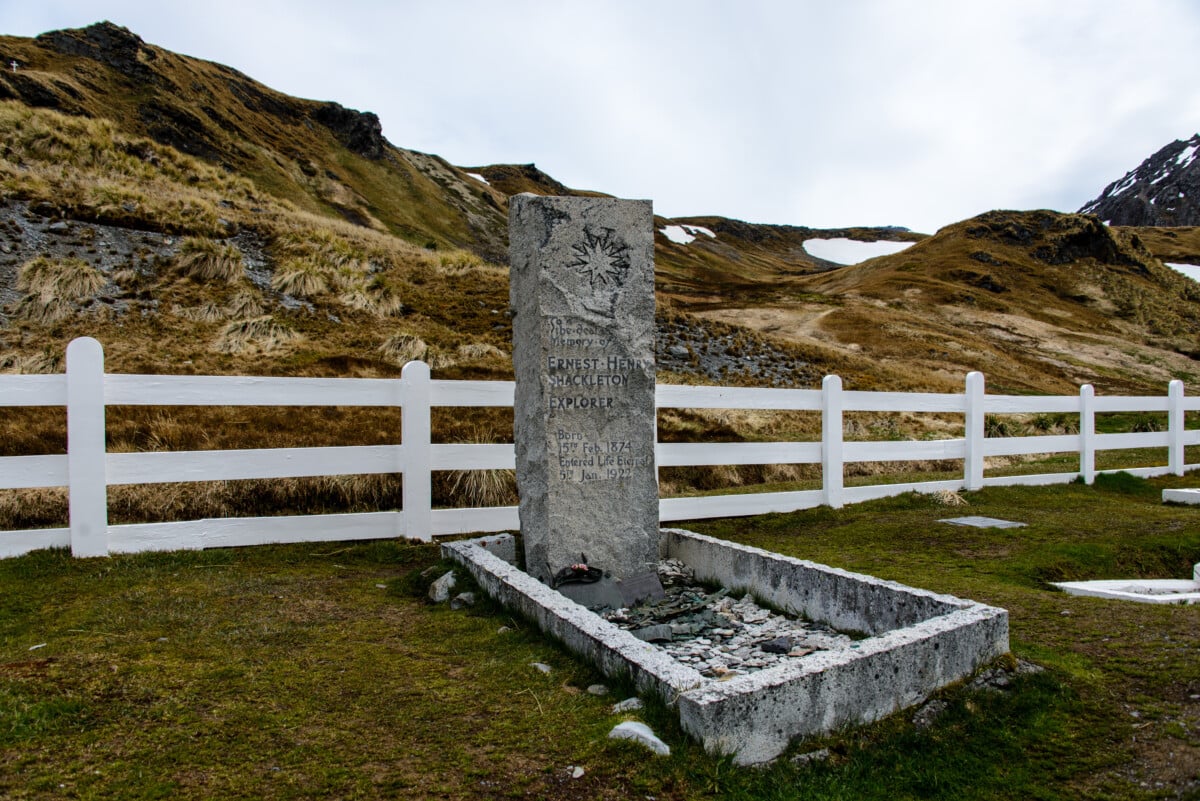
Further north along the coast lies Grytviken, a former Norwegian whaling station established in 1904. The cemetery contains the grave of polar explorer Sir Ernest Shackleton, who was buried there in 1922. For travellers researching an Antarctica, Falklands and South Georgia cruise, it helps to compare planned landing sites, permit requirements and how much time each itinerary spends in South Georgia.
Most expedition visits take place during the austral summer, from roughly October to early April. South Georgia has no airport or runway and no visitor accommodation ashore, so travellers sleep on board and use the expedition ship as their base for landings.
Editorial credit: Alexey Seafarer / Shutterstock.com
Peru’s Rainbow Mountain: Hidden Under Ice Until 2013
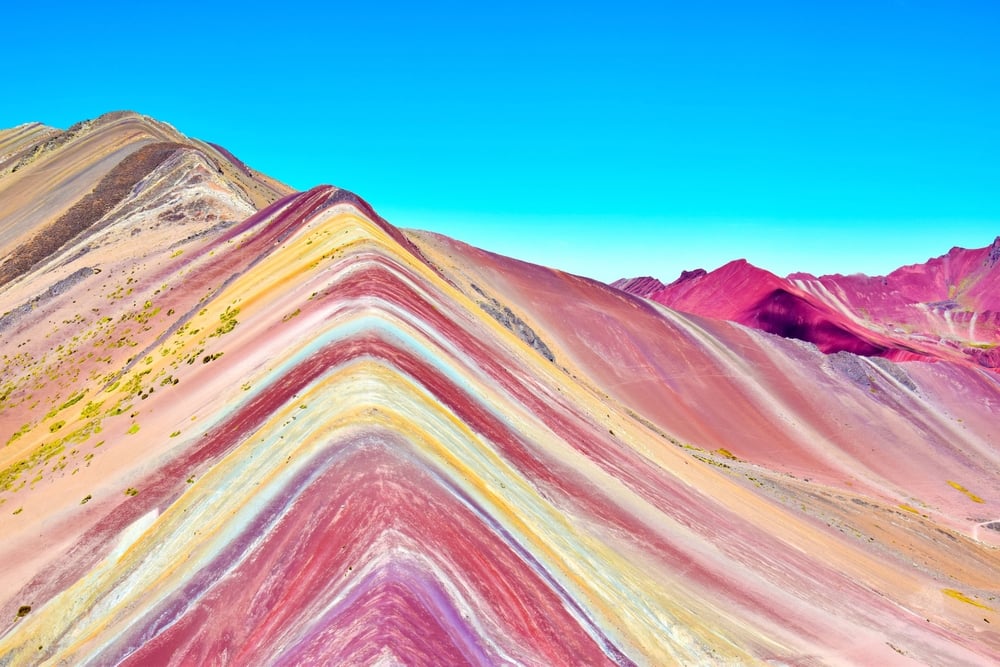
Known locally as Vinicunca or Montaña de Siete Colores, Rainbow Mountain sits in Peru’s Cordillera Vilcanota at around 5,200 metres above sea level. Its coloured bands come from layers of sedimentary rock containing different minerals, exposed and shaped by tectonic uplift, weathering and erosion. Reds, greens, yellows and paler bands reflect varying concentrations of clays, iron-rich minerals and other compounds.
Reaching Vinicunca involves a drive of around three hours from Cusco followed by a high-altitude hike to the viewpoint. Travellers using the city as their base can plan time for acclimatisation while exploring the many things to do in Cusco. At more than 5,000 metres, altitude is a more significant challenge than the distance alone suggests. Spending several days acclimatising before the hike and avoiding a rapid ascent helps greatly reduce the risk of altitude illness.
The route crosses exposed Andean terrain near Ausangate, with little shelter from wind, cold and rapidly changing weather. Local communities along the route also provide guiding and horse services for visitors making the ascent.
Tanzania’s Ngorongoro Crater: 25,000 Animals in One Basin
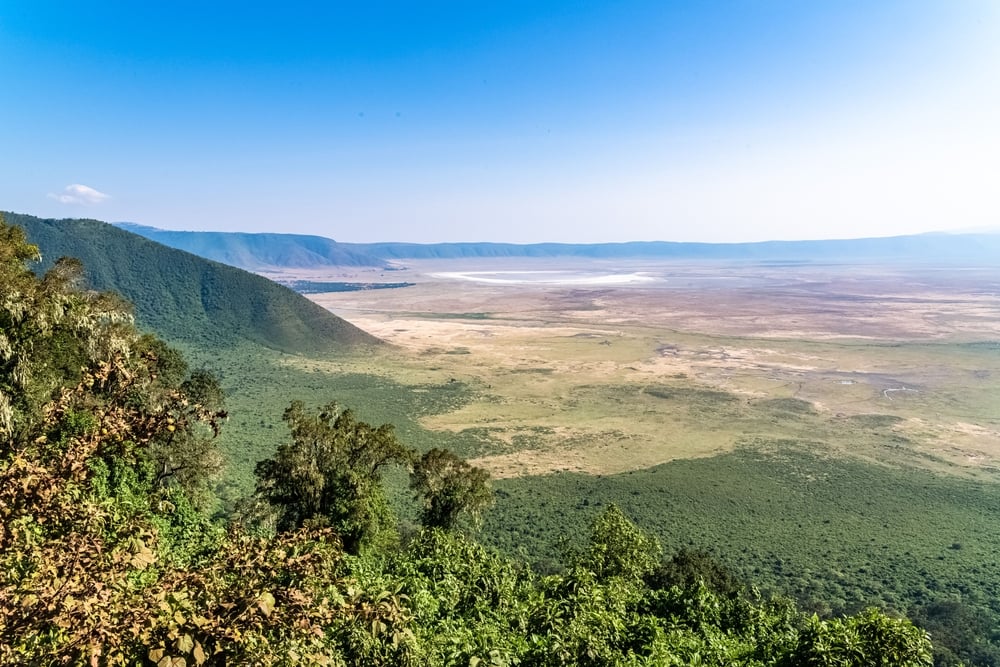
Formed around 2.5 million years ago when a massive volcano collapsed, the Ngorongoro Crater in northern Tanzania is the world’s largest intact, unfilled volcanic caldera. Its walls drop around 600 metres to a floor covering roughly 260 square kilometres. More than 25,000 animals live within the crater, although wildlife can also move in and out. Lake Magadi, a shallow soda lake on the crater floor, attracts large numbers of flamingos, while nearby freshwater areas support hippos.
The crater supports black rhinoceroses, lions, wildebeest, zebras, buffalo and several gazelle species. Safari vehicles must remain on designated tracks, as off-road driving is prohibited, and access to the crater is controlled by the Ngorongoro Conservation Area Authority.
Crater access is one of the practical details worth checking for travellers who are planning luxury Tanzania safari tours, including whether a private vehicle is included and how much time the itinerary allows on the crater floor. Staying on or near the rim can also reduce the drive to the descent road on the morning of the visit.
Jordan’s Wadi Rum: The Desert That Doubled as Mars
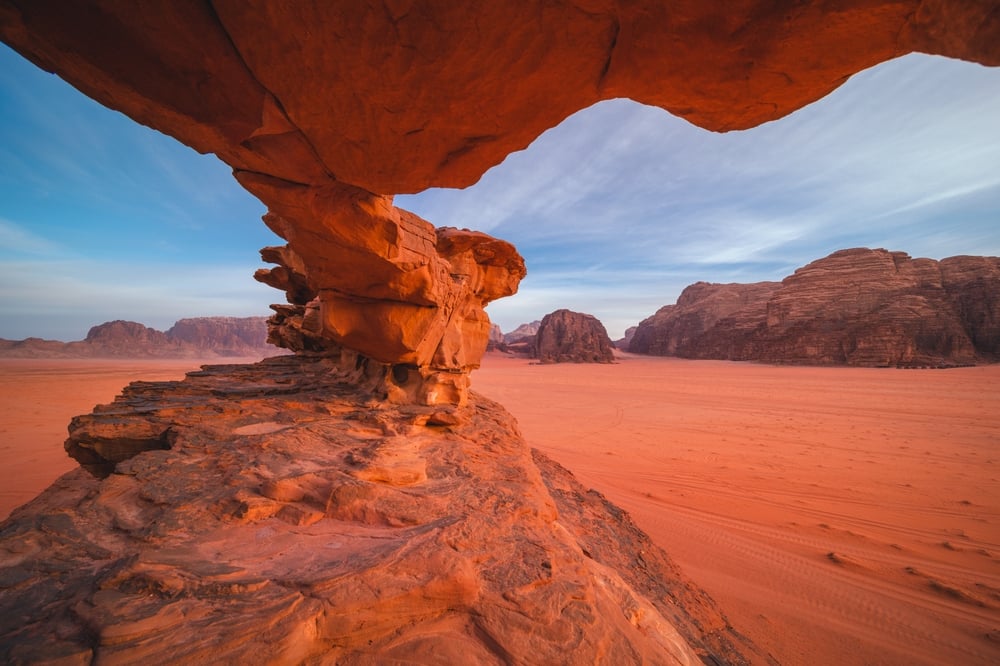
Wadi Rum, around 60 kilometres northeast of Aqaba in southern Jordan, covers roughly 742 square kilometres of protected desert shaped by sandstone and granite formations. Narrow gorges, natural arches such as Umm Fruth Rock Bridge and mountains rising more than 1,700 metres define the landscape. The red and ochre terrain has also made Wadi Rum a filming location for Mars-set productions, including The Martian.
Visitors explore the protected area by four-wheel-drive vehicle, camel or on multi-day trekking routes across the desert. Access begins at the Wadi Rum Visitor Centre, with local Bedouin guides leading routes to sites such as Khazali Canyon, where ancient rock carvings and inscriptions remain visible on the canyon walls. UNESCO records thousands of petroglyphs and inscriptions across the protected area, some dating back thousands of years.
Summer temperatures can exceed 40°C, making the cooler spring and autumn months more suitable for longer hikes and desert treks. Overnight camps allow travellers to stay within the desert and set out on four-wheel-drive routes early the following morning.
Belize’s Great Blue Hole: A Cousteau Top-Five Dive Site
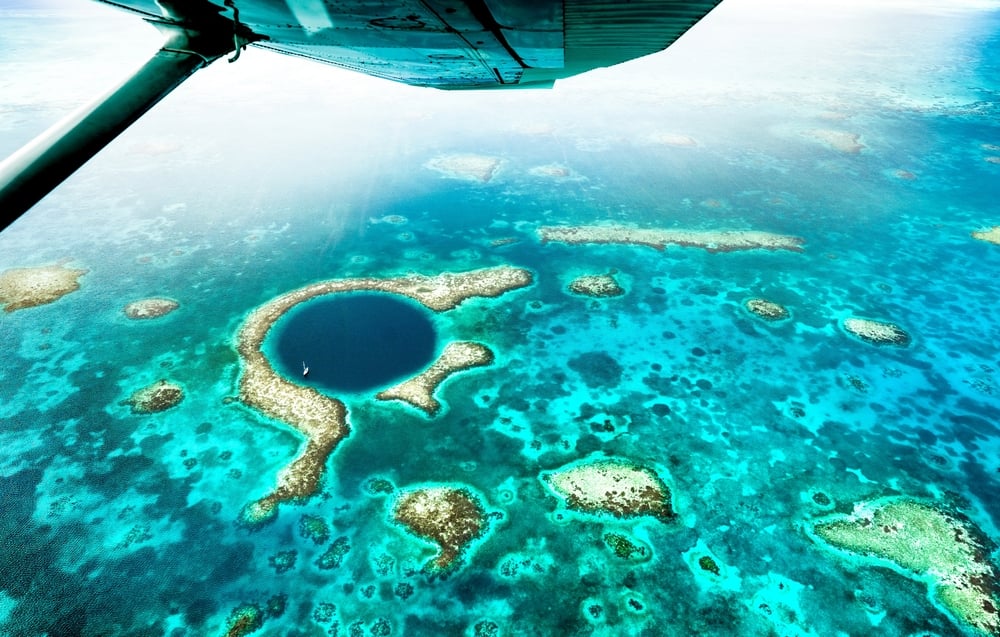
Situated near the centre of Lighthouse Reef Atoll off the coast of Belize, the Great Blue Hole is a giant marine sinkhole measuring around 300 metres across and 125 metres deep. Thousands of years ago, it formed part of a limestone cave system that flooded as sea levels rose, leaving huge submerged stalactites beneath its overhanging walls. In 1971, Jacques Cousteau explored the site aboard Calypso and later named it among his top five scuba-diving sites in the world.
Divers descend along the inner wall towards the stalactite formations, which lie at depths suited to experienced divers. PADI classifies the Great Blue Hole as a wall and cavern dive and recommends Advanced Open Water and Deep Diver training for the site.
Reaching Lighthouse Reef requires a boat journey from Belize’s offshore cayes or mainland dive centres. Anyone incorporating the site into a longer trip should account for these transfer times when planning a Belize itinerary. The depth and submerged formations make the Great Blue Hole a dive geared towards experienced, appropriately trained divers.
Which adventure tops your list?
Planning a major adventure means matching physical preparation with the practical demands of the destination. Whether that involves hiking at high altitude in the Peruvian Andes, arranging a deep-water dive in Belize or organising permits for South Georgia, each trip comes with its own requirements for timing, equipment and local expertise.
Choosing between them comes down to the type of challenge travellers want to take on next. Permits, qualified guides, seasonal conditions and personal fitness all shape what is realistically achievable. A good starting point is understanding what the trip involves and whether the required skills and fitness level are realistic for the travellers taking it.
