
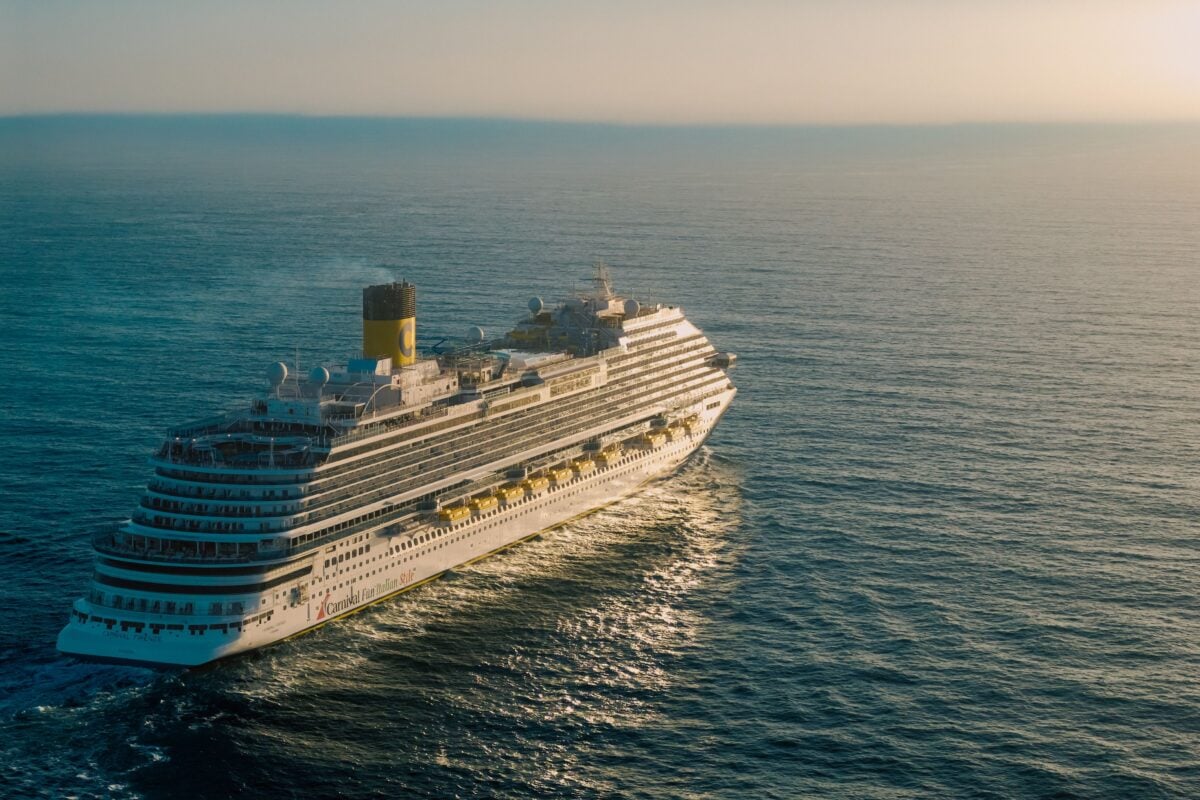
A year at sea is no longer just retirement-daydream material. Long voyages now range from roughly four-month world cruises to extended sailings that stretch well past half a year, with some products pushing close to a full 365 days.
That makes the big question pretty simple: what does a 1 year cruise around the world cost once you count the fare, cabin choice, flights, shore days, and all the little extras that quietly nibble at your budget?
The short answer is that prices vary wildly. A budget-minded traveler might find lower entry points on shorter world-cruise style itineraries, while luxury and near full-year options can climb fast. The good news is that cruise fares often include more than people expect, so the sticker shock needs a little context.
What counts as a 1 year cruise around the world?
Not every so-called world cruise literally circles the globe in one clean loop. Some sailings focus on the Pacific, some cross multiple continents without completing a full circumnavigation, and some are built as back-to-back itineraries rather than one continuous voyage.
That matters when comparing prices. A 110-day sailing with Princess Cruises is a very different product from a 244-night voyage with Oceania or a near-year-long pass that lets you hop across multiple itineraries on the same brand.
In practical terms, readers searching for a 1 year cruise around the world cost are usually comparing three models:
- Classic world cruises, often around 100 to 180 days
- Extended world voyages, which can run more than 200 nights
- Annual pass style cruising, where travelers stay at sea across multiple itineraries for up to 365 days
Same dream, very different pricing logic.
Typical price range for a year-long or world-cruise style voyage
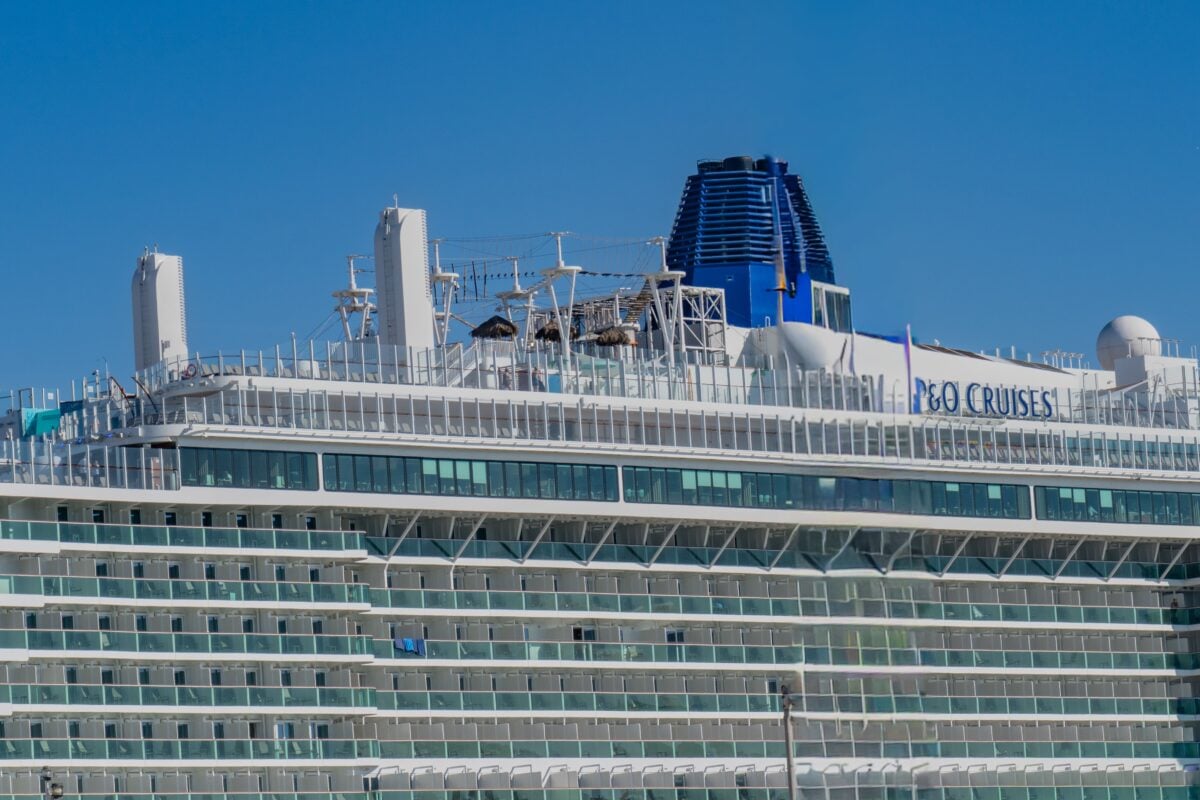
If you want a realistic starting point, mainstream world cruise pricing can begin around $15,000 to $25,000 per person for lower-cost options, while luxury fares often sit in the $60,000 to $100,000 per person range. Ultra-luxury products can go much higher.
For examples that help frame the market:
- MSC Cruises has been listed from $15,800 per person for an 118-night world cruise.
- Holland America Line has been listed from $22,354 per person for a 124-day sailing.
- Royal Caribbean has been listed from $59,999 per person for a 274-night voyage.
- Crystal Cruises has been listed from $84,000 per person for a 135-night cruise.
- Silversea Cruises has been listed from $101,600 per person for a 140-day voyage.
- Virgin Voyages marketed an annual pass at $120,000 total for two guests for up to 365 days of sailing.
That spread looks chaotic until you break it down by nightly cost. A fare of $15,800 over 118 nights works out at roughly $134 per night, while $59,999 over 274 nights is about $219 per night. At the top end, $101,600 over 140 days lands near $726 per night. Same ocean, very different lane.
The key takeaway: a true near-year option can look expensive in absolute terms, but not every long cruise costs six figures per person. Duration, cruise line, and cabin do most of the damage to your wallet.
| Example cruise product | Length | Starting price | Approx. nightly cost | Pricing note |
|---|---|---|---|---|
| Virgin Voyages annual pass | Up to 365 days | $120,000 total | About $329 per night total if used for the full year | Price was marketed for two guests, not per person |
| Royal Caribbean world cruise | 274 nights | $59,999 per person | About $219 per night | Longer than many standard world cruises |
| Princess Cruises Circle Pacific voyage | 110 to 129 days | Price not specified in the material reviewed | Not enough pricing data to calculate | More about route length and sailing days than a single headline fare |
| Holland America Line world cruise | 124 days | $22,354 per person | About $180 per night | Mainstream entry point example |
| MSC Cruises world cruise | 118 nights | $15,800 per person | About $134 per night | Lower starting fare example |
| Crystal Cruises world cruise | 135 nights | $84,000 per person | About $622 per night | Luxury pricing tier |
| Silversea Cruises world cruise | 140 days | $101,600 per person | About $726 per night | Luxury expedition-style pricing level |
Why prices swing so much
If one fare is under $20,000 and another is over $100,000, that is not just cruise lines being dramatic. A few specific factors drive the gap.
Cabin category
An inside cabin is usually the cheapest way onto a world cruise. Oceanview, balcony, and suite categories climb quickly. On a voyage measured in months, many travelers decide a balcony is worth the upgrade. Your future self, after week ten of sea days, may agree.
Cruise line style
Mainstream brands generally come in lower than luxury lines. Premium and luxury lines often charge more because they package in more inclusions, offer higher crew-to-guest ratios, and use smaller ships or more ambitious itineraries. On some upscale world cruises, business-class air, private transfers, gala shore events, and generous beverage packages are part of the pitch, which helps explain why the bill gets spicy.
Length of itinerary
A 110-day voyage and a 365-day annual pass are not directly comparable. Always calculate a rough nightly cost. That gives you a clearer picture than the headline fare alone.
What is included
Some cruise fares cover only the cabin, meals in standard venues, and basic entertainment. Others include Wi-Fi, drinks, laundry, gratuities, flights, hotel stays, transfers, shore events, or onboard credit.
Cheaper does not always mean cheaper in the end.
What may be included in the fare

This is where buyers can save themselves from bad comparisons. Two long cruises with similar prices may offer very different value.
Examples of inclusions that can matter on a year-long or world-cruise style booking include:
- Accommodation for the length of the voyage
- Main dining and casual meals onboard
- Entertainment and enrichment
- Taxes and fees on some advertised fares
- Wi-Fi on selected products
- Laundry service, which becomes more useful than glamorous on very long trips
- Onboard credit or bar credit
- Pre-cruise hotel and transfers on some packages
For instance, the Virgin Voyages annual pass included a Sea Terrace cabin, Wi-Fi intended for remote workers, laundry service, priority boarding, dedicated support, a bar tab credit on each itinerary, and two specialty coffees per cabin per day. Princess also promotes hotel-and-transfer packaging on some world-cruise products.
Those extras do not erase the fare, but they can replace costs you would otherwise pay out of pocket on land or at sea. They also matter more on long sailings than on a quick Caribbean hop, especially if you are planning to work remotely or simply like staying connected while learning the hidden language of cruise ships.
Costs that are often not included
This is the part that catches people out. The cruise fare is only the opening act.
Shore excursions
Long cruises visit dozens of ports, often across 25 to 35 countries. You do not need to book a paid excursion in every stop, but many travelers do splurge on big-ticket days in marquee ports or UNESCO sites.
If your itinerary includes places like Easter Island or French Polynesia on a luxury voyage, the ports may be a huge part of the appeal. That usually means extra spending. The same goes for bucket-list add-ons such as archaeology tours, wildlife outings, or museum-heavy city stops that can rival the cost of a weekend break on their own. If your route dips into famous bays or coastal icons, a little planning goes a long way, especially if you are tempted by places similar to these beautiful bays around the world. Some ports are tiny, too: Monaco, a familiar Mediterranean cruise stop, has the shortest coastline of any country.
Drinks and specialty dining
Basic meals are often included. Alcohol, premium coffee, specialty restaurants, and bottled water policies vary by line. A coffee habit is charming on week one and a budget category by month six.
Flights and pre-cruise hotels
Many world cruises start and end in major gateways like Fort Lauderdale, Los Angeles, Miami, or Sydney. Unless your package says otherwise, you may need to budget for long-haul flights and at least one hotel night before embarkation.
Travel insurance
For a trip that can last 100 to 365 days, comprehensive travel insurance is not optional in any sensible budget. Medical coverage, evacuation terms, cancellation protection, and coverage for long trip duration matter.
Visas and port expenses
A world voyage can cross a lot of borders. Visa costs, local transport, port shuttles, and occasional overnight stays off the ship can add up.
A better way to budget a 1 year cruise around the world cost
Instead of asking only what the fare is, break the decision into buckets.
- Cruise fare
Start with the advertised cabin rate and confirm whether it is priced per person or per cabin. - Mandatory extras
Add taxes, fees, gratuities, insurance, and flights if they are not included. - Lifestyle spending
Estimate drinks, specialty dining, Wi-Fi upgrades, spa visits, and laundry if your fare does not cover them. - Port budget
Set a realistic average for excursions and self-guided days across the full trip. - Home costs you still keep paying
Mortgage, rent, storage, insurance, phone plans, and subscriptions may continue while you are away.
This last point is huge. Some travelers compare a year-long cruise with normal annual living costs. That can be reasonable, but only if you are actually reducing those land expenses. If you keep the apartment, the car, and three streaming services you forgot existed, the math gets less romantic.
A practical rule of thumb is to build a port-and-extras buffer of at least 15 to 30 percent above the cruise fare for a long itinerary. Frugal travelers can land lower by walking ports independently and skipping drinks packages, while more comfort-focused cruisers can blow past that without much effort. Souvenirs, spa days, and last-minute tours have a sneaky talent for multiplying.
Is a 1 year cruise good value?
For some travelers, yes. For others, absolutely not.
A long cruise can represent solid value if you want:
- Transport between continents built into the trip
- Accommodation and meals bundled together
- Minimal travel planning once onboard
- The chance to visit many countries without constant packing and unpacking
It is less compelling if you prefer long stays in one place, independent travel, or deep exploration of a single country. A world cruise gives range, convenience, and comfort. It does not always give depth.
That said, there is a reason these voyages stay popular. You unpack once, your room moves with you, and someone else worries about the logistics. It is hard to hate that system.
It can also appeal to travelers who love variety. One month you might be chasing ancient sites, the next admiring skylines, and later hopping off for cultural stops that would fit nicely alongside the world’s largest history museums or even a quick check-in on facts about the Seven Wonders of the World. The trade-off is obvious: broad exposure, less time everywhere.
How to keep the total cost under control
If you are serious about booking, these practical moves can make a real difference:
- Compare by nights, not headlines. A lower fare on a much shorter sailing is not necessarily cheaper value.
- Check inclusions line by line. Wi-Fi, drinks, laundry, and hotel nights can change the true cost fast.
- Price the cabin you will actually tolerate. Booking the cheapest room is not a bargain if you plan to upgrade your mood daily.
- Choose excursions selectively. Save guided spending for ports that are difficult to do independently.
- Ask about partial segments. Some lines let travelers book a section of a world cruise instead of the whole thing.
- Book early if world cruising is your goal. These sailings attract repeat guests and can fill well in advance.
It also helps to decide in advance where you will spend freely and where you will not. Maybe you save money by doing simple beach days in easy ports, then splash out on remote islands, major wildlife excursions, or that one over-the-top balcony cabin upgrade you will insist was financial wisdom. If sunshine is a priority, our guide to the countries with the best weather year-round can help you spot the most reliable stops on a route.
The bottom line on 1 year cruise around the world cost
A realistic 1 year cruise around the world cost can start in the tens of thousands and rise into six figures, depending on whether you choose a mainstream world-cruise fare, a luxury sailing, or a full annual-pass style product.
If you want a rough planning frame, mainstream examples can begin around $15,800 to $22,354 per person for voyages just over 100 nights, while longer and more upscale options often land in the $59,999 to $101,600 per person range. A near full-year product has been marketed at $120,000 for two guests.
The smart way to judge it is simple: ignore the fantasy for a moment, compare the nightly cost, inspect the inclusions, and build a full-trip budget. Then bring the fantasy back in. You are, after all, pricing a year at sea. It is allowed to be a little dramatic.
