
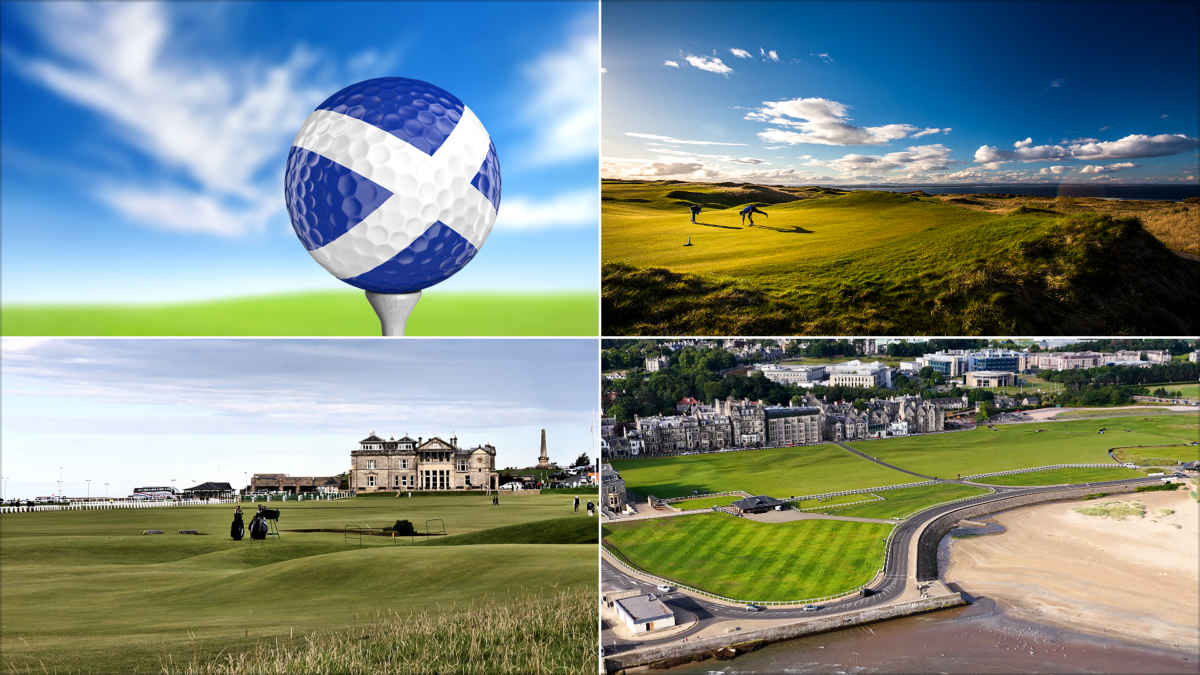
Scotland continues to attract golfers who want more from a trip than a good scorecard. Many visitors now plan entire holidays around the sport, combining time on the course with historic towns, dramatic coastal scenery, regional food and local culture.
From windswept links beside the North Sea to welcoming community clubs in the Highlands, Scotland offers an experience that is difficult to recreate elsewhere. Golf is not treated as an isolated resort activity here. It is woven into the landscape, history and everyday life of towns across the country.
You can play a celebrated championship course in the morning, explore a fishing village in the afternoon and finish the day in a pub where somebody will happily explain exactly how you misread the wind on the 14th. Whether you requested that analysis is another matter.
Scotland also works well for mixed-interest trips. A golfer can spend part of the holiday on the fairways while partners, friends or family explore castles, museums, coastal paths and cities. Our wider collection of Scotland travel guides can help you build the rest of the itinerary around your tee times.
Scotland Is the Home of Golf
St Andrews is the home of golf. It has shaped the way many people think about the sport, but Scotland’s golfing identity extends far beyond one famous town or one historic course.
The country has hundreds of courses spread across coastal communities, major cities, islands and rural areas. You can play historic links along the east coast, discover less-publicised courses in the Highlands and then head west to face layouts shaped by rugged shorelines and Atlantic weather.
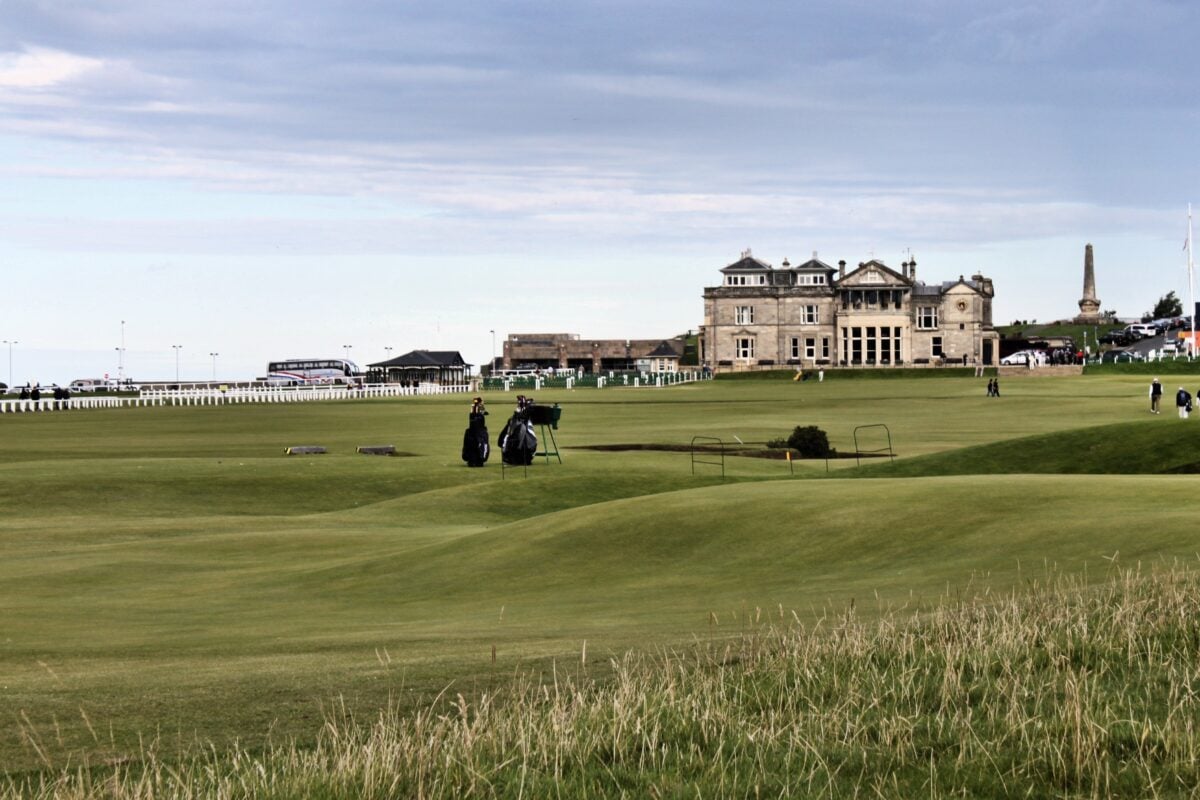
St Andrews remains the symbolic centre of the Scottish game. Even visitors who do not secure a tee time on the Old Course can walk beside its famous fairways, visit the surrounding golf attractions and experience a town where the sport is part of daily life rather than something hidden behind the gates of a private resort.
The wider Fife area is equally useful for a golf holiday because several courses can be combined with coastal villages, historic sites and day trips. It is also within reach of Edinburgh, making it possible to add a city stay without sacrificing too much valuable playing time.
If you are beginning or ending the trip in the capital, our guide to the best things to do in Edinburgh covers the city’s major attractions, museums, viewpoints and historic streets. Golf may be the reason for the flight, but there is no rule saying every waking hour must involve a bunker.
Golf Is Part of Everyday Scottish Life
A golfing trip to Scotland feels different because many courses sit close to the communities they serve. Rather than being separated from towns by resort gates, fairways frequently run beside homes, beaches, railway lines and public walking routes.
That relationship gives visitors a more authentic experience of the game. You might spend one day walking the fairways of a championship venue and the next enjoying a less famous municipal or community course that delivers every bit as much character for a fraction of the cost.
Smaller clubs can be among the most memorable stops on a golf itinerary. They often provide a relaxed welcome, excellent local knowledge and a style of play shaped by the surrounding landscape. The clubhouse may not contain a luxury spa, but it may contain a very good bowl of soup and several members willing to debate your club selection.
This variety also makes Scotland accessible to golfers with different budgets. A trip does not need to consist entirely of premium tee times. Combining one or two celebrated courses with affordable local venues can create a more rounded holiday while keeping the total cost under control.
| Type of Scottish Golf Experience | What to Expect | Best For |
|---|---|---|
| Historic championship links | Famous holes, deep bunkers and significant golfing heritage | Bucket-list rounds and experienced golfers |
| Traditional coastal club | Natural terrain, sea views and changing winds | Classic Scottish links golf |
| Inland parkland course | Tree-lined holes, softer ground and countryside scenery | Players seeking shelter from stronger coastal conditions |
| Community or municipal course | Affordable green fees and a relaxed local atmosphere | Budget-conscious trips and additional rounds |
| Highlands or island course | Remote scenery, quieter fairways and distinctive terrain | Road trips and slower itineraries |
The History Behind Scotland and Golf
Records show that golf existed in Scotland during the 15th century, and generations of players have influenced how the modern game is played. That history remains visible throughout the country rather than being confined to a single museum display.
Ancient clubhouses contain photographs, trophies, scorecards and equipment connecting today’s golfers with players from decades or even centuries past. Some clubs have occupied the same stretch of coastline for generations, although their courses have evolved as equipment, playing standards and coastal conditions changed.
Many venues offer guided tours, heritage rooms or historical information explaining important stages in their development. Understanding why a famous bunker sits where it does, how a course was extended or how an Open Championship unfolded can add another layer of interest when you step onto the first tee.
Scotland’s wider historic environment also makes it easy to combine golf with heritage sightseeing. Ruined castles, medieval streets, battlefields and old harbours are often located within a short drive of established courses.
The official Historic Environment Scotland visitor directory can help golfers identify protected historic attractions near each stop. This is particularly helpful on rest days or during an afternoon when the weather makes another 18 holes seem less like a holiday and more like a personal challenge issued by the North Sea.
The Scottish Landscape Changes How Golf Is Played
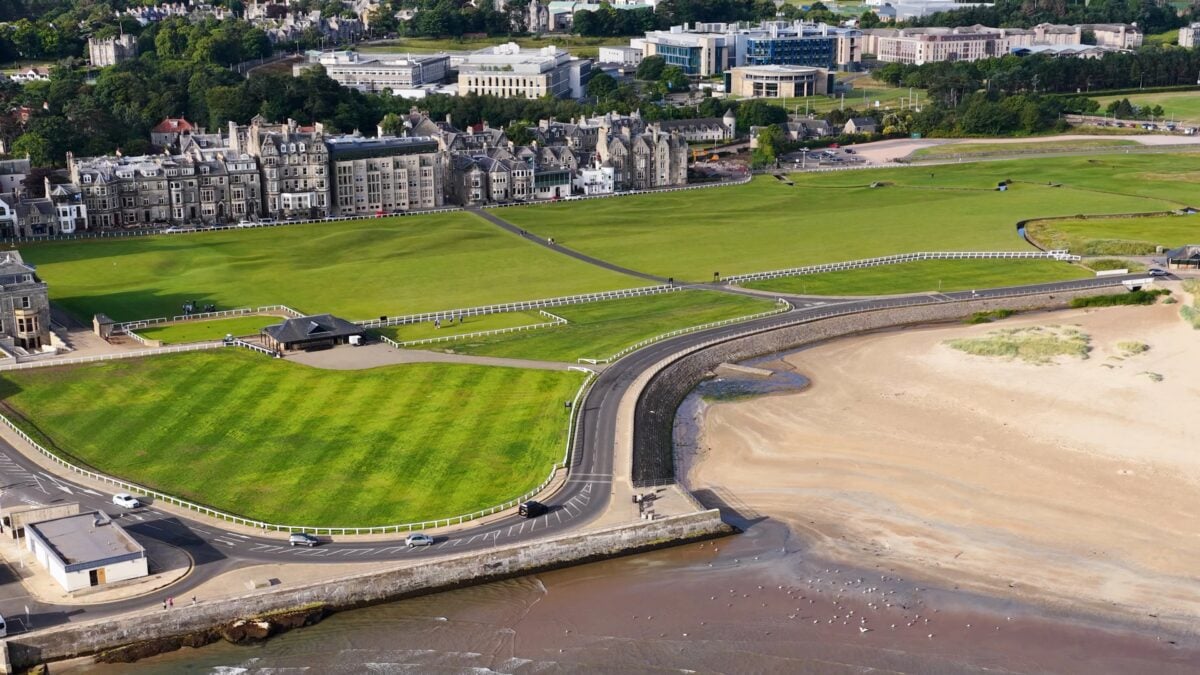
Scotland’s landscape influences nearly every shot you play. Coastal links courses sit beside beaches, dunes and firm ground shaped naturally over thousands of years. Inland venues may weave through forests, open countryside, rolling farmland or heather-covered terrain.
Traditional links golf often rewards imagination more than raw distance. Firm turf can encourage players to run the ball towards the green, while slopes and contours may carry a low shot farther than expected. A perfectly respectable drive can also take one unfortunate bounce and disappear into rough that appears to have been waiting for it since the 15th century.
A strong sea breeze can turn a comfortable approach shot into a genuine challenge. The same hole may require a different club, trajectory and strategy from one day to the next, which helps explain why repeat visits rarely feel repetitive.
The weather also changes quickly. Calm sunshine at the first tee does not guarantee calm sunshine by the turn, particularly near exposed coastlines. Rather than allowing this to ruin the experience, most Scottish golfers regard changing conditions as part of the game.
If you plan a golfing holiday in Scotland, pack suitable golf clothes for changing conditions. A lightweight waterproof jacket and extra layers can make a significant difference when the weather shifts during a round.
It is also worth checking the official Met Office forecast for Scotland before travelling between regions. Conditions can vary considerably between the east coast, west coast, Highlands and central belt, even on the same day.

What to Pack for a Scottish Golf Trip
Packing for Scotland requires a little more thought than preparing for a week at a warm-weather resort. The aim is not to bring your entire wardrobe, but to carry enough flexible layers to remain comfortable when the temperature, wind and rain change during the round.
- A lightweight waterproof jacket that allows a full swing without restricting movement.
- Water-resistant trousers for exposed or particularly wet rounds.
- Several light layers that can be added or removed as conditions change.
- A warm hat and cap because wind and sunshine may appear during the same round.
- Comfortable waterproof golf shoes with reliable grip on damp ground.
- Spare socks and gloves stored in a waterproof section of the golf bag.
- A compact towel for drying grips, clubs and golf balls.
- Sun protection because Scottish sunshine still counts when it decides to appear.
Travellers bringing their own clubs should confirm airline baggage rules before arriving at the airport. Weight allowances, fees and equipment policies differ, and discovering that your golf bag counts as oversized luggage is not the ideal opening hole of the holiday.
Hiring clubs can be practical for visitors combining golf with a longer sightseeing trip. However, availability and equipment quality vary between venues, so reserve them when booking the tee time rather than assuming a suitable set will be waiting.
Scottish Golfing Traditions Still Matter
Many visitors appreciate Scotland’s golfing traditions because they feel genuine rather than staged for tourists. Clubhouses often welcome guests warmly, and conversations about the day’s play can continue long after the final putt drops.
You will also notice a strong respect for the etiquette of the game. Players are generally expected to maintain a reasonable pace, repair pitch marks, replace divots and remain aware of the groups around them. These customs help busy courses operate smoothly and create enjoyable rounds for members and visitors alike.
Dress codes vary. Some well-known venues retain traditional expectations, while smaller clubs may be more relaxed. Checking the club’s website before arriving avoids uncertainty and ensures nobody has to conduct a hurried trouser-based negotiation in the car park.
Taking part in local traditions can enhance the visit. Sharing a post-round meal or drink with members may lead to useful recommendations for nearby courses, restaurants and attractions that do not appear in standard itineraries.
Visitors should also remember that Scottish friendliness does not make every club informal. Arriving early, confirming local rules and treating staff, caddies and members respectfully will make the experience smoother from the first tee to the clubhouse.
A Scottish Golf Holiday Can Include Much More Than Golf
Scotland’s relatively compact geography makes it possible to combine courses with cities, coastal villages, mountain scenery and historic attractions. However, journeys can take longer than they appear on a map, particularly on rural roads where sheep, tractors and spectacular viewpoints occasionally interrupt the schedule.
The east coast works particularly well for golfers interested in St Andrews, Fife, Dundee and courses farther north. Edinburgh can be added at the beginning or end of the route, giving visitors access to restaurants, museums and nightlife before moving into smaller coastal communities.
Our guide to day trips from Edinburgh includes ideas for exploring beyond the city, while our one-day Edinburgh itinerary is useful for visitors with limited time between flights and tee times.
The west coast and Ayrshire provide another classic golfing region, with links courses, seaside towns and access to Glasgow. Visitors spending time in Scotland’s largest city can use our one-day Glasgow itinerary to explore its neighbourhoods, museums, architecture and food scene.
Golfers heading farther north can build a route through the Highlands, combining remote courses with castles, lochs and mountain scenery. These journeys are best treated as road trips rather than hurried transfers between tee times.
Our detailed Scotland road trip planner covers routes, driving advice, accommodation and practical planning. For travellers still deciding which area to explore, our collection of the best Scotland road trip routes compares itineraries through the Highlands, Cairngorms, Perthshire and southwest.
How to Plan a Better Golf Itinerary
A good Scottish golf itinerary needs enough structure to secure important tee times without becoming so rigid that one delayed round disrupts the entire holiday. Famous courses often require advance planning, while smaller clubs may provide greater flexibility.
Start by identifying one or two priority courses and build the route around them. Adding every famous venue within driving distance may look impressive on paper, but playing demanding links on consecutive days can become tiring, particularly when travel is added between rounds.
A balanced itinerary might include:
- One bucket-list championship course.
- Two or three traditional local or regional clubs.
- A rest day for sightseeing, food or a scenic drive.
- Enough time between regions to avoid rushing.
- At least one flexible afternoon in case the weather changes.
- A mixture of links and inland golf where possible.
Visitors should confirm handicap requirements before paying non-refundable deposits. Some prestigious courses require an official handicap certificate, while others accept a wider range of players or place fewer restrictions on visitor bookings.
Transport also deserves careful attention. A hire car provides flexibility for rural courses, but groups may prefer a driver or specialist golf transfer service when equipment, unfamiliar roads and post-round drinks are involved.
The national tourism organisation’s official VisitScotland golf guide provides regional inspiration and practical information for building a trip around the sport.
Scotland Rewards Golfers Who Look Beyond Famous Courses
The best-known courses deserve their reputations, but limiting a trip to headline venues can mean missing much of what makes Scottish golf special. Lesser-known clubs frequently offer dramatic scenery, thoughtful layouts and a welcoming atmosphere without the same demand or price.
Playing smaller courses also introduces visitors to different communities and landscapes. A remote nine-hole course beside the sea may not have hosted a major championship, yet it can produce the most memorable round of the holiday.
These clubs are particularly valuable for repeat visitors. A first trip may focus on St Andrews and other recognisable names, while later journeys can explore Ayrshire, the Borders, the Highlands, the islands or the quieter southwest.
Travellers willing to take this broader approach often enjoy a better balance between cost, challenge and atmosphere. They also reduce the pressure to treat every round like a once-in-a-lifetime performance, which is useful when the opening drive heads directly towards a patch of gorse.
Why Scotland Continues to Appeal to Golfers
Scotland appeals to golfers because it delivers a complete travel experience. Its courses are connected to the country’s history, communities and landscapes, while the surrounding towns and cities offer enough culture, food and sightseeing to satisfy visitors who do not intend to play every day.
The country also rewards repeat visits. One journey might focus on iconic east-coast links, while another could introduce you to Ayrshire, the Highlands or lesser-known venues offering outstanding value and character.
As your experience grows, so does your appreciation for the different styles of golf available across Scotland. A famous championship round may provide the headline memory, but an unexpected local course, post-round conversation or coastal drive can become just as important.
That is why Scotland remains more than a destination where golf happens to be available. It is a place where the sport, scenery and culture support one another, creating a holiday that remains interesting long after the final scorecard has been safely hidden from view.
