
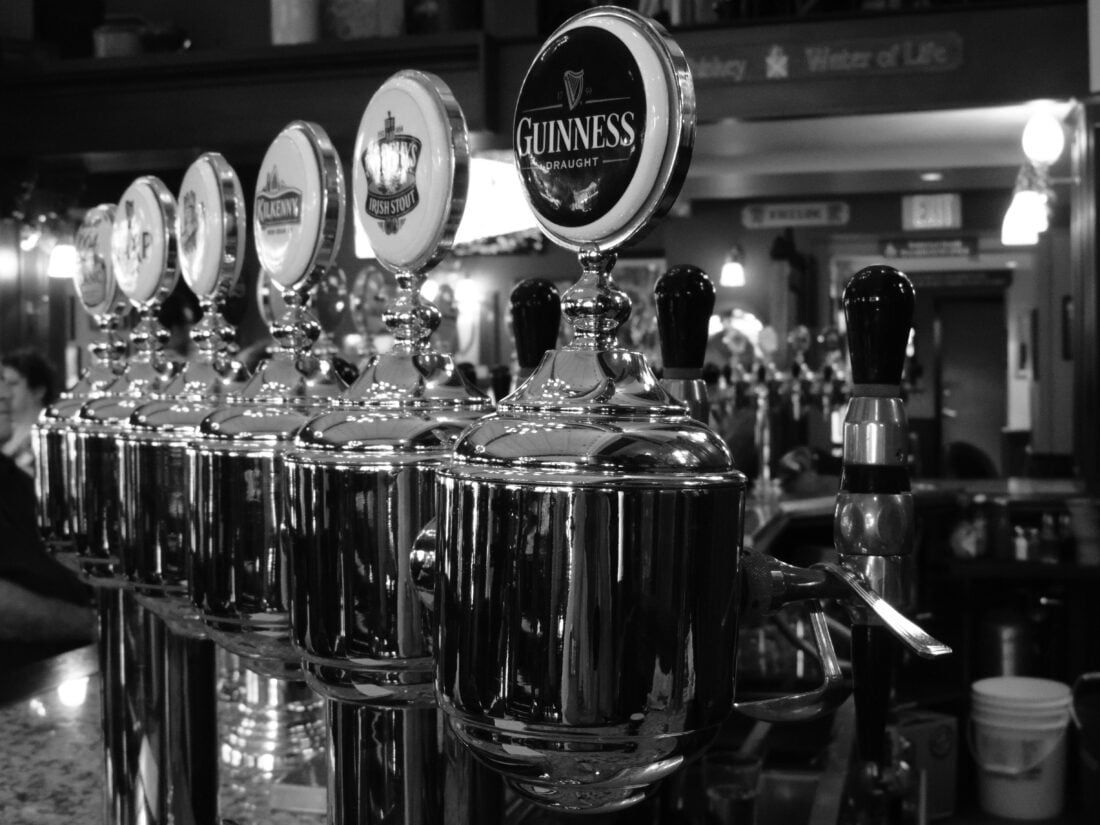
Guinness tastes better in Ireland because it is brewed at St. James’s Gate Brewery in Dublin, so Irish pubs serve the freshest possible product. Add rigorous line cleaning every 21 days, skilled two-part pours, correct serving temperature, and the atmosphere of Irish pub culture, and the gap between a pint in Dublin and one abroad becomes real. If you’re planning a trip around all of this (and honestly, a pint is reason enough), you might want to check out this 5-day Ireland itinerary covering the Ancient East for a solid route that takes in more than just Dublin.
Freshness: The Biggest Factor
Guinness Draught Stout is brewed at St. James’s Gate Brewery in Dublin, which has produced the beer since 1759. The closer a pub is to the source, the less time passes between brewing and drinking.
Christopher McClellan, former Brewery Ambassador for the Guinness Brewery and founder of The Brew Enthusiast, puts it plainly: “Think of beer like bread. It’s always going to be better fresh.”
The freshest pint exists right at the end of the brewing cycle. In Ireland, high Guinness consumption means kegs turn over constantly, so you are far more likely to get a pint from a recently tapped keg. In countries where Guinness is less popular, a keg can sit longer before it is finished. Turns out, sheer demand is one of the best quality control mechanisms there is.
Exported Guinness faces additional risks. As Ethan Fixell notes, beer shipped overseas “may be exposed to variables such as light, temperature fluctuations or intense vibration, all of which degrade beer ingredients and can make it taste worse.” Guinness is less vulnerable than hop-forward styles like IPAs because it is a dry Irish stout with a longer freshness window, but the risks are not zero.
There are 18 Guinness breweries worldwide, but the St. James’s Gate Brewery sets the standard and is the source for beer served in the United States.
Line Cleaning: The Factor Most People Miss
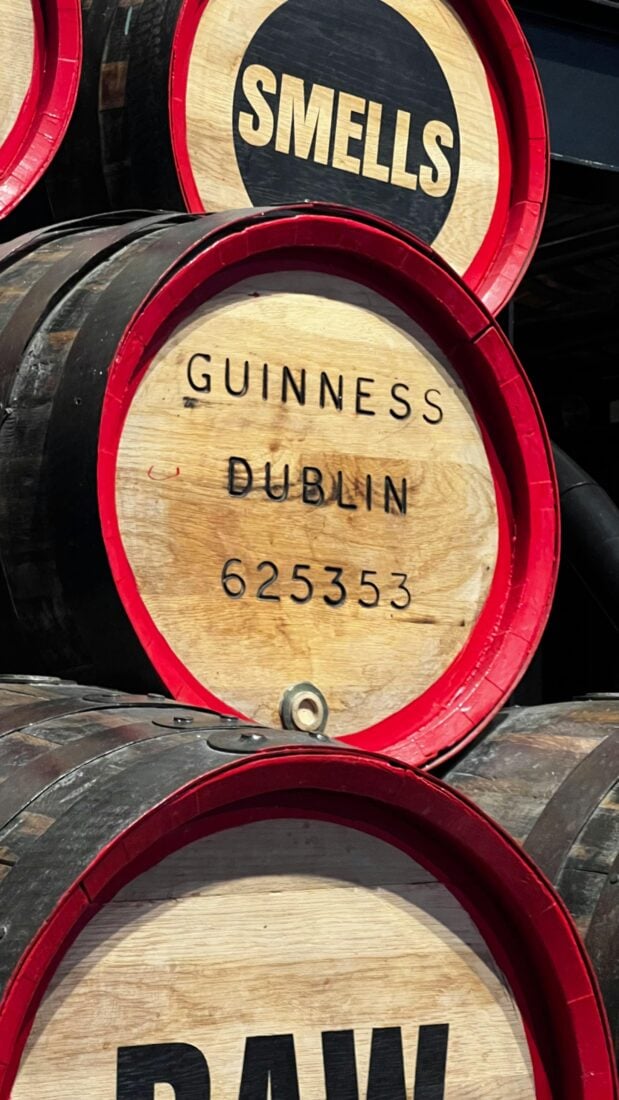
Irish pubs that serve Guinness have a formal relationship with the brand. Part of that arrangement is a Guinness representative visiting every 21 days to flush the tap lines. This was confirmed directly by a Guinness rep observed performing line cleaning at Dublin Airport by writer Jon Udell, who asked how often the visits happen and received the answer: “Every twenty-one days.”
Pub owners are expected to clean lines themselves between visits, but not all do. The scheduled representative visits act as a quality backstop. In countries like the United States, Guinness quality control teams exist but visits are less frequent, and many retailers do not maintain draught systems to the same standard. This is honestly one of those unsexy details that makes a massive difference, and it’s the one most people overlook when debating why the pint “just hits different” in Ireland.
Shorter beer lines, common in smaller Irish pubs, also help. Less distance between keg and tap means the beer reaches the glass faster and with fewer opportunities for quality to drop.

We earn a commission if you buy through this link, at no extra cost to you.
The Two-Part Pour
Zach Mack, a Certified Cicerone, is direct on this point: “It’s safe to say most people who think pints of Guinness poured in Ireland taste better boils down to improper pours.”
The correct technique involves:
- Tilt a clean, dry glass to 45 degrees
- Pour until the glass is roughly three-quarters full, with the nozzle just below the liquid surface
- Allow the pint to rest and settle
- Top it off vertically to create the characteristic domed head
This two-part process produces the right ratio of beer to head and the smooth, creamy texture Guinness is known for. Irish bartenders train for this. In pubs outside Ireland, the pour is more likely to be rushed or done in a single pass, which affects both texture and flavour.
Guinness gets its thick, creamy head from a nitrogen and carbon dioxide mix. The pour technique directly influences how that gas behaves in the glass.
Temperature and Glass Standards
Irish pubs monitor serving temperature carefully. Guinness should be served between 41 and 44 degrees Fahrenheit, and Irish pubs treat this as a baseline requirement rather than an optional extra. The glass also matters: a clean, dry glass is essential, and Guinness quality teams check this during their visits. Not gonna lie, it sounds fussy, but try a pint from a warm, wet glass and you’ll understand why it’s non-negotiable.
Pub Atmosphere and the Psychology of Taste
Context affects how we perceive flavour, and this is not just anecdote. The atmosphere of an Irish pub, the traditional setting, the social environment, all contribute to how a pint registers. McClellan states it plainly: “Ambience cannot be ignored with a beer like Guinness.”
One comparison from Tasting Table captures it well: drinking Guinness in Ireland is like eating pasta in Italy. Even if you have had a technically better version elsewhere, your brain recognises you are in the right place, and that shapes the experience. It’s worth noting that even the weather plays a role here. Ireland in April sits around 48°F with overcast skies and thick humidity (as of April 2026), which is basically the exact kind of grey, damp afternoon that makes a warm pub with a perfect pint feel like a religious experience.
The Guinness Storehouse in Dublin is frequently cited as a place where visitors describe the best pint they have ever had. The combination of location, fresh product, correct pour, and the significance of the setting creates something that is genuinely hard to replicate.
Can You Get a Good Pint Outside Ireland?
Yes, but it requires the right pub. The key variables are the same wherever you are:
- High Guinness turnover so kegs stay fresh
- Regular line cleaning by staff who take it seriously
- Correct pour technique from trained bar staff
- Proper serving temperature and clean glassware
Pubs in the UK that invest specifically in Guinness infrastructure, such as The Devonshire in London, can serve a high-quality pint. Mulligans in Manchester and Sheephaven Bay in London are also cited as examples of UK pubs that get it right. The difference is that in Ireland, these standards are the norm rather than the exception.
What the Science Says
Researchers from the Institute of Food Technologists conducted a study across 71 pubs in multiple countries, involving 103 participants. Ireland scored highest for Guinness enjoyment by a significant margin. The study acknowledges that confirmation bias may play a role, since drinkers expect Guinness to taste better in its home country, but the result held up regardless.
The scientific finding aligns with the practical reasons: freshness, line care, and pour quality are measurably better in Ireland on average, and those differences show up in how the beer tastes. If you’re building a broader trip around Ireland’s Ancient East, you’ll have plenty of chances to test this theory across different counties and pub styles.
Key Reasons Guinness Tastes Better in Ireland: Summary
| Factor | Why It Matters in Ireland |
|---|---|
| Freshness | Brewed at St. James’s Gate; high turnover keeps kegs fresh |
| Line cleaning | Guinness reps visit every 21 days; lines are flushed regularly |
| Shorter beer lines | Less distance from keg to tap in smaller Irish pubs |
| Pour technique | Two-part pour is standard practice among Irish bartenders |
| Serving temperature | Maintained at 41-44F as a baseline, not an afterthought |
| Clean glassware | Checked by quality teams during regular visits |
| Atmosphere | Irish pub culture enhances perceived taste |
Frequently Asked Questions
Is Guinness actually better in Ireland or is it just a myth?
It is not a myth. Researchers from the Institute of Food Technologists studied Guinness enjoyment across 71 pubs in multiple countries and found Ireland scored highest by a clear margin. Practical factors like freshness, line maintenance, and pour technique all support the result.
Why does Guinness taste different in the USA?
Exported Guinness can be exposed to light, temperature changes, and vibration during shipping. Draught system maintenance in US bars is less consistent, Guinness quality control visits are less frequent, and high-volume turnover of kegs is less common outside Ireland.
Does the pouring technique really affect the taste?
Yes. The two-part pour at a 45-degree angle, followed by a rest period before topping off, produces the correct nitrogen-carbon dioxide balance and creamy head. Skipping the rest or pouring in one go changes the texture and the ratio of beer to foam noticeably.
Can you get a good pint of Guinness outside Ireland?
You can, if the pub has high Guinness turnover, cleans its lines regularly, uses correct pour technique, and serves at the right temperature. Some UK pubs, including The Devonshire in London and Mulligans in Manchester, are cited as examples that meet this standard.
