
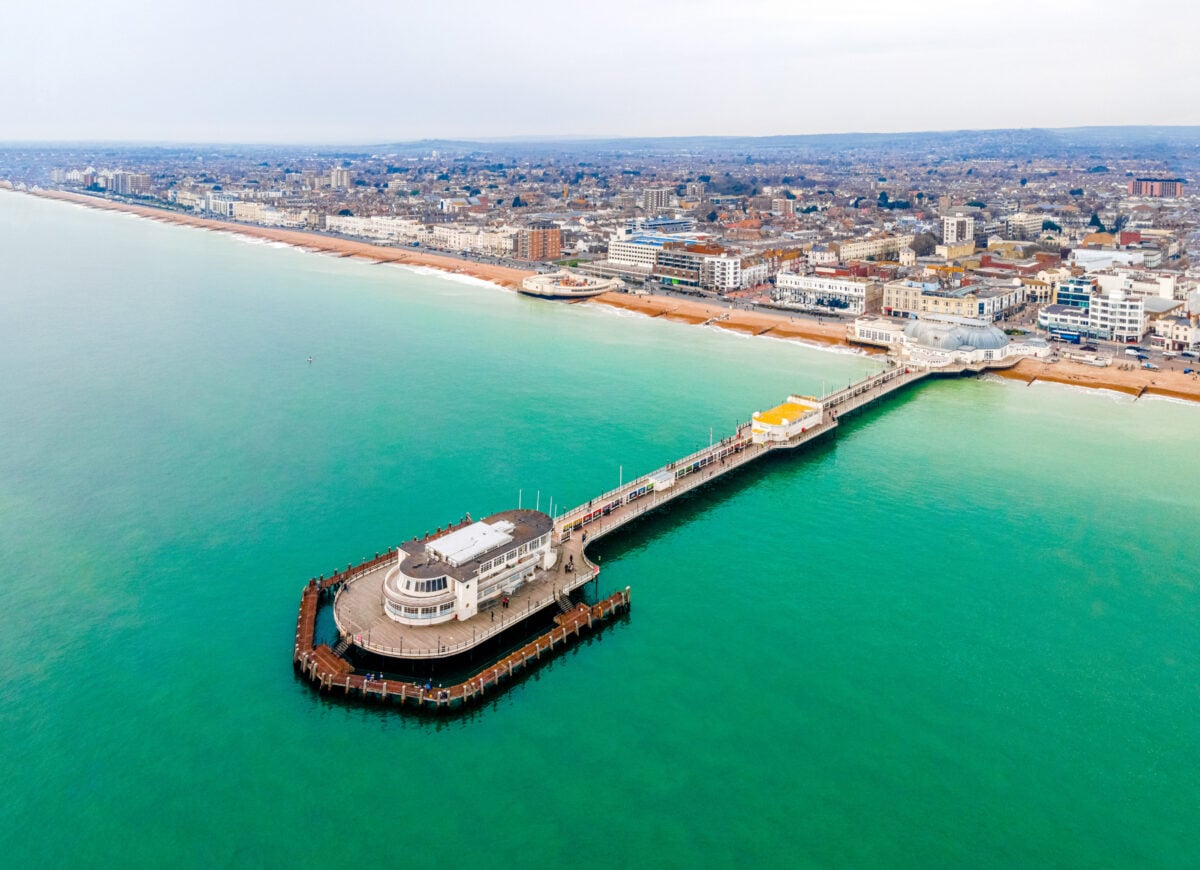
Picking a base in Worthing often starts with a single question: do you want immediate seafront access or quieter residential streets with better parking? Visitors come for the beach, the arts venues and short train links to Brighton and Gatwick; choosing the right neighbourhood sets realistic expectations for walking times, noise and cost. This guide explains what each part of Worthing feels like, how long it will take to get where you want to go, what typical costs look like, and which neighbourhood suits your travel style so you can book smart.
Quick mapping of Worthing neighbourhoods
Worthing is compact, but neighbourhood character changes block by block. The main choices are the seafront and pier for beachfront access and attractions, the town centre for nightlife and shopping, the rail corridor and nearby side streets for budget stays, and quieter residential suburbs to the north and west for families and longer stays. Transport links concentrate around Worthing station and the main bus routes that run along the seafront and up to neighbouring towns.
When planning, factor in travel times: walking from the pier area to the train station is typically under 15 minutes, but a south-to-north cross-town trip can take 25 to 35 minutes on foot. Seasonal crowd levels spike in July and August, so expect higher costs and busier promenades then.
Best area for first-time visitors: Seafront and Pier stretch
This area gives immediate access to the beach, promenade cafés, the pier and the main arts venues. Atmosphere is lively during daytime and family-friendly in the early evening, with a mix of guesthouses, seaside apartments and small hotels. Walkability is strong: most central attractions, fish and chip shops and the theatre are within a 5–20 minute walk.
Transport access is straightforward: local buses run frequently along the seafront and Worthing station is a short walk inland, providing direct trains to Brighton and connections to London. Expect higher nightly price levels here compared with residential areas, and book early for summer weekends. Noise is the main trade-off; if you need quiet at night, target properties on streets that face inland rather than the promenade.
Who this suits
First-time visitors who want to be within walking distance of the beach and the main cultural hubs, those on short stays who prefer to walk to restaurants and attractions rather than use buses.
Best budget area: Rail corridor and side streets
Stay near the rail line and adjacent residential streets to find the best value. Accommodation styles here include small guesthouses, budget B&Bs and self-catering flats that trade proximity to the sea for lower prices. You still get quick access to Worthing station, with typical walks to the seafront of 10–20 minutes depending on the street.
This area is practical for day trips because of the rail link, but nightlife options are quieter and many late-night venues are a short bus or walk away. Expect lower price levels but check rooms for thin walls and basic amenities; read recent guest reviews and confirm cancellation or reservation requirements before booking. Honestly, some budget properties have had guests complain about heating in winter and occasional noise from the rail line, so those are worth asking about directly.
Trade-offs
Lower nightly rates, but less seaside view and, in some streets, limited parking. Noise near the rail line can be noticeable in a few locations.
Best nightlife area: Town centre and nearby streets
Worthing’s town centre concentrates pubs, bars and a handful of late-night restaurants. The atmosphere after dark is active but not metropolitan: expect small pubs, craft beer spots and occasional live music. For nightlife-seekers, choose accommodation on the edge of the high street to be within walking distance of venues while avoiding the busiest corner blocks.
Late-night transport is the key logistics point: regular buses run early evening, but after midnight services reduce. If arriving late or planning late nights, confirm taxi availability or check train schedules in advance. Use transportation options like verified taxi apps, and plan for modest extra costs for late journeys. Not gonna lie, getting a late-night taxi on weekends can be tricky, so it’s worth having a backup plan.
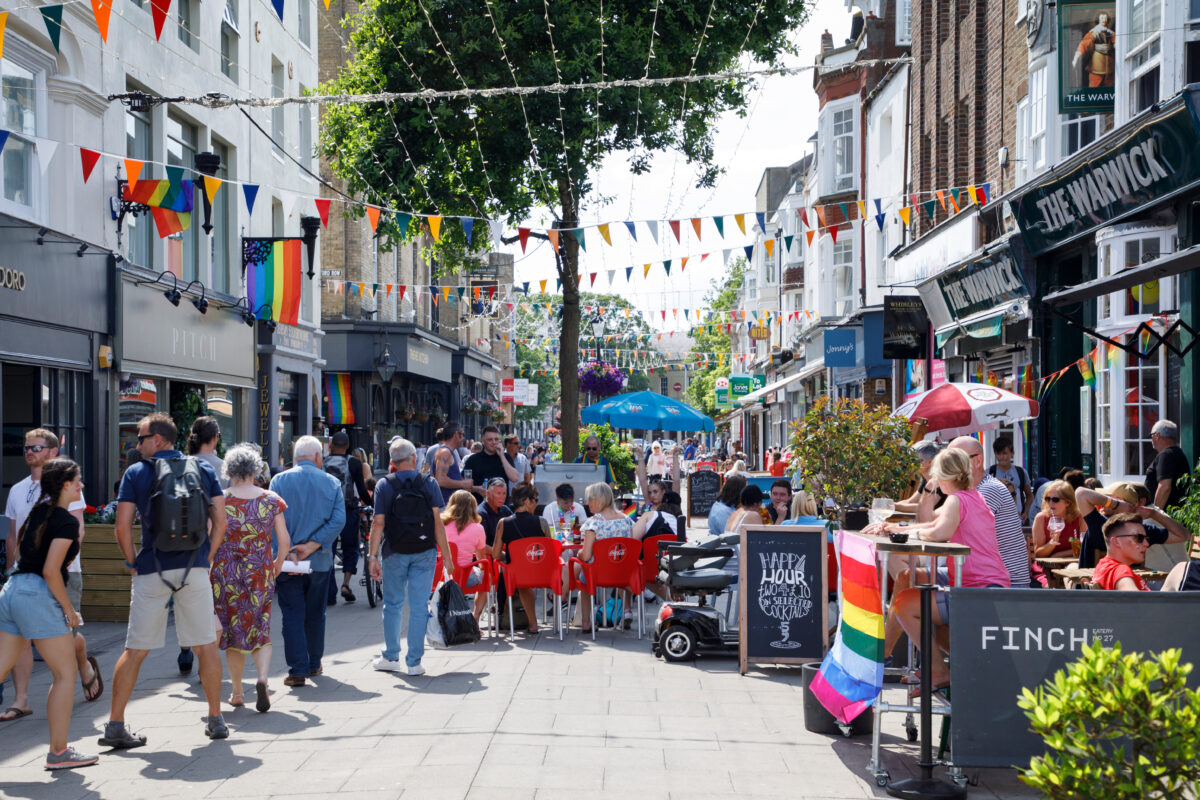
Editorial credit: Magdanatka / Shutterstock.com
Noise and safety
Street noise can affect rooms facing the high street; choose rooms with double glazing. The town centre is generally safe, but keep the usual late-night precautions: travel in groups, avoid poorly lit backstreets and confirm where licensed venues close.
Best family area: Quieter residential neighbourhoods and parks
Families will find more space and calmer evenings in the northern and western residential areas, where semi-detached houses, family-run B&Bs and self-catering cottages are common. These areas have local green spaces, children’s play parks and schools, which make day-to-day life easier for families on multi-night stays.
Expect longer walks to the seafront in some places, but bus routes connect residential zones to the town centre and promenade. Safety is generally higher in these neighbourhoods compared with the central high street, and properties often include private parking which helps with luggage and day trips. Confirm parking availability when you book, many family stays depend on it.
Practical tips for families
Look for self-catering kitchens and on-site laundry to reduce eating-out costs. Check proximity to parks and supermarkets for quick supplies.
Best food area: Chapel Road, High Street pockets and seafront cafés
Worthing’s food scene is concentrated in a few pockets: independent cafés and daytime bakeries along the seafront, a cluster of eateries and small restaurants around the High Street, and a stretch of cafés on Chapel Road. The vibe is casual coastal: seafood, café breakfasts and informal bistros dominate.
For food-focused stays, choose a base within easy walking distance of Chapel Road or the High Street; that keeps dinner options flexible and reduces transport costs. Markets and seasonal food events pop up in summer, so check the Worthing cultural pages for dates.
Expectations
Dining is informal and often seasonal; book for weekend evenings during summer or event weekends to avoid disappointment.
Comparison table: neighbourhoods at a glance
The table below summarizes atmosphere, transport access, safety, price levels and common accommodation styles for quick comparisons.
| Neighbourhood | Atmosphere | Transport access | Safety | Price level | Accommodation styles |
|---|---|---|---|---|---|
| Seafront & Pier | Busy daytime, tourist-focused | Walkable; frequent buses | Moderate; busy in summer | High | Seaside apartments, guesthouses |
| Town centre | Lively, nightlife | Excellent; central buses | Moderate; typical late-night precautions | Mid | Small hotels, B&Bs, apartments |
| Rail corridor & side streets | Residential, practical | Excellent rail link | Good; mixed streets | Low | Guesthouses, budget flats |
| Residential suburbs | Quiet, family-friendly | Good by bus; longer walks | High | Mid | Cottages, family flats |
| Food pockets | Café-focused, relaxed | Walkable from centre | Good | Mid | B&Bs, apartments |
Where to compare live rates
If you want to compare current availability and live rates for properties across Worthing neighbourhoods, use an interactive map to filter by area and dates. Disclosure: This section may contain affiliate links. If you book through the map below, we may earn a commission at no extra cost to you.
[rtb_stay22_map city=”Worthing” region=”England” country=”United Kingdom” venue=”Worthing” campaign=”twoscotsabroad_worthing_where_to_stay”]Traveler-type recommendation matrix
This quick matrix helps choose a neighbourhood based on travel style and priorities. Use walking times and transport links listed earlier when narrowing choices.
| Traveler type | Top neighbourhood choice | Why |
|---|---|---|
| First-time visitor | Seafront & Pier | Immediate access to main attractions, short walks to theatre and cafés |
| Budget traveler | Rail corridor & side streets | Lower nightly rates, quick train links for day trips |
| Nightlife-seeker | Town centre | Bars and late eateries within walking distance |
| Family | Residential suburbs | Space, parks and family-friendly accommodation |
| Food-focused traveler | Chapel Road / High Street pockets | Good daytime cafés and a variety of informal dining options |
Practical Travel Tips
- Book seafront or central rooms at least 6–8 weeks in advance for summer weekends; prices can spike for events.
- Check train times to and from Worthing station on National Rail before booking arrivals or day trips.
- If arriving via air, plan Gatwick connections and allow at least 90–120 minutes for transfer time using public transport; check Gatwick Airport for options.
- Confirm parking if staying in residential suburbs, many family stays rely on on-site or permit parking.
- For event weekends, verify cancellation and reservation requirements with the property, festival surcharges are common.
- Use the Worthing council pages for local guidance on waste collection, parking permits and temporary road closures: Adur & Worthing Councils.
- Plan late-night transport in advance; taxi ranks are limited and bus services reduce after 23:00.
- When comparing places, read recent guest reviews for noise and heating, two common practical issues in older seaside buildings.
Frequently Asked Questions
Which area in Worthing is best for first-time visitors?
The seafront and pier area is the best base for first-time visitors because it puts the promenade, theatre and main cafés within easy walking distance; expect higher nightly rates and more daytime crowds.
Is Worthing safe to stay in at night?
Worthing is generally safe, but standard precautions apply. The town centre can get busy late at night; avoid poorly lit side streets, travel in groups after late drinks, and confirm local safety guidance with the council.
Where should families stay in Worthing?
Families do well in the quieter residential suburbs to the north and west, where accommodation often includes more space, private parking and easy access to parks and supermarkets.
