
Some churches are the oldest surviving buildings. Others claim the oldest continuous congregation. A few were rebuilt after damage, while still preserving very early foundations and religious use. That means there is no single tidy answer, which is honestly very on brand for American history.
For travelers, the better question is this: which historic churches are both genuinely old and worth seeing in person? The places below stand out for age, architecture, and the stories they carry across centuries.
How to define the oldest churches in America
Before jumping into the list, it helps to separate three different ideas:
- Oldest surviving church building: the physical structure is the main point.
- Oldest church in continuous use: the building has continued to serve religious purposes over time.
- Oldest congregation: the faith community may be older than the present building.
That distinction matters. A congregation can be older than the church structure people visit today. Likewise, a chapel may contain very early walls but also later reconstruction. If you are planning a history-focused trip, that nuance is part of the fun, not a technicality.
A quick comparison of some of America’s oldest churches
| Church | Location | Approximate date | Why it matters |
|---|---|---|---|
| San José Church | Old San Juan, Puerto Rico | 1528 | Among the oldest church structures on U.S. soil |
| San Miguel Mission | Santa Fe, New Mexico | c. 1610 or 1626 | Widely cited as the oldest church in the continental United States |
| San Agustín de la Isleta Mission | Isleta, New Mexico | 1613 | Early mission church tied to Spanish colonial New Mexico |
| Jamestown Church Tower | Jamestown, Virginia | c. 1637 tower | Key surviving structure from early English America |
| Old Ship Church | Hingham, Massachusetts | 1681 | Oldest church building in continuous ecclesiastical use in the U.S. |
| St. Luke’s Church | Benns Church, Virginia | c. 1682 | One of the oldest surviving brick churches in British America |
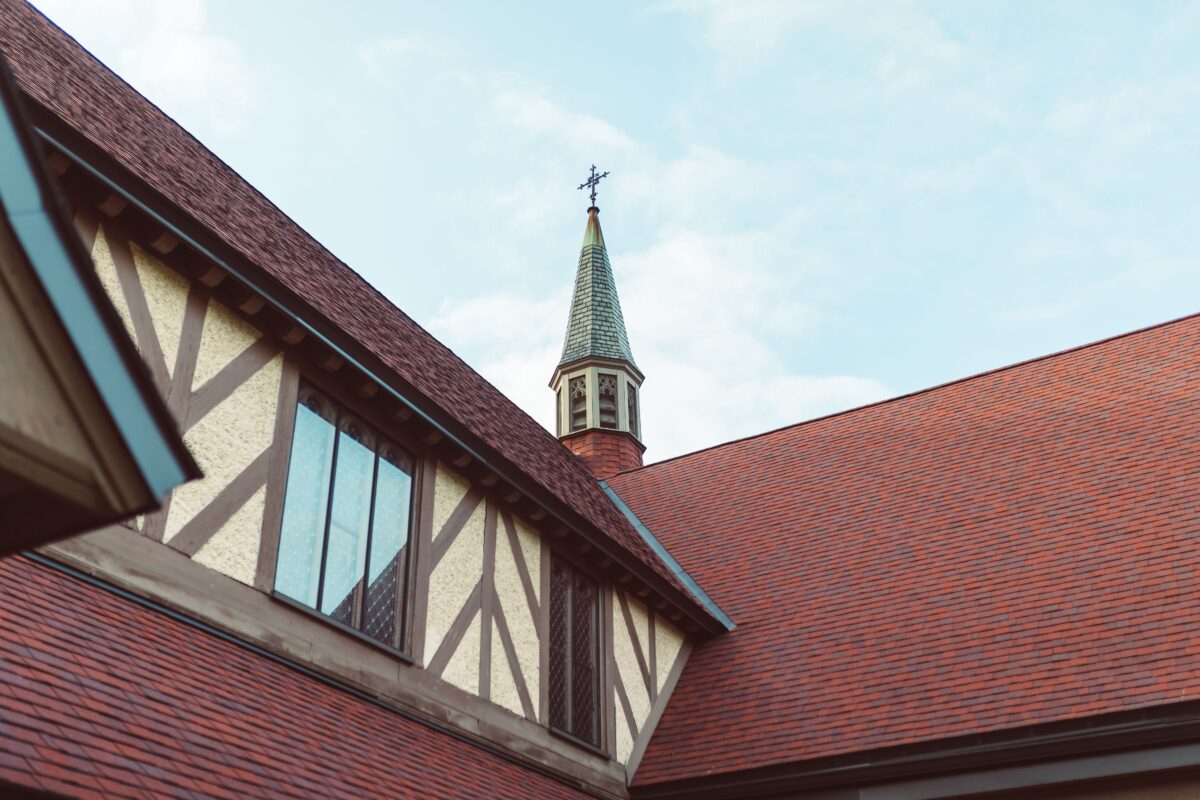
| Old Indian Meeting House | Mashpee, Massachusetts | 1684 | Oldest Native American church in the eastern United States |
| St. Mary’s Whitechapel | Lancaster, Virginia | 1699 | Important colonial Virginia parish church |
San José Church, Old San Juan, Puerto Rico
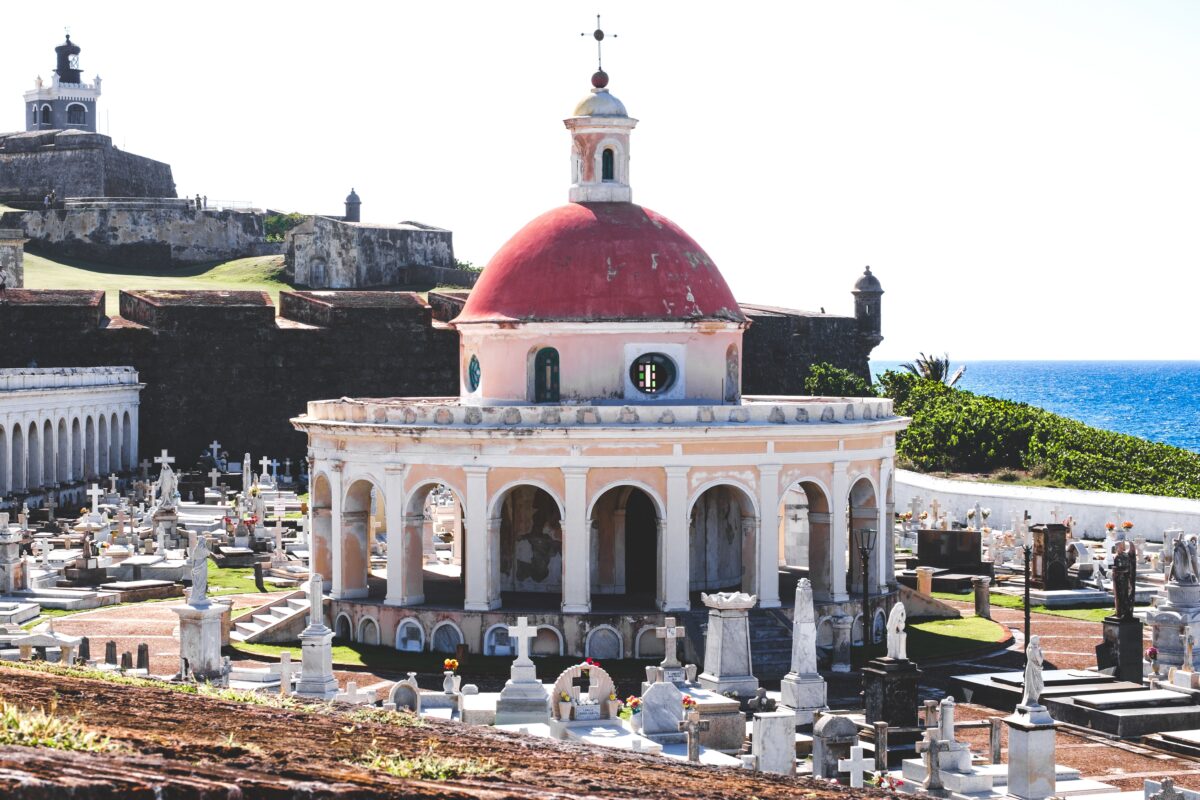
If you want the oldest church on present-day U.S. territory, San José Church belongs in the conversation. Located in Old San Juan, it dates to 1528, though additions and renovations followed over the centuries.
Why visit? Because Old San Juan already feels like an open-air history book, and San José Church adds a much deeper first chapter than many mainland travelers expect. It predates the United States by a long stretch and reflects Spain’s early Caribbean presence. It also sits within easy walking distance of the blue-stoned streets, plazas, and fortifications that make this part of San Juan so rewarding on foot.
Travel tip: Pair it with a walking day through the Old San Juan National Historic Landmark District. The church makes most sense as part of a wider historic route rather than a one-stop detour. If you are building a broader island itinerary, timing the rest of your Puerto Rico trip the way you would with a seasonal travel plan helps, since heat, rain, and cruise-ship crowds can change the feel of Old San Juan quite a bit.
Best time to visit: Morning is usually the most comfortable time for walking Old San Juan’s streets, especially if you plan to add other major sites in the district. Late winter and spring tend to be especially pleasant for sightseeing before midday heat starts bossing everyone around.
San Miguel Mission, Santa Fe, New Mexico
For the continental U.S., San Miguel Mission in Santa Fe is the name that comes up most often. Its origins are usually placed at about 1610 or 1626, and much of the structure was rebuilt in 1710. The original adobe walls and altar are central to its significance.
This is one of the most interesting examples of how the oldest-church question works in practice. It is ancient by American standards, but it is also a layered building shaped by damage, rebuilding, and centuries of use.
What makes it unique:
- Adobe construction tied to early Spanish colonial settlement in Santa Fe
- Association with Tlaxcalan Indian builders working under Spanish direction
- A place in both religious and regional history, not just architecture
Why it is worth visiting: Santa Fe is already one of the strongest history destinations in the country, and San Miguel Mission gives travelers a direct link to the city’s earliest colonial era. If you like old churches with polished marble and soaring Gothic lines, this is not that. If you like thick walls, long timelines, and the feeling that centuries have piled up in the room, it absolutely is. The modest scale is part of the appeal. It feels intimate rather than grand, which somehow makes the age hit harder.
Nearby experience: San Miguel Mission works well as part of a broader Santa Fe historic walk, especially in the older core of the city where early colonial and adobe architecture still defines the streetscape. Add the Plaza area, local museums, and a long lunch, and you have a very solid day that does not require heroic logistics or fancy footwear.
Best time to visit: Spring and fall are especially comfortable for walking Santa Fe, though the church is meaningful in any season. Summer brings festivals and bigger crowds, while winter can be quieter and beautifully crisp.
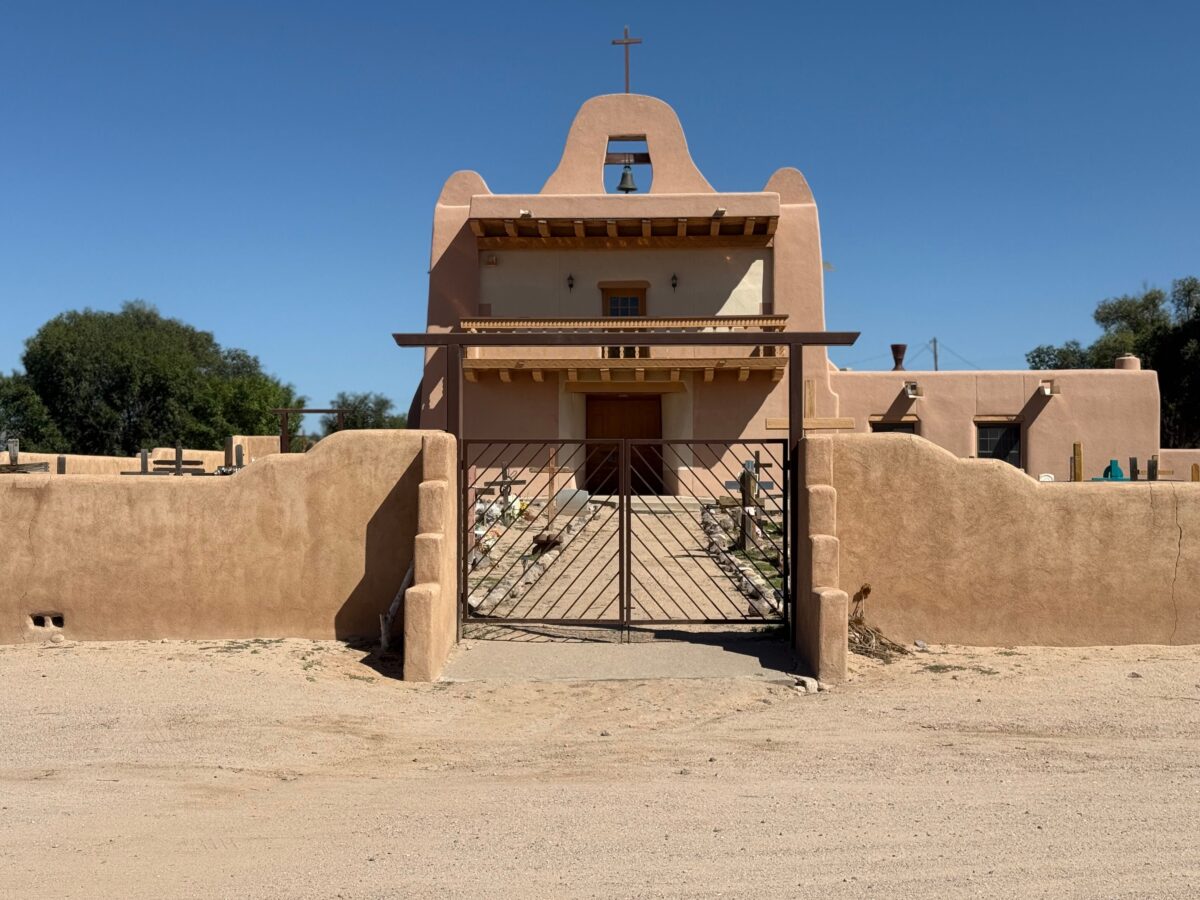
San Agustín de la Isleta Mission, Isleta, New Mexico
Founded in 1613, San Agustín de la Isleta Mission is another major early church in New Mexico. It does not get the same level of casual name recognition as San Miguel Mission, but it belongs in any serious answer to what are the oldest churches in America.
The church reflects the long history of missionization in the Southwest and the enduring importance of Pueblo communities in that story. That makes it historically important in ways that go beyond age alone. For travelers, it also adds welcome perspective. A trip focused only on the best-known sites can flatten the story, while Isleta reminds you how many layers of culture, faith, and conflict shaped the region.
Why visit:
- It broadens the story beyond the better-known East Coast colonial churches.
- It helps travelers understand how early Christianity in what is now the U.S. was not only an English colonial story.
- It places sacred architecture in a living community context.
Helpful tip: Treat visits to active religious sites with care and respect. Some historic churches are open broadly to visitors, while others are more limited because they remain important worship spaces for local communities. Check access in advance and keep expectations flexible. That is generally smarter travel anyway, right up there with knowing your baggage rules before you fly and not learning them at the gate the hard way, a bit like the headaches covered in this guide to avoiding surprise travel fees.
Jamestown Church Tower, Jamestown, Virginia
Virginia enters the conversation with the Jamestown Church Tower, usually dated to about 1637. It is the surviving piece most travelers associate with the early church at the original English settlement.
This is not a fully intact early church in the same way as some later sites, but it is still a powerful stop because of what it represents. Jamestown was central to the early English colonial story, and the church tower is one of the most recognizable reminders of that world.
What makes it worth your time:
- Deep historical context connected to the first permanent English settlement
- Easy pairing with a broader heritage visit in Jamestown
- Strong visual impact even for travelers who are not church-history obsessives yet
Best time to visit: Cooler months are more comfortable for long outdoor historical sites in coastal Virginia. Spring and fall are especially good if you want to explore at an unhurried pace instead of melting gently into the landscape.
Old Ship Church, Hingham, Massachusetts
Old Ship Church is a star in this category for one very specific reason. Built in 1681, it is widely recognized as the oldest church building in continuous ecclesiastical use in the United States. It is also the only surviving 17th-century Puritan meeting house in the country.
That is an impressive résumé for one timber-framed building.
The church is especially famous for its roof, which resembles an upside-down ship’s hull. Once you know that, you cannot unsee it. Colonial New England had a habit of making even its worship spaces look ready for weather and hard decisions.
Why travelers love it:
- It is unusually intact, with original frame and wall elements still noted as part of its significance.
- It tells a distinctly New England story, very different from Spanish mission churches in the Southwest.
- It remains an active congregation, which gives the building a sense of continuity that museums alone cannot fake.
Helpful tip: Combine Hingham with a broader South Shore or Boston-area history day. The church is especially appealing to travelers interested in colonial architecture and early Puritan life. If your trip leans into slower heritage travel, it fits naturally with the kind of old-school getaway rhythm described in these classic vacation ideas that still hold up.
St. Luke’s Church, Benns Church, Virginia
St. Luke’s Church, usually dated to about 1682, is one of the oldest surviving brick churches in the English colonial tradition. Some older dates appear in local lore, but the later 17th-century date is generally the safer one to use.
That matters because old churches attract myths the way old houses attract ghost stories. Sometimes both at once.
Why it stands out:
- Brick construction gives it a different look and feel from New England meeting houses or adobe missions.
- Its age is remarkable even within Virginia’s crowded colonial landscape.
- It offers a strong architectural contrast if you are building a church-history road trip.
Best for: Travelers who want to compare regional building traditions, not just tick off the oldest possible site. It is particularly rewarding if you have already seen Jamestown or Williamsburg and want a quieter stop with fewer crowds and a more contemplative feel.
Old Indian Meeting House, Mashpee, Massachusetts
The Old Indian Meeting House in Mashpee dates to 1684 and is recognized as the oldest Native American church in the eastern United States. It was built for the Mashpee Wampanoag community after conversion efforts by colonists.
Its history is not only religious. The site is also associated with the Mashpee Revolt, when tribal members and minister William Apess protested state intrusion and settler exploitation.
That gives this church a different texture from many entries on a typical oldest-church list. It is not just about endurance. It is also about Indigenous resistance, self-governance, and community identity.
Why it is worth visiting:
- It tells a Native American story often sidelined in colonial tourism.
- It connects church history with political history.
- It remains meaningful to the Mashpee Wampanoag Tribe.
Helpful tip: Read up before you go. The more you know about Mashpee history, the more significant the site becomes. This is a place where context changes everything, and a quick skim is not the same as understanding the stakes.
St. Mary’s Whitechapel, Lancaster, Virginia
Construction on St. Mary’s Whitechapel began in 1699, placing it among the important late 17th-century and early colonial churches still standing in the United States.
Its appeal is partly architectural and partly historical. The church has long-standing ties to Virginia’s colonial elite, and it is often noted for connections to figures in early American history.
Why add it to your list:
- It rounds out a Virginia church trail nicely.
- It represents Anglican colonial church building at a mature stage.
- It sits in a region rich with early American sites beyond the usual headline stops.
Best time to visit: Mild spring and fall weather makes Northern Neck sightseeing easier, especially if you are combining churches, historic homes, and waterfront drives. It works best for travelers willing to slow down and appreciate backroad history instead of racing between marquee sights.
So, what are the oldest churches in America?
If you want the shortest possible answer, here it is:
- San José Church in Old San Juan is among the oldest churches on U.S. territory, dating to 1528.
- San Miguel Mission in Santa Fe is widely treated as the oldest church in the continental United States.
- Old Ship Church in Hingham is the oldest church building in continuous ecclesiastical use in the nation.
If you want the better answer, it is that America’s oldest churches are not one neat list but a mix of Spanish colonial missions, Caribbean churches, Puritan meeting houses, Anglican parishes, and Native American worship sites. Together, they show how varied early American religious history really was.
Tips for planning an oldest-church trip
- Group churches by region. New Mexico, Virginia, Massachusetts, and Puerto Rico each tell very different stories.
- Check access before you go. Some churches remain active worship spaces, and visitor access can vary.
- Look beyond age alone. The most rewarding visits often come from understanding what each building says about the community that built it.
- Pair churches with nearby historic districts. Santa Fe, Old San Juan, Jamestown, and coastal Massachusetts all reward slow travel.
The best old churches do more than sit there looking venerable. They reveal migration, colonization, faith, conflict, adaptation, and survival. That is a lot to ask from a building, but the oldest churches in America have had plenty of time to work on their storytelling.