
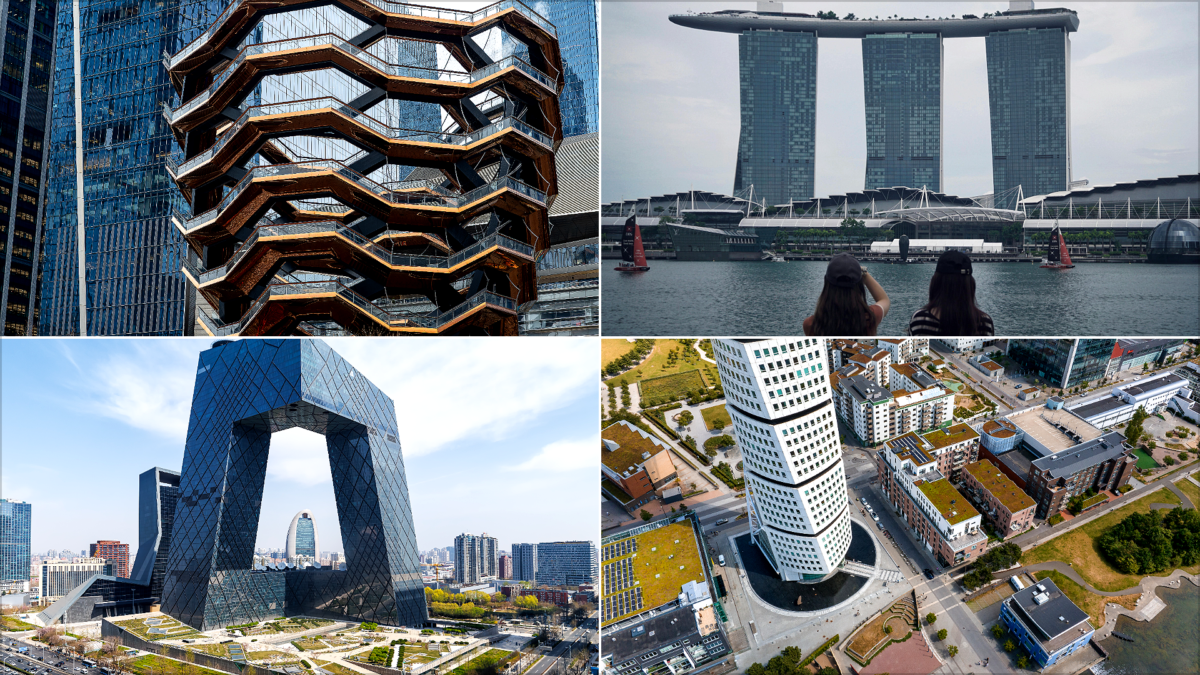
Buildings That Appear To Defy Gravity: why they fascinate travelers
Some buildings make you slow down before you even know why. They jut out over plazas, tilt at odd angles, stack like toys, or seem to hover on impossibly slim supports. Buildings that appear to defy gravity do exactly what good travel architecture should do: they make you look twice, then look again just to be sure.
Part of the appeal is obvious. These places are visually dramatic and a little mischievous, as if the architect wanted to have a quiet argument with physics. But they are also useful reminders that great design is not only about beauty. It is about engineering, context, and the very human urge to build something memorable.
If you like cities that reward wandering, these are the kinds of structures worth adding to your list. They are not just photo stops. Many are tied to major cultural districts, waterfront promenades, museum neighborhoods, or historic city centers, which makes them especially rewarding to visit on foot.
What makes a building look like it is defying gravity?
There is usually no actual magic involved, although a convincing case could be made for it. Buildings can seem weightless because of strong visual contrasts, daring cantilevers, reflective surfaces, hidden supports, or unusual angles that play tricks on the eye. Sometimes a structure really is balanced in a way that looks improbable from street level.
Travelers tend to notice a few recurring design features:
- Large overhangs that extend far beyond the base
- Skewed or leaning shapes that break the usual vertical line
- Mirrored glass that makes edges disappear into the sky
- Pilotis or raised sections that create the feeling of floating
- Stacked volumes that seem to slide past one another
That is the fun of it. A building can be technically sound and still leave people muttering, “That absolutely should not be working.”
Notable buildings that appear to defy gravity
Below are some well-known examples that many travelers seek out for their striking silhouettes and memorable settings. Each one is worth visiting for more than a quick glance, so it helps to plan a little time around them.
| Building | What makes it feel gravity-defying | Best time to visit | Helpful tip |
|---|---|---|---|
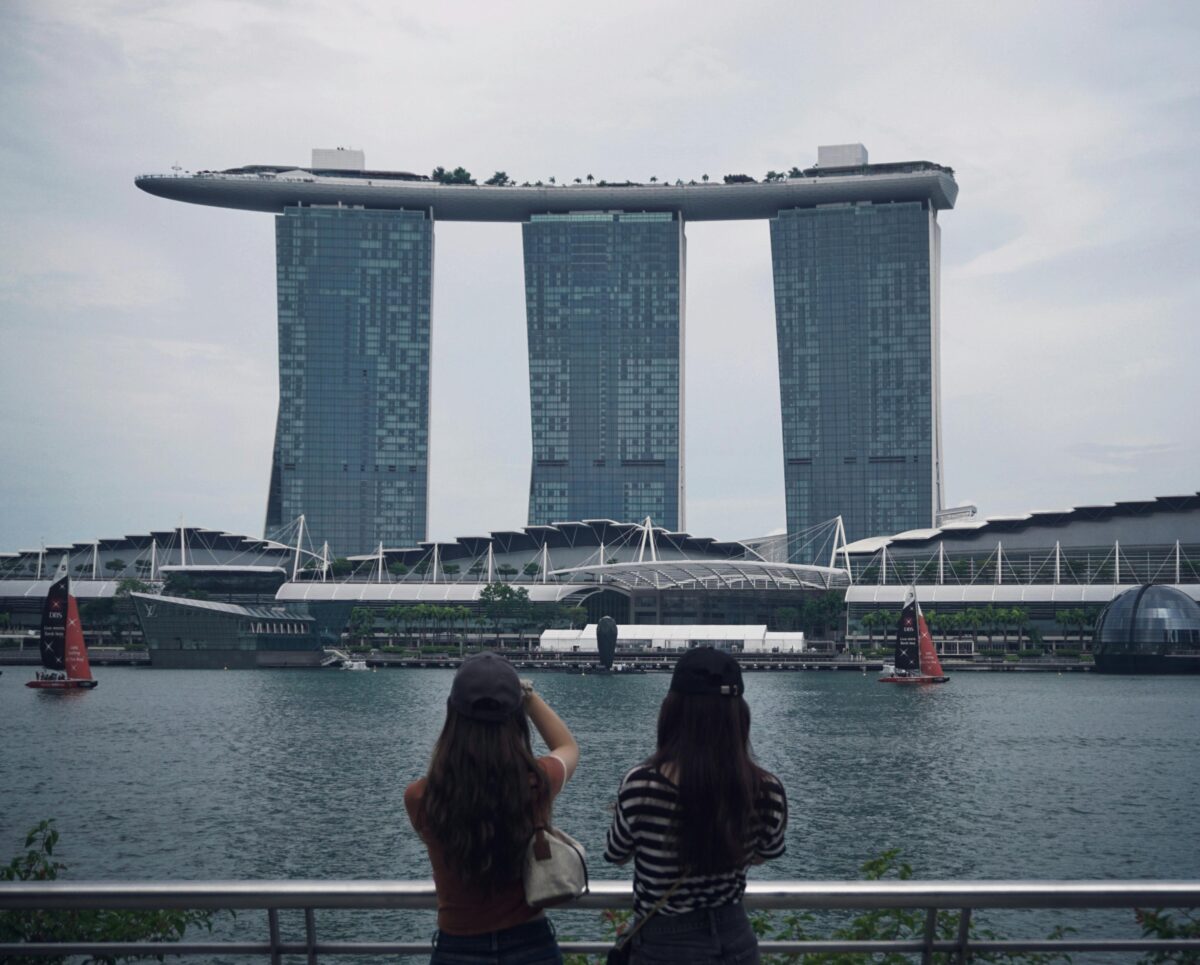
| Marina Bay Sands, Singapore | Its three towers support a sky park that looks like a ship balanced above the city | Late afternoon into evening | Head to a nearby promenade for a wide-angle view before sunset |
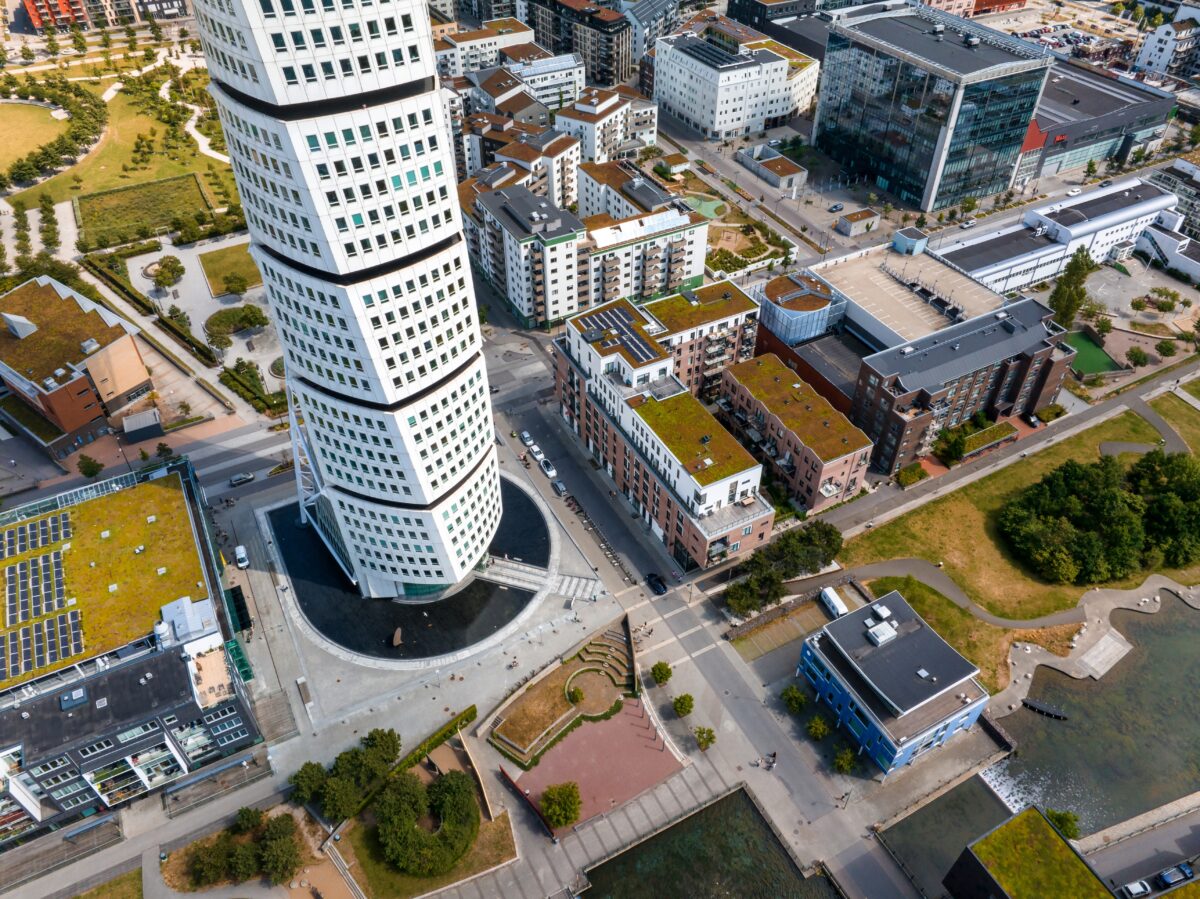
| Turning Torso, Malmö | The twisting form makes the tower look like it is rotating upward | Daylight for exterior viewing | Pair it with a waterfront walk for the best approach |
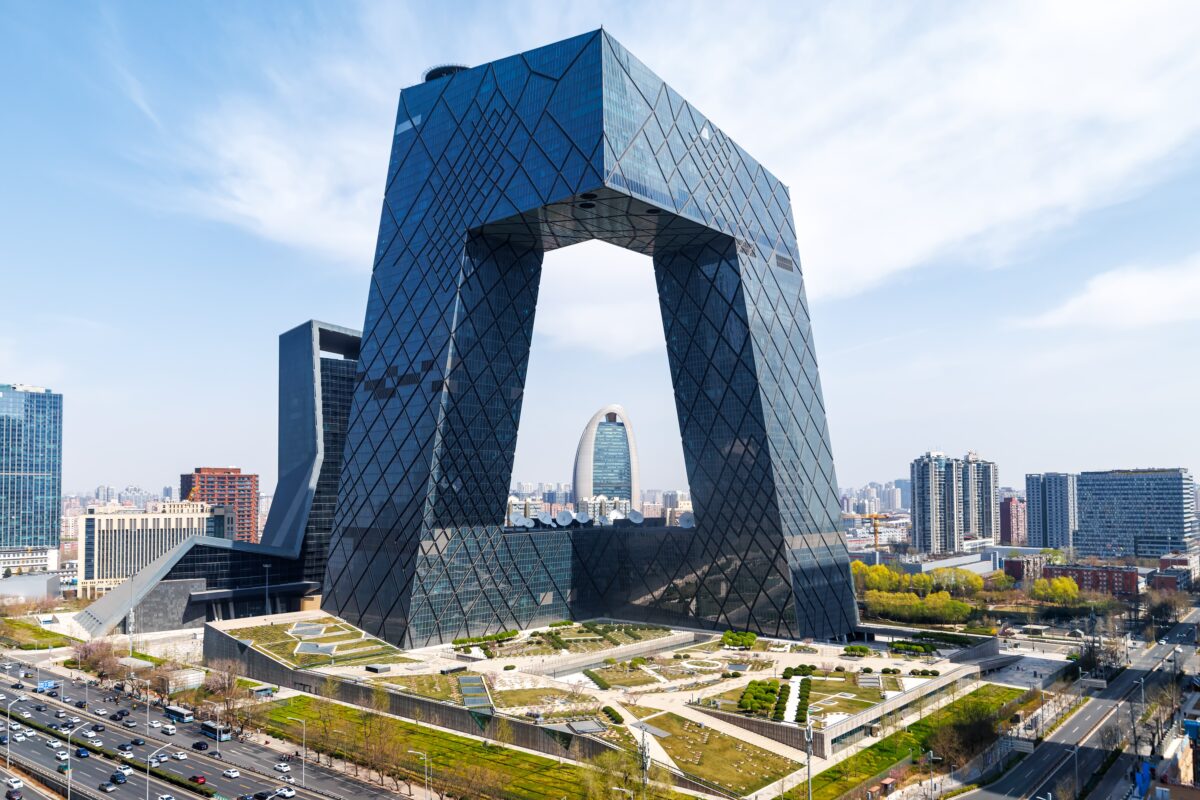
| CCTV Headquarters, Beijing | The angular loop gives the impression of a building folding back on itself | Clear weather and evening light | View it from a distance to appreciate the full shape |
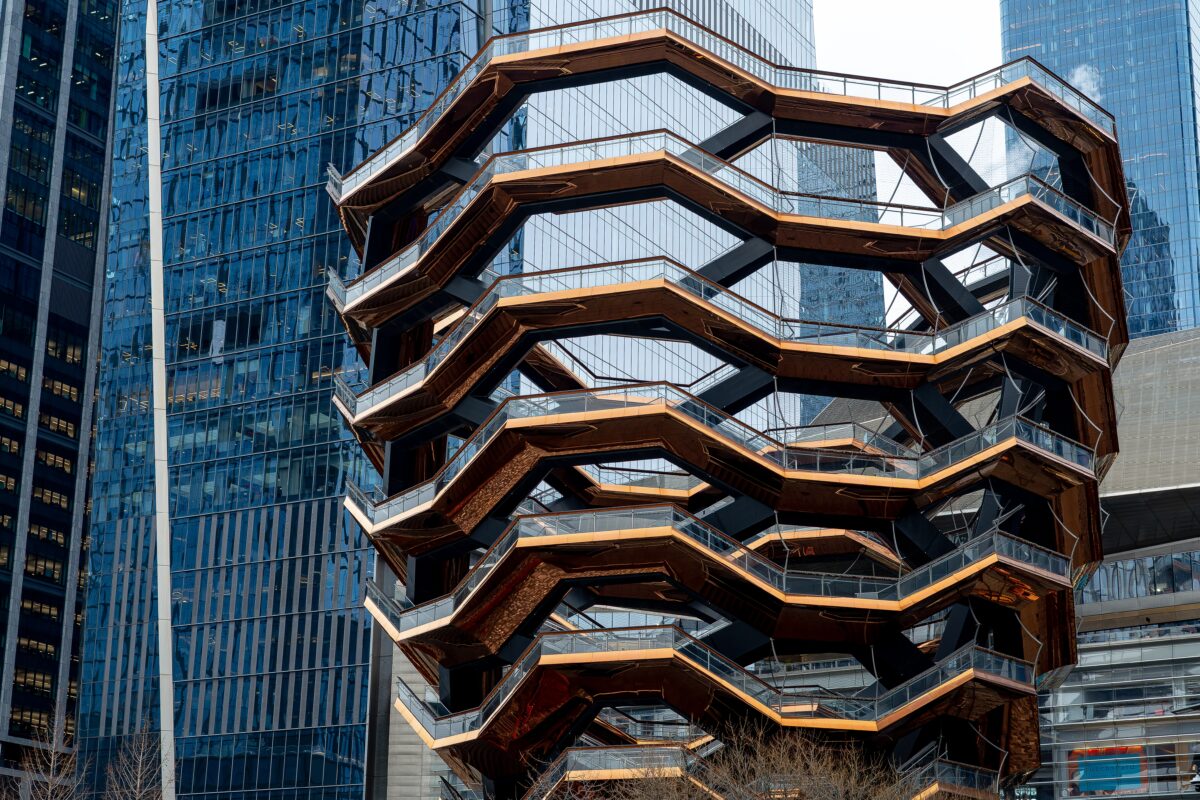
| The Vessel, New York City | The stacked staircase structure creates a light, almost sculptural presence | Morning or late afternoon | Combine it with the Hudson Yards area for an easy visit |
| Wonderworks, various locations | The upside-down facade makes the building look as if it landed the wrong way around | Daytime for a clear visual effect | Best enjoyed as a playful stop rather than a long visit |
Marina Bay Sands, Singapore
Marina Bay Sands is one of the easiest buildings to recognize from a skyline photo, and it earns that attention. The three towers appear to carry a vast platform above the city, which gives the whole complex a sleek, futuristic look. It is worth visiting not only for the architecture but also for the surrounding waterfront, where you can walk, eat, and watch the light change over the bay.
What makes it unique is the way the sky park visually links the towers into one dramatic shape. From certain angles, it looks improbably balanced, especially when seen against the open sky. The best time to visit is late afternoon, when the building softens in the light and the city starts to glow.
Helpful traveler tips:
- Walk the promenade for different perspectives before settling on a photo spot
- Stay a little after sunset for reflections and skyline views
- Plan time for the surrounding bay area, which is easy to enjoy on foot
Nearby experiences include Gardens by the Bay, the Helix Bridge, and the waterfront paths that connect the district. This is an area where the architecture keeps showing off, and honestly, it gets away with it.
Turning Torso, Malmö
Turning Torso looks like a building caught mid-twist, and that is exactly why people seek it out. Its sculptural form gives the impression that each level is gently rotating as it rises, which makes it one of the most distinctive towers in northern Europe. It is especially rewarding for travelers who enjoy modern design with a strong silhouette.
Its uniqueness comes from the way the structure changes shape as it climbs. Even people who are not usually into architecture tend to stop and stare, which is a pretty good sign. Visit during daylight so the twisted profile is easier to read, and bring a bit of patience if you want a clean photo from a distance.
Helpful traveler tips:
- Combine the visit with a waterfront walk for an easy half-day outing
- View it from multiple angles rather than only from directly below
- Use clear weather if you want the tower’s shape to stand out
Nearby attractions include Malmö’s harbor area and the wider Western Harbour district, which is a pleasant place to explore on foot. The tower feels even more dramatic when you see how open the surrounding area is.
CCTV Headquarters, Beijing
The CCTV Headquarters stands out because it refuses to behave like a normal tower. Instead of a single vertical line, the building loops and angles back on itself, creating a shape that looks like it has been folded in a giant’s hands. It is one of those structures that makes a city feel more adventurous simply by existing.
What makes it unique is its unusual form, which is easier to appreciate from a distance. Up close, the building can feel overwhelming in scale, so it pays to step back and take in the whole composition. The best time to visit is on a clear day or in the evening, when lights and sky create a strong outline.
Helpful traveler tips:
- Choose a viewing spot where the full loop is visible
- Leave time to explore the surrounding business district
- Night views can be especially striking when the building is lit
Nearby experiences often include modern city walks, public squares, and architecture spotting elsewhere in the district. This is one for travelers who enjoy buildings that look like they came from a very confident sketchbook.
The Vessel, New York City
The Vessel is less a building in the traditional sense and more a climbable structure that invites visitors to interact with architecture. Its stacked staircases and honeycomb-like frame create a surprisingly light visual effect, especially against the hard edges of surrounding towers. It looks almost temporary, which is part of the illusion.
Its appeal lies in the combination of design and experience. Even from street level, it has a sculptural quality that makes people stop and orient themselves. It is worth visiting as part of a broader walk through Hudson Yards, where the mix of public space and modern development gives the area a very different feel from older parts of the city.
Helpful traveler tips:
- Visit in the morning for softer light and fewer crowds
- Look for reflections from nearby glass buildings
- Pair the stop with the High Line for a more complete neighborhood walk
Nearby attractions include the High Line, Hudson Yards shops, and viewpoints over the West Side. It is a neat reminder that a building can be both a landmark and a bit of urban theater.
Wonderworks, various locations
Wonderworks takes the idea of a gravity-defying building and makes it delightfully obvious. The upside-down exterior gives it a playful, almost cartoon-like presence that is hard to ignore. It is not subtle, which is part of the charm.
Its uniqueness comes from the clear visual joke. The structure looks as if it dropped into place upside down and stayed there out of sheer stubbornness. It is best visited during the day, when the inverted form is easy to read and the effect is strongest from the street.
Helpful traveler tips:
- Go in daylight to appreciate the unusual orientation
- Expect it to be more playful than architectural homework
- Check the surrounding area for family-friendly attractions
Nearby experiences depend on the location, but these buildings are often placed in lively entertainment districts. That makes them easy to slot into a relaxed sightseeing day without much planning.
How to enjoy buildings that appear to defy gravity on a trip
These buildings are best experienced slowly. A quick glance gives you the gimmick, but a short walk around the block often reveals the real design work. The best views are rarely from the first place you stand. Angle, distance, and background all matter.
Useful travel tips for architecture lovers:
- Walk around the building before taking photos
- Check the view from nearby bridges, plazas, or waterfronts
- Visit at different times of day if the light changes the shape
- Look for surrounding public spaces, not just the building itself
- Bring a wide-angle lens if the structure is especially large
It also helps to pay attention to the neighborhood. The best gravity-defying buildings are often surrounded by walkable districts, museums, parks, or restaurants. That gives you more to do after you have finished pretending to understand structural engineering.
Why travelers keep seeking them out
Buildings that appear to defy gravity work because they mix spectacle with curiosity. They are memorable without needing a long explanation. You see them, you react, and then you start looking up their names, which is exactly the kind of chain reaction good travel design should trigger.
They also travel well across interests. Architecture fans appreciate the engineering. Casual visitors enjoy the visual surprise. Photographers like the angles. Families often enjoy the sense that a building has pulled a prank on the skyline.
If you are planning a city break and want one or two memorable landmarks that feel different from the usual grand monument or church tower, these are excellent choices. They are easy to build into a walking route, and they tend to deliver that satisfying travel moment where the real thing looks even stranger than the postcard.
Quick planning checklist
- Choose a viewpoint before you arrive if the building has a strong silhouette
- Allow extra time for surrounding streets and public spaces
- Visit in good light for exterior photography
- Check whether the area rewards sunrise, sunset, or night viewing
- Look for nearby cafes or parks so the stop feels part of a fuller outing
In the end, buildings that appear to defy gravity are a reminder that cities can still surprise us. They bend expectations, play with perspective, and turn an ordinary walk into a small architectural adventure.
