
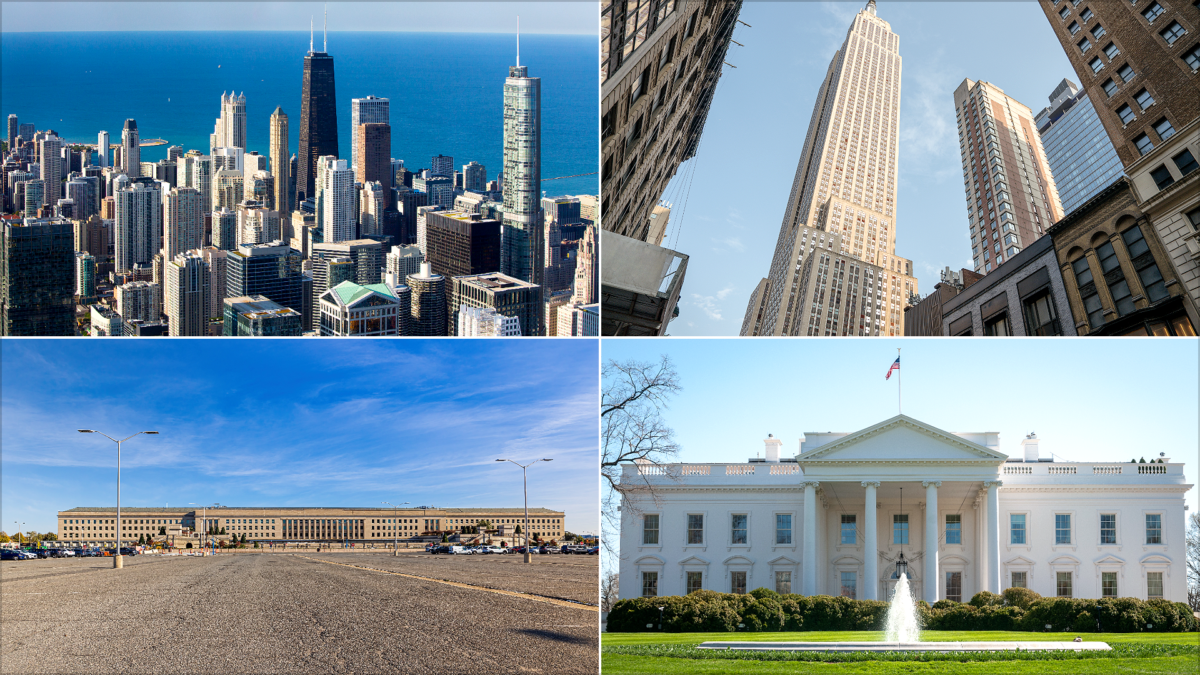
These 5 Famous U.S. Buildings Have Their Own ZIP Codes: Here’s Why
Some landmarks are so busy, so large, or so tied to everyday operations that a single street address is not quite enough. That is where a dedicated ZIP code can come in handy. The idea is practical rather than glamorous, but it does give certain famous buildings a nice little trivia flex.
For travelers, these addresses are more than mailroom oddities. They are a reminder that iconic places are still working buildings with staff, deliveries, security checks, and enough foot traffic to make standard postal routing a headache. Below, we look at five well-known U.S. buildings that have their own ZIP codes, plus what makes each one worth a visit.
Why a building gets its own ZIP code
ZIP codes are designed to help the postal system sort mail efficiently. In some cases, a landmark, campus, or major office building handles enough mail and activity to justify its own code. That can help route mail faster, reduce confusion, and keep massive buildings from being treated like just another stop on the block.
For travelers, the bigger takeaway is simple: if a building has its own ZIP code, it usually means it operates on a scale that goes well beyond a typical address.
- High mail volume
- Large staff or administrative operations
- Complex building layout or security procedures
- Heavy visitor and delivery traffic
At a glance
| Building | City | Why it stands out |
|---|---|---|
| The White House | Washington, D.C. | Seat of the U.S. president and one of the most recognized addresses in the country |
| The Pentagon | Arlington, Virginia | Huge defense headquarters with intense internal mail and logistics needs |
| Empire State Building | New York, New York | Major office and observation landmark with a long history of high-volume traffic |
| The Waldorf Astoria New York | New York, New York | Famous luxury hotel with a legacy of formal mail and guest services |
| Willis Tower | Chicago, Illinois | Large commercial tower with heavy business operations and visitor flow |
1. The White House, Washington, D.C.
The White House is probably the most famous address in the United States, so it makes sense that it has a postal setup of its own. It is worth visiting for obvious reasons: this is the symbolic center of the executive branch, and even from the outside it has a serious sense of occasion. You do not need to be a political junkie to appreciate the setting.
What makes it unique is not just the history, but the practical reality of running a major government residence and office. Security is tight, access is controlled, and the flow of mail and official communication is far more complex than a normal home address. That scale helps explain why it has long had a special ZIP code arrangement.
Best time to visit: Spring and fall usually offer the most comfortable walking weather in Washington, D.C., which matters when you are pairing the White House with other monuments and museums. Early mornings are often less hectic around the perimeter.
Helpful travel tips:
- View it as part of a broader National Mall visit rather than a standalone stop.
- Book any official tour arrangements well ahead if you are eligible, since access rules are strict.
- Bring patience. This is one of those places where the real experience is in the approach and the context.
Nearby experiences: The National Mall, the Washington Monument, the Smithsonian museums, and Lafayette Square are all easy additions to the same outing.
Official planning resource
For visit basics and permitted access, check the White House visitor information.

2. The Pentagon, Arlington, Virginia
The Pentagon is one of those buildings that feels almost too big to be real until you see it in person or from above. It is worth visiting for its sheer scale and its place in American history. Even if you are only viewing it from nearby, the building leaves an impression. It is enormous, angular, and very much built for business rather than beauty.
Its unique postal setup comes from the same thing that makes it so distinctive: size and function. The Pentagon is a working defense headquarters with a dense internal network of offices, staff, deliveries, and official correspondence. A dedicated ZIP code helps keep that machine moving.
Best time to visit: Late spring through early fall is generally best for comfortable sightseeing in the Arlington area. If you are planning to combine the visit with nearby memorials, aim for morning or late afternoon to avoid the harshest heat.
Helpful travel tips:
- Public access is limited and guided tours may require advance planning.
- Do not expect a casual wander-in experience. This is a high-security site.
- The Pentagon Memorial is a meaningful nearby stop for visitors interested in reflection and history.
Nearby experiences: The Pentagon Memorial, Arlington National Cemetery, and views across the Potomac make this part of the Washington area especially rewarding for history-focused travelers.
For tour and visitor details, use the official Pentagon tours website.

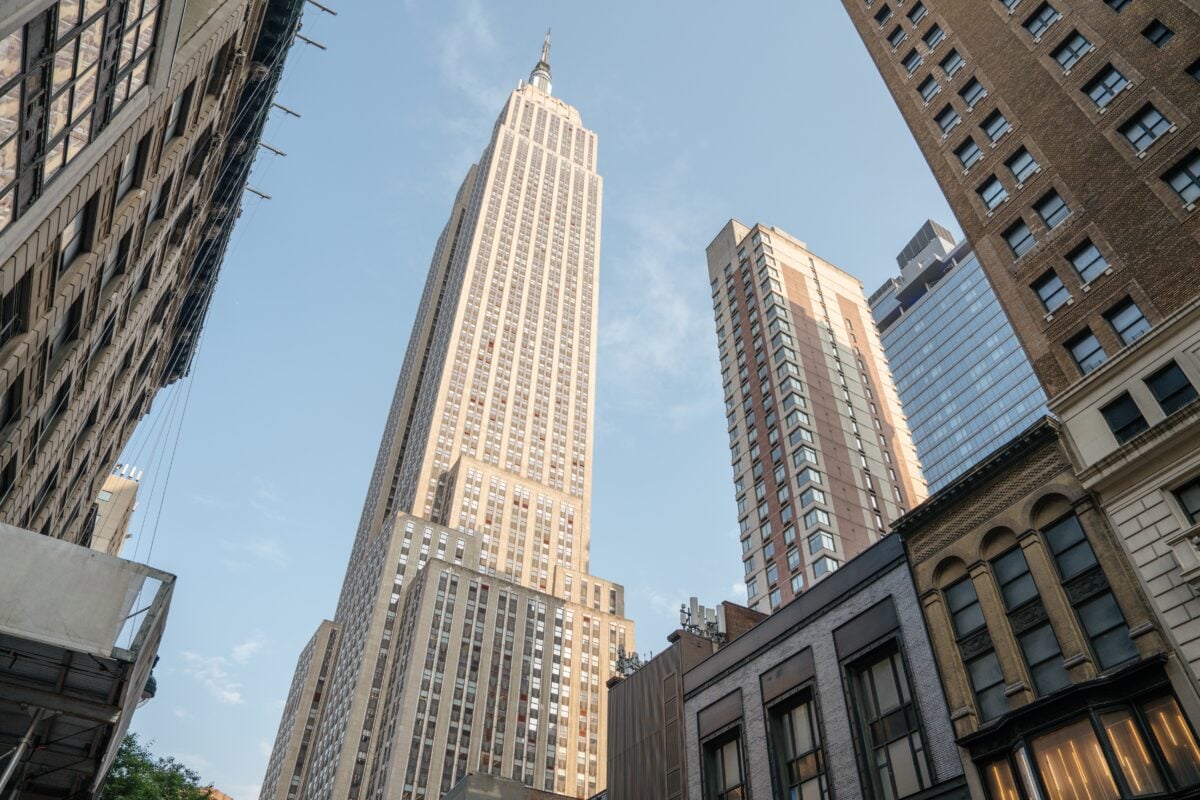
3. Empire State Building, New York, New York
The Empire State Building is one of the few skyscrapers that needs no introduction, but it still earns one. It is worth visiting for the views alone, and the building remains a classic New York landmark even among a skyline packed with competition. There is a reason people keep going back to it: it still feels like New York.
It also has practical reasons for having its own ZIP code. The building is a major office address, a tourist draw, and a logistical hub all at once. Add in dozens of floors, thousands of daily visitors, and a constant stream of services, and the postal system gets involved in a more specialized way than it would for a standard office block.
Best time to visit: Evening can be especially good if you want skyline views and city lights, while early morning is a smarter choice if you want a calmer visit. Clear days matter more than the calendar here, because visibility is the real prize.
Helpful travel tips:
- Buy timed-entry tickets if possible, especially during busy travel periods.
- Visit on a clear day for better views from the observation decks.
- Combine it with a walk through Midtown, Bryant Park, or the New York Public Library.
Nearby experiences: Herald Square, Bryant Park, the New York Public Library, and Grand Central Terminal are all easy additions.
See the Empire State Building official website for ticketing and visitor details.
4. Waldorf Astoria New York, New York, New York
The Waldorf Astoria New York has long been one of the city’s most storied hotels, and that status shows up in details both grand and practical. It is worth visiting for travelers who appreciate old-school hotel glamour, architectural presence, and a slice of New York hospitality history. Even if you are not staying there, it is one of those buildings that tells a story just by existing.
A dedicated ZIP code fits a hotel of this scale surprisingly well. Large luxury hotels handle a steady flow of guest mail, business correspondence, event logistics, and service deliveries. When a building has a reputation for hosting everyone from business travelers to gala crowds, the postal system benefits from a little extra precision.
Best time to visit: The hotel itself is a year-round stop, but the surrounding Midtown area is usually more pleasant in spring and fall. If you are there for dining, events, or a lobby visit, weekdays can feel less chaotic than peak weekend traffic.
Helpful travel tips:
- Plan ahead if you want to visit for dining or hospitality experiences rather than just a quick look.
- Dress smartly if you are heading in for a special occasion. The setting leans elegant, not casual.
- Use the location as a base for exploring nearby Park Avenue and Midtown landmarks.
Nearby experiences: Park Avenue, St. Patrick’s Cathedral, Rockefeller Center, and Grand Central are all within reach.
For current hotel and dining information, visit the Waldorf Astoria New York official site.
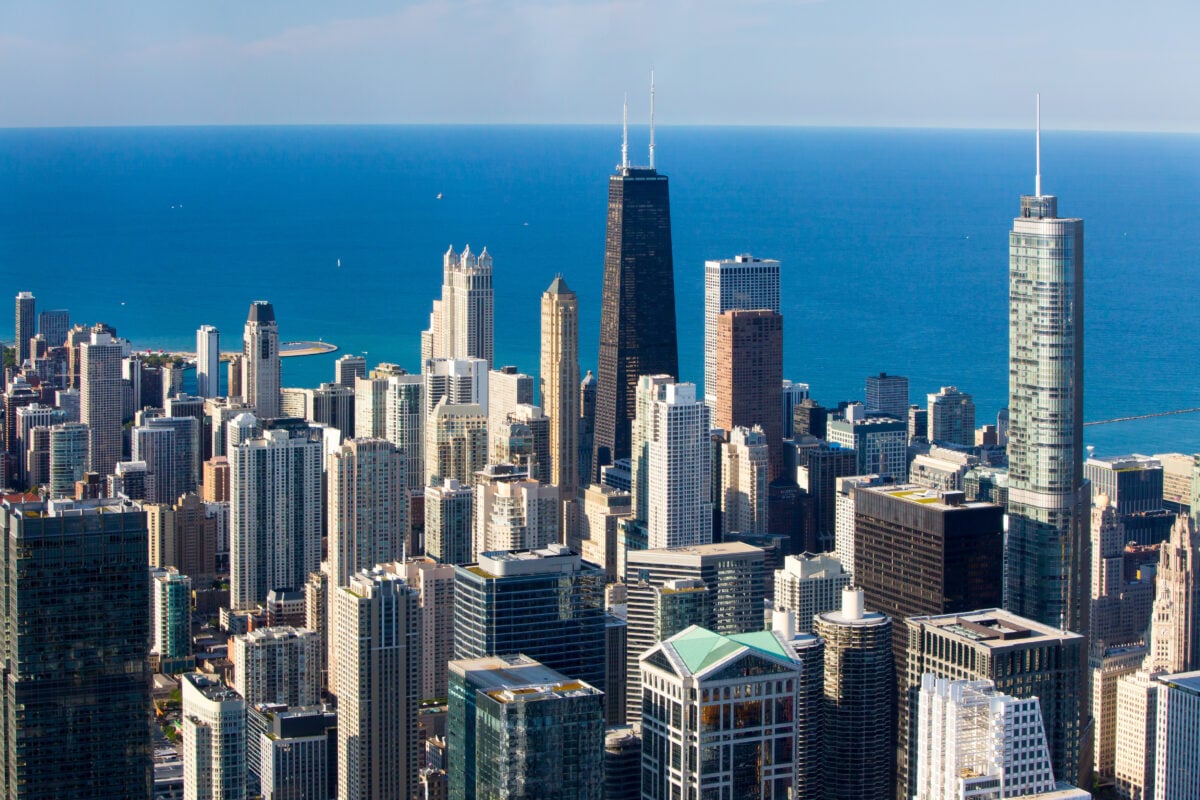
5. Willis Tower, Chicago, Illinois
Willis Tower, still known by many travelers as the Sears Tower, is one of Chicago’s defining skyscrapers. It is worth visiting for the views, the skyline drama, and the sheer confidence of standing inside a tower that once held the title of tallest building in the world. Chicago knows how to make an entrance, and this building does not whisper.
Its own ZIP code reflects the realities of a massive commercial tower with a large daily population of office workers, visitors, and building operations staff. The tower functions like a small vertical city, which is exactly the sort of place where mail needs a cleaner routing system than a standard street address can provide.
Best time to visit: Clear days are ideal for the observation deck, and late afternoon often gives you a nice mix of daylight and city glow. Winter can be crisp and photogenic, but visibility depends on the weather, not the calendar.
Helpful travel tips:
- Book observation deck tickets in advance if your schedule is tight.
- Build in time for downtown Chicago, not just the tower itself.
- Pair the visit with a riverwalk stroll or a meal nearby for a fuller day out.
Nearby experiences: The Chicago Riverwalk, the Loop, and several major museums are within easy reach depending on your pace and transport plans.
Check the Skydeck Chicago official website for visitor details.
What travelers can learn from these ZIP code oddities
On the surface, a building having its own ZIP code feels like the kind of fact you bring up at dinner when the conversation has stalled. But it actually reveals something useful about how major landmarks work. These places are not just photo stops. They are operating buildings with staff, services, security, and daily logistics that need a more tailored postal identity.
For travelers, that means a few things:
- Big landmarks often function like small cities.
- Administrative and visitor needs can be just as important as appearance.
- Special postal arrangements are usually a sign of scale, not novelty.
If you enjoy looking beyond the postcard view, these addresses are a nice reminder that famous buildings have to function in the real world. The glamour is front-facing. The ZIP code is backstage.
How to add these landmarks to a trip
If you are building a U.S. itinerary around architecture, history, or skyline views, these five places fit naturally into major city trips.
- Washington, D.C. for the White House and the Pentagon area
- New York City for the Empire State Building and Waldorf Astoria New York
- Chicago for Willis Tower and the surrounding downtown core
The best approach is to pair each landmark with nearby neighborhoods, museums, and public viewpoints. That way you get more than a quick look at the building itself. You get a sense of how it sits inside the city around it, which is usually where the fun starts.
And if a building has its own ZIP code? That is your clue that there is probably a lot happening behind those walls, even if the exterior only gives you a hint.
