Scottish last names that start with E include familiar surnames such as Elliott, Elliot, Ewing, Erskine, Edgar, Easton and Easson. Some are linked to Borders families and old Lowland place names, while others come through Gaelic, patronymic, or occupational traditions.
This guide is part of our Scottish Names collection. Browse our complete Scottish Names directory for A–Z first names, surnames, Gaelic names, meanings, and themed collections.
If you are building a family tree, naming a character, or just trying to work out whether your surname is actually Scottish, the short answer is this: an E surname can be Scottish, but the spelling, region, and older variations matter a lot.
Scotland’s surnames are a mix of Gaelic, Scots, Norse, Norman, and place-name influences. That is why two names that look similar on paper can come from very different parts of the country, and why one family line may appear under several spellings in old records. If you enjoy the wider cultural side of that mix, things associated with Scotland gives useful background beyond surnames alone.
Scottish Names Beginning With
Choose which type of Scottish name you would like to explore.
How Scottish Surnames Work
Before getting into the list, it helps to know why Scottish surnames can be tricky. Scotland has never had one single naming system. The Highlands and Islands leaned more heavily into Gaelic naming patterns, while the Lowlands and Borders often used territorial, occupational, and patronymic surnames.
You will also find that official records do not always settle things neatly. The National Records of Scotland publishes surname data from Scotland’s registers, and those lists show how spellings can split across forms that are clearly related. Elliott and Elliot are the obvious example here. Recent releases from National Records of Scotland still list surnames in separate spellings rather than folding every variant into one master form, which is helpful for counting names but occasionally annoying when you are chasing one family across centuries.
Another complication: a surname can appear in Scottish records without being exclusively Scottish in origin. Historical surname indexes built from Scottish records include many names found in Scotland over time, even when their deeper roots may sit elsewhere.
What Counts As a Scottish Last Name That Starts With E?
For most people, the useful definition is practical rather than purist. A surname usually counts as Scottish if it has a strong historical presence in Scotland, clear links to a Scottish family, clan, region, or place name, or long-standing use in Scottish records.
That means names like Erskine or Elliott are straightforward picks. Others, such as Edwards or Evans, may turn up in Scottish surname lists and records, but they are not usually the first names people mean when they ask for classic Scottish surnames.
If you want a broader overview beyond the letter E, the most common surnames data from the National Records of Scotland is useful for modern frequency, even if it is not arranged as a historical guide.
Scottish Last Names That Start With E: The Core List
Here are some of the best-known Scottish last names that start with E, with notes on meaning, pronunciation, and what makes each one distinct. Meanings are given carefully where they are widely accepted. Where a name’s exact origin is debated or layered, it is better to say so than to force a neat story onto it.
Eadie
Pronunciation: EE-dee
Likely origin: Often treated as a Scottish surname with roots in an older personal name tradition.
What to know: Eadie appears regularly in Scottish surname lists and records. Like several short Scottish surnames, it may look simple but can have a long paper trail with multiple spellings.
Easson
Pronunciation: EE-sun or AY-sun
Likely origin: Usually understood as a patronymic surname, meaning it developed from a personal name rather than a place.
What to know: Easson is strongly associated with Scotland and is the sort of surname genealogists watch closely for spelling shifts. You may also see nearby forms such as Eason.
Easton
Pronunciation: EES-tun
Likely origin: A place-name surname.
What to know: Many Scottish surnames come from settlements, lands, or directional place descriptions. Easton fits that pattern. It is one of the clearer examples of a surname that feels geographically rooted rather than clan-based.
Edgar
Pronunciation: ED-gar
Likely origin: From an older personal name that became a hereditary surname.
What to know: Edgar has a long history in Scotland and northern Britain. It has the advantage of being easy to recognise in records, with fewer wild spelling shifts than some other names.
Edmiston
Pronunciation: ED-mis-tun
Likely origin: Usually classed as a place-name surname.
What to know: This is the sort of surname that often points back to landholding, settlement names, or local geography. Variants such as Edmonstone also appear in Scottish surname records and can belong in the same conversation, though not always in the same direct line.
Elder
Pronunciation: EL-der
Likely origin: Likely occupational or descriptive in some lines.
What to know: Elder is found in Scotland and feels more Lowland in style than Gaelic. It is not among the flashiest Scottish surnames, but it turns up often enough to matter in family history work.
Elliot
Pronunciation: EL-ee-ut
Likely origin: A major Border surname with old Scottish roots.
What to know: Elliot is one of the classic Scottish Borders surnames. If you are looking for a surname with a strong sense of place and family identity, this is one of the first names to know.
Elliott
Pronunciation: EL-ee-ut
Likely origin: Closely related to Elliot, and often treated as a spelling variant of the same broad surname tradition.
What to know: Elliott and Elliot are often discussed together, but families can be very particular about the double T. In practical genealogy, you need to search both spellings. In Scottish surname frequency lists, both forms appear separately.
Elphinstone
Pronunciation: ELF-in-stun
Likely origin: A territorial or place-linked surname.
What to know: Elphinstone sounds grand because, frankly, it is one of those surnames with an unmistakably landed, historical feel. It is strongly associated with Scotland and often attracts interest from people researching old families and titles.
Emslie
Pronunciation: EMZ-lee
Likely origin: Scottish surname with old regional use, likely shaped by place-name or older personal-name development.
What to know: Emslie is a less common name than Elliott or Edgar, but it is still recognisably Scottish in surname lists and family history records.
Erskine
Pronunciation: ER-skin
Likely origin: A place-name surname.
What to know: Erskine is one of the best-known Scottish E surnames. It is regularly described as meaning from the high cliffs, and it carries strong territorial associations. As a surname, it has a long-standing place in Scottish history and literature.
Esslemont
Pronunciation: ESS-le-mont
Likely origin: Place-name surname.
What to know: Esslemont is more unusual, which makes it especially interesting if it appears in your tree. Less common surnames can be easier to track in some records, though they can also suffer from creative spelling by clerks.
Ewan
Pronunciation: YOO-an or YOO-un
Likely origin: Related to the Gaelic personal name Eoghan.
What to know: Ewan is far better known as a given name, but it also appears as a surname in Scotland. This is a good reminder that some Scottish surnames began as personal names and later settled into hereditary use. If you are comparing surname roots with first-name traditions, these unusual Scottish girl names with Gaelic roots show the same habit of old personal names shifting in spelling over time.
Ewen
Pronunciation: YOO-en
Likely origin: Also linked to Eoghan and related naming traditions.
What to know: Ewen and Ewan can overlap in family history searches. If you are tracing a line in Highland or Gaelic-speaking areas, keep those related forms in mind.
Ewart
Pronunciation: YOO-art or EW-art
Likely origin: A surname with long use in Scotland and northern Britain, probably developed from a personal name tradition.
What to know: Ewart is not as common as Elliott, but it has a distinctly old surname feel. Names like this often reward wider searches across parish, census, and registration records.
Ewing
Pronunciation: YOO-ing
Likely origin: Often linked to a personal name lineage and long Scottish use.
What to know: Ewing is one of the more recognisable Scottish surnames beginning with E, especially for people with family connections that later spread to Ulster, North America, and beyond.
Spelling Variations Matter More Than You Think
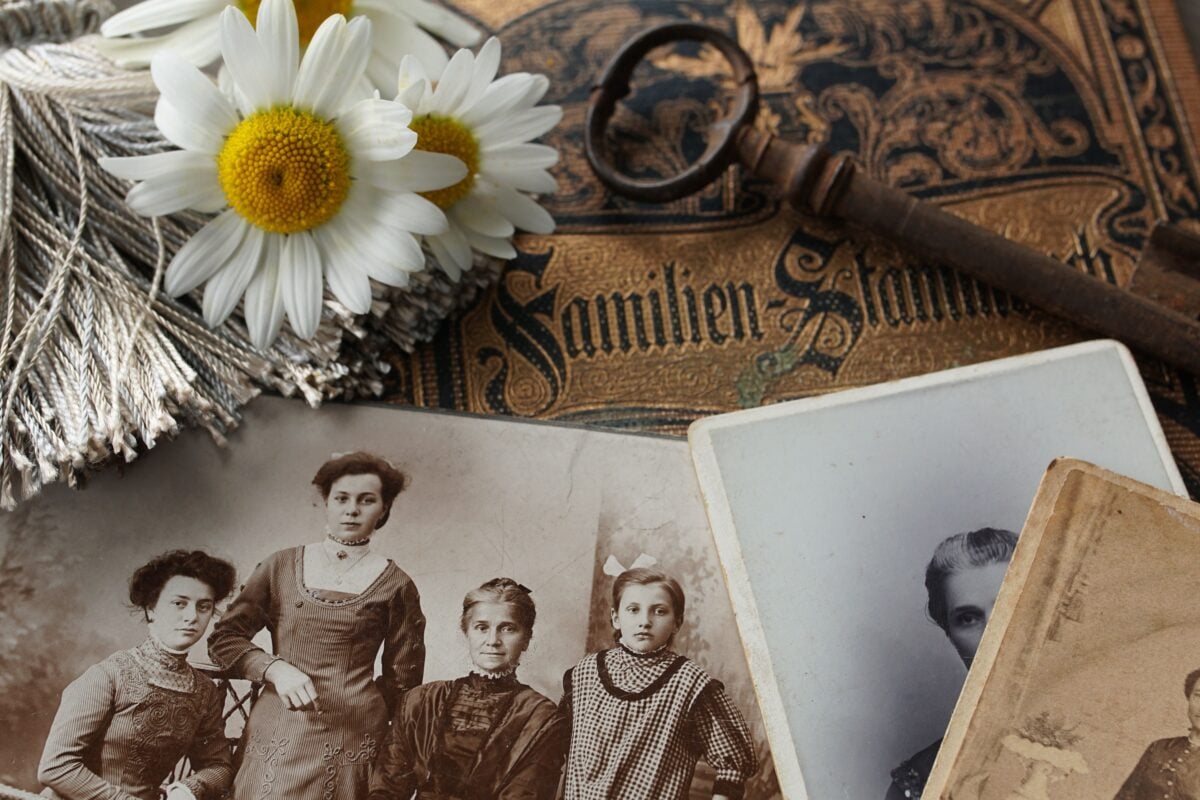
If your family surname begins with E, do not lock yourself into one exact spelling too early. Scottish records are full of variation, especially before spelling became more standardised. Elliot and Elliott are the headline example, but they are far from the only pair.
Other forms to watch include Easson and Eason, Ewan and Ewen, and surnames that look close but are not always identical in origin, such as Edmiston and Edmonstone. A clerk writing by ear could make a real mess of things. Some of those messes lasted generations.
If you are doing proper family research, the ScotlandsPeople database is the most practical place to search Scottish civil registration, census, and church records. It remains the main pay-per-view source for statutory registers, old parish records, census returns, valuation rolls, and wills, so it is usually the first tab people open and the one they keep returning to after discovering they searched the wrong spelling the first time.
Are These Names Highland, Lowland, or Borders?
That depends on the surname. Elliot and Elliott are strongly tied to the Scottish Borders. Erskine and Elphinstone have the feel of territorial Lowland surnames. Ewan and Ewen point more clearly toward Gaelic personal-name traditions.
This matters if you are trying to match a surname to tartan, clan history, or a part of Scotland for heritage travel. People often want a quick one-to-one answer. Scottish names rarely behave that neatly. A surname can be Scottish without fitting one tidy box.
Which Scottish E Surnames Are Most Common?
Lists of names found in Scotland usually put Elliott, Elliot, Easton, Elder, Edgar, Ewing, Ewen, Erskine, Eadie, Ewart, Easson and Emslie among the more visible Scottish-associated E surnames. Exact rankings vary depending on whether the list measures modern registry frequency, historical records, or worldwide distribution.
That is why one source may show names such as Evans or Edwards high on a Scotland-based list, even though many people would see them as Welsh or wider British surnames rather than characteristically Scottish ones. Presence in Scotland and Scottish origin are related, but not identical, ideas.
How To Tell If Your E Surname Is Really Scottish
If you are trying to work this out for your own family, start with a few practical checks.
- Look at geography. If your earliest records sit in the Scottish Borders, Lowlands, Highlands, or Islands, that helps.
- Search spelling variants. Do not stop with one modern form.
- Check whether the surname appears in Scottish records over several generations. A single appearance proves less than a consistent run.
- Separate origin from migration. A surname found in Scotland may have arrived from elsewhere, just as many Scottish surnames later spread to Ulster, Canada, the US, Australia, and New Zealand.
- Use Scottish record sets first. Civil registration, parish registers, and census material usually tell a clearer story than generic surname websites.
Common Questions About Scottish Last Names That Start With E
Is Elliott a Scottish surname?
Yes. Elliott, and the variant Elliot, are well-established Scottish surnames, especially associated with the Borders.
Is Erskine a Scottish surname?
Yes. Erskine is a recognised Scottish surname with territorial roots and a long historical presence in Scotland.
Is Ewing Scottish or Irish?
Ewing is strongly associated with Scotland, though like many Scottish surnames it later spread to Ulster and overseas, so it can appear in several migration stories. If your paper trail jumps between western Scotland and Ulster, planning an Ireland trip can help if you are pairing genealogy with a research trip.
What is the difference between Elliot and Elliott?
The main difference is spelling. In practice, both forms are tied to Scottish surname history, and family branches may strongly prefer one over the other.
Are all E surnames in Scotland Scottish in origin?
No. Some surnames beginning with E appear in Scottish records because families lived in Scotland, not because the surname itself began there.
Final Thoughts
If you came here looking for Scottish last names that start with E, the standout names are Elliott, Elliot, Erskine, Ewing, Edgar, Easton, Easson, Eadie, Elphinstone, Emslie, Ewart, Ewan and Ewen. Some are classic Borders names. Some are tied to land and place. Others sit closer to old Gaelic personal names.
The useful habit, especially for family history, is to stay flexible with spelling and stubborn with evidence. Scottish surnames love a detour. That is half the challenge, and honestly half the fun.
If you are exploring more name ideas, it also helps to compare surnames with Scottish given-name traditions, especially forms linked to Eoghan, Lowland place names, and older clan or territorial identities. Scotland’s naming history is wonderfully untidy, which is a polite way of saying you may need a second cup of tea and a few extra record searches.