
Editorial credit: Sundry Photography / Shutterstock.com
Transit Triumph: Fans Flock to the FIFA World Cup
In a spectacular display of transit efficiency, more than 37,000 soccer fans chose public transportation to attend the opening FIFA World Cup match in San Jose. The milestone set a new ridership record for service to the stadium and highlighted the extensive planning and coordination between regional transit agencies. With thousands of visitors arriving from across the Bay Area, the event demonstrated how public transportation can successfully handle large-scale international sporting events.
The achievement was the result of a collaborative effort involving the Santa Clara Valley Transportation Authority (VTA), Bay Area Rapid Transit (BART), and Caltrain. Together, the agencies provided expanded service, increased staffing, and carefully managed passenger flows before and after the match.

The Numbers Behind the Success
The event saw an impressive 37,642 passengers use VTA services, easily surpassing previous attendance-related transit records, including those set during Super Bowl LX. Transit officials reported that demand remained strong throughout the day, with post-match travel volumes actually exceeding pre-game numbers as fans departed the venue.
Despite the surge, VTA cleared light rail platforms in less than 90 minutes after the final whistle. For comparison, industry expectations for moving crowds of this size typically allow up to two hours for a complete post-event clearance.
- VTA transported more than 37,000 fans to and from the match.
- Post-game platforms were cleared in under 90 minutes.
- Transit ridership exceeded Super Bowl levels by more than 6,000 passengers.
- The event established a new attendance-related transit record for the stadium.
The figures underscore the growing role of public transportation in supporting major sporting events while reducing roadway congestion and parking demand.
A Seamless Travel Experience
Effective partnerships among Bay Area transit agencies helped create a relatively smooth journey for fans traveling from throughout the region. BART served as a key connection point, carrying passengers from San Francisco, Oakland, and other East Bay communities directly to the Milpitas Transit Center.
From there, fans transferred to VTA light rail trains for the final leg of their journey to the stadium. Additional staff were positioned throughout the system to assist riders, answer questions, and help manage crowds during peak travel periods.
The strategy proved successful. BART reported that ridership at Milpitas increased by approximately 160 percent compared with the previous weekend, reflecting both the popularity of the tournament and the effectiveness of the transit connections available to spectators.
Caltrain’s Contribution
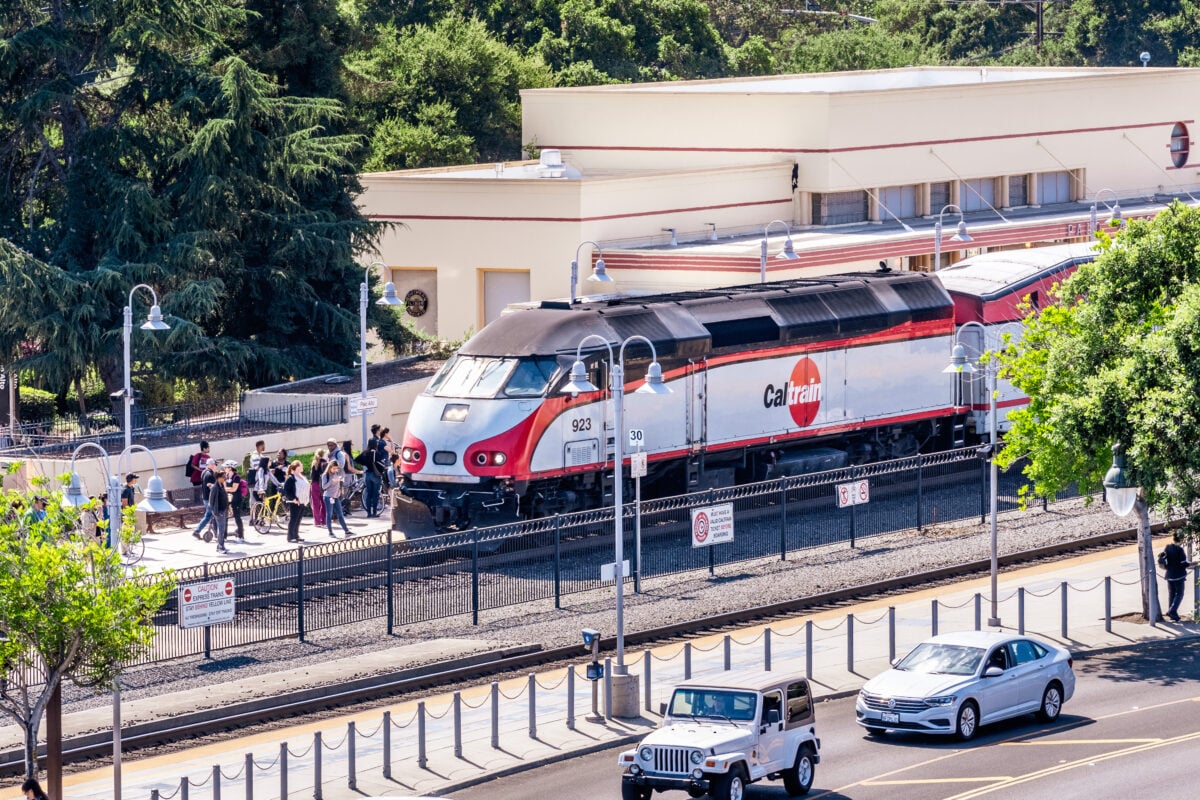
Caltrain also played a significant role in the operation, transporting nearly 7,000 fans from communities along the Peninsula to Mountain View Transit Center. Once there, riders could easily transfer to VTA services for direct access to the stadium.
Frequent train schedules helped distribute passenger loads throughout the day, while the availability of rail service offered a convenient alternative to driving. For many attendees, public transportation eliminated concerns about traffic delays, parking availability, and event-day parking costs.
The strong turnout demonstrated the importance of regional rail connections in supporting major events that attract visitors from multiple counties.
Keys to Effective Operations
The success of the opening match transportation plan was driven by a combination of operational planning and real-time coordination. Transit agencies deployed additional trains, adjusted service schedules, and implemented crowd-management measures designed specifically for large event attendance.
Personnel monitored passenger volumes throughout the day and were able to make adjustments as needed to maintain service reliability. Clear signage, coordinated transfers, and dedicated event planning also helped reduce bottlenecks at key stations.
Officials noted that lessons learned from previous large-scale events helped shape preparations for the World Cup opener, allowing agencies to respond efficiently to unusually high demand.
Looking Ahead
The opening match represents only the beginning of the region’s World Cup hosting responsibilities. Five additional World Cup matches are scheduled at the San Francisco Bay Area Stadium this summer, bringing tens of thousands more visitors to the area.
Transit agencies plan to continue operating enhanced services throughout the tournament, building on the experience gained during the opener. Organizers expect public transportation to remain a critical component of the event’s overall success as fans from around the world travel to the Bay Area.
With record-setting ridership, efficient crowd management, and strong cooperation among regional transit providers, the opening match established a promising model for the remaining World Cup fixtures and demonstrated the capacity of the Bay Area’s transit network to support one of the world’s largest sporting events.
