
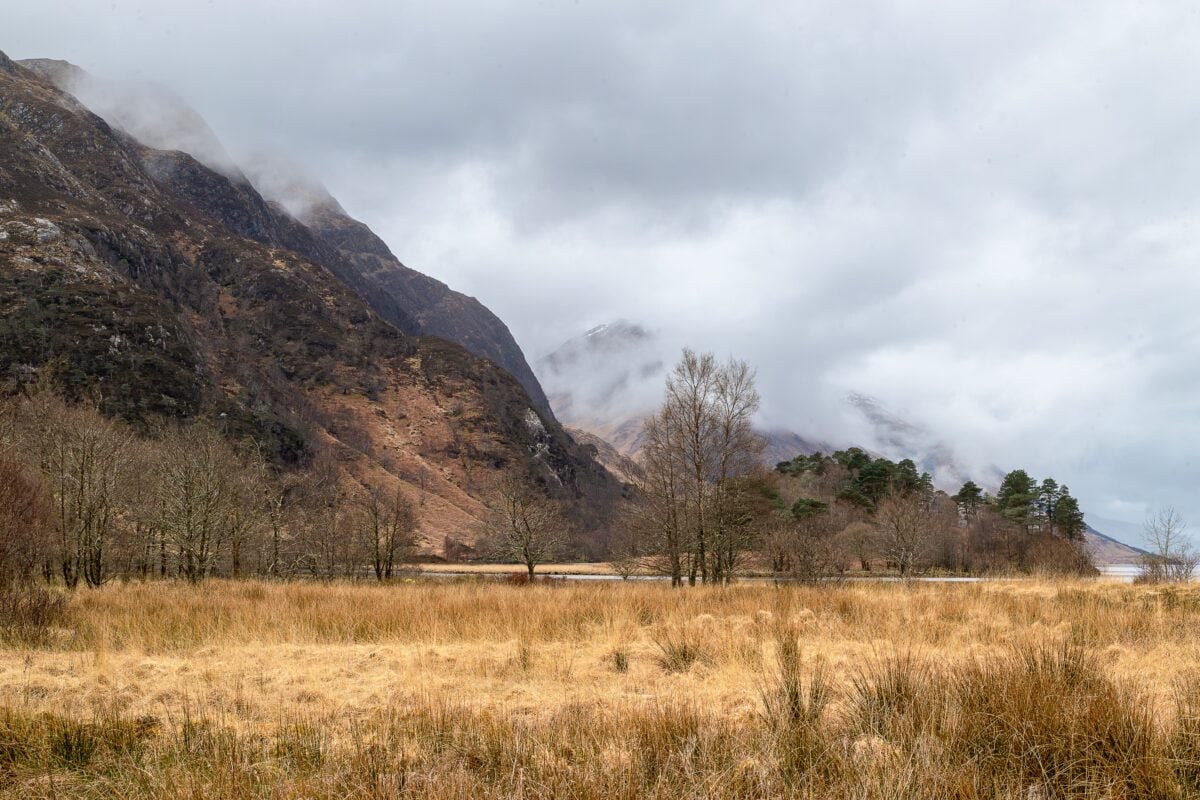
Rare Scottish names often come from Gaelic, old Scots usage, and the landscape itself. If you want Scottish names that feel rooted, distinctive and genuinely usable, there is a lot more to explore than Isla, Angus and Callum.
This guide is part of our Scottish Names collection. Browse our complete Scottish Names directory for A–Z first names, surnames, Gaelic names, meanings, and themed collections.
Below, we’ve picked rare Scottish names you’ve probably heard less often, but should know. For each one, we’ve included the Gaelic spelling where relevant, a meaning that can be supported, a simple pronunciation guide, and a bit of context so you can decide if it feels right.
Scottish naming is gloriously messy, in the best way. Some names come straight from Scottish Gaelic, some from islands and rivers, some from older Scots forms, and some were later anglicised by families and registrars, especially in the Highlands and Western Isles.
How Scottish Naming Traditions Shape Rare Names
If you’ve spent any time looking through Scottish family records, you’ll notice that names are rarely as tidy as modern baby-name lists make them seem. Gaelic names were often anglicised in official records, so a person known in one community as Iain might appear elsewhere as John, Morag as Mary, and Hamish as James.
That matters when you’re searching for rare Scottish names, because some names look uncommon simply because their better-known English form took over. Others survived in specific areas, especially the Highlands, the Western Isles, and places with strong Gaelic continuity.
There is also a big overlap with Ireland. Gaelic naming traditions moved across the Irish Sea for centuries, so not every Gaelic name can be claimed by one nation alone. For this list, we’ve focused on names with clear Scottish use, Scottish forms, or Scottish place links.
Rare Scottish Girl Names
Màiri
Gaelic spelling: Màiri
Meaning: Scottish Gaelic form of Mary. The root meaning usually given for Mary is uncertain, so it is better not to force a neat one-word definition here.
Pronunciation: MAH-ree
Màiri is familiar in Gaelic-speaking Scotland but still feels rare outside it. If you like Mary but want something more rooted in Scottish Gaelic, this is a lovely option. The accent mark matters in written Gaelic, though you may see Mairi without it in everyday use.
Eilidh
Gaelic spelling: Eilidh
Meaning: commonly linked to “sun” or “radiant one” through forms associated with Helen
Pronunciation: AY-lee
Eilidh is well known in Scotland but still uncommon in many parts of the US and England. It has that handy combination of sounding gentle and looking unmistakably Scottish. Recent Scottish baby-name rankings have kept Eilidh in regular national use, even while it still feels unusual far beyond Scotland.
Ishbel
Gaelic spelling: Ishbel is a Scots form rather than a Gaelic spelling
Meaning: a Scottish form of Isabel, ultimately linked to the idea of being pledged to God
Pronunciation: ISH-bell
Ishbel feels old-school Scottish in a good way. It has history, character, and a slightly literary sound without feeling fussy. You may know Ishbel MacDonald, daughter of former Prime Minister Ramsay MacDonald, as one of the better-known historical bearers.
Marsaili
Gaelic spelling: Marsaili
Meaning: Scottish Gaelic form of Marjory or Marcella traditions, with usage rather than a single tidy origin often taking centre stage
Pronunciation: MAR-sa-lee
Marsaili turns up in Scottish name lists far less often than it deserves. It has a musical sound and a very clear Highland and Hebridean feel. If you like names such as Mhairi or Morag, this sits naturally beside them, especially if you already like unusual Scottish girl names with Gaelic roots.
Mairead
Gaelic spelling: Mairead
Meaning: a Gaelic form traditionally associated with Margaret, from a root meaning “pearl”
Pronunciation: ma-RAID or ma-RET, depending on usage
Mairead is used in both Scottish and Irish Gaelic contexts, but it has long-standing Scottish use. It looks unusual to non-Gaelic speakers without being impossible to learn, which is often the sweet spot for parents who want something distinctive but wearable.
Seonaid
Gaelic spelling: Seonaid
Meaning: Scottish Gaelic form of Janet or Jane, ultimately from a root meaning “God is gracious”
Pronunciation: SHO-nitch or JOHN-aid in some anglicised uses
This one is properly rare on modern shortlists. Seonaid is one of those names that immediately signals Scottish Gaelic heritage, and it also shows how different Scottish forms can be from names people think they already know.
Mirren
Gaelic spelling: often linked with Mirin or associated with Saint Mirin traditions rather than a single standard Gaelic form
Meaning: connected with Saint Mirin, the patron saint associated with Paisley
Pronunciation: MIR-ren
Mirren has a brisk, modern sound despite its older roots. It feels less expected than Mhairi or Catriona, and it carries a nice tie to Scottish religious and place history through St Mirren and Paisley.
Ailsa
Gaelic spelling: usually treated as a place-derived name rather than a Gaelic personal name
Meaning: from Ailsa Craig, the island in the Firth of Clyde
Pronunciation: AIL-sa
Ailsa is one of the best rare Scottish names if you want something straightforward to spell and say. Place names matter hugely in Scotland, and island names such as Isla, Islay, Iona and Ailsa have all fed into naming traditions. If that landscape connection appeals, the same naming instinct shows up in plenty of the best Scottish islands to visit too.
Vaila
Gaelic spelling: not a Gaelic personal name, but a Scottish island name
Meaning: taken from the Shetland island of Vaila
Pronunciation: VAY-la
Vaila is unusual even within Scotland, which is part of the appeal. It belongs to the same landscape-inspired group as Iona and Skye, but with a much rarer profile. If you want a Scottish name that feels airy and modern without being newly invented, Vaila is worth a look.
Alba
Gaelic spelling: Alba
Meaning: the Scottish Gaelic name for Scotland
Pronunciation: AL-ba
Alba is simple, striking and deeply Scottish. It is one of the most direct national names you can choose, and unlike many patriotic names elsewhere, it still sounds elegant rather than heavy-handed. It also appears often enough in modern Scotland to feel recognisable rather than obscure.
Rare Scottish Boy Names
Struan
Gaelic spelling: usually linked to a place-name tradition from sruthan
Meaning: often glossed as “stream” or “little stream”
Pronunciation: STROO-an
Struan has been climbing in recognition in Scotland, but it still feels rare in a wider context. It is also the name of places in Perthshire and on Skye, which gives it that classic Scottish crossover between landscape and personal naming.
Hamish
Gaelic spelling: historically tied to Seumas
Meaning: a Scottish form associated with James
Pronunciation: HAY-mish
Hamish is not unheard of, but outside Scotland it still reads as more unusual than James or Jamie. It is a good example of how anglicised and Gaelic-linked forms developed side by side in Scotland over time. The name has stayed visible for decades, though it is no longer the kind of choice you hear in every classroom.
Lachlan
Gaelic spelling: Lachlann
Meaning: traditionally linked to Scandinavia or “land of the lochs” in popular retellings, though the Norse connection is the safer historical explanation
Pronunciation: LOCK-lan
Lachlan is better known in Australia than in many parts of North America, but it remains one of the strongest Scottish choices if you want something established without being overused. The Gaelic form Lachlann is especially handsome on paper.
Torrin
Gaelic spelling: sometimes given as a form linked to tòrr
Meaning: often associated with a hill, mound or rocky height
Pronunciation: TOR-in
Torrin has the clipped, sturdy sound a lot of Scottish boy names share. It also fits neatly with Scottish topographic naming, where hills, islands, rivers and settlements often become personal names over time.
Clyde
Gaelic spelling: not generally used as a Gaelic personal name
Meaning: from the River Clyde
Pronunciation: CLYDE
Clyde was recorded only a small handful of times for babies in one recent Scottish national name release, which makes it genuinely rare by modern standards. It is one of the clearest examples of a Scottish place name turned first name, and it has a clean, familiar sound for English speakers.
Alasdair
Gaelic spelling: Alasdair
Meaning: Scottish Gaelic form of Alexander, commonly explained as “defender of men” from its Greek root
Pronunciation: AL-a-stair
Alasdair is a great choice if you want a name people can learn quickly but won’t meet every day. Compared with Alexander, it feels more grounded in the Highlands and Islands. Alasdair Gray, the Scottish writer and artist, is a well-known bearer.
Ruairidh
Gaelic spelling: Ruairidh
Meaning: from a Gaelic root usually interpreted as “red king”
Pronunciation: ROO-a-ree
Ruairidh is one of the most satisfying Scottish names to say once you know how. It is distinctive, traditional and unmistakably Gaelic. The spelling can be a hurdle, but for some families that is exactly the charm.
Magnus
Gaelic spelling: not a Gaelic-origin name, but long associated with Scotland, especially the north and islands
Meaning: from a Latin root meaning “great”
Pronunciation: MAG-nus
Magnus is especially at home in Orkney and Shetland, where Norse influence runs deep. It does not originate in Gaelic, but it feels undeniably Scottish in the islands context, which is part of the wider naming story here. In Scotland’s island north, names like this sit comfortably alongside the language, history and food culture that make the region feel distinct, much like the traditions covered in Scottish food and drink.
Rare Scottish Place Names Used As First Names
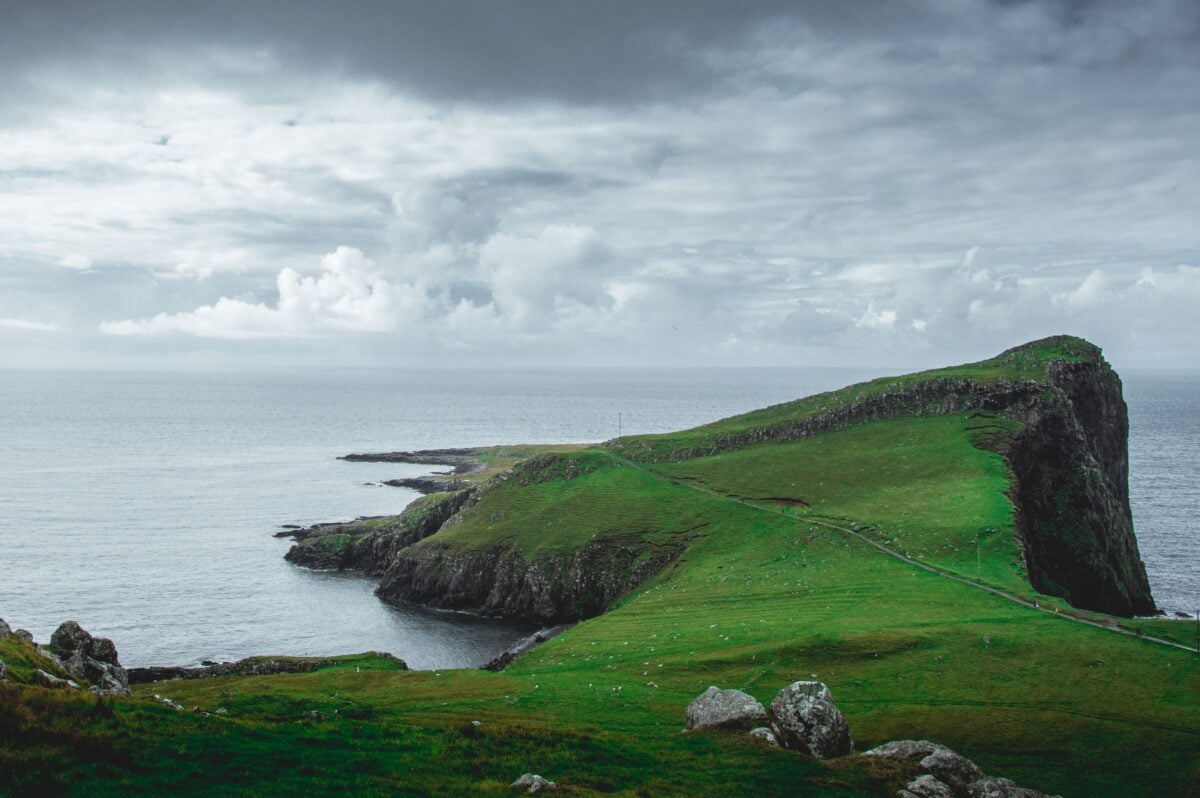
Some of the best rare Scottish names are not traditional forenames at all. They come from islands, rivers and old place names, and Scotland has plenty that work surprisingly well.
- Islay is the geographical spelling of the island name often simplified to Isla in personal use.
- Iona comes from the Hebridean island long associated with early Christianity in Scotland.
- Skye takes its cue from the Isle of Skye and has a lighter, more modern feel.
- Ailsa comes from Ailsa Craig in the Firth of Clyde.
- Vaila comes from the Shetland island of the same name.
- Clyde draws directly from the River Clyde and Glasgow’s wider landscape.
- Alba is the Gaelic name for Scotland itself.
If you like this style, Scottish place names often give you the easiest balance of clear pronunciation and strong local identity. They also tend to travel well internationally.
What Makes A Scottish Name Feel Rare?
Not every uncommon name feels rare for the same reason. Some are rare because they stayed local to Gaelic-speaking communities. Some are rare because the anglicised version became dominant. Others are rare because a place name quietly shifted into use as a first name but never became mainstream.
A name can also be common in Scotland and still feel rare elsewhere. Eilidh, Ailsa and Struan are good examples. Scots will clock them immediately. A lot of people outside Scotland will not.
That is often the sweet spot if you want a name with substance, not just novelty. It feels grounded somewhere real.
Tips For Choosing Rare Scottish Names Outside Scotland
If you are in the US, Canada, England or Australia and considering a rare Scottish name, a little practicality goes a long way.
- Say it out loud first. Names such as Eilidh, Ruairidh and Seonaid are gorgeous, but you will be explaining pronunciation regularly.
- Check if you want the Gaelic spelling. Alasdair and Lachlann look more traditionally Scottish than Alexander and Lachlan, but they do ask more of people unfamiliar with Gaelic.
- Think about place-name options. Ailsa, Iona, Skye, Islay and Clyde are often easier for non-Scots to adopt.
- Do not rely on crowd-sourced meanings. Scottish and Gaelic name meanings get mangled online all the time, especially when Irish and Scottish forms are mixed together.
If you love a rarer Scottish spelling, keep it. People learn. They manage Saoirse. They can manage Ruairidh.
Scottish Names That Are Better Known Than They Look
A few names sit in an interesting middle ground. They are clearly Scottish, but many people outside Scotland either misread them or assume they are far rarer than they actually are.
Isobel is a good example. It is an old Scottish form with real history behind it, but gets overshadowed internationally by Isabel and Isabella.
Maisie also has strong Scottish roots, though many people now treat it as a general vintage revival name rather than something distinctly Scottish.
Annabel, Jamie and Carson are also worth mentioning because they can feel more English or American at first glance, even though each has Scottish roots or early Scottish use.
Rare Scottish Names We’d Put On A Shortlist
If we were narrowing this down to the names with the best mix of Scottish identity, usability and rarity, these would be hard to ignore.
- For girls: Eilidh, Ailsa, Vaila, Mairead, Mirren, Alba
- For boys: Struan, Alasdair, Ruairidh, Lachlan, Torrin, Clyde
Eilidh and Struan feel especially Scottish without sounding too heavy. Ailsa and Clyde are easier for international families. Ruairidh and Seonaid are for the brave, and we mean that admiringly.
If you want even more ideas in this same lane, it also makes sense to explore our companion cluster on unusual Scottish girls’ names, since many of the best rare choices sit just below the globally familiar tier.
FAQ About Rare Scottish Names
What are some genuinely rare Scottish names?
Seonaid, Marsaili, Vaila, Struan, Ruairidh and Clyde all count as genuinely rare Scottish names in wider English-speaking use. Some are Gaelic forms, while others come from Scottish place names such as islands and rivers.
Are rare Scottish names always Gaelic?
No. Many are Scottish Gaelic, but others come from Scots forms, Norse-influenced northern traditions, or place names such as Ailsa, Iona, Islay and Clyde.
What Scottish names are rare but easy to pronounce?
Ailsa, Alba, Clyde, Iona, Skye and Vaila are among the easiest rare Scottish names for non-Scots to say. They keep a clear Scottish connection without demanding much pronunciation coaching.
Why do Scottish names have so many spelling variations?
Scottish names vary because Gaelic names were often anglicised in speech and in records. Surnames and forenames could also be written phonetically, altered by clerks, or changed by families after migration.
Is Isla a rare Scottish name?
No. Isla is Scottish and beautiful, but it is no longer especially rare. If you want a similar feel with less mainstream usage, try Islay, Ailsa, Iona or Vaila.
Final Thoughts
The best rare Scottish names do not feel random. They are tied to language, landscape and old naming habits that still shape Scotland now, even if the most unusual forms sit a bit further off the beaten track.
If you want something unmistakably Scottish, start with the names that still carry their place or Gaelic form proudly. Eilidh, Ailsa, Struan, Alba, Ruairidh and Seonaid all have that quality. They do not need embellishment. They have been doing the job just fine for centuries.