
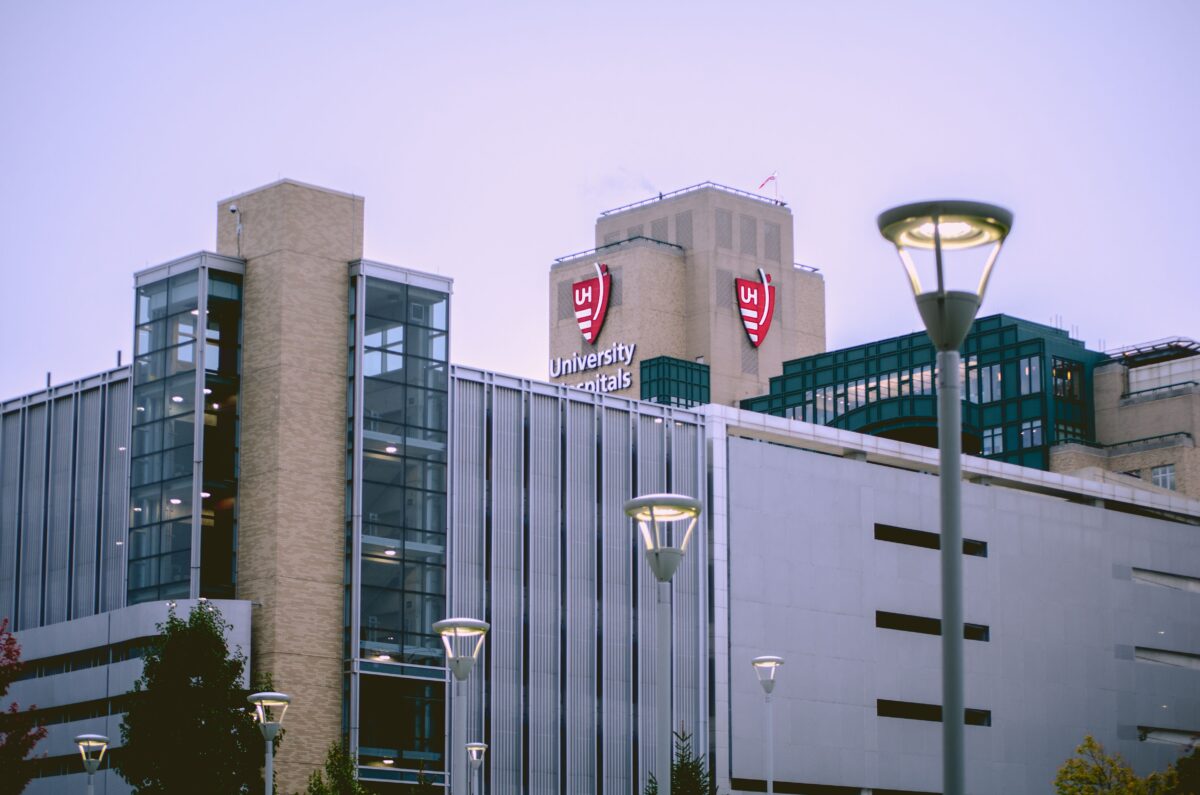
The Monklands Hospital rebuild has hit the brakes just when it looked nearly ready to roll, with a £2.1bn replacement plan now scrapped in its current form and sent back for a redesign. For anyone in Lanarkshire who has been waiting for a modern hospital, that means more delay, more uncertainty, and more of the usual public-project chaos. Not exactly a confidence booster.
The good news, if you can call it that, is that the project is not dead. Ministers still want a new hospital at Monklands. The bad news is that the current version was judged too pricey to pass, with the eye-watering estimate of about £5m per bed doing most of the damage.
It is the sort of move that can leave communities feeling whiplashed. Planning permission was already in place, the site at Wester Moffat was lined up, and there were even fresh updates about the hospital’s green-energy setup. Then, suddenly, the numbers got the dreaded red pen treatment. If you have ever watched a big infrastructure project stall after years of chatter, you know the vibe: annoying, expensive, and deeply on brand. For a broader example of how badly hospital projects can drift off course, see this Aberdeen hospital rebuild saga.
Why The Monklands Hospital Plan Was Dropped
The replacement hospital for University Hospital Monklands at Wester Moffat had already cleared one major hurdle with planning approval. But the full business case did not make it through the latest financial test, and that is where the wheels came off.
Angela Constance, the health secretary, said the scheme could not be approved as submitted because of affordability concerns. In plainer English, the government looked at the bill, looked at the rest of the public purse, and decided this one was too rich for the moment.
The sticking point is not just the overall cost, but the comparison with other hospital programmes. The project was described as far more expensive than comparable builds, which is a polite way of saying it raised eyebrows in places where eyebrows have seen things.
Key reasons the plan was stopped:
- Planning permission had been granted, but that was not enough to secure final approval
- The final cost was judged too high for the current financial climate
- The projected £5m per bed figure became a lightning rod for criticism
- Ministers said the proposal concentrated too much capital spending into one project
What North Lanarkshire Council Says Now
North Lanarkshire Council said it was surprised by the decision and wants urgent clarity on what happens next. That reaction is hardly shocking. After a decade of work, being told to step back and try again is not the kind of surprise anyone puts on a postcard.
The council said it had been working with NHS Lanarkshire for the past 10 years on the replacement project and had put substantial effort into planning and infrastructure work around it.
It also said the hospital had long been seen as a much-needed replacement that would improve care and help support staff who have been operating with an ageing facility. The council says it will keep working with NHS Lanarkshire on healthcare provision for local communities, which is the diplomatic way of saying nobody is pretending this is tidy.
What Happens Next At Wester Moffat
The hospital has not been cancelled outright. That distinction matters, because it means the project is still alive, just in a much messier state.
What has been dropped is the current version of the plan. A redesign is now expected, and Constance said that work would move forward at pace, with a fresh decision hoped for next year.
That leaves several practical unknowns hanging in the air:
- How much of the original design survives
- Whether the Wester Moffat location stays the same
- How the redesign affects the construction timeline
- What the delay means for staff, patients, and service pressure
For budget watchers, the logic is simple enough. A redesign can mean a cheaper building, but it can also mean a longer wait. In the world of public infrastructure, the word “redesign” is often code for more meetings, more drawings, and fewer actual bricks.
Monklands Hospital Timeline So Far
The timing here is what makes the whole thing feel especially clunky. The project seemed to be moving through the usual approval maze, and then the government hit pause.
| Stage | Status |
|---|---|
| Replacement hospital planned for Wester Moffat | Previously advancing |
| Planning permission granted | Approved earlier this year |
| Solar farm announced for site | Confirmed about three weeks before the redesign decision |
| Current £2.1bn plan | Scrapped in present form |
| Redesign process | Now expected |
| Decision on revised plan | Hoped for next year |
That solar detail deserves a mention because it shows how far the project had already progressed. Just weeks before the redesign order, the health board said the future hospital would be partly powered by a solar farm the size of six football pitches. Handy for the sustainability pitch, less handy when the larger budget suddenly starts wobbling.
For locals and anyone passing through the area, the big takeaway is straightforward: the future site was being prepared for a major build, but the shape of that build is now back up for debate.
What Is Happening To The Existing Monklands Hospital
With the rebuild delayed, attention swings back to the current hospital building, which is where the immediate pressure sits.
Constance said there would be urgent investment in the existing hospital to deal with infrastructure problems affecting staff. That matters because the case for a replacement has long rested on the state of the current site and the need for a more modern acute hospital.
In practical terms, the old hospital stays in service while the revised plan is thrashed out. That means more short-term spending on the current site, even as the long-term replacement is pushed into redesign limbo. For patients, staff, and everyone trying to make sense of capital budgets, that is not the cheeriest sandwich.
What that means on the ground:
- The existing hospital remains open
- Short-term upgrades are expected to tackle known infrastructure issues
- The replacement project will stay in the planning and redesign phase for now
- Uncertainty continues for people waiting on a modern facility
Political Fallout Over The Hospital Delay
The decision triggered criticism almost immediately, and not just from the obvious opposition benches.
Jackie Baillie of Scottish Labour said the move amounted to a complete halt and argued that promises had been made without the money to back them up.
Miles Briggs, the Scottish Conservative health spokesperson, said the SNP had failed to deliver major infrastructure on time or on budget. That line is unlikely to be going back in the drawer anytime soon.
Even the local SNP reaction was rattled. Fulton MacGregor, the local MSP, said he was surprised by the decision and struggled to understand how the process had reached this point after years of commitment to the hospital.
The political point-scoring is predictable, but the underlying issue is not trivial. Big health projects tend to survive on trust as much as engineering. Once people start wondering whether the budget ever matched the ambition, the whole thing gets harder to sell.
Why The £5m Per Bed Figure Stands Out
Big public spending numbers have a nasty habit of becoming background noise. £2.1bn is enormous, but it can still feel abstract. £5m per bed, on the other hand, is concrete enough to make even hardened budget-watchers spit out their tea.
That figure became the shorthand for the government’s argument that the project, in its current form, was simply too expensive. Ministers said it did not compare well with other hospital programmes, which is another way of saying the price tag looked out of step with what the public sector is prepared to shoulder right now.
Of course, critics would argue that delays and redesigns are not free. They can push up costs, prolong uncertainty, and leave old facilities limping along for longer than anyone planned. Still, the government’s position is plain enough: the current version could not be justified.
What Patients, Staff, And Local Residents Are Facing
For the people who actually use the hospital, the drama is less about procurement and more about everyday reality. The question is how long they will have to wait for a replacement and what the meantime looks like.
North Lanarkshire Council has pointed to the need for modern, accessible healthcare, along with the pressure on the current workforce. Those concerns are now right back at the front of the queue.
Immediate impact at a glance:
- No start on construction for the hospital as originally designed
- A fresh design process that could change the scale of the project
- Urgent spending on the current site to keep it functioning
- More waiting for staff and patients who expected a replacement by now
For travellers, the practical angle is not about hospital politics, but the broader lesson is familiar: public services in Scotland can look nicely mapped out right up until the money and the timeline start arguing with each other. That can affect everything from local confidence to how communities plan around long projects that shape an area for years.
Where The Monklands Rebuild Stands Right Now
Here is the stripped-back version, without the bureaucratic fog.
- The £2.1bn plan has been scrapped in its current form
- A new hospital is still promised
- A redesign is now underway
- A revised decision is hoped for next year
- The existing hospital will get urgent investment while the new plan is reworked
So Monklands is stuck in the awkward middle ground of public infrastructure: not cancelled, not moving, and not remotely settled. For patients and staff, that is thin comfort. For taxpayers, it is another reminder that even a project with planning approval can still end up back at square one when the spreadsheet gets the final say.