
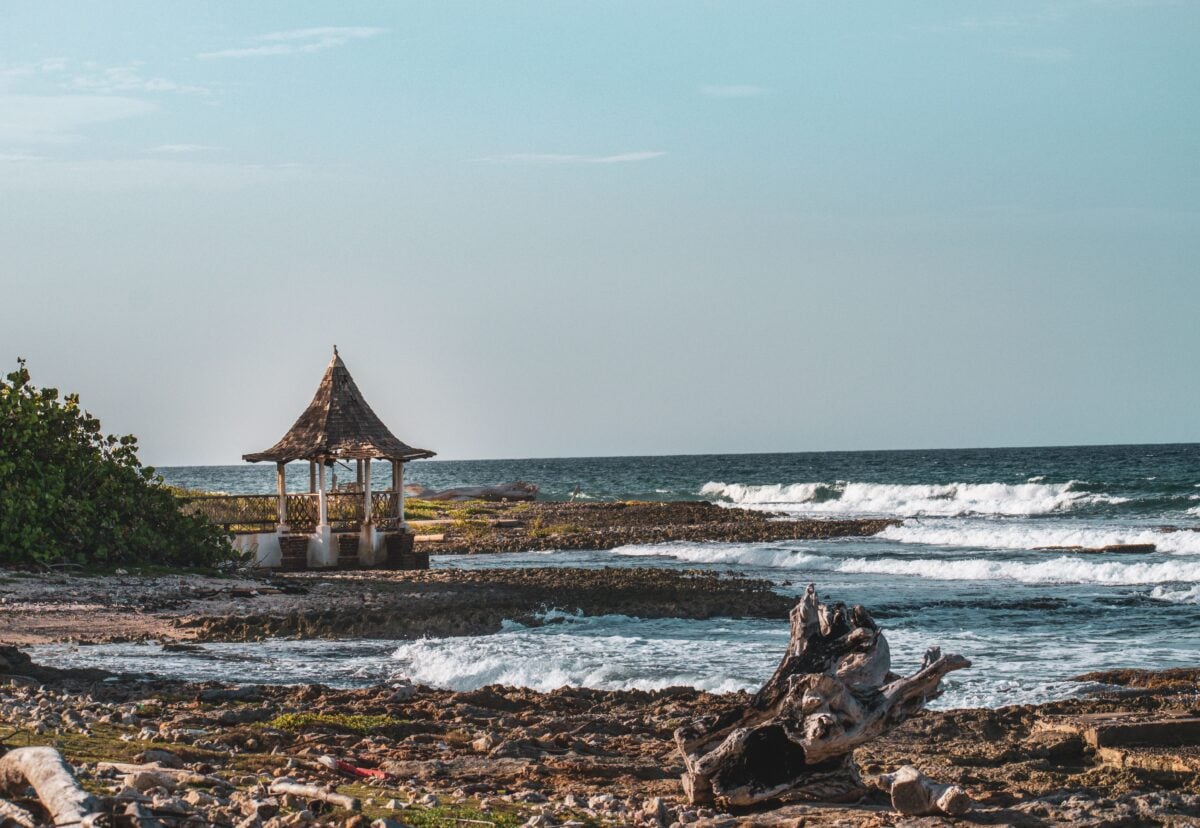
Jamaica stays at Level 2, but the details are doing the real work
Jamaica remains under a Level 2 travel advisory, which means U.S. travelers are told to exercise increased caution. The headline has not changed, but the reasons behind it matter: crime and health risks, with some areas carrying higher risk than others.
The advisory also says the natural disaster indicator was removed. That is a narrow administrative change, not a signal that the underlying concerns have gone away. If anything, the updated summary pushes attention back to the same two themes that shape most of the guidance: personal security and medical preparedness. For travelers who like to compare how countries are rated, it also helps to understand why a place can sit in a middle advisory band and still warrant very specific caution, much like the way we think about country-level travel context rather than treating one label as the whole story.
Where the advisory says risk is higher
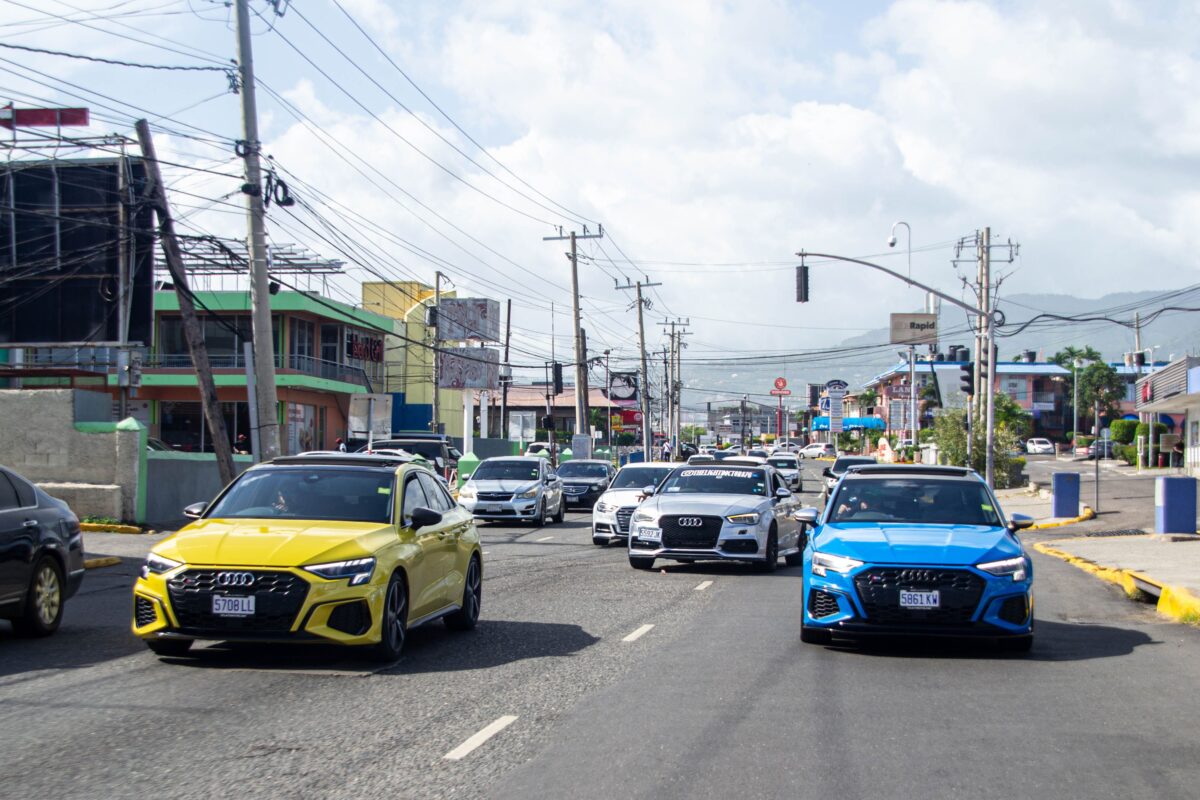
The countrywide warning is only part of the story. The advisory names specific parishes and neighborhoods where U.S. citizens are told to reconsider travel because of crime. These are not blanket bans on whole parishes, but they do draw a clearer line around places where the government sees elevated risk.
| Area | Travel advice | Reason given |
|---|---|---|
| St. Ann’s Parish, Steer Town | Reconsider travel | Crime |
| St. Catherine’s Parish, Central Village, Waterford, March Pen, Grange Lane | Reconsider travel | Crime |
| Clarendon Parish, York Town, Western Park | Reconsider travel | Crime |
| St. Elizabeth’s Parish, Crawford District, New Town | Reconsider travel | Crime |
| Hanover Parish, The Green Island Area | Reconsider travel | Crime |
| St. James Parish, Salt Spring, Flankers, Rose Heights, Hart Street area, Norwood, Mount Salem | Reconsider travel | Crime |
| Kingston and St. Andrew Parish, August Town, Brooke Valley, Mountain View, Nannyville Gardens, Swallowfield area, New Haven, Sherlock Crescent area, Denham Town, Parade Gardens, Greenwich Town | Reconsider travel | Crime |
| Manchester Parish, Old England, New Hall, Grey Ground | Reconsider travel | Crime |
| St. Thomas Parish, Seaforth area, Blacksmith Lane, Navarre Lane | Reconsider travel | Crime |
| Westmoreland Parish, Grange Hill, Savanna-la-Mar | Reconsider travel | Crime |
That list is worth reading carefully if you are building an itinerary. Jamaica’s tourism map is not uniform, and the advisory makes that plain. Some places see lower rates of violent crime than others, but the warning is broad enough that no one should treat the island as a casually low-risk destination. If you’re mapping out where you actually want to stay, it’s worth pairing that caution with broader trip planning advice, including how you think about what to pack and carry when the journey has real logistics attached to it.
What the advisory says about crime
The advisory states that violent crime is a risk throughout Jamaica, and it notes that the homicide rate reported by the Government of Jamaica is among the highest in the Western Hemisphere. It also says armed robberies and sexual assaults are common.
Those are not lines to skim past. They frame the entire security picture. The advisory says tourist areas generally see lower rates of violent crime than other parts of the country, but it also notes reports of sexual assaults involving U.S. citizen tourists at resorts, plus slow or unsatisfactory responses to serious incidents.
Another detail that matters for travelers is legal follow-through. The guidance says that when arrests are made, cases are often not prosecuted to a final verdict and sentence. That does not change what a traveler should do on the ground, but it does explain why the advisory keeps such a firm tone. It also matters if you’re the sort of traveler who likes a drink by the beach and assumes the usual resort rules will cover everything, because etiquette and judgment travel with you too, as any decent drinking etiquette guide will remind you.
The health warning is part of the same message
Health is not a side note here. The advisory says basic and specialized medical care may not be available in many parts of Jamaica. It also points to slower emergency response times and less availability of care for illness or injury.
One line in particular should make any traveler pause: private hospitals require payment up front before admitting patients. That can become expensive fast, especially if specialized care is needed. The advisory says ambulance services are not always staffed with EMTs and are not always readily available, especially in rural areas.
It also recommends bringing extra prescription medication, because common drugs such as insulin can be difficult to obtain. U.S. Medicare and Medicaid do not apply abroad, and most hospitals and doctors overseas do not accept U.S. health insurance. The advisory says air ambulance service to the United States costs approximately 30,000 USD at minimum, which is a sobering number even before you add the rest of the trip. For anyone who likes to prepare properly rather than hope for the best, that sits in the same practical category as checking your carrier coverage and backup options before you go.
What travelers are told to do
The practical advice in the advisory is direct, and it is the kind of list that usually gets ignored until somebody wishes they had not.
- Do not physically resist any robbery attempt.
- Do not attempt to bring firearms or ammunition, including stray rounds, shells, or empty casings.
- Avoid walking or driving at night.
- Avoid public buses.
- Avoid remote places.
- Stay aware of your surroundings and keep a low profile.
- Have a plan to leave in an emergency that does not depend on U.S. government help.
- Enroll in the Smart Traveler Enrollment Program so alerts can reach you.
- Consider travel insurance with medical coverage, evacuation assistance, and trip coverage.
The firearms warning is especially strict. The advisory says the penalties for carrying firearms or ammunition, even by mistake, are severe and can include long prison sentences. That is the sort of rule you want to check twice before you pack, not after security has already checked for you.
Why this matters even for resort travelers
Many people hear Jamaica and picture a beach stay, not a security briefing. But the advisory is aimed at exactly that kind of traveler too. It specifically mentions incidents involving tourists at resorts, which means the comfort of a hotel zone should not be confused with immunity from risk.
That is where the advisory becomes more useful than a blunt warning. It does not say avoid the country altogether. It says know where risk is higher, understand the medical gaps, and plan accordingly. That is a more demanding message than a simple red or green light, but it is also the one that actually helps. Jamaica’s place in the Caribbean economy is tied closely to tourism, and that’s part of why travelers keep asking these questions in the first place, the same way they keep asking how airport networks, hotels, and loyalty programs fit together on trips that need a bit more planning than a standard week away. There’s a reason broader travel systems matter, including things like airline partnerships and route networks such as those covered in our piece on multi-airline travel across 190 countries.
If you are planning a trip, the smartest move is to check your exact route and neighborhood against the advisory’s area list, then make your lodging, transport, and nighttime plans around that reality. In Jamaica, the difference between a smooth trip and a fraught one is often not the island itself, but the specific parish, street, and hour you choose.
A quick planning checklist
- Read the area-specific caution list before finalizing your hotel or guesthouse.
- Confirm medical coverage, including evacuation and hospital payment terms.
- Carry enough prescription medication for the full trip.
- Avoid late-night ground travel wherever possible.
- Use official traveler enrollment and embassy contact tools before departure.
The advisory is not dramatic for the sake of drama. It is specific. That is what makes it worth respecting. Jamaica still draws travelers for good reasons, but this warning is a reminder that the responsible way to go is to plan with your eyes open, not with your fingers crossed.
