
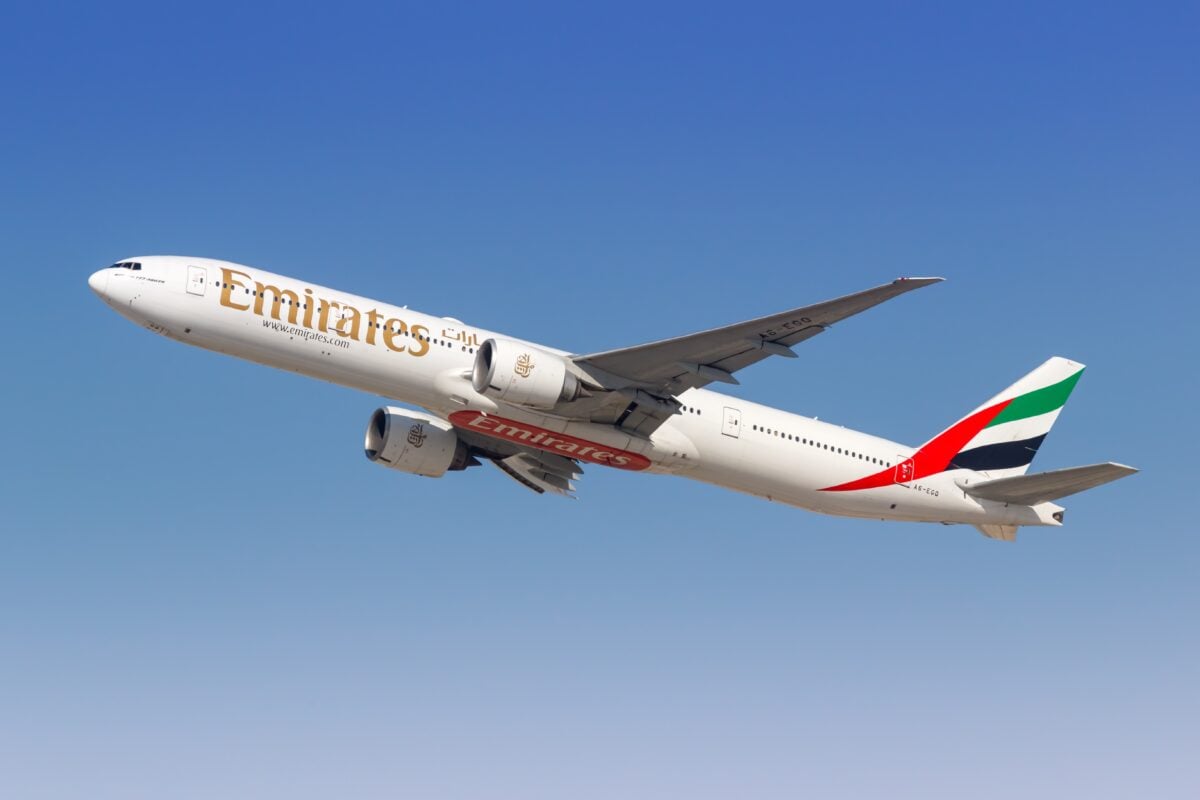
Editorial credit: Markus Mainka / Shutterstock.com
Emirates SkyCargo is putting its cargo network to work for wildlife protection
Forget boxes, pallets and the usual freight jargon for a minute. Emirates SkyCargo is now helping transport specialist conservation dogs from the UK to Zimbabwe, where they will join anti-poaching efforts at Matusadona National Park. For travelers, this is less about air cargo geekery and more about what happens when airlines use their reach for something that actually matters on the ground.
The partnership with Dogs 4 Wildlife will move the first two dogs, Vega and Kuda, from London to Harare via Dubai in late June. Both are Belgian Malinois trained as human scent tracking dogs, which means they are built for the kind of work most of us would prefer never to think about, but which is crucial for protecting endangered wildlife.
For budget travelers headed through Southern Africa, the story also offers a useful reminder that conservation, park safety, and tourism are tightly linked. When poaching pressures rise, so do the risks to wildlife experiences that draw visitors in the first place.
What the partnership actually does
Dogs 4 Wildlife is a UK charity that places highly trained conservation dogs with wildlife protection teams. In this case, the dogs are being deployed to support rangers in Zimbabwe. Their job is to help track poachers and strengthen conservation work in the field.
Emirates SkyCargo says the move fits its broader wildlife protection efforts, including a zero-tolerance stance on illegal wildlife trade and a ban on transporting hunting trophies. The airline also says it uses screening processes, specialist handling, and trained staff to reduce the risk of illicit wildlife products moving through supply chains.
That matters because wildlife trafficking is not some abstract policy issue. It is one of the pressures that can hollow out safari destinations, undercut conservation funding, and damage the long-term appeal of places visitors spend real money and long-haul hours to reach.
Why these dogs matter on the ground
The two dogs at the center of the first deployment are not mascots. Vega and Kuda are described as specialist human scent tracking dogs selected for their drive and tracking ability. They will help form a conservation K9 unit in Zimbabwe, working alongside rangers rather than replacing them.
That distinction is important. In anti-poaching work, dogs are part of a broader toolkit that includes patrols, intelligence, and enforcement. They are another set of sharp noses and fast legs in places where rangers often face huge terrain and limited resources.
For travelers, this is one of those behind-the-scenes conservation stories that can change how a destination feels. The national park experience many backpackers and wildlife lovers buy into depends on the unglamorous work of protection, logistics, and enforcement.
What Emirates says it is doing differently
Emirates SkyCargo says its live animal transport services are supported by dedicated handling processes, purpose-built facilities, and trained specialists. In plain English, that means the airline is positioning itself as able to move animals with a welfare focus rather than treating them like ordinary freight.
The company also says it has trained more than 46,000 employees through its illegal wildlife trade awareness programme. That is not a small number, and it suggests the issue has been treated as a whole-network concern rather than a niche compliance box to tick and forget.
The airline has also achieved IATA’s Environmental Assessment certification, including a wildlife module aligned with the Buckingham Palace Declaration. In industry terms, that signals participation in a wider effort to strengthen standards against wildlife trafficking.
What budget travelers should take from this
This is not a discount flight announcement, but it still matters to travelers trying to plan smarter, cheaper trips. Wildlife destinations rely on functioning conservation systems, and those systems help protect the experiences people travel for.
If you are heading to Zimbabwe or building a Southern Africa itinerary, the practical takeaway is simple: conservation is part of the travel equation. Safe, well-managed parks are not created by accident. They depend on funding, logistics, and the kind of support that keeps poachers out and wildlife in place.
For anyone stretching a budget, that can translate into better-value trips over time. A park with strong conservation oversight is more likely to remain viable, accessible, and worth the transport money it takes to get there.
Quick facts for travelers
- The dogs are being flown from London to Harare via Dubai.
- The first deployment is scheduled for late June.
- The dogs will support rangers at Matusadona National Park in Zimbabwe.
- Vega and Kuda are Belgian Malinois trained for human scent tracking.
- Emirates says it bans the transport of hunting trophies and screens cargo to help prevent illegal wildlife trade.
Why this fits into a bigger conservation picture
The timing is not accidental. The announcement lands as the conservation world marks 10 years since the Buckingham Palace Declaration, with the United for Wildlife High-Level Business Forum taking place in London. That gives the partnership a wider industry backdrop: airlines, charities, and conservation groups are still trying to build practical tools against wildlife trafficking, not just issue polished statements about it.
Emirates has been involved with United for Wildlife since becoming a founding signatory of the declaration. That long-running involvement helps explain why a cargo airline is playing a visible role in a conservation deployment that, on the surface, looks more like fieldwork than aviation news.
The bigger travel angle
For travelers, especially those heading off to national parks and safari regions on a budget, stories like this matter because they shape the future of the places people want to visit. Wildlife protection is not a bonus feature. It is the backbone of the experience.
And while no one is booking a trip because an airline moved two tracking dogs across continents, it is still worth noticing when a major carrier uses its network for conservation work instead of just shifting the world’s usual stuff around. That is a far better use of cargo space than most of us get to argue about on an overnight flight.
