
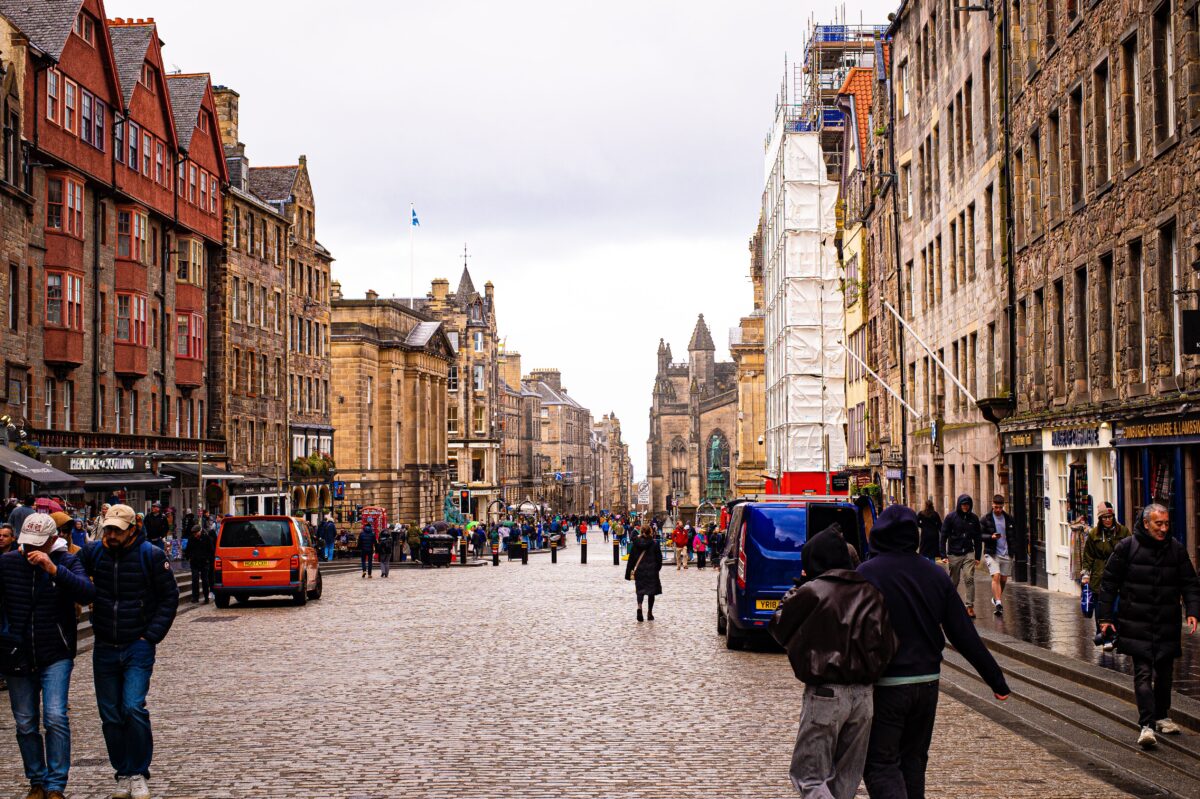
Edinburgh’s new tourist tax is not even fully live yet, and some of the money already has a job: putting more police officers in the city centre before festival crowds arrive.
The capital’s 5% visitor levy on overnight accommodation comes into force for visitors staying on or after July 24, 2026. For budget travelers, that means one more line to check before booking a hostel bed, cheap hotel room, or short city break, especially if you are weighing up where to stay in Edinburgh without quietly bankrupting yourself.
The first visible spend is a new City Centre Policing Unit, funded through an agreement between the City of Edinburgh Council and Police Scotland, with support planned over the next three years.
How The Edinburgh Tourist Tax Works For Overnight Visitors
Edinburgh agreed in January 2025 to introduce a visitor levy of 5% on overnight accommodation in the capital. The charge applies to visitors staying on or after July 24, 2026.
For anyone traveling on a tight budget, the important bit is simple: the levy is tied to where you sleep overnight, not to every coffee, bus ride, or museum wander. It is still extra cost, though, and extra cost has a nasty habit of appearing right when you are trying to justify one more pint.
The scheme is expected to raise around £50m each year. City leaders have said the money is intended to support services and infrastructure used by residents, workers, businesses, and visitors.
That matters because Edinburgh is not exactly a quiet weekend village with a castle slapped on top. The city centre carries heavy footfall from tourism, commuting, nightlife, festivals, and seasonal events. A visitor levy is one way the council is trying to connect tourist demand with local public spending.
The New City Centre Police Unit Starts Before The Levy Fully Begins
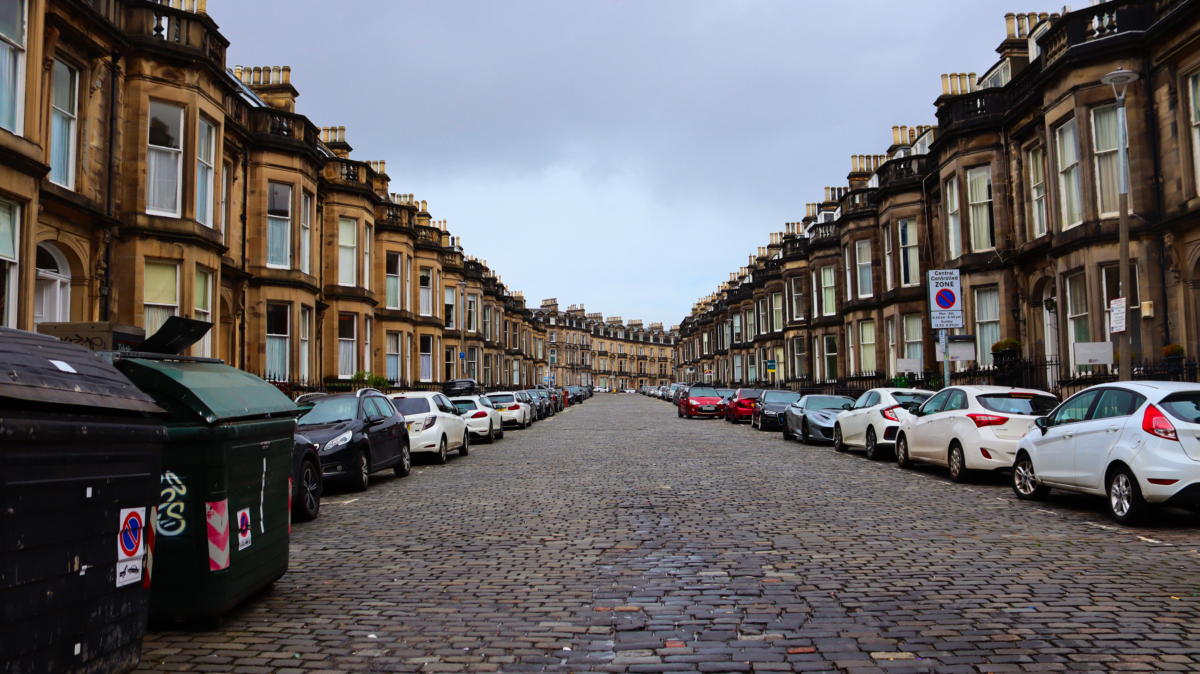
Police Scotland’s Edinburgh Division has agreed with the council to fund the new City Centre Policing Unit, known as the CCPU. The unit began duties on Thursday, July 2, 2026.
The team is made up of one inspector, three sergeants, and 45 constables. That brings the unit to 49 officers in total, or close enough to 50 that anyone trying to count them outside Waverley after a red-eye bus ride should probably buy breakfast first.
The unit will focus on proactive patrols in the city centre. The funding arrangement uses visitor levy investment over the next three years, with Police Scotland match-funding the work.
Police leadership has framed the unit as a way to give the city centre dedicated resources, rather than relying only on wider divisional policing. The timing is not subtle: Edinburgh’s festival season is close, and festive celebrations later in the year will bring another surge in crowds.
What This Means For Budget Travelers In Edinburgh
The immediate budget impact is the 5% accommodation levy. If you are planning an Edinburgh trip on or after July 24, 2026, the cheapest advertised bed may not be the final number you should compare.
Before booking, it is worth checking:
- The final accommodation total, not just the nightly headline price.
- Whether the levy is already included in the booking price or added later.
- Cancellation terms, especially around festival dates and peak weekends.
- Location versus transport cost, because staying farther out only saves money if bus, tram, or late-night travel does not eat the difference.
- Group booking costs, since 5% scales with the accommodation bill.
None of this means Edinburgh is suddenly off-limits for backpackers. A £25 hostel bed would mean an extra £1.25 per night before any other booking fees, while an £80 room would add £4 per night. Annoying? Yes. Surprising? Not if you have ever watched a city centre bend under peak tourism pressure.
If you are arriving early, leaving late, or trying to squeeze every hour out of a short trip, it is also worth planning practical extras like Edinburgh luggage storage near Waverley so you are not paying for convenience twice.
Why Policing Is The First Big Visitor Levy Spend
The council has described the policing unit as one of the levy’s first tangible benefits before the full launch date. The logic is that a busier visitor economy puts strain on public services, so some visitor-generated money should be reinvested where that pressure is felt.
For travelers, city centre policing is not glamorous infrastructure. It is not a new viewpoint, a cheaper airport link, or a public toilet miracle, though Edinburgh could make a case for all three. But it can affect the basic trip experience: crowd management, visible patrols, nightlife safety, and response capacity.
The unit is also intended to reduce demand on existing officer resources. In plain English, the idea is that a dedicated city centre team should help take pressure off policing elsewhere in Edinburgh, not just create a nicer bubble around the busiest tourist streets.
Edinburgh Festival Crowds Are The Early Test
The new unit arrives just before Edinburgh’s biggest pressure season. The Edinburgh International Festival and Fringe bring huge numbers of people into the city, especially around central streets, venues, transport hubs, bars, and late-night routes.
Festival season is also when budget travelers feel costs most sharply. Accommodation gets tighter, cheap rooms disappear faster, and central beds become harder to justify unless the location saves serious time. Add a 5% levy, and the old backpacker spreadsheet gets one more irritating column.
The practical move is to book with the full stay cost in mind, particularly if your trip crosses July 24, 2026. If you are comparing two stays, do the maths on the final totals rather than trusting the lowest nightly rate. Edinburgh rewards planning, and punishes optimism with expensive beds.
Other Edinburgh Visitor Levy Projects Are Planned
The police unit is not the only intended use for the visitor levy. City officials have pointed to future investment in public spaces, parks, greenspaces, and cultural heritage.
Projects named by the council include restoration work connected to the Royal High School and Leith Theatre. Those are not abstract travel perks. Better public spaces and protected cultural venues matter in a city where so much of the appeal is walking, lingering, people-watching, and not paying £30 every time you want to enjoy yourself.
For budget visitors, free and low-cost public spaces are not background decoration. They are the trip. A city that invests in parks, streets, venues, and safety can make a cheap itinerary feel richer, even if the bed costs a little more.
How To Keep An Edinburgh Trip Affordable After The 5% Levy
The levy does not change the basic budget travel playbook, but it does make the margins tighter. Edinburgh is still walkable, scenic, festival-heavy, and full of free things to do, which is exactly why people keep turning up with backpacks and unrealistic footwear. If time is tight, a smart one day in Edinburgh plan can still cover a lot without turning every hour into a paid attraction.
To keep costs under control, focus on the choices that actually move the needle:
- Book early for peak periods, especially around major festivals and winter celebrations.
- Compare central and outer-neighborhood stays using the final accommodation price plus transport.
- Prioritize walkable locations if late-night transport would otherwise add cost.
- Check the total before payment so the visitor levy does not ambush your budget.
- Build more free activities into the trip, including parks, viewpoints, galleries, and self-guided walks.
The big picture is straightforward: Edinburgh visitors will soon pay 5% more on overnight accommodation, and part of that money is already being directed toward a larger city centre police presence.
For backpackers, that is both a cost warning and a planning note. The city is asking visitors to contribute more, while using early levy funding for services that support the busiest areas. Pack the spreadsheet, check the final booking price, and save the spare change for pubs in Edinburgh that will make the budgeting pain feel slightly more noble.
