
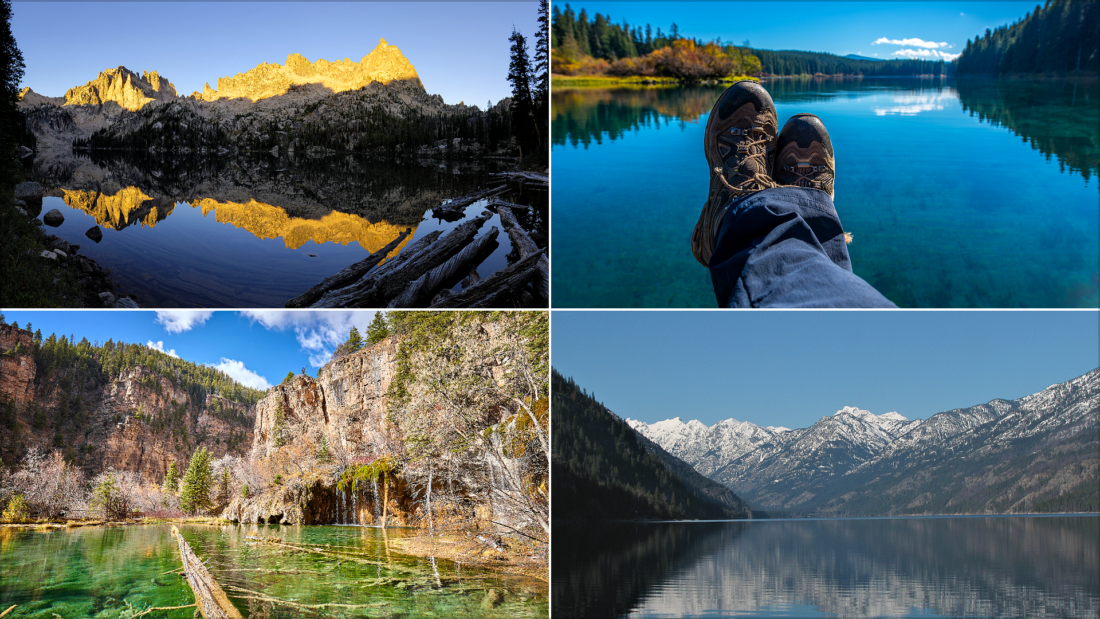
Lake Tahoe pulls in around 15 million visitors a year. Lake Mead draws close to 8 million. But for every lake that fills up like a theme park in July, there are a dozen others tucked inside national forests and wilderness areas that most people have never heard of.
These are the overlooked mountain lakes worth planning a trip around, with clear water, dramatic geology, and far fewer crowds. If you’re weighing up the U.S. as a travel destination right now, honestly, search interest in United States travel has been climbing steadily, peaking over the winter months and showing no signs of slowing down.
Quick Answer: Which Overlooked Mountain Lakes Are Worth the Trip?
| Lake | State | What Makes It Special |
|---|---|---|
| Lake Jocassee | South Carolina | 50+ ft visibility, submerged valley and buildings |
| Clear Lake | Oregon | 3,000-year-old upright submerged trees, no motorboats |
| Waldo Lake | Oregon | One of the world’s clearest lakes, rain and snowmelt fed |
| Hanging Lake | Colorado | Suspended above Glenwood Canyon, travertine bottom |
| Jenny Lake | Wyoming | 250 ft deep, glacially carved, Teton Range |
| Iceberg Lake | Montana | Icebergs present in summer, Continental Divide location |
| Sawtooth Lake | Idaho | Nearly 8,500 ft elevation, rugged glacial terrain |
| Yellowstone Lake | Wyoming | Largest mountain lake above 7,000 ft in North America |
| Lake Chelan | Washington | America’s third-deepest lake, 55 miles into the Cascades |
| Lake Waiau | Hawaii | Alpine lake at 13,020 ft on Mauna Kea |
| Thousand Island Lake | California | Rocky islets framed by Banner Peak, Ansel Adams Wilderness |
| Minaret Lake | California | Sierra spires, dramatic sunsets, John Muir Trail access |
Lake Jocassee, South Carolina: Submerged History at 50-Foot Visibility
Lake Jocassee takes its name from the Cherokee word for “Place of the Lost One.” In the 1960s, Duke Energy purchased land in Jocassee Valley to build a dam. By 1973, the valley was submerged, along with buildings and a teak Chinese junk boat that still sits on the lakebed.
Visibility extends beyond 50 feet, which means divers can see those preserved structures clearly. Six waterfalls feed into the lake, and spring brings blooms of the rare Oconee Bell. Fishing is available, and the surrounding landscape supports the kind of quiet that popular Southeastern lakes rarely offer.
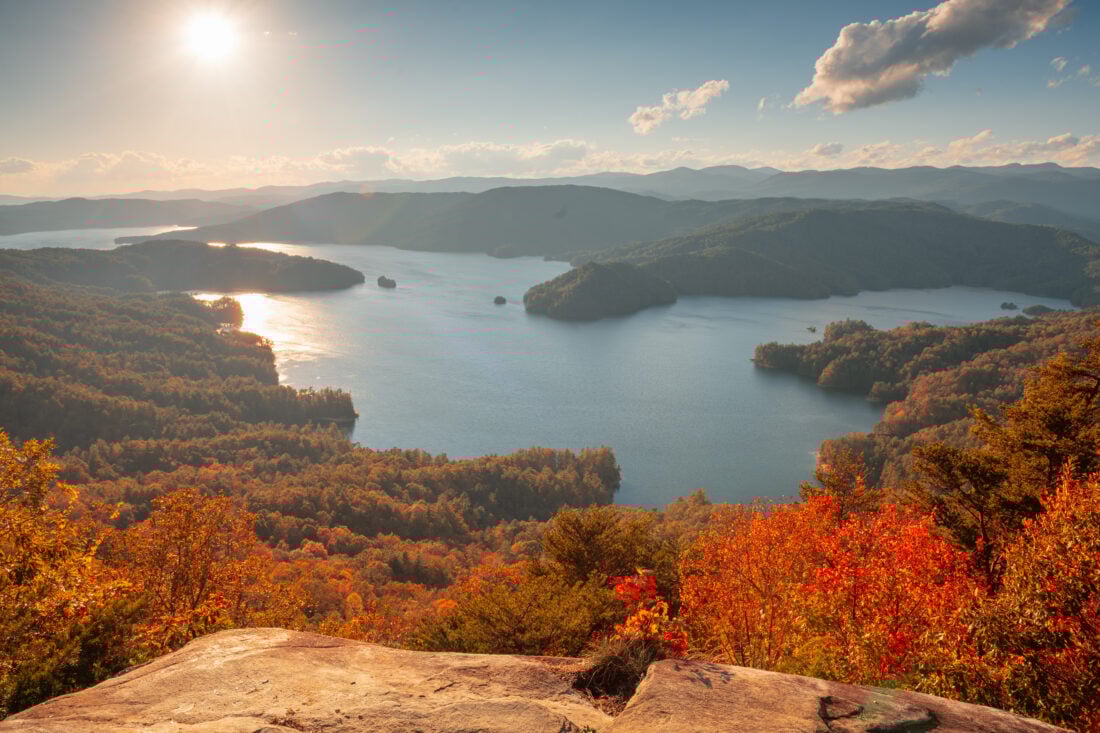
Clear Lake, Oregon: Ancient Trees Still Standing Underwater
Clear Lake in Oregon formed around 3,000 years ago. The cold water filters through volcanic rock before entering the lake, keeping temperatures low enough that ancient trees remain standing upright on the lakebed, preserved for three millennia. Volcanic silt covers the bottom.
Motorboats are banned on Clear Lake, which keeps it quiet and the water undisturbed. If you want to see the submerged forest, a clear-bottomed rowboat or kayak is your best option.
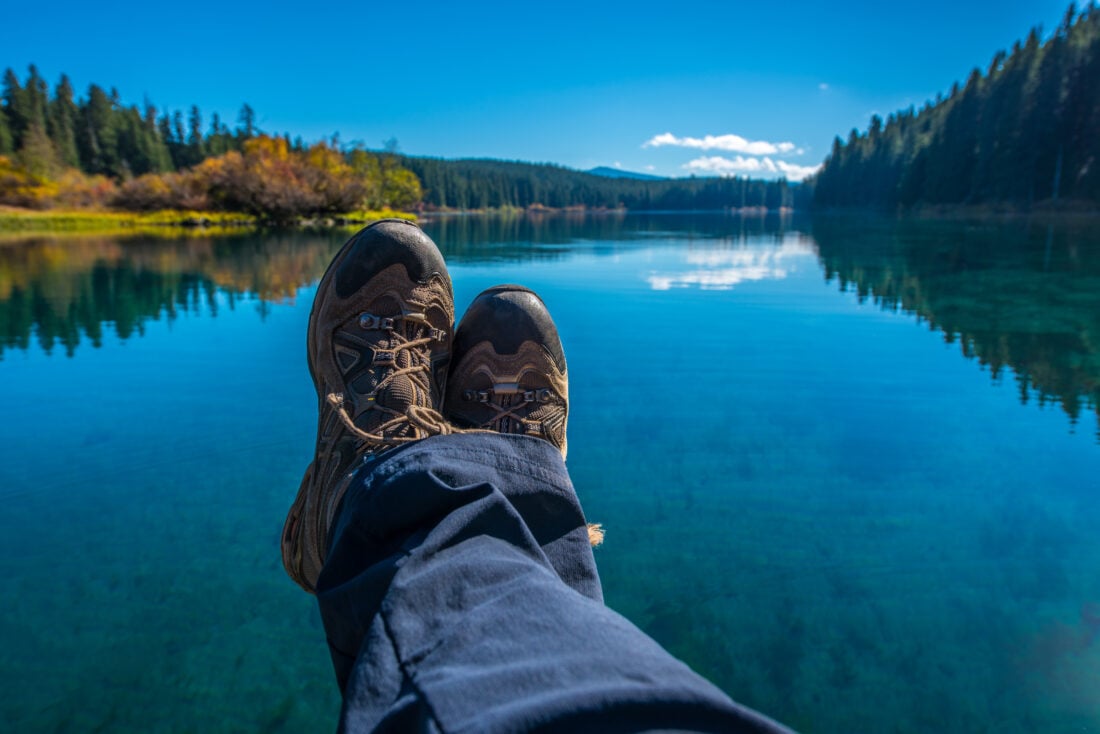
Waldo Lake, Oregon: One of the World’s Clearest Lakes
Waldo Lake sits in Oregon’s mountains and has no inlet streams. It is fed purely by rain and snowmelt, which is why it ranks among the clearest lakes on the planet.
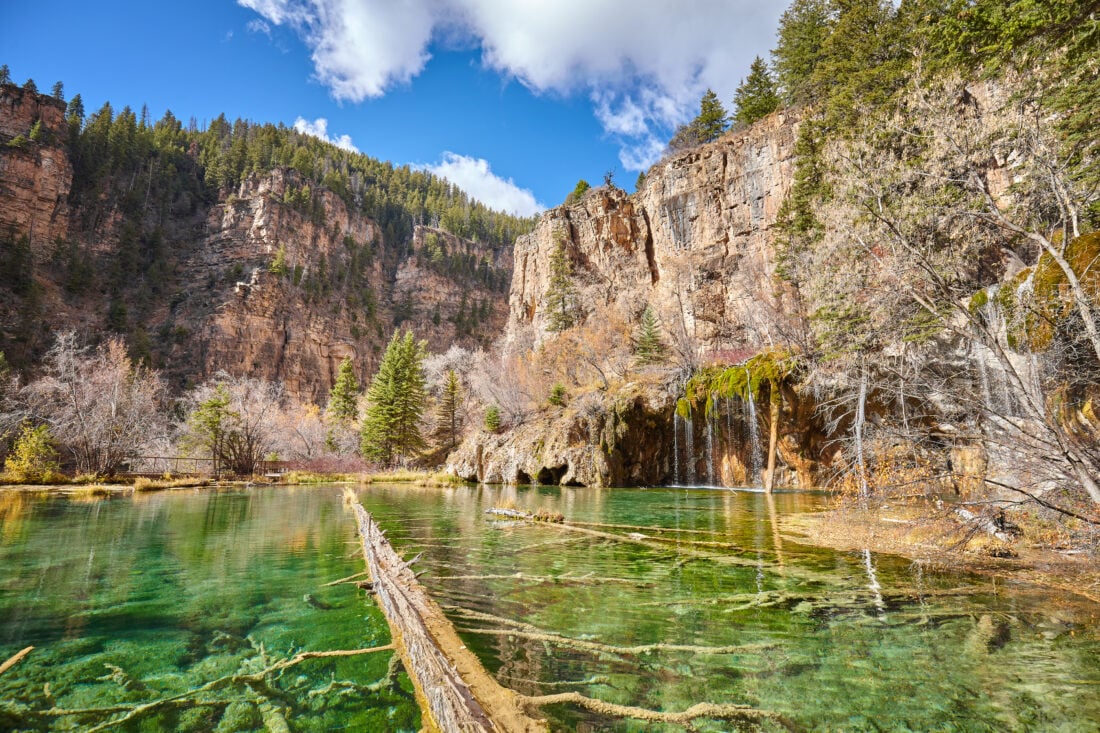
Hanging Lake, Colorado: A Lake Suspended Above a Canyon
Hanging Lake sits above Glenwood Canyon in Colorado, fed by water curtains and sitting on a travertine bottom, a rare geological formation. A wildfire in 2020 caused an eleven-month trail closure. The trail has since reopened, but check current access conditions before you go.
Jenny Lake, Wyoming: 250 Feet Deep in the Tetons
Jenny Lake in Grand Teton National Park was named after a Shoshone guide. It is glacially carved, fed by snowmelt, nearly 1,200 acres in size, and 250 feet deep. On calm days the tree-lined shores reflect clearly in the water. Not gonna lie, if you’re visiting with a partner, the Tetons make for one of the most cinematic backdrops in the country. You can find more romantic getaways across the United States if that’s your vibe.
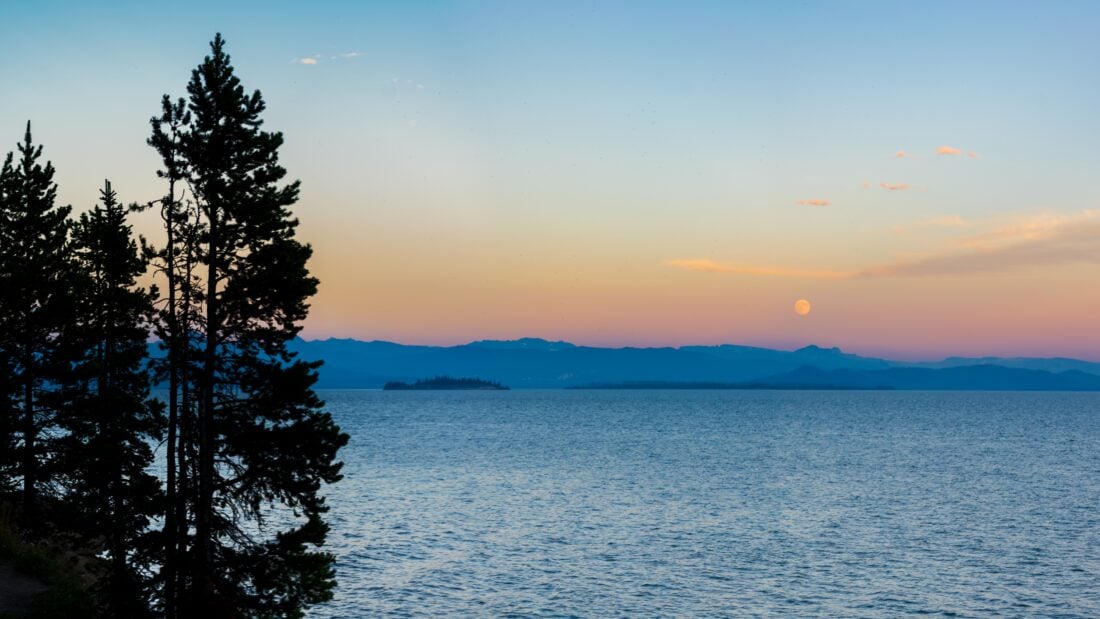
Iceberg Lake, Montana: Icebergs in Summer
Iceberg Lake sits along the Continental Divide in the Lewis Range inside Glacier National Park. The Blackfeet historically called it “Kokutoi Omahkikimi” (Ice Lake). Towering cliffs surround it and keep enough shade over the water that icebergs persist through summer. The hike in is approximately five miles, and grizzly bears are present in the area, so carry bear spray and know what to do.
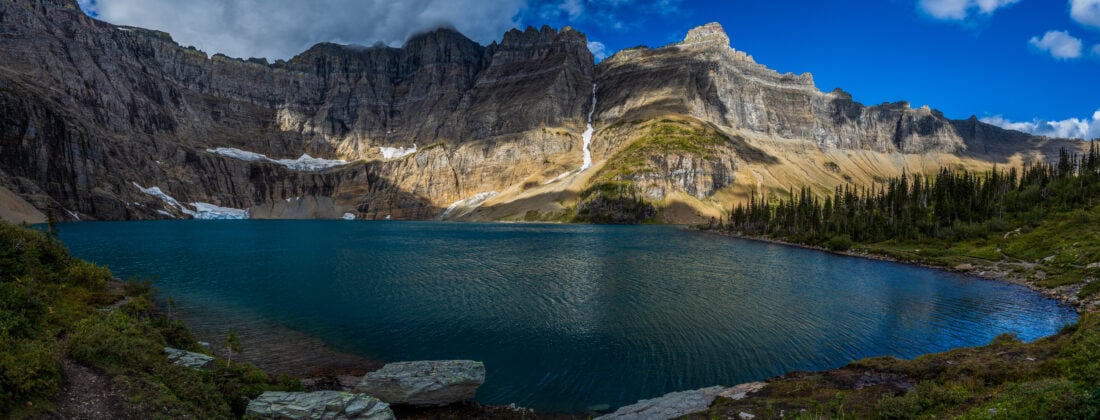
Sawtooth Lake, Idaho: High Altitude, Rugged Views
Sawtooth Lake sits at nearly 8,500 feet in Idaho’s Sawtooth Range. The terrain is glacial and raw. Alice Lake, also in the Sawtooths, is another worth adding to a multi-day backpacking itinerary, offering exceptional conditions for night photography.
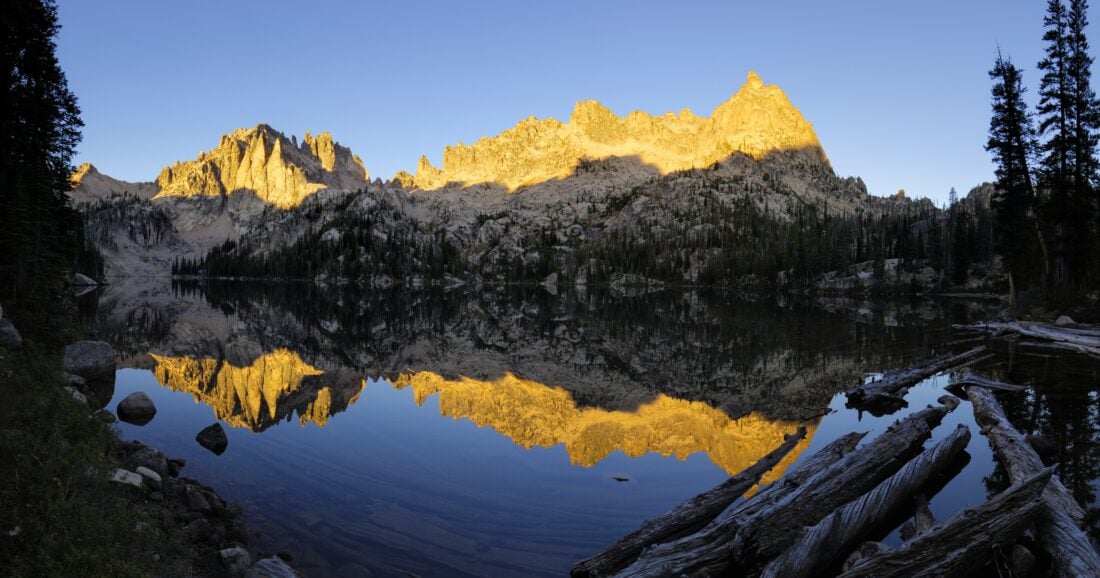
Yellowstone Lake, Wyoming: The Largest Mountain Lake Above 7,000 Feet in North America
Yellowstone Lake sits inside the caldera of the Yellowstone Supervolcano at over 7,000 feet elevation. At nearly 140 square miles, it is the largest mountain lake above that elevation on the continent.
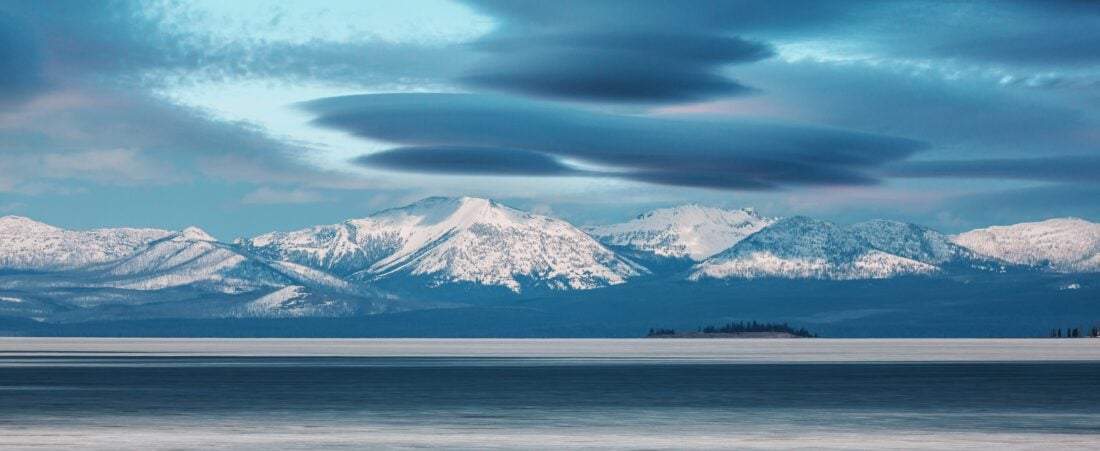
Crater Lake, Oregon: A Caldera Filled With Clarity
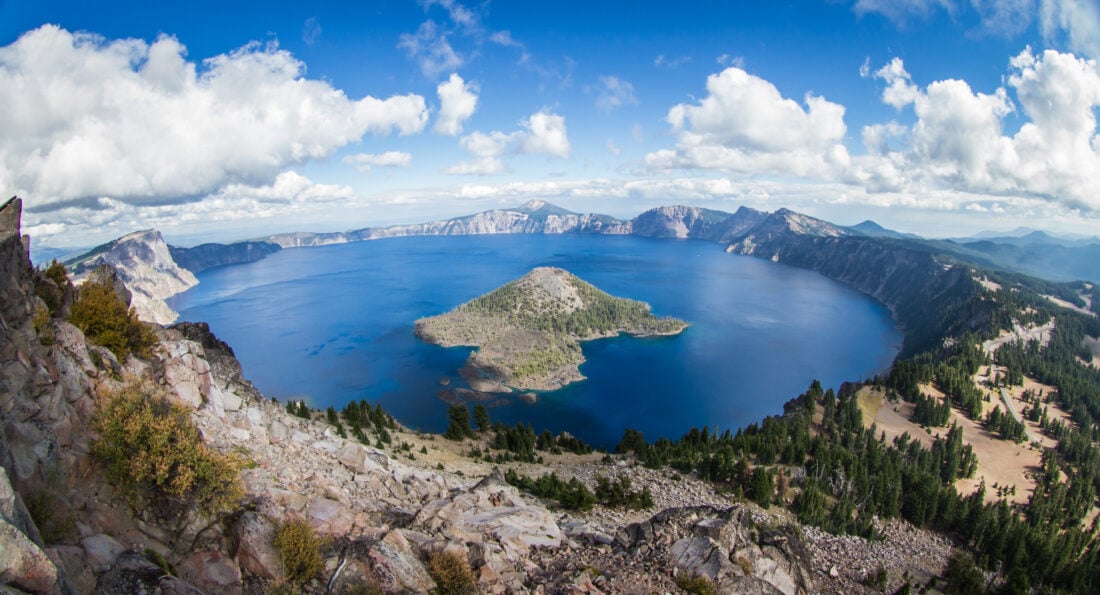
Crater Lake fills the caldera of Mount Mazama in Oregon’s Cascade Range. The water is a deep, saturated blue and is among the clearest in the world. It is not obscure (Crater Lake National Park draws visitors) but it remains underestimated as a destination by travelers who default to coastal Oregon or the Columbia River Gorge.
Lake Chelan, Washington: America’s Third-Deepest Lake
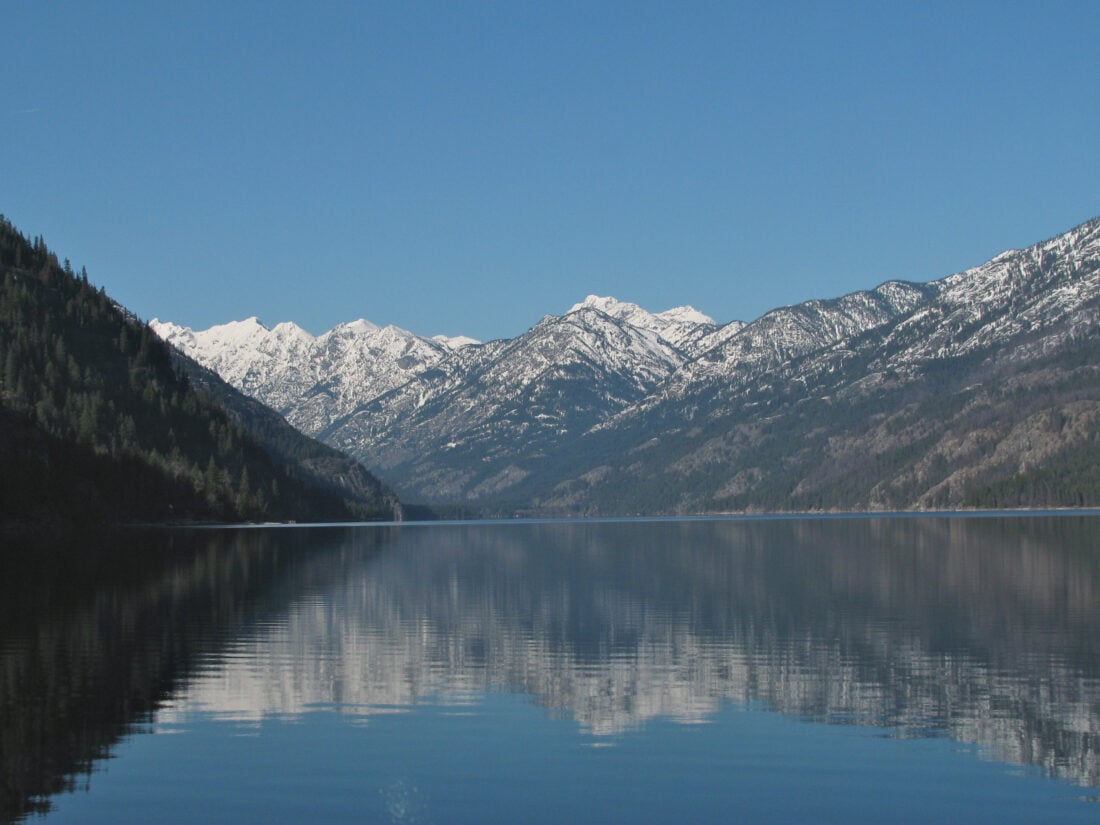
Lake Chelan reaches 1,486 feet in depth, making it America’s third-deepest lake. It stretches 55 miles into the Cascade Range and has a fjord-like quality in its upper reaches. The remote northern end is accessible by boat, foot, or small plane, which filters out most casual visitors and keeps that stretch genuinely quiet.
Lake Waiau, Hawaii: An Alpine Lake at 13,020 Feet on Mauna Kea
Lake Waiau is Hawaii’s only genuine alpine lake, sitting at 13,020 feet on the flanks of Mauna Kea on the Big Island. Its name means “swirling water of a current” in native Hawaiian, and the lake holds cultural significance for Native Hawaiians. In 2013 it shrank significantly but has since recovered with rainfall. It is one of the highest-elevation lakes in the United States.
Backcountry Lakes Worth the Extra Miles
If you are willing to carry a pack and sleep in the backcountry, these lakes reward the effort:
- Island Lake, Wyoming (Wind River Range) – Part of a 41-mile loop from Elkhart Park Trailhead through Titcomb Basin and over Knapsack Col. Sits at approximately 10,300 feet.
- Wanda Lake, California (Kings Canyon National Park) – Located in the Evolution Basin along the John Muir Trail, in a high valley carved by glaciers.
- Minaret Lake, California (Ansel Adams Wilderness) – Reached by a steep trail, surrounded by Sierra spires, with dramatic sunset light. Considered among the most striking lakes along the John Muir Trail.
- Thousand Island Lake, California (Ansel Adams Wilderness) – Framed by Banner Peak, scattered with rocky islets, and visible from miles along the trail before you reach it.
- Quiet Lake, Idaho (White Cloud Mountains) – Accessed via a moderate off-trail route finishing near Castle Peak. Located within a newly designated wilderness area.
- Lake Sylvan, Montana (Beartooth Wilderness) – Campsites look directly toward Sylvan Peak.
- Ouzel Lake, Colorado (Rocky Mountain National Park) – Sits at around 10,000 feet in the Wild Basin area, reached by a moderate hike.
- Mirror Lake, Oregon (Eagle Cap Wilderness) – Located in the Lakes Basin, reflecting the cliffs of 9,572-foot Eagle Cap Peak.
- Oldman Lake, Montana (Glacier National Park) – Framed by a dramatic horseshoe of cliffs, visible from Pitamakan Pass.
A Few Worth Knowing About for Different Reasons
Lake Lure, North Carolina is where much of “Dirty Dancing” was filmed. Guided boat tours of the filming locations run from April through October, and the lake hosts an annual festival tied to the film.
Lake Santeetlah, North Carolina covers 2,800 acres across 76 miles of shoreline, surrounded by the Smoky Mountains. Bald eagles, bears, and deer are common. The nearby Joyce Kilmer Memorial Forest contains yellow poplars reaching up to 100 feet tall.
Fontana Lake, North Carolina was created when Fontana Dam was completed in 1945, providing electricity to Oak Ridge during the atomic bomb project. The lake offers strong fishing for muskie, walleye, and smallmouth bass.
Ross Lake, Washington runs 22 miles through the North Cascades, originates from Diablo Lake, and crosses the border into Canada.
What to Know Before You Go
- Permits and quotas: Many alpine lake areas have backpacking quotas or camping restrictions. Check with the relevant national forest or park before your trip.
- Camping near water: Camping away from lake shores is standard practice in most wilderness areas to protect fragile shoreline ecosystems.
- Motorboats: Some lakes (Clear Lake, Oregon) prohibit motorboats entirely. Verify rules for your specific destination.
- Trail access: Hanging Lake saw an eleven-month closure after the 2020 wildfire. Conditions can change, so confirm trail status before heading out.
- Elevation and weather: Lakes above 8,000 feet can see rapid weather changes. Be prepared for cold temperatures even in summer, especially at places like Sawtooth Lake (8,500 ft) or Lake Waiau (13,020 ft). For reference, conditions across much of the U.S. are sitting around 66°F with overcast skies right now (as of April 2026), but high-altitude spots play by completely different rules.
- Wildlife: Iceberg Lake and Alice Lake in Montana and Idaho are in grizzly country. Carry bear spray.
- Live events and layovers: If your lake trip has you passing through a bigger city, it’s worth checking what’s on. Through spring and summer 2026, you can catch everything from The Last Five Years 25th anniversary with Ben Platt and Rachel Zegler at Radio City Music Hall to NHL and NBA games across the country. Turns out, pairing a backcountry lake with a city stopover makes for a seriously good trip.
The lakes above are spread across a dozen states and range from easy day trips to multi-day backcountry commitments. If you’re building a broader U.S. itinerary, you might also want to check out things to do in New York State or things to do in New England to fill in the gaps between lakes. What all these spots share is that none of them are the first lake most people name, which is exactly why they are worth the trip.
