
This article has links to products and services we love, which we may make commission from.
I turned up to Belfast once with a coat so heavy it could have doubled as body armour. Wore it twice. Spent the rest of the trip in a lightweight waterproof jacket I nearly left at home because I thought it looked a bit sad. Lesson learned, eventually.
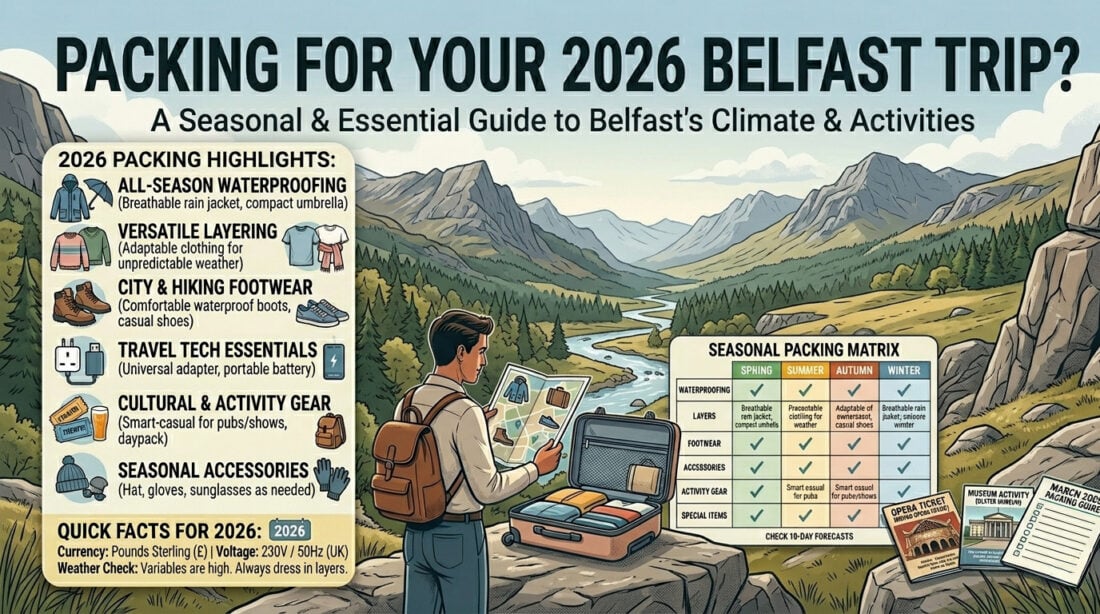
Belfast’s weather has a personality. It’s not dramatically cold, it’s just very damp. As one Queen’s University student put it after moving there from Delhi: Belfast is more wet than cold. That single sentence should shape everything you pack. Right now, for instance, the city is sitting at around 50°F (10°C) with moderate rain and a brutal 94% humidity (as of March 2026). Not brutal temperature-wise, but the kind of damp chill that sneaks through the wrong layers fast.
Quick Answer: What to Pack for Belfast
- A waterproof jacket with a hood (your most important item, full stop)
- Layers, not a heavy coat
- Waterproof shoes or boots
- A small daypack for getting around the city
- British Pounds (not euros — Northern Ireland uses GBP)
- A Type G power adapter if you’re coming from outside the UK or Ireland
- Travel documents in an organised folder
- Any prescription medication, with the prescription itself
Everything else you can buy in Belfast for reasonable prices. Don’t overpack.
What the Weather in Belfast Actually Means for Your Suitcase

The phrase you’ll hear constantly about Irish weather is “four seasons in one day.” It sounds like a cliche until you leave the house in sunshine, get rained on by lunch, and feel a cold wind by mid-afternoon.
Belfast sits in that same pattern. Here’s a rough temperature guide by season, based on Ireland-wide data from multiple packing guides:
| Season | Months | Rough Temps |
|---|---|---|
| Summer | June – August | 15-18°C highs, 9-11°C lows |
| Autumn/Spring | March, April, Sept, Oct | 8-13°C average |
| Winter | Nov – Feb | 5-10°C highs, 2-7°C lows |
Those numbers look manageable. The issue is the wind and rain that come with them. A 10°C day with horizontal drizzle feels nothing like a 10°C day at home. Even in spring, current conditions confirm this: moderate rain and temperatures hovering around 10°C with near-total humidity are standard fare for March (as of March 2026).
The practical upshot: layers beat a single heavy coat every time. Pack things you can peel off when you go inside (which in Belfast, you will, frequently and enthusiastically). Honestly, the city’s best bars in the Cathedral Quarter are half the reason to visit, and you’ll want to be comfortable peeling off that rain shell when you step inside a warm pub.
Clothing: What to Actually Bring
Keep it simple. You don’t need a full wardrobe.
The non-negotiables:
- Waterproof jacket with a hood — a rain shell, breathable and lightweight, is more useful than a heavy winter coat. Hoods matter because an umbrella is basically useless in wind.
- Merino wool layers — sweaters or base layers. Wool stays warm even when damp, unlike cotton, which just becomes a cold wet hug.
- Waterproof shoes or boots — cobblestones, wet pavements, the odd patch of grass near a tourist spot. Your feet will thank you.
- Wool socks — they dry faster than cotton and are kinder to your feet on a long walking day.
- Warm hat, scarf, and gloves — especially for coastal spots or any time between October and April.
- Thermals for layering in winter months.
The full clothing list (roughly):
- 3 pairs of trousers/pants
- 5 tops (mix of short and long sleeve)
- 2 undershirts or camisoles
- 2 sweaters or fleece layers
- 8 pairs of underwear
- 8 pairs of socks (wool where possible)
- Pyjamas
- Belt
- Hat, gloves, travel scarf
- Walking shoes or lightweight hiking boots
- Waterproof rain jacket
- Swimsuit (many hotels have pool or spa facilities)
For most restaurants, bars, and attractions in Belfast, smart casual is absolutely fine. You’d only need to dress up slightly for a very upmarket dinner. If you’re similar to me and tend to overpack “just in case” outfits, resist the urge. I’ve found that the approach in my Vienna packing list applies perfectly here too: pack for the weather, not for some imaginary version of yourself who dresses differently on holiday.
Footwear: Don’t Get This Wrong
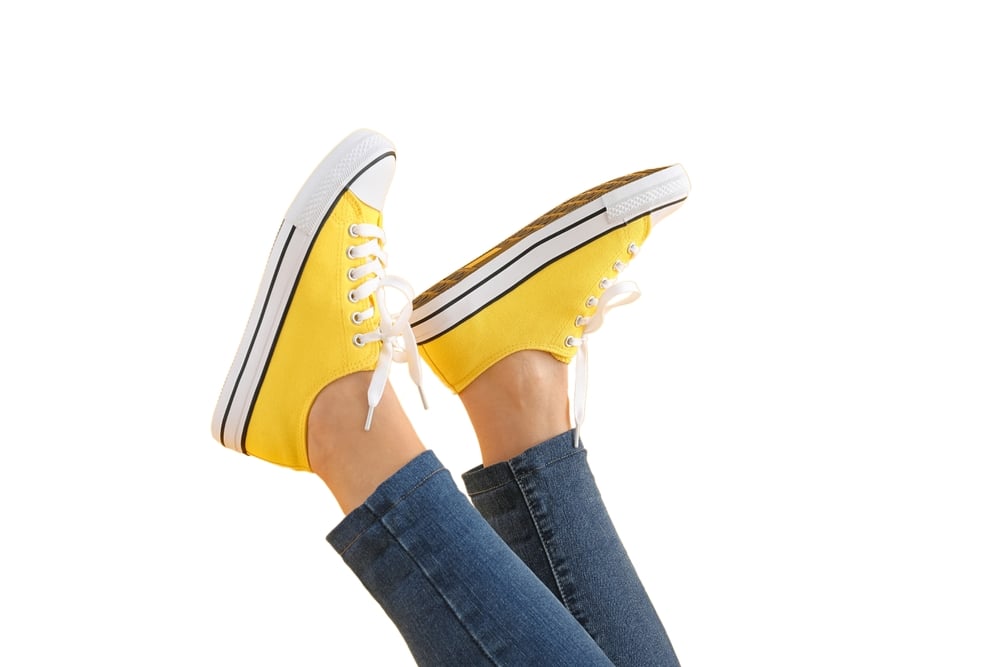
Waterproof footwear is not optional. Comfortable trainers or lightweight hiking boots work well if you’re doing a lot of walking, especially if you’re planning to explore Belfast’s top attractions on foot through guided tours. If you’re staying mostly in the city, a decent pair of waterproof walking shoes does the job.
Bring one pair of shoes you don’t mind getting wet, and one pair for evenings out. That’s it. Shoes are heavy and you’ll resent every extra pair by day three.
The Daypack: More Useful Than You Think
A small backpack or daypack is worth its space in your luggage. When you’re out in Belfast, you want your essentials with you rather than buried in a suitcase back at the hotel.
What to keep in it:
- Wallet (cards and cash)
- Phone and any other electronics
- Water bottle (refillable)
- Waterproof jacket if you’re not already wearing it
- Snacks
- Any medication you need during the day
- Lip balm and sunscreen (yes, even in Belfast)
Toiletries and First Aid
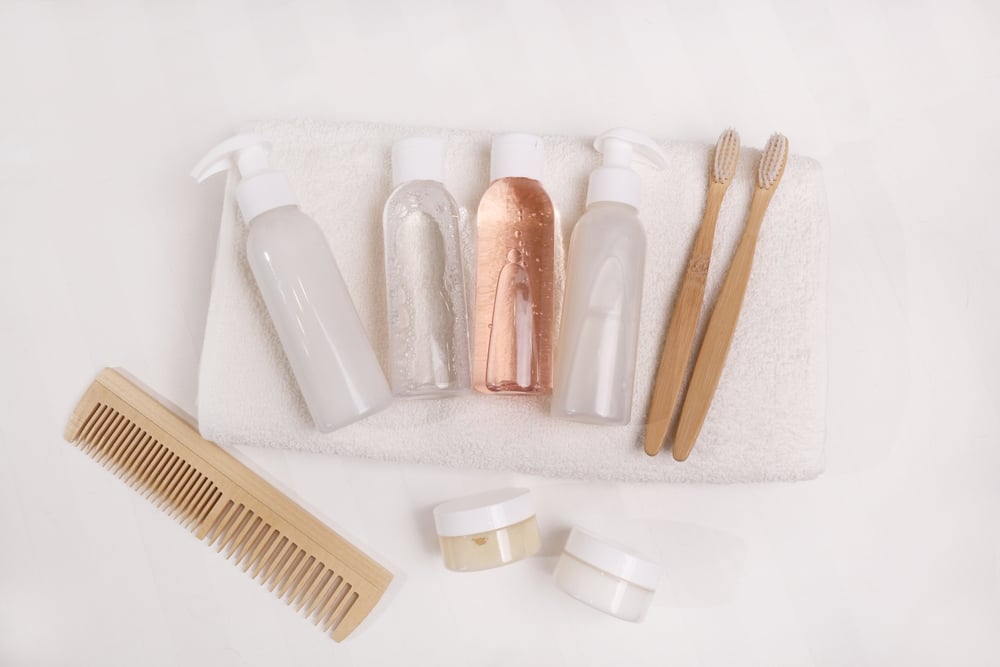
Keep toiletries travel-sized. Irish hotels generally don’t provide washcloths or facecloths, so pack one if you use one.
Basic toiletries:
Toothbrush, toothpaste, floss, shampoo, conditioner, body wash, face wash, deodorant, razor, hairbrush, any make-up, chapstick, hand sanitiser, tissues, baby wipes.
First aid kit:
Plasters (band-aids), pain relievers, antiseptic, anti-diarrhoea medication, motion sickness tablets (some routes to coastal spots involve winding roads), vitamins, feminine hygiene products, tweezers, nail clippers, safety pins.
If you take prescription medication, bring enough for your whole trip plus a few days extra. Getting registered with a GP in Belfast takes time, so don’t rely on sorting a refill quickly. Keep a photo of your prescription on your phone as a backup.
Electronics and Adapters
This is where people get caught out. Northern Ireland uses Type G plugs (the UK three-prong style). A standard European two-prong adapter will not work. If you’re coming from North America or mainland Europe, you need a Type G power adapter.
Most phone and laptop chargers handle dual voltage automatically, but check your hair tools before you pack them. Most Belfast hotels provide hairdryers, so you probably don’t need to bring yours.
Electronics checklist:
- Phone and charger
- Type G power adapter
- Camera and charger (if separate from phone)
- E-reader or tablet with charger
- Portable power bank (around 10,000mAh is useful)
- Extension board if you have multiple devices (plug points in hotel rooms can be awkwardly placed)
Money: The Belfast-Specific Thing Most People Miss
Northern Ireland is part of the United Kingdom. That means British Pounds (GBP), not euros. This catches people out if they’ve been travelling through the Republic of Ireland first, and if you’re planning a trip that crosses the border, you’ll need to sort both currencies.
Some businesses may accept both currencies, but don’t rely on it. Get pounds sorted before or on arrival.
Visa and Mastercard are widely accepted in Belfast. American Express less so. A no-foreign-transaction-fee card is handy if you have one. Carry a small amount of cash for smaller shops, markets, or anywhere that’s having a card machine moment.
Travel Documents: Keep These Organised
Put everything in a clear folder or document organiser. Future-you, standing at a border or a check-in desk, will be grateful.
- Passport (valid for the full duration of your stay)
- Copy of passport
- Driver’s licence (if renting a car)
- Flight or travel tickets
- Accommodation confirmations
- Travel insurance details
- Health insurance information
- Car rental confirmation if applicable
- Emergency contact numbers
- Any medication prescriptions
Keep your passport and key documents in your hand luggage, not your checked bag.
Luggage: How Much Is Too Much
The general advice from every experienced Ireland traveller is the same: pack less than you think you need. There’s real wisdom in the mantra many seasoned travellers swear by, pack half of what you’ve laid out, then remove one more thing. If you forget something, you can almost certainly buy it in Belfast at a reasonable price. Not gonna lie, I’ve been guilty of packing “just in case” items that never leave the suitcase. You can find more of my hard-won packing wisdom across all my packing list guides if you want destination-specific advice.
A medium-sized suitcase plus a small daypack is the standard setup. If you’re going on a guided tour after Belfast, say, heading up to the Causeway Coast, note that some tour operators have luggage size limits (no longer than around 75-79cm on the longest side including wheels), so check before you pack.
Packing cubes help. Collapsible duffels are useful if you pick things up along the way. Luggage tags are basic but worth it.
The old travel saying goes: pack half as much and take twice the money. Annoying, but accurate.
Pre-Trip Checklist
Before you leave home:
- Check your passport expiry date
- Notify your bank you’re travelling
- Arrange travel insurance
- Sort your power adapter
- Get British pounds organised
- Check in online the day before if flying
- Charge all electronics the night before
- Keep passport, tickets, and phone in hand luggage
Belfast Packing List at a Glance
| Category | Key Items |
|---|---|
| Clothing | Waterproof jacket, layers, wool sweater, thermals (winter) |
| Footwear | Waterproof shoes/boots, wool socks |
| Accessories | Hat, gloves, scarf, travel umbrella |
| Electronics | Phone, charger, Type G adapter, power bank |
| Toiletries | Travel-sized basics, washcloth, hand sanitiser |
| First Aid | Plasters, pain relief, motion sickness meds, prescriptions |
| Documents | Passport, insurance, accommodation confirmations |
| Money | British Pounds (GBP), debit/credit card |
| Bag | Medium suitcase + small daypack |
| Extras | Refillable water bottle, snacks, packing cubes |
Pack smart, leave room for the inevitable souvenir you didn’t plan on buying, and don’t bring an umbrella you can’t hold onto in a stiff Belfast wind.