
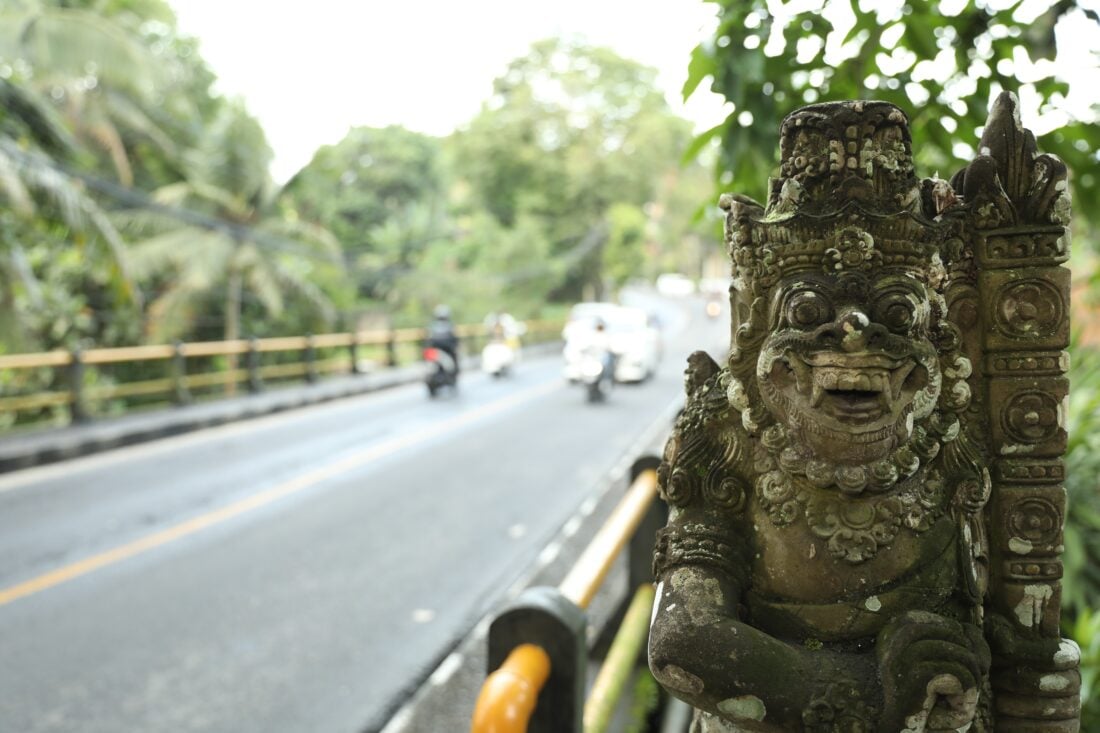
May is one of the best months to visit Bali. It marks the start of the dry season, bringing warm temperatures, low humidity, and clear skies, with far fewer tourists than the July-August peak. Accommodation prices can be up to 30% lower than high season, and conditions suit almost every type of traveller. If you’re the kind of person who enjoys planning trips around seasonal timing, Bali in May is a seriously smart call.
Quick-Answer Summary
| Factor | May at a Glance |
|---|---|
| Season | Start of dry season |
| Average daytime temp | 27-30°C (81-86°F) |
| Average high (Denpasar) | 31°C (88°F) |
| Average overnight low | 22.5-24.6°C (72-76°F) |
| Average rainfall | 23 mm (TUI) |
| Rain days | Around 8 per month |
| Sunshine hours | Around 8 per day |
| Humidity | Around 80% |
| Crowds | Moderate – well below peak |
| Prices | Mid-range, up to 30% off high season |
What Is the Weather Like in Bali in May?
Bali in May sits at the transition from wet to dry season. Days are mostly sunny with warm temperatures and refreshing breezes. Any rain that does fall comes as short, sharp showers rather than prolonged downpours, leaving plenty of time for beaches, temples, and jungle trails.
Average daytime temperatures across the island sit between 27°C and 30°C (81-86°F). In Denpasar, daily highs range from 29.9°C to 32.1°C, with overnight lows between 22.5°C and 24.6°C. Evenings cool to around 25°C, making them comfortable without needing much more than a light layer. For context, current conditions in Bali are sitting at 76°F with overcast clouds and 91% humidity (as of April 2026), which is typical of the tail end of the wet season before May dries things out.
The UV index is high year-round in Bali. In May, sunscreen (SPF 30 or higher), a hat, and sunglasses are non-negotiable.
How Does May Weather Vary Across Bali?
Temperatures and conditions shift depending on where you are on the island.
Coastal areas (Kuta, Seminyak, Canggu, Sanur, Padangbai): warm and sunny, 27-31°C (81-88°F) with gentle sea breezes. Ideal for beach days and water sports.
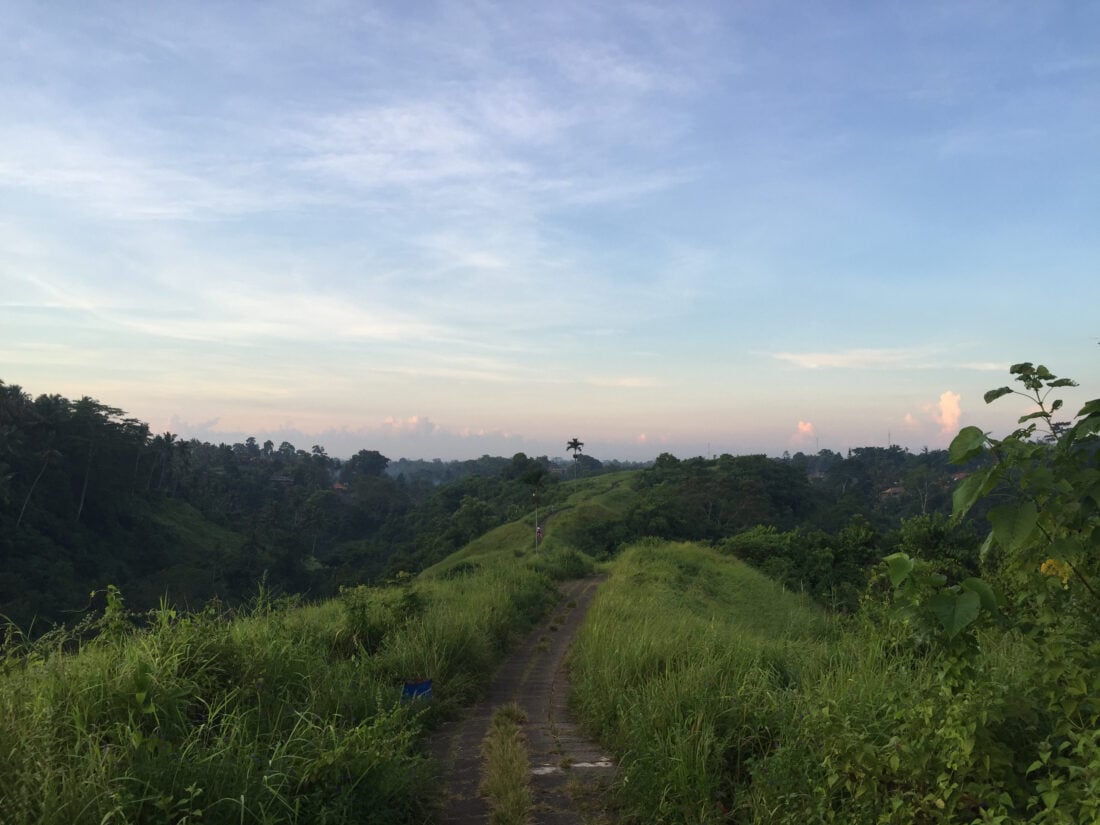
Highlands (Ubud, Sidemen, Bedugul, Kintamani): cooler, 23-26°C (73-79°F), with dry conditions and mist-free mornings. Ubud is at its greenest in May, lush from the rainy season just ended but dry enough for forest walks and rice terrace hikes.
Bukit Peninsula (Uluwatu, Nusa Dua, Pecatu, Ungasan): minimal rain, 26-30°C (79-86°F), with clear skies and sparkling ocean views from the clifftops.
Nusa Islands (Nusa Penida, Nusa Lembongan, Nusa Ceningan): warm and mostly sunny, 28-30°C (82-86°F) with occasional breezes. Good conditions for snorkelling.
Is May a Good Time to Visit Bali?
Yes, and it is honestly one of the most underrated months to go. The combination of dry weather, moderate crowds, and lower prices makes it a practical choice for most travellers.
Crowds: May quiets down after the Easter rush. Visitor numbers are well below the June-August peak, which means more space at popular sites and on the beaches. Frequent travellers on Reddit rave about May for exactly this reason, though some note that the southern beach clubs (especially around Seminyak and Canggu) still pull decent crowds on weekends. It’s quieter, not empty.
Prices: Accommodation and tour prices in May can be up to 30% lower than high-season rates. It is a good month to find value without compromising on weather. Indonesia’s local currency is the Indonesian rupiah (IDR), and smaller warungs and market stalls deal almost exclusively in cash, so having rupiah on hand is essential.
Activities: The dry, clear conditions suit a wide range of outdoor pursuits, from surfing and snorkelling to hiking and temple visits. Canggu has good waves with less-crowded lineups. Kuta is well-suited to beginner surf lessons. Sanur works well for cycling and day trips to Nusa Lembongan. Snorkelling around Menjangan Island and Nusa Penida is excellent in the dry season conditions.
What to Do in Bali in May
The weather in May opens up the full range of Bali activities.
- Hike Mount Batur at sunrise, clear skies make for strong summit views
- Snorkel or dive around Nusa Penida or Menjangan Island
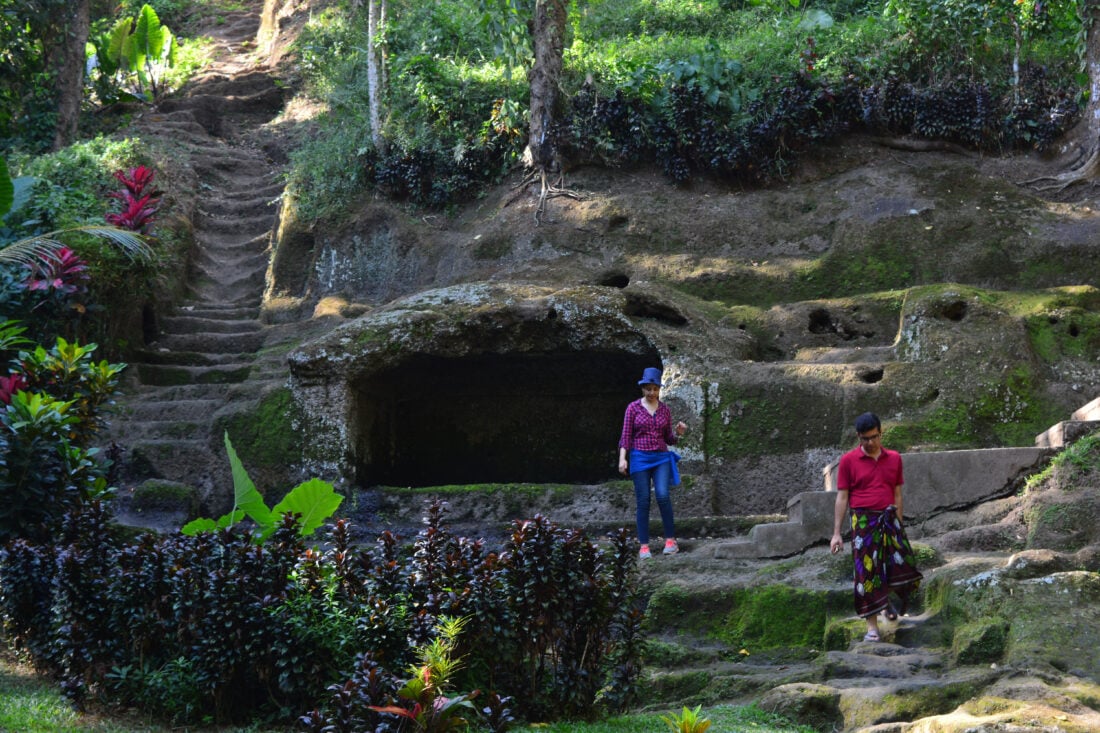
- Explore Ubud’s rice terraces and surrounding forest trails
- Surf in Canggu or take lessons in Kuta
- Cycle through Sanur and take a boat to Nusa Lembongan
- Watch dolphins at Lovina
- Chase waterfalls, roads are less congested than peak season
- Day trip to Amed or Nusa Penida without heavy traffic
- Visit temples and cultural sites without the peak-season crowds
The relaxed pace in May also suits slower travel, lingering over breakfast in an Ubud cafe, catching a legong dance performance, or spending a full day at a beach club in Seminyak. Not gonna lie, the lack of queues at places like Tirta Empul and Tanah Lot alone makes May worth considering.
Festivals and Events in Bali in May
May can coincide with several significant events, depending on the year.
- Galungan and Kuningan – a major Hindu festival, when temples are decorated and the island feels especially alive
- Bali Spirit Festival – a yoga, dance, and music gathering held in Ubud
- Ubud Food Festival – showcasing Indonesian and international cuisine
- Vesak Day – a Buddhist celebration observed across Indonesia
- Bali Arts Festival – may begin depending on the calendar
Note: exact dates for these events shift each year, so check specific dates before booking around them. Bali operates on UTC+07:00 (WITA), so factor that in when planning calls home or booking anything time-sensitive.
What to Pack for Bali in May
Pack for warm, tropical days with the possibility of a brief shower.
- Light, breathable clothing (linen, cotton, skip the jeans)
- Swimwear
- A light jacket or layer for highland areas and cooler evenings
- Comfortable walking shoes
- Sunscreen SPF 30 or higher, sunglasses, and a hat
- Insect repellent (May is not peak mosquito season, but it is still worth having)
- A reusable water bottle
- Rain gear as a backup, showers are short but can appear without warning
For temple visits, cover your knees and shoulders. Many temples provide sarongs at the entrance, but having your own is easier. If you want a proper rundown of travel gear that actually holds up, we’ve got a full list for that.
Where to Stay in Bali in May
Each area suits a different travel style.
Seminyak works well for beach clubs, restaurants, and a lively but not overwhelming atmosphere. Sanur is calmer and good for families or those wanting easy access to the Nusa Islands. Ubud suits culture-focused travellers and anyone doing highland hikes or yoga retreats. Canggu is the pick for surfers and digital nomads, with a relaxed creative scene and good waves in May.
Bali in May vs. Peak Season: Key Differences
| Factor | May | July-August (Peak) |
|---|---|---|
| Crowds | Moderate | High |
| Accommodation prices | Up to 30% lower | Full high-season rates |
| Weather | Warm, dry, clear | Warm, dry, clear |
| Surf conditions | Good, less crowded | Good, busy lineups |
| Temple and site access | Relaxed | Queues common |
The weather in May and peak season is broadly similar, both are dry and warm. The practical differences come down to cost and crowd levels, both of which favour May. If you’re also weighing up warm island options later in the year, it’s worth comparing what different months offer across destinations.
Practical Tips for Bali in May
- Book accommodation in advance if you are visiting around Galungan, prices and availability shift during festival periods
- The UV index is high even on overcast days; apply sunscreen every morning
- Wind speeds average around 10 km/h in coastal areas, light and pleasant rather than disruptive
- Frangipani flowers bloom in May, adding to the atmosphere around temples and resorts
- A scooter rental gives you flexibility for day trips when roads are quieter than peak season
- Carry a small amount of local currency (rupiah) for offerings, temple entry fees, and local warungs
- The official language is Indonesian, but English is widely spoken in tourist areas. Learning a few basic phrases (terima kasih goes a long way) never hurts