
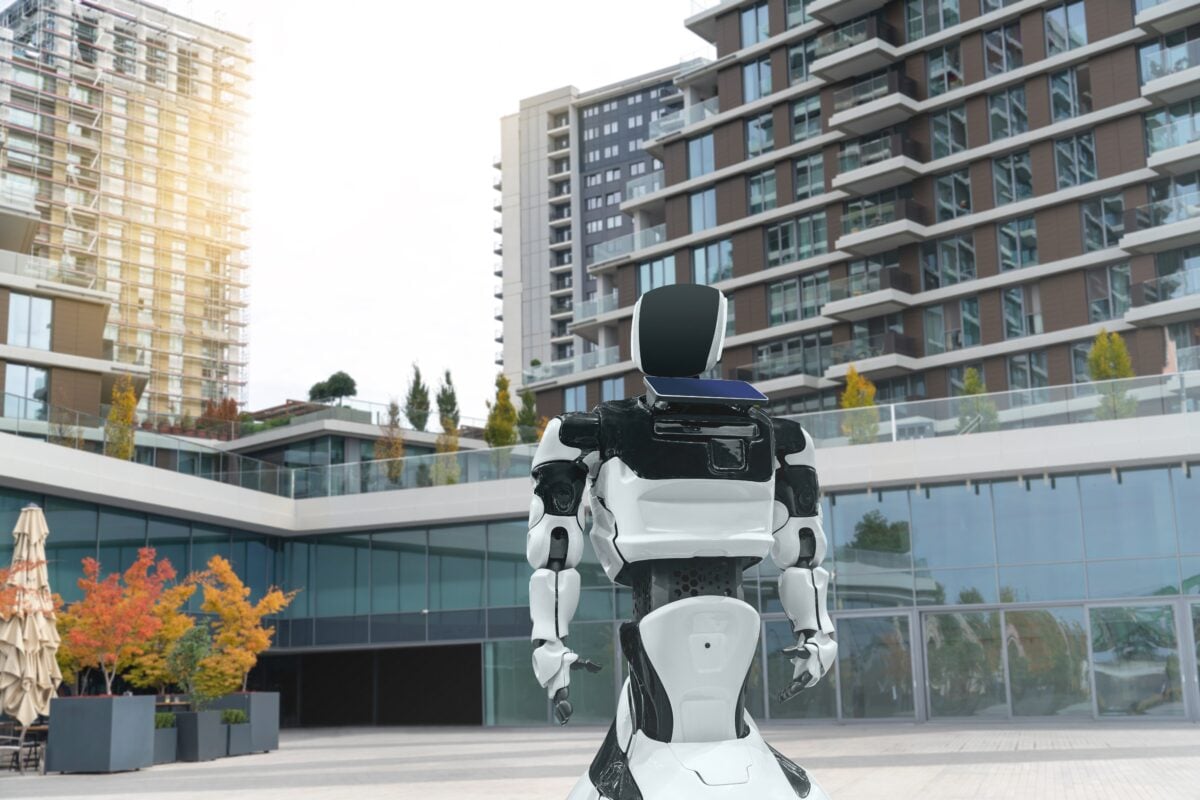
China’s First Robot Hotel Is Heading Toward 2027, And Backpackers Should Watch The Price Tag
China is lining up a hotel stay that sounds like sci-fi with a room key. By 2027, the country plans to open what it says will be the world’s first hotel operated entirely by robots, and that immediately raises the only question budget travelers really care about: does the tech make a trip cheaper, faster, or just weirder?
For anyone who has ever waited far too long for a late-night check-in, the appeal is obvious. If the automation is real and works properly, it could mean smoother arrivals, fewer staffing bottlenecks, and maybe even leaner room rates. If it does not, well, it becomes a very expensive way to lose your patience in a lobby.
At this stage, the biggest draw is the concept itself. A fully robot-run hotel would be one of the more ambitious moves in hospitality, where the front desk might be less human than your phone and the luggage help may arrive on wheels rather than in a uniform. If that sounds chaotic, you are not wrong. But it is also exactly the kind of thing that can reshape cheap city stays if the numbers work out.
What A Robot-Run Hotel Actually Means
A fully robot-operated hotel points to automation across the parts of a stay that usually soak up time and labor costs: check-in, guest help, deliveries, and service tasks. That does not automatically mean luxury for less, but it does suggest a different hospitality model, one built around machines doing the repetitive bits while humans fade into the background.
For travelers, the real test is less about the novelty and more about the outcome. If the system is smooth, it could be a blessing for tired arrivals and red-eye flight survivors. If it is clunky, it may feel like being trapped in a futuristic escape room with a suitcase.
The main questions are the same ones people ask any time hotels start leaning on automation:
- Will check-in be faster?
- Will service still be available around the clock?
- Will lower labor costs lead to lower room rates?
- Will the experience feel efficient or just annoyingly mechanical?
The last point is not a small detail. A robot that saves five minutes is useful. A robot that turns a simple request into a twenty-minute technology stare-down is just a fancy obstacle with a charging cable.
Why Budget Travelers Should Care
Most backpackers are not hunting for a hotel story to tell at dinner. They just want a bed, a shower, and maybe a desk that does not wobble like it has seen things. If automation trims operating costs, some of that efficiency could, in theory, show up as better-value room rates or simpler service that skips the fluff.
That is the optimistic version. The less romantic version is that hotels may keep prices steady while quietly replacing people with machines. Classic hospitality, really. The guest gets fewer smiles, and the accountant gets a better spreadsheet.
Still, there are a few real upsides that could matter for travelers trying to keep costs down. A robot-heavy setup could bring:
- Quicker check-in for late arrivals
- Less dependence on staffing levels when you arrive after midnight
- Possible cost savings if automation lowers operating expenses
- More novelty for the money if the room rate stays reasonable
There is a catch, of course. None of the important details, like actual pricing, location, or guest rules, are locked in here yet. So for now, this is a case of “interesting future stay,” not “book it before the rooms vanish.”
How Automation Could Reshape The Hotel Experience
A robot-run hotel is not just about swapping out the receptionist and calling it progress. It usually means the entire building has to be designed differently, from delivery routes to cleaning logistics to how guests get help when something stops working at 1 a.m. and your plans stop being cute.
That can make more sense in busy urban areas where speed matters more than charm. It may also appeal to travelers who prefer contact-light service and do not mind trading local banter for efficient systems that do exactly what they were programmed to do, assuming they cooperate.
| Hotel Feature | Traditional Model | Robot-Run Model |
|---|---|---|
| Check-In | Front Desk Staff | Automated Or Robotic Systems |
| Guest Support | Human Reception And Concierge | Machine-Led Assistance |
| Deliveries | Staff Carry Items | Robotic Delivery |
| Late-Night Service | Depends On Staffing | Designed For Automation |
That setup sounds sleek on paper. In practice, it only works if the machines can do the boring stuff without making everyone wish for a normal person behind the desk. Travelers are usually happy to skip the theatrics as long as the shower works and the Wi-Fi does not behave like it is on a spiritual journey.
China’s Push Into Travel Tech
China has already been a major test bed for automation in transport, retail, and manufacturing, so a robot hotel fits neatly into that pattern. Hotels are among the most labor-heavy parts of the travel industry, which makes them obvious targets for experimentation when companies start looking for ways to move faster and spend less.
For visitors, that can translate into more experimental stays, some polished and some feeling a bit like a live demo with sheets. The interesting part is that hotel automation does not usually stay trapped in one property for long. Once operators see a way to cut costs or streamline service, the idea tends to spread.
That broader shift is already visible in hospitality more generally. Major hotel brands keep testing new models in different markets, from better efficiency to sharper positioning, including moves like Hilton’s new Spark by Hilton openings in India and efforts tied to more sustainable hotel operations. The robot hotel trend is simply the louder, shinier version of the same push for leaner service.
What Still Needs To Be Confirmed Before Opening Day
The plan is eye-catching, but the details travelers actually use when booking are still missing. Until those show up, the hotel is more concept than candidate for your next overnight stop.
- Location: the exact city or district has not been specified here
- Room rates: no pricing has been announced
- Guest support: it is still unclear how much human backup will remain
- Booking details: there is no reservation information yet
- Operational scope: the exact systems that will be robot-run have not been fully outlined
That means the smart reading is simple: treat this as a future hotel plan, not a current travel deal. For now, it belongs in the same category as sleeping pods, capsule hotels, and other stays that make sense only if you value efficiency over elbow room.
What It Could Mean For Cheap Future Stays
If this project actually works, it could push other hotels to automate more of the guest journey. That might be good news for travelers who like predictable service and quick turnarounds, especially in places where the old check-in dance can eat up half an evening. It could also trigger a wave of copycats that promise modern convenience and deliver one robot plus a lot of waiting.
For budget travelers, the useful question is not whether the hotel is futuristic. It is whether the futurism saves money. If automation eventually leads to cheaper room rates, better late-night access, or less time wasted on check-in, then the concept has real value. If it only adds novelty, then it is mostly bragging rights with extra steps.
There is also the broader traveler angle. Automation can make hotel stays more standardised, which is great when you just want a clean bed near transport and no drama. It can also make properties feel a bit sterile, which is less great if you like local character. Budget travelers tend to tolerate both as long as the numbers make sense.
How To Read This As A Traveler
If a robot hotel opens as planned, it will probably become one of those places people visit partly for the room and partly for the story. That makes it especially relevant for tech-curious backpackers, digital nomads, and anyone who enjoys finding oddball accommodation without blowing the whole trip budget.
Here is the practical version of the takeaway:
- Good for curious travelers who want an unusual stay
- Potentially useful for budget travelers if automation lowers costs
- Worth watching as a sign of where hotel service is heading
- Not ready for booking yet because key details are still missing
2027 is still far enough away that a lot can change, but the direction is clear. Hotels are getting more automated, and China wants to be first out of the gate with a fully robot-run version. That is either the future of lodging or the world’s most elaborate self-check-in kiosk, and honestly, both feel plausible right now.
