
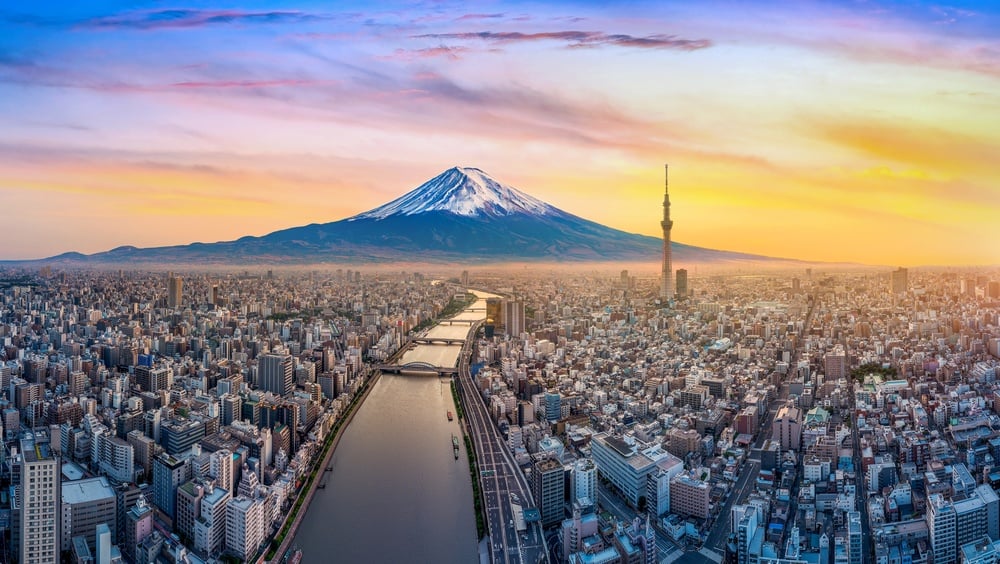
A Tokyo bleisure itinerary works best when you put the meetings in first and fit the city around them. A Skyscanner survey reported by Forbes found that 83 percent of travellers sometimes add leisure to a business trip.
This plan covers which part of Tokyo to base yourself in, a realistic five-day schedule, how to keep evenings and calls home under control, and what to know if you want to stay longer or add Osaka.
Quick answer. Stay in Tamachi if most of your meetings are around Minato or Shinagawa, or pick Marunouchi if you’re working near Tokyo Station. Keep arrival day light, leave the middle three days for meetings, and save the fifth for one area you’d like to explore on foot. If you can add a sixth day, use it for another Tokyo neighbourhood or an overnight in Osaka.
Why Tokyo Suits a Work and Wellness Trip
Tokyo was named the world’s best city for a workation in 2025 by International Workplace Group. It slipped one place in IWG’s 2026 Work from Anywhere Index, finishing second behind Bangkok, and still scored well for culture, safety and sustainability.
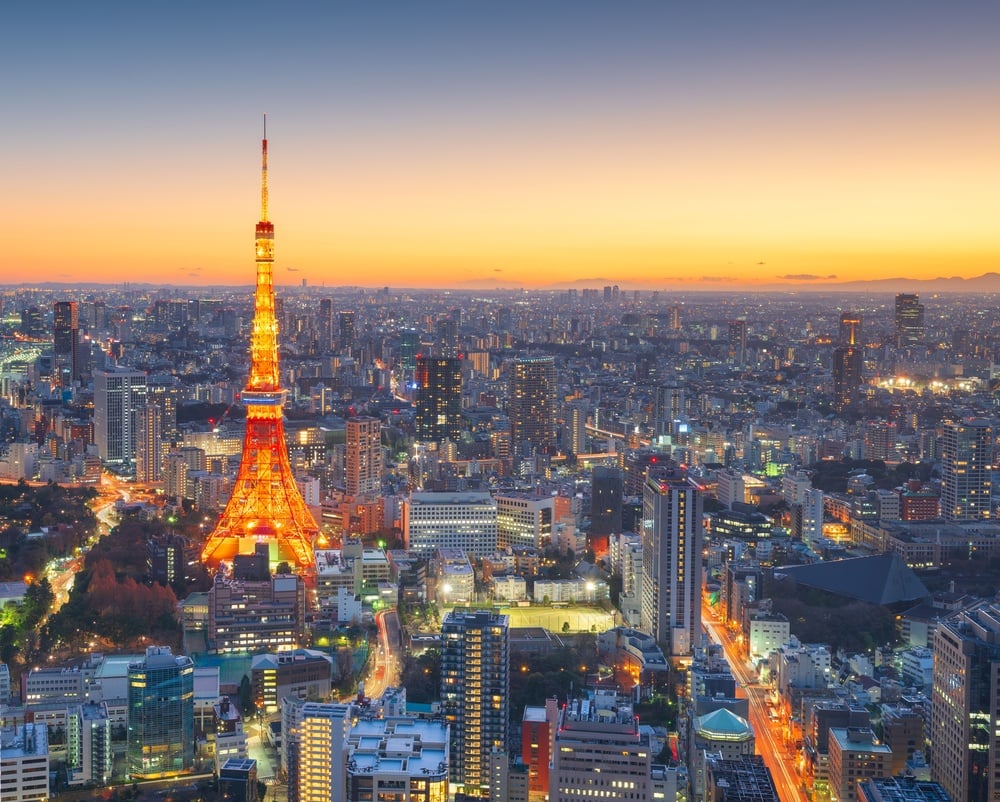
That mix is handy when you only have half an hour to yourself. Around Shiba, you can take a walk below Tokyo Tower between breakfast and a meeting. Near Tokyo Station, you can get some air on Marunouchi’s side streets without committing to a second train. Look for something you’d still do if the last meeting ran late.
Getting in is straightforward. The train from Haneda Airport to Tokyo Station takes about 30 minutes today with a change. JR East’s direct Haneda line is expected to cut that to around 18 minutes. A Jiji Press report on the Haneda line’s 2031 opening says the project has been pushed back two years, so plan this trip using the routes already running.
If you land at Haneda (HND), take Keikyu towards Shinagawa for a hotel around Shinagawa, Takanawa or Tamachi, or take the Tokyo Monorail to Hamamatsucho for a base near that station. For Tamachi, check the final leg from Shinagawa or Hamamatsucho before you leave the terminal. The airport puts the journey to Tokyo Station at about 30 minutes, with a change along the way. Add time for baggage, waiting for trains and the walk to your hotel. See Haneda Airport’s rail and monorail routes.
If you land at Narita (NRT), the Narita Express runs directly to Tokyo Station, Shinagawa, Shibuya and Shinjuku on its network. Check your specific departure for the right stop. JR East puts the ride to Tokyo Station at about an hour. If you land late at either airport, check the last connection all the way to your hotel, including the transfer. See JR East’s Narita Express guidance.

Where to Stay on a Tokyo Bleisure Trip
Pick your base by where the meetings are, then check what’s walkable after dark. Tamachi, in Minato, is a practical middle ground for many work trips. JR Tamachi Station sits on the Yamanote and Keihin-Tohoku lines, and Mita Station next door serves the Toei Asakusa and Mita lines.
One stop south, Takanawa Gateway City fully opened on former rail yards in March 2026, adding offices, shops and an experimental culture museum. Time Out’s guide to MoN Takanawa has its opening hours if you want a short cultural stop between meetings.
| Base | Good for | Watch out for |
|---|---|---|
| Tamachi and Shibaura (Minato) | Meetings around Shinagawa, Shiodome or Tokyo Station | Quieter at night than Shibuya or Shinjuku |
| Marunouchi and Otemachi | Head offices near Tokyo Station and early Shinkansen departures | Higher hotel prices and quieter weekends |
| Shinjuku | West-side offices and a wide choice of hotels and food | A huge, busy station at rush hour |
| Shibuya | Tech and creative firms, and evenings out | Crowds and noise late into the night |
For two meetings on opposite sides of the city, prioritise the office you’ll visit most often or the one you need to reach earliest. Pin the actual lobby entrance in your map app, along with the station exit on the invitation. At Tokyo Station, check whether you need the Marunouchi or Yaesu side. In Shinjuku, look up the named exit before you get off the train, especially if someone is meeting you at street level.
When comparing hotels, check the walk from the station exit, the desk in the room, and whether the gym opens before your first meeting. If you’re taking calls from the hotel, ask about a quiet room and check what workspace is available between checkout and your flight. If work covers only part of the trip, ask the hotel whether it can split the business and personal nights on your receipts and let you stay in the same room.
A Realistic 5-Day Tokyo Bleisure Itinerary
This plan assumes four days with work commitments, including light admin on arrival, and a free fifth day. If you’ve a heavy meeting load, one decent walk and one good dinner a day will do more for you than squeezing in three sights.
| Day | Work | Wellness or leisure slot |
|---|---|---|
| Day 1 (arrival) | Check in and light admin only | A short walk in daylight, an early dinner near the hotel and an early night |
| Day 2 | First meetings, ideally from late morning | A morning walk through Shiba Park, below Tokyo Tower |
| Day 3 | Full meeting day | The hotel gym before breakfast, then dinner in your own neighbourhood |
| Day 4 | Meetings and wrap-up | Client dinner or drinks in one area to avoid a late trip across the city |
| Day 5 (free) | A quick inbox check | A slow morning, then one area on foot, such as the streets around Sengakuji temple near Takanawa |
Day 1. Land, check in and walk near the hotel
If you arrive before check-in, ask the hotel to hold your bag and head out for a meal or a short loop nearby. From Tamachi, the Shibaura side gives you the option of a canal-side walk. Save your meeting addresses, check the first route and send any essential messages while you have Wi-Fi. If you land after dark, go straight to dinner near the hotel and move the daylight walk to the next morning.
Day 2. Leave room for Shiba Park before your first meeting
Give yourself 30 to 45 minutes for a walk through Shiba Park and past Zojoji Temple, with Tokyo Tower behind it. You can shorten the loop if your meeting moves forward or it starts to rain. Look up the office’s visitor entrance and leave time for reception, especially on your first visit. If your meetings are in Marunouchi, use the same window for a walk towards the Imperial Palace’s outer grounds. See GO TOKYO’s guide to Zojoji Temple.
Day 3. Keep a full meeting day simple
Use the hotel gym before breakfast if it fits, or walk part of the way to your first meeting. If you’ll be in the same office district all day, pick a lunch spot within walking distance and use any spare time to write up your morning notes. For dinner, pick somewhere close enough that you can head straight back to the hotel if a call home is already on the calendar.
Day 4. Wrap up in the district where you’ll have dinner
If you’re hosting clients, book near their office or a station that gives everyone a straightforward ride back. Check the venue’s last food order and whether you need to reserve a table. Leave 20 minutes after the final meeting to send follow-ups, confirm next steps and sort receipts. That gives you a better chance of leaving the laptop shut on your free day.
Day 5. Pick one part of Tokyo and take your time
For a low-effort day from Tamachi, start at Sengakuji, then head towards Takanawa Gateway for lunch and MoN Takanawa if it’s open. If you’d prefer a change of scene, choose Asakusa for Sensoji and a walk by the Sumida River. With a same-day flight, ask the hotel to hold your luggage and set a time to collect it before you head out.
A few rules make that table work in practice.
- Group meetings by area. Two meetings in Marunouchi and one in Shinjuku on the same day can eat up your free time on trains.
- Block leisure in your calendar. If it isn’t booked, a call will fill it.
- Keep the free day free. If you can’t, move it to the start of the trip and use it to get over the flight.
How to Protect Your Evenings and Calls Home
Tokyo is nine hours ahead of GMT and doesn’t change its clocks, so your overlap with home moves when the UK, Ireland, Europe or North America switch to and from summer time. Calls to London in a British winter, for example, land in your Tokyo late afternoon or evening. Check the window before you agree to a recurring meeting.
For a London team, 9am there is 6pm in Tokyo during the British winter and 5pm during British Summer Time. For New York, an 8pm winter call lands at 10am the following day in Tokyo. If evenings in New York are off the table, 8am there is 10pm in Tokyo during Eastern Standard Time or 9pm during Eastern Daylight Time. Put the date and city in your invitation when a call crosses midnight, and batch routine updates into one written message if you only need a decision or a status check.
Two Scots Abroad · Travel data
When can you call home from Tokyo?
Pick where your office or family is. The table lines up a Tokyo day (7am to 11pm) with the time back home for today’s date, and highlights the hours that are inside a normal 8am to 7pm day there.
Home city
A Tokyo day against home time
| Tokyo | Home | Call? |
|---|
Japan doesn’t use daylight saving time, so Tokyo stays nine hours ahead of GMT all year. The gap to the UK, Ireland, Europe, North America and Sydney changes when their clocks go forward or back, and the table follows that automatically.
Based on the IANA time zone database and calculated in your browser for today’s date · As of November 2026 · twoscotsabroad.com
Once the calls are done, keep the evening close to your bed. If you’d rather avoid crossing the city for a nightcap, Pullman Tokyo Tamachi, which connects directly to JR Tamachi Station, lists its bars in Tokyo on one page. There’s the JUNCTION lobby bar and PLATFORM 9, a rooftop bar overlooking the Yamanote line. Check opening hours before you plan a client drink there.
Sort your mobile data before you land, so work messages don’t depend on hotel Wi-Fi. Our guide on whether an eSIM works overseas covers what to check with your phone and provider.
Before leaving the hotel each morning, save the day’s meeting addresses, including the building name in Japanese if you have it. Keep the hotel address handy for the trip back. If you plan to tether a laptop between appointments, check whether your data plan supports hotspot use and test your work VPN before the first call.
Sleep and Jet Lag on a Tokyo Work Trip
For personal medical advice before a long-haul trip, speak to a doctor or pharmacist, especially if you have a health condition or take regular medication.
Give yourself some room in the schedule. If you can, avoid a morning meeting on the day after you land, and keep your first evening quiet. A few small things in the room help too.
- Ask for a room away from the lifts and ice machines when you book.
- Pack an eye mask and earplugs in case the curtains or the street let you down.
- Get outside in daylight on your first full day, even if it’s only a walk to a meeting.
If an early presentation is fixed, do the fiddly bits the night before. Check the route, put your slides somewhere you can open them offline, and find out when breakfast starts. On a trip with several early starts, a hotel close to the venue gives you more control over your morning than a longer commute from a livelier district.
Some of the work starts on the plane. Our roundup of long-haul flight comfort hacks frequent flyers use covers seats, layers and what to keep in your bag.
Can You Stay Longer on Japan’s Digital Nomad Visa?
If one week turns into a wish for a season, Japan does have a route. The Ministry of Foreign Affairs digital nomad visa page sets out a six-month stay with no extension for people working remotely for employers or clients outside Japan.
- You need an annual income of at least 10 million yen. Its value in dollars or pounds moves with the exchange rate, so check it against the yen figure.
- You need insurance covering death, injury and illness, with medical cover of at least 10 million yen.
- It’s only open to certain nationalities, and a spouse and children can apply to come with you.
Start with the eligible country and region list linked from the ministry’s page. Its examples of income evidence include a tax certificate, employment contract or client contract showing the term and payment. It also lists separate documents for accompanying family, including proof of the relationship and insurance.
The digital nomad visa is designed for longer stays. For a few extra days after a conference, check which activities your current entry status permits, especially if you plan to keep working remotely. Ask the Japanese embassy or consulate that serves you if your plans are unclear. If you’re extending a work trip, check your employer’s overseas-work policy, including any tax and data requirements.
Adding Osaka to a Tokyo Work Trip
If you’ve a client or a free weekend in Kansai, the Nozomi Shinkansen gets you from Tokyo to Shin-Osaka in about two and a half hours, and the reserved seats are fine for clearing email on the way. Osaka has a different pace from Tokyo, with more street food and a looser evening scene. Our Osaka bleisure trip guide covers where to stay there and how to plan your workdays.
If you’re based in Tamachi, check departures from Shinagawa as well as Tokyo Station. In Osaka, the bullet train arrives at Shin-Osaka, so allow time for the local leg to Umeda, Namba or your client’s office. Save that station name when booking your ticket. See JR Central’s Tokaido Shinkansen overview.
For one free day and a flight out of Tokyo, staying in the city gives you more time on foot and a simpler trip back to the airport. If you can spare a night, take the train after your last Tokyo meeting, have dinner in Osaka and leave the following morning for a client visit or a walk around Namba. For a return flight from Tokyo, give yourself time for the Shinkansen and the separate airport transfer.
Tokyo Bleisure FAQs
Is Tokyo good for a bleisure trip?
Yes. Tokyo ranked first for workations in IWG’s 2025 index and second in 2026, helped by fast broadband, safe streets and a dense rail network. The main challenge is distance between districts, so base yourself near your meetings and keep leisure plans close to your hotel on working days.
What is the time difference between Tokyo and the UK?
Tokyo is nine hours ahead of the UK in winter (GMT) and eight hours ahead when British Summer Time is in force. Japan doesn’t use daylight saving time, so the difference only changes when UK clocks move. Late Tokyo afternoons usually line up with early mornings in London.
How many days do you need for a Tokyo bleisure trip?
Add at least one free day to the working days, and two if you’re flying long haul. One day lets you see a single neighbourhood properly. Two gives you room to recover from the flight and still enjoy the city, or to take the Shinkansen to Osaka for a night.
When will the new Haneda Airport rail line open?
JR East now aims to open its Haneda Airport Access Line in fiscal 2031, two years later than first planned. It should cut the trip from Tokyo Station to about 18 minutes with no change. Until then, allow about 30 minutes by train, including a transfer, plus time for the walk at either end. See JR East’s project update.
Can you get around Tokyo with Suica or PASMO?
Yes. You can tap a Suica or PASMO at the gates on the local lines in this itinerary, including Toei services. If you’re taking the Shinkansen to Osaka, book that journey separately and check how you’ll collect or access your ticket. See Toei’s guidance on IC cards and airport rail.