
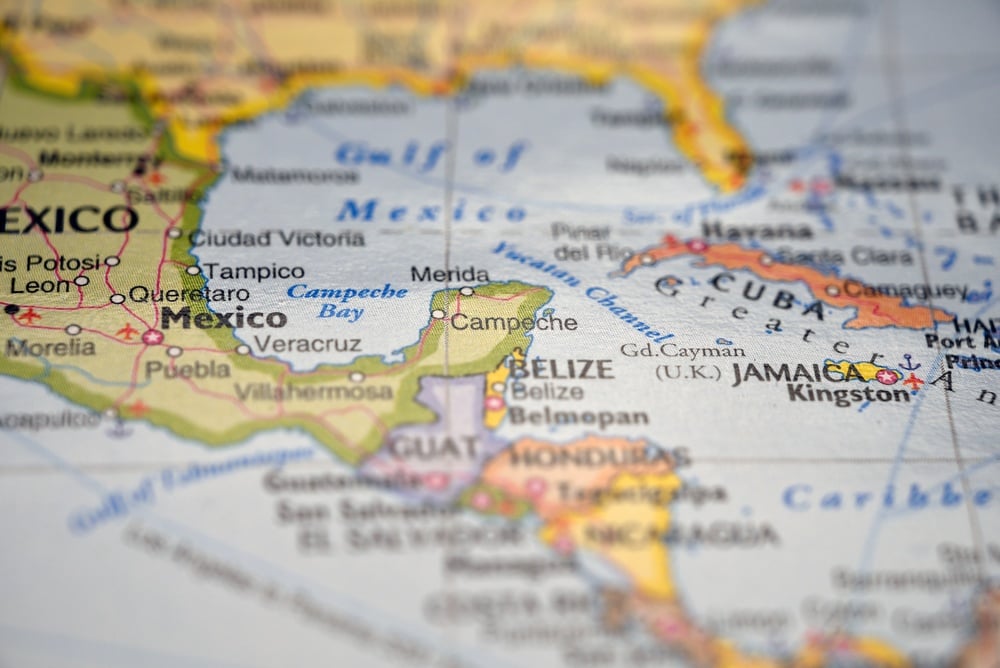
Mexico makes it very easy to book a beach hotel and stay put. But if your favourite holiday moments involve wandering colourful streets, finding an unexpected museum or lingering over lunch in a quiet plaza, there is plenty to tempt you beyond the familiar resort stops.
These six underrated places to visit in Mexico offer very different trips: Campeche has pirate-defying fortifications, Bacalar has a freshwater lagoon, and Real de Catorce and Mineral de Pozos wear their mining history in their streets and ruins. Zacatecas brings grand architecture, while Tlacotalpan suits a slower few days beside the river.
Quick answer: Start with Campeche for walkable history, Bacalar for time on the water or Tlacotalpan for a relaxed river-town stay. Real de Catorce and Mineral de Pozos appeal to travellers interested in mining heritage. Zacatecas is an architectural standout, but its current travel advisory makes it a destination to reconsider rather than casually add to your itinerary.
These places are spread across Mexico, so choose one or two that suit your wider route. Our guide to planning a trip itinerary can help you work out what fits without spending most of your holiday in transit.
Which Underrated Place in Mexico Fits Your Trip?
Campeche, Zacatecas and Tlacotalpan have UNESCO-listed historic areas. Real de Catorce and Mineral de Pozos are former mining towns with Pueblo Mágico status, while Bacalar is a Pueblo Mágico best known for its lagoon. They are all established destinations, so think of this as a list of alternatives to the usual itinerary rather than six undiscovered secrets.
Use the filter below to explore the places by designation, then compare what each offers.
Two Scots Abroad · Mexico travel
Three are UNESCO cities, two are Pueblo Mágico towns. Pick a type to see which places match and when each was listed.
| Place | State | Status | Year listed |
|---|---|---|---|
| Zacatecas | Zacatecas | UNESCO World Heritage | 1993 |
| Tlacotalpan | Veracruz | UNESCO World Heritage | 1998 |
| Campeche | Campeche | UNESCO World Heritage | 1999 |
| Real de Catorce | San Luis Potosí | Pueblo Mágico | 2001 |
| Mineral de Pozos | Guanajuato | Pueblo Mágico | 2012 |
| Bacalar | Quintana Roo | Lagoon about 26 miles long | – |
| Place | State | Best for | Planning note |
|---|---|---|---|
| Campeche | Campeche | Fortifications, colourful streets and waterfront walks | Allow 1–2 full days; walk early to avoid the strongest heat |
| Bacalar | Quintana Roo | Lagoon swimming, kayaking and sailing | Allow 2–3 full days; water access and conditions vary |
| Real de Catorce | San Luis Potosí | Mountain scenery and mining-town atmosphere | Consider 2 nights; allow for tunnel access and steep streets |
| Mineral de Pozos | Guanajuato | Mine ruins, photography and a quieter town stay | A full day or overnight; review the state travel advisory |
| Zacatecas | Zacatecas | Baroque architecture and hilltop views | Current U.S. advice is Do Not Travel for the state |
| Tlacotalpan | Veracruz | Riverfront walks, plazas and colourful houses | Allow 1–2 nights; Candelaria brings a much busier atmosphere |
Before booking: As checked on 3 November 2026, the U.S. State Department’s Mexico travel advisory lists Zacatecas state as Level 4, Do Not Travel, and Guanajuato as Level 3, Reconsider Travel. Campeche is Level 1, while Quintana Roo, San Luis Potosí and Veracruz are Level 2. Read the full state guidance and your own government’s advice before choosing a destination or route.
1. Campeche, Campeche: Best for Walled-City History
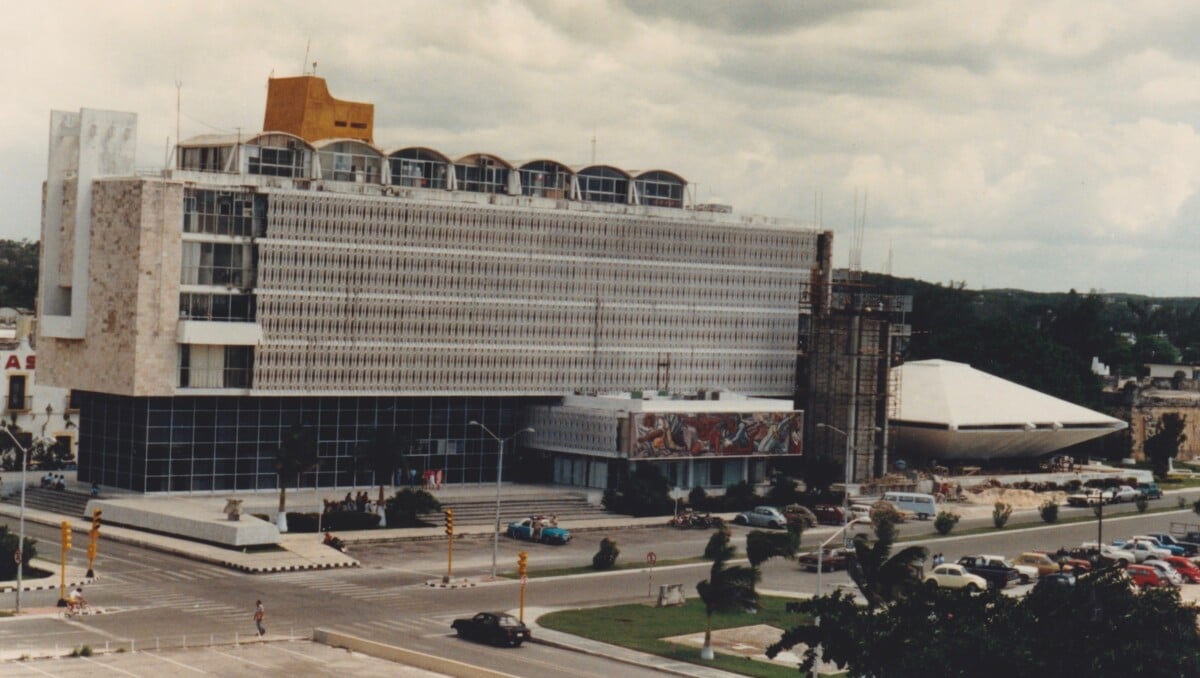
Campeche is a good choice if you like your sightseeing with a manageable amount of walking and plenty of reasons to stop. Its UNESCO-listed historic centre, inscribed in 1999, combines colourful buildings with surviving walls and defensive bastions built to protect the port from attacks by sea.
Start around Puerta de Tierra and the Baluarte de San Francisco to get a feel for the fortifications, then leave time for the streets and plazas inside the old centre. Later, head to the Malecón for a waterfront walk. Fort San Miguel makes a separate outing beyond the central walking circuit.
How to plan it: Allow one full day for the centre, or two if you want to add forts and museums without rushing. Do the exposed walking early, take a long lunch break and return to the waterfront when the heat eases. A hotel near the historic centre makes that slower rhythm much easier.
2. Bacalar, Quintana Roo: Best for Lagoon Days
Bacalar is the pick when you want water to be the main event. The Lagoon of Seven Colours is freshwater, with shades of blue that change with depth and light. Give yourself time to enjoy it from a kayak, sailing boat or permitted swimming spot rather than trying to squeeze everything into one afternoon.
Choose accommodation carefully if lagoon access matters to you: staying in Bacalar does not automatically mean you can walk straight into the water. Check whether a property has access, whether it is suitable for swimming and whether any day-use charges apply elsewhere.
Stay off the stromatolites, fragile structures built by microorganisms, and follow marked swimming areas and local guidance. Depth varies, and neither the lagoon nor nearby Cenote Azul should be treated as shallow throughout. Ask your operator about weather, life jackets and current access restrictions before heading out.
Pack a hat, sun-protective clothing and a dry bag for valuables, and follow local rules about sunscreen and other lotions. Our beach packing list is a useful starting point for a lagoon day, too.

We earn a commission if you buy through this link, at no extra cost to you.
Onshore, Fort San Felipe adds some history between swims, with a museum covering the area’s pirate connections. Cenote Azul is another option, separate from the main lagoon. Allow two or three full days so you have some flexibility if conditions interrupt a planned outing.
3. Real de Catorce, San Luis Potosí: Best for Mining-Town Atmosphere
The approach to Real de Catorce is part of its appeal. The main entrance passes through the Ogarrio Tunnel, a narrow passage more than two kilometres long, before you emerge into a former silver-mining town surrounded by mountain and desert scenery.
It is often called a ghost town, but that description only goes so far. Real de Catorce is a living community and pilgrimage destination, with visitors, businesses and religious traditions alongside the remnants of its mining past.
Spend your first afternoon exploring the cobbled streets, plazas and historic buildings. If you want to venture beyond town, arrange an outing with an established local guide and ask about the terrain before booking a Jeep trip or walk. The dramatic setting comes with steep slopes and uneven footing.
Nearby Wirikuta is sacred to the Wixárika people. Respect access rules, ceremonies and requests about photography, and buy directly from artisans where possible.
How to plan it: Consider two nights to give yourself a full day without immediately retracing the journey. Allow extra time for tunnel traffic, pack a warm layer and choose shoes with grip. Ask your accommodation about arrival and parking arrangements before setting off.
4. Mineral de Pozos, Guanajuato: Best for Mine Ruins and Photography
Mineral de Pozos is a good match for travellers who would happily spend an afternoon looking at old stonework. Its former mines and haciendas give the surrounding semidesert landscape a distinctive outline, particularly the tall furnace structures at Santa Brígida.
The Guanajuato tourism board highlights Santa Brígida and Cinco Señores among the main remnants of the town’s mining past. Back in town, look for Jardín Juárez, the Parroquia de San Pedro Apóstol and the former Escuela Modelo to see another side of the settlement.
Choose a couple of sites rather than trying to cover every ruin. They are spread out, so arrange transport or a local guide if you want to visit several. Check which areas are open and stay within permitted routes, especially around old shafts and unstable structures.
How to plan it: A full day works for a focused visit; an overnight leaves more time for galleries, a meal and an unhurried morning. Review Guanajuato’s Reconsider Travel advisory before booking and assess your transport route as well as the town itself.
5. Zacatecas, Zacatecas: Best for Baroque Architecture
Travel advisory: The U.S. State Department currently advises Do Not Travel to Zacatecas state. Its limited permission for U.S. government employees to reach Zacatecas city by air does not change that statewide advice for travellers. Treat this section as destination background and check the latest guidance before considering a visit.
Zacatecas earned its place on the UNESCO World Heritage List in 1993. Its mining wealth helped create a city of grand religious and civic buildings, squeezed into a narrow valley with steep slopes rising around it.
The cathedral’s elaborate Baroque façade is the architectural highlight. The setting matters just as much: streets climb away from the centre, and the hills reveal how tightly the city fits into the landscape.
The cable car connects the Cerro del Grillo and Cerro de la Bufa areas, while Mina El Edén offers a closer look at the industry behind the city’s wealth. Check operating information directly rather than relying on an old fare or timetable.
If history is the main theme of your Mexico trip, our guide to the world’s largest history museums also includes Mexico City’s National Museum of Anthropology.
6. Tlacotalpan, Veracruz: Best for Slow River-Port Days
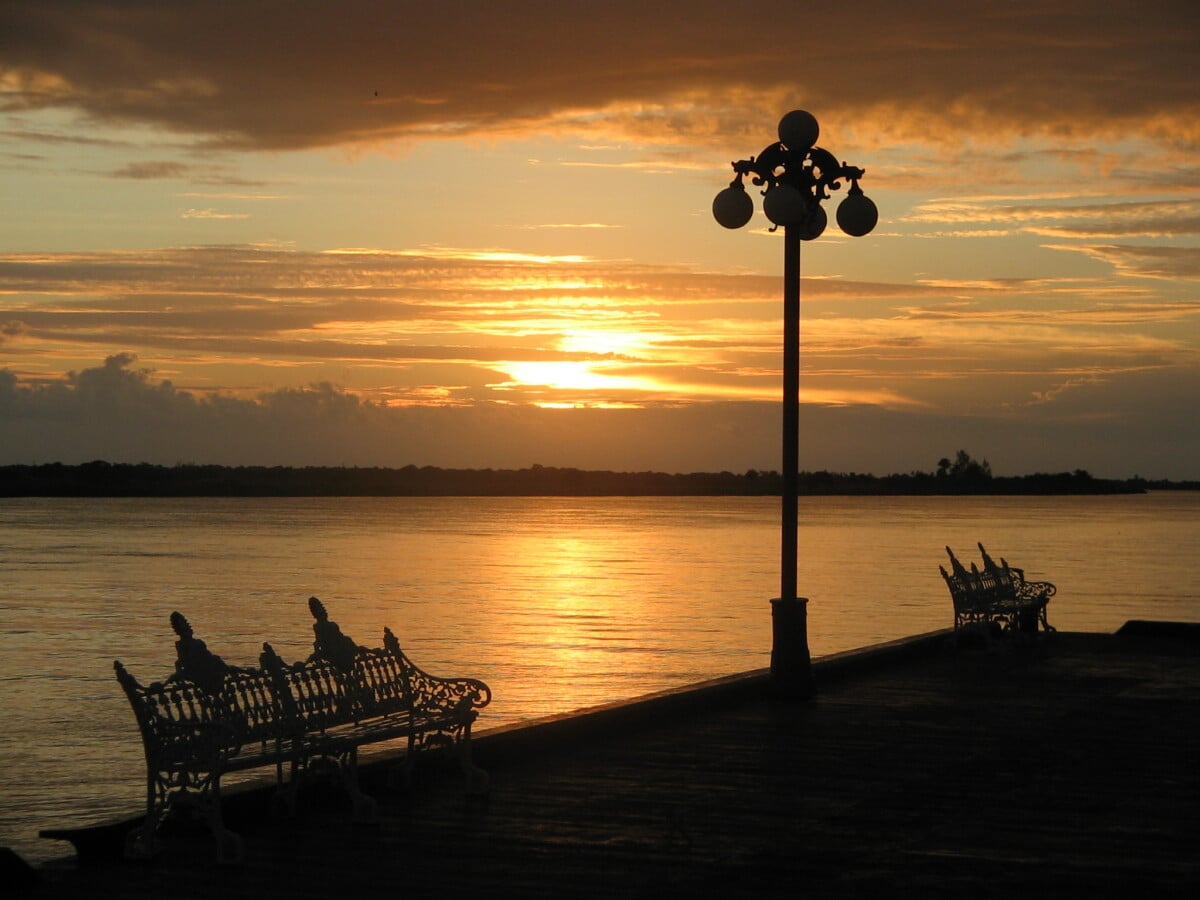
Tlacotalpan is the choice for a trip with room to sit down. This river port on the Papaloapan has broad streets, colourful houses and shaded colonnades that reward a walk with no particularly urgent destination.
The Historic Monuments Zone of Tlacotalpan was inscribed by UNESCO in 1998. Its character comes from the mix of Spanish and Caribbean influences and the survival of its historic street layout.
Start with the riverfront and the central plazas, then seek out the Santuario de la Virgen de la Candelaria, San Cristóbal church or Museo Salvador Ferrando. There are sights to visit, but leave some gaps between them. This is a place where a long lunch belongs in the itinerary.
How to plan it: One or two nights allows time for the streets and riverfront without rushing back out. The atmosphere changes during the Candelaria celebrations around 2 February. Book well ahead if you want to attend, or choose different dates for a quieter stay.
Planning a Trip Beyond Mexico’s Main Resort Stops
Start with the place you most want to see, then check the journey from your arrival airport. Bacalar suits a trip focused on the southern Mexican Caribbean, while Mineral de Pozos is more relevant to a central Mexico itinerary. Neither makes a sensible quick detour simply because it appears on the same list.
For driving, review current route advice and plan intercity journeys during daylight. Download maps and keep water, a charged phone and essential documents accessible. Our road trip packing list covers useful supplies to adapt to your journey.
Pack for the destinations you choose: lagoon days and mountain-town evenings call for different clothes. Check that your cover suits the locations and activities on your itinerary, too. Our guide to travel insurance and what it covers explains the basics; ask your insurer directly about any advisory-related exclusions.
Frequently Asked Questions
How Do You Get to Bacalar From Cancun?
You can travel by intercity bus or arrange a road transfer south towards Bacalar. This is a substantial journey, so check the current ADO timetable or your transfer provider’s estimate before booking onward plans. If Bacalar is your main destination, compare flights into Chetumal, which is much closer than Cancun.
Is Mineral de Pozos a Day Trip From San Miguel de Allende?
It can work as a full-day excursion with suitable transport, subject to current travel advice. Plan a small number of mine sites and some time in the centre, and confirm access before leaving. Arrange your return journey in advance rather than assuming transport will be readily available at every ruin.
When Is the Best Time to Visit Real de Catorce?
Choose your dates around the forecast, road conditions and whether you want a quiet stay or a busy pilgrimage period. The mountain setting can mean cold evenings even when the daytime sun feels strong. Ask your accommodation about local events and access conditions before booking.
How Long Should You Spend in Bacalar?
We suggest two or three full days. That gives you time for a lagoon outing, swimming and Fort San Felipe, with some flexibility for weather. Add longer if the point of your visit is to slow down rather than move on to the next stop.
Can You Visit All Six Places on One Trip?
They are too widely spread for a relaxed short itinerary, and current advisories also affect which places to consider. For a typical holiday, pick one region and give yourself time to enjoy it. Trying to include all six would require substantial travel time and much more detailed route planning.
