

Eating out is part of the pleasure of travelling, whether you are sharing tapas in Seville or finding somewhere for dinner after a long train journey. With a food allergy, it also means explaining your needs in unfamiliar restaurants, sometimes in another language.
Consider a simple situation: one person takes your order, another prepares it and someone else brings it to the table. Your allergy information needs to reach everyone involved. A reassuring conversation at the start is important, but checking what happens next matters too.
From preparing an allergy card to asking about ingredient changes, these practical steps can help you plan meals abroad and recognise when you need clearer answers.
Medical disclaimer: This article is for general educational purposes only and does not constitute medical advice, diagnosis or treatment. It is not a substitute for advice from a qualified healthcare professional. Discuss your travel plans with your doctor or allergy specialist, and follow your prescribed treatment and personal allergy action plan. Do not delay seeking medical advice or emergency treatment because of information in this article.
Prepare Before Departure
Start well before the evening you pack. Replacing medication, arranging translations and discussing your plans with your allergy team can take time.
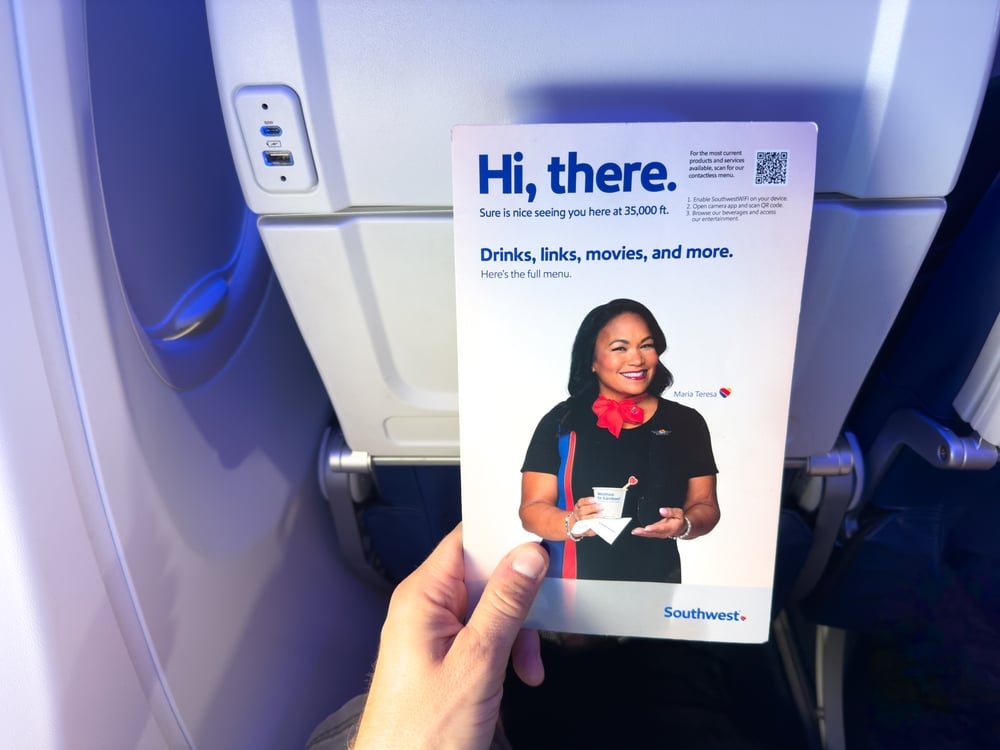
Check your airline’s allergy policy before booking, and contact your accommodation about breakfast or other meals you expect to eat there. Explain your specific allergy rather than asking only whether the property caters for “dietary requirements”.
Editorial credit: ZikG / Shutterstock.com
| What to prepare | What to check |
|---|---|
| Medication and action plan | Check expiry dates and review your emergency plan with your clinician. If prescribed adrenaline auto-injectors, carry two in-date devices. |
| Allergy translation cards | Use a reliable translation that names your exact allergens and explains the need to avoid cross-contact. Carry printed copies and an offline version. |
| Airline arrangements | Check medication documentation, food policies and any assistance you need directly with the airline. |
| Travel insurance | Declare your allergy accurately and confirm what the policy covers, including emergency treatment. |
| Meals during the journey | Plan suitable food for delays and transfers, checking the rules on bringing food through security and into your destination. |

Keep emergency medication immediately accessible during the journey and at your destination. Follow its storage instructions, including protection from excessive heat or cold. Our guide to organising your carry-on luggage can help you keep essential items within reach.
Build meal planning into your route too. When planning a travel itinerary, leave time to find suitable food after arrival rather than scheduling a tight connection followed by a late check-in.
Understand What Allergen Information Covers
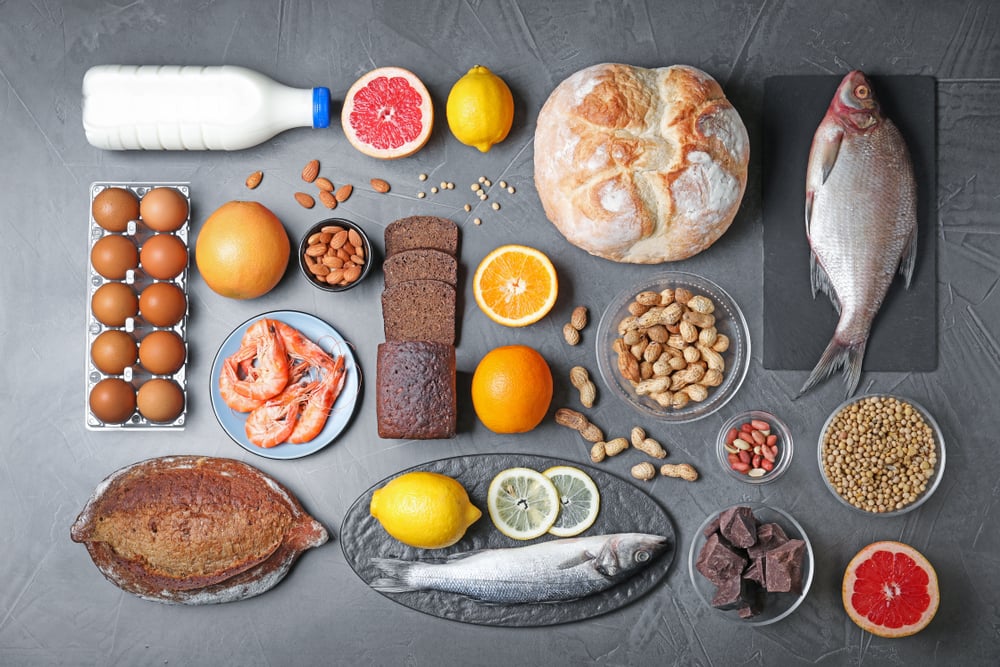
UK food businesses must provide information about 14 regulated allergens used as ingredients. EU rules also require allergen information for non-prepacked food, including restaurant meals. How that information is presented can vary, so ask staff when the menu does not explain it.
The categories include cereals containing gluten, specified nuts, peanuts, milk, eggs and sesame. Crustaceans and molluscs are separate categories. The Food Standards Agency’s consumer guidance explains the UK requirements.
The list does not cover every possible food allergy. Pine nuts, for example, are not among the specified nuts covered by the UK and EU list. Someone with a pine nut allergy needs to name that ingredient explicitly rather than relying on a general “nuts” symbol.
An allergen chart also needs a separate conversation about preparation. Cross-contact means an allergen is unintentionally transferred through equipment, surfaces or other food. A recipe without your allergen can still raise questions about shared preparation areas.
Likewise, a vegan description does not guarantee that food is suitable for someone with a milk or egg allergy.
Explain Your Allergy Before Ordering
Give staff time to check with the kitchen before choosing your meal. A translation card can support that conversation, particularly when it names ingredients more precisely than a broad request such as “no nuts”.
A straightforward starting point is:
“I have a food allergy to [specific allergen]. Please ask the kitchen to check every ingredient, including sauces and garnishes, and explain whether the meal can be prepared without cross-contact. Please record this as an allergy and confirm it again when the food arrives.”
That wording is an example to adapt, rather than a substitute for a professionally checked translation or your individual medical advice.
For a trip crossing language borders, prepare separate cards. If you are following a Spain and Portugal itinerary, for example, bring both Spanish and Portuguese versions.
How Restaurant Order Systems Fit In
Restaurants may use Tableview.com and other hospitality POS systems to manage orders. POS means point of sale. Tableview describes tools for order management, kitchen displays and inventory, which can support communication between the dining room and kitchen.
What happens to an allergy note depends on the restaurant’s software configuration and working procedures. Do not assume that a comment entered on a handheld device automatically appears prominently wherever the meal is prepared or served.
A digital record cannot establish whether a recipe is current, equipment has been cleaned appropriately or a substitute ingredient is suitable. Those checks still require staff attention.
Ask the server to record your allergy and confirm that the kitchen has received and understood it. If a different person brings the food, repeat the information before eating. The useful question is whether your requirements have been understood throughout preparation and service.
Questions to Ask During the Meal
Recipes, staff and ingredients can change at any time of day. A meal you ate previously needs checking again, even at the same restaurant.
| Situation | What to ask | What to remember |
|---|---|---|
| A new server brings your meal | “Can you confirm this is the order prepared for my allergy to [allergen]?” | The person delivering the plate may not have taken your order. |
| A sauce, garnish or ingredient has changed | “Has the kitchen checked the replacement ingredient and its preparation?” | An earlier answer may no longer apply. |
| Food uses shared cooking equipment | “Is the same oil, grill or equipment used for food containing my allergen?” | Removing an ingredient does not resolve every cross-contact risk. |
| You order through a QR menu or app | “Who can discuss my allergy with the kitchen before I order?” | A typed note should not replace a direct conversation. |
| You are considering a buffet | “Can the kitchen explain how it prevents cross-contact, including shared serving utensils?” | Self-service introduces additional opportunities for food to mix. |
A clear explanation is more useful than a quick promise. If staff cannot establish the ingredients or explain whether they can accommodate your allergy, choose somewhere else.
Anaphylaxis UK’s eating-out guidance recommends discussing preparation and cross-contact, making sure the allergy is recorded and checking again when the meal arrives.
Check Before Taking the First Bite
Confirm that the meal is yours and that the kitchen has accounted for your allergy. If something differs from what was agreed, stop and ask before eating.
Looking at a plate cannot confirm that it is free from an allergen. Sauces, marinades and ingredients mixed into a dish may not be visible.
Do not test a questionable meal with a small bite. Picking off an unexpected topping is not a reliable solution either. Ask staff to establish what happened and whether a fresh meal can be prepared appropriately. If uncertainty remains, decline it.
Know What to Do in an Emergency
Save the local emergency number before travelling and make sure your companions know your action plan and where your medication is kept. The emergency number is 112 throughout the EU; in the UK, call 999 for an ambulance.
Suspected anaphylaxis needs immediate treatment. Use your prescribed adrenaline auto-injector immediately and call an ambulance, following your emergency action plan. Do not wait for restaurant staff to investigate the meal.
The NHS guidance on anaphylaxis advises lying down, with shoulders raised or sitting up slowly if breathing is difficult. Do not stand or walk, even if you feel better. If symptoms have not improved after five minutes, use a second auto-injector. Emergency hospital assessment is still needed.
Leave Yourself Options
Identify a couple of possible restaurants before arriving, contact them about your requirements and keep a suitable backup meal available where practical. That gives you room to leave if the answers at your first choice are unclear.
The aim is to make meals part of an enjoyable trip while keeping your usual allergy precautions in place. Prepare early, explain the specific allergen and check again when the food arrives. Restaurant technology can help pass information along, but the conversation with the people preparing and serving your meal remains essential.