
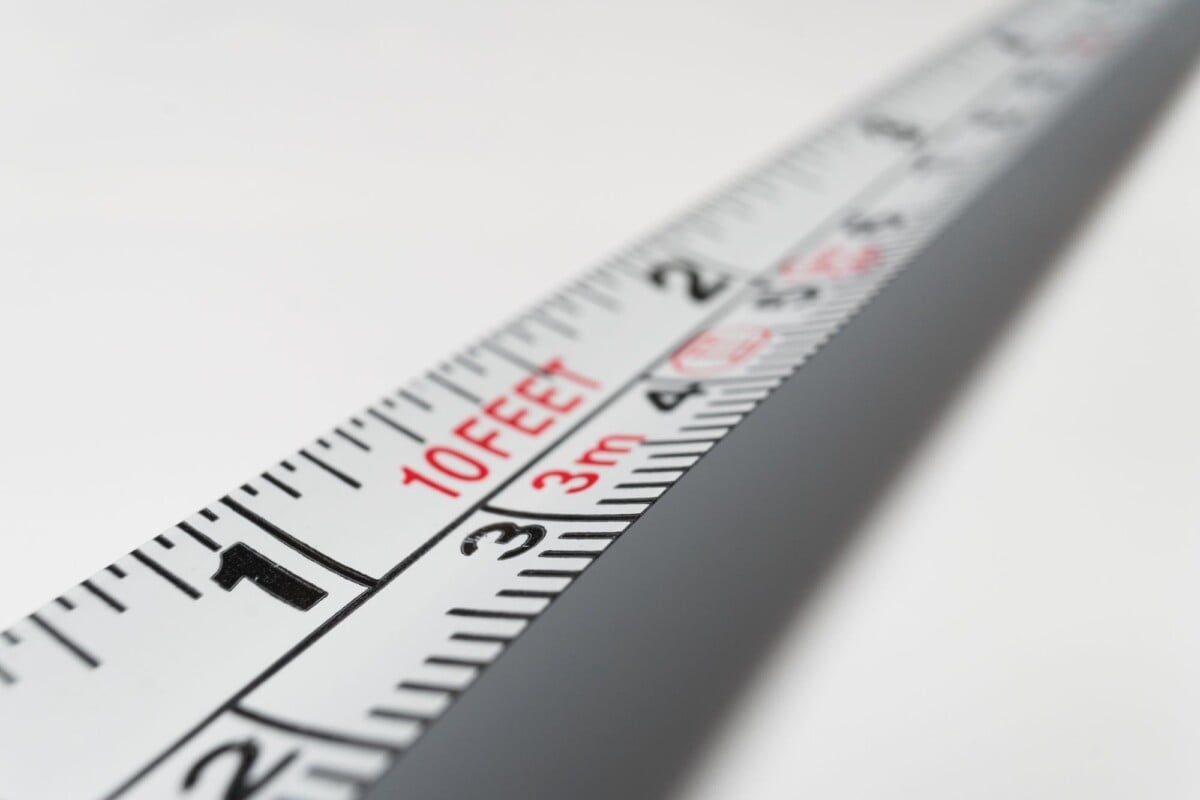
These countries use imperial measurements only in a limited sense: the United Kingdom keeps familiar imperial units for selected everyday uses, while the United States mainly uses the related but distinct US customary system. Liberia and Myanmar are often included in short lists of “non-metric countries”, but both need more careful treatment: official policy, legal measurement standards and everyday consumer habits do not always line up.
This guide separates imperial, US customary and metric units, then explains where each matters for road trips, fuel, food, weather, construction and body measurements. The useful question is rarely “Is this country metric?” It is usually “Which unit will I see when I need to buy, drive, cook or pack?”
Why “Non-Metric Countries” Is an Oversimplification
Metrication is the process of adopting metric units, including the International System of Units (SI), for official and commercial measurement. A government can make SI units lawful or preferred while shops, road signs and households continue to use older measures.
That is why the familiar claim that only the United States, Liberia and Myanmar have not adopted the metric system is too blunt to be useful. It can refer to several different things: a country’s legal measurement system, government policy, road-sign units, retail labelling or the measurements used in everyday conversation.
- Official rules: the units permitted or required in legislation, trade and regulated labelling.
- Everyday habits: how locals describe their height, room temperature, a short distance or a recipe.
- Sector standards: units used in aviation, shipping, science, medicine, engineering and international trade.
The International Bureau of Weights and Measures SI Brochure sets out the internationally agreed SI framework. That does not mean every country uses measurements in the same way day to day, which is where the confusion starts.
Imperial, US Customary and Metric Measurements Explained
Metric units are built around metres, litres, grams and degrees Celsius. Their decimal structure keeps conversion fairly painless: 1,000 metres make one kilometre, and 1,000 grams make one kilogram.
British imperial units developed in the United Kingdom and were formally standardised in the nineteenth century. Familiar examples include miles, yards, feet, inches, pints, stones and imperial gallons.
US customary units share names with many imperial measures, including miles, feet, inches, pounds and pints. They are not the same system. The differences are most obvious for liquid volume, so a gallon of fuel is a poor place to make assumptions.
| Measurement | Imperial Unit | US Customary Unit | Metric Equivalent |
|---|---|---|---|
| Length | 1 mile | 1 mile | 1.609344 kilometres |
| Weight | 1 pound | 1 pound | 0.45359237 kilograms |
| Liquid volume | 1 imperial gallon | 1 US gallon | 4.54609 litres / 3.785411784 litres |
| Liquid volume | 1 imperial pint | 1 US pint | 568.261 millilitres / 473.176 millilitres |
An imperial gallon is about 20% larger than a US gallon. A UK fuel-economy figure expressed in miles per imperial gallon cannot be compared directly with a US miles-per-gallon figure.
 Prime
Prime
We earn a commission if you buy through this link, at no extra cost to you.
United Kingdom: A Mixed System With Imperial Holdovers
The United Kingdom is officially metric for many commercial, technical and regulatory purposes, but imperial units remain part of everyday life. It is the clearest example of why describing an entire country as simply “imperial” misses the point.
UK government guidance on weights and measures law permits or requires particular traditional units in defined contexts. For example, road distances and speed limits use miles and miles per hour, while vehicle fuel is sold in litres.
| Everyday Context | Unit You Are Likely To Encounter in the UK | Useful Detail |
|---|---|---|
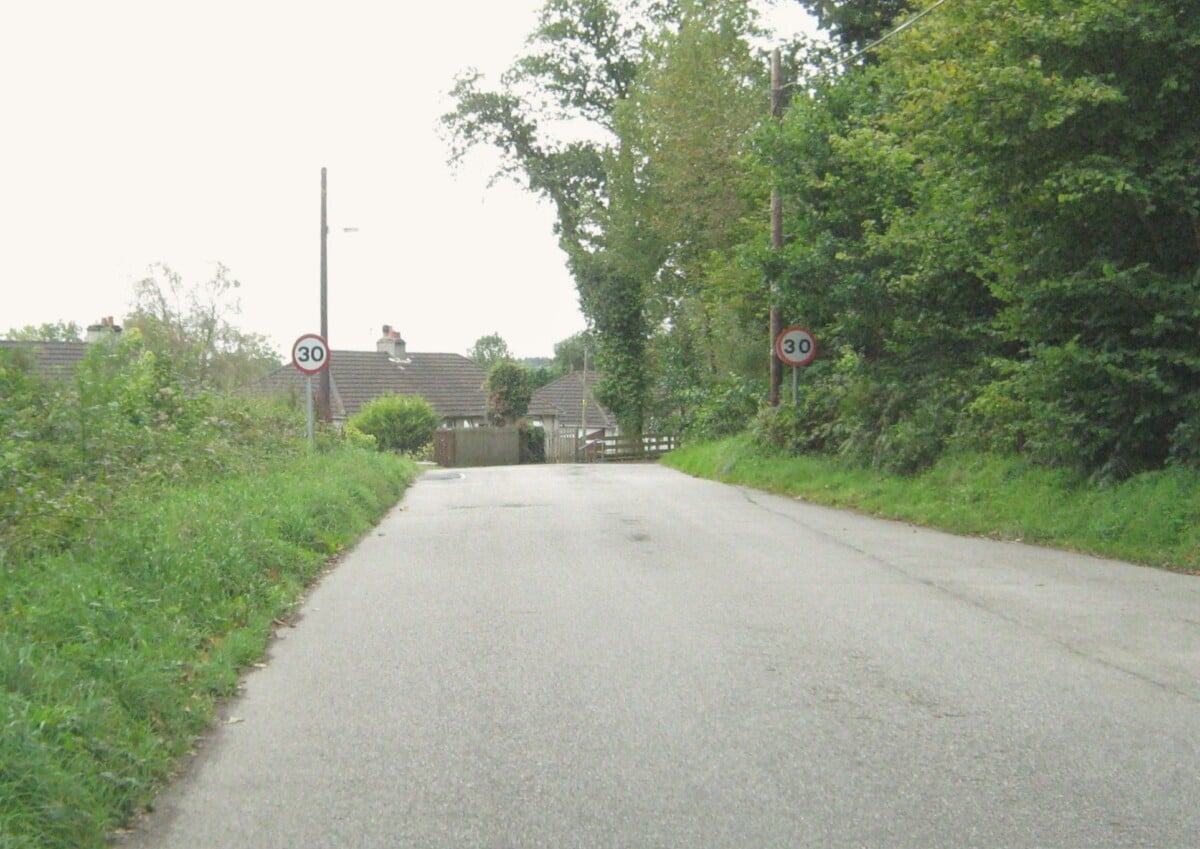
| Road signs and driving | Miles and mph | Speed limits are displayed in miles per hour. |
| Fuel | Litres | Petrol and diesel are sold by the litre. |
| Beer and cider on draught | Pints | A UK pint is an imperial pint. |
| Milk | Pints and litres | Packaged products commonly show metric information too. |
| Food shopping | Grams and kilograms | Metric pricing is standard for most packaged and loose goods. |
| Personal height and weight | Feet/inches and stones/pounds | Common in conversation, alongside metric information in healthcare and official settings. |
| Weather | Degrees Celsius | Forecasts and official weather information use Celsius. |
For a self-drive holiday in Scotland, the practical rule is simple: set your satnav to miles if it offers a choice, watch speed limits in mph and buy fuel in litres. A pub pint is imperial, so it is larger than a US pint. Handy to know after a long day on the road.
United States: US Customary Units in Daily Life
The United States uses US customary units in most everyday settings. Miles, feet, inches, pounds, Fahrenheit and US gallons shape road trips, grocery shopping, weather forecasts, recipes and housing listings.
The United States also uses metric units extensively in science, medicine, manufacturing, military work and international trade. The federal Metric Conversion Act identifies the metric system as the preferred system of weights and measures for US trade and commerce, while allowing customary units to remain firmly embedded in public life.
- Driving: distances and speed limits are in miles and miles per hour.
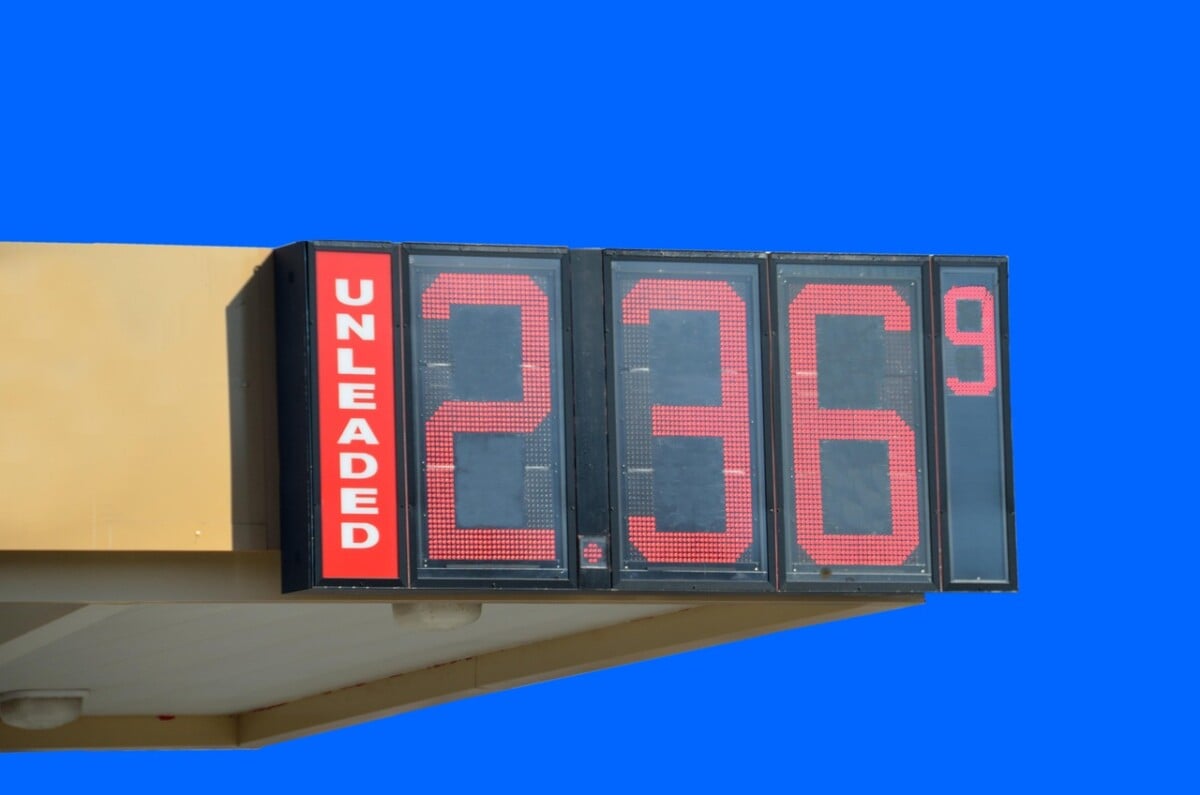
- Fuel: petrol is sold by the US gallon.
- Weather: forecasts usually use degrees Fahrenheit.
- Food: recipes commonly use cups, tablespoons, ounces and pounds, although nutrition labels also show grams.
- Body measurements: height is often given in feet and inches; body weight is usually pounds.
- Construction: dimensions are usually in feet and inches, though technical plans may include metric equivalents.
The US National Institute of Standards and Technology explains the country’s metric policy and the role of SI in US measurement law. For travellers, the main point is simpler: do not assume a US gallon, pint or fluid ounce matches a British one.
Liberia and Myanmar: Why Their Status Needs Careful Qualification
Liberia and Myanmar often appear beside the United States in online lists, usually presented as the last countries that have not “gone metric”. That label hides more than it explains.
Liberia has used US customary-style measures in many daily and commercial settings, reflecting historical ties with the United States. Metric units are also used in education, health, international trade and some formal documentation. Any claim about Liberia’s system needs context, because a legal standard, market transaction and school textbook may use different units.
Myanmar uses a mixed measurement environment that can include metric units, imperial-derived units and traditional Burmese measures. Local units may still appear in markets and construction, while metric measures are important in government, technical work and international commerce. Check current local signage and supplier information for the activity at hand.
Neither country is well described by a one-word label. Official reforms and legal standards can change, and practical reality may vary by sector and region. For current trade or regulatory decisions, consult the relevant national standards authority or the importer’s written specifications.
Where Else Will You See Non-Metric Units?
Countries that are broadly metric still retain traditional units in particular settings. These are conventions, not evidence that a country has rejected metrication.
- Canada: road signs, fuel and official weather reports are metric, while many people discuss height in feet and inches, use pounds for body weight and buy some foods by the pound.
- Ireland: road distances and speed limits are metric, although pints remain standard for draught beer and cider.
- Australia and New Zealand: metric in public life, with inches sometimes used informally for screen sizes, tools and older building references.
- India: metric units are official, but land, textiles and local markets may retain regional or traditional measures.
- Europe: kilometres, litres and Celsius are standard, while screen sizes, tyre diameters and some trades may still use inches.
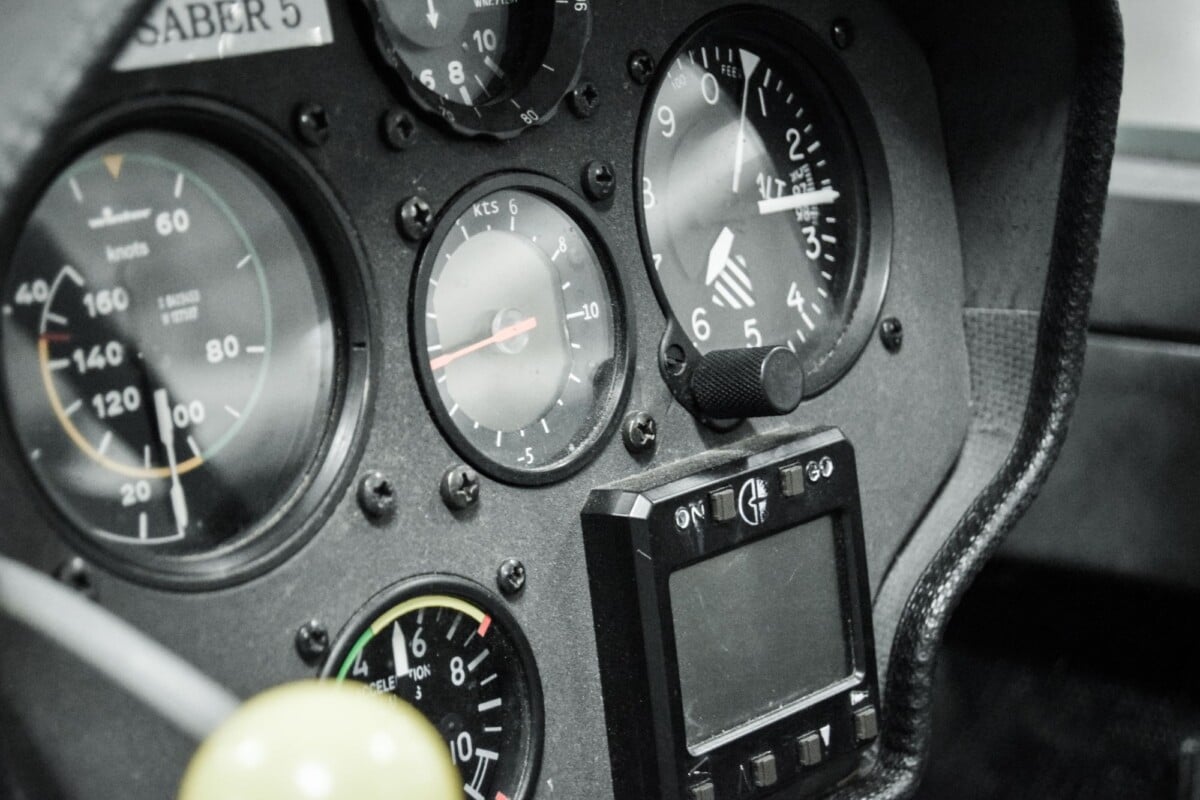
International transport adds another layer. Aviation commonly uses feet for altitude, nautical miles for distance and knots for speed, even in countries that otherwise use metric units. Shipping also relies heavily on nautical miles and knots. Science is largely built around SI units, while international product specifications may show both metric and US customary measurements.
Practical Unit Checks for Travel, Shopping and Planning

Check the unit before comparing prices, fuel economy, recipe quantities or weather. The number alone can mislead when the unit changes underneath it.
| Situation | Check This First | Common Unit Trap |
|---|---|---|
| Hiring a car in the UK | Speedometer setting and route distances | UK roads use mph, even though fuel is sold in litres. |
| Buying petrol in the US | Price per US gallon | A US gallon is smaller than an imperial gallon. |
| Reading a US forecast | Temperature in Fahrenheit | 32°F is freezing point, while 68°F is about 20°C. |
| Ordering a drink in the UK or Ireland | Size of a pint | An imperial pint is larger than a US pint. |
| Buying food abroad | Price per kilogram, 100 grams, pound or ounce | Pack sizes can look familiar while using a different unit. |
| Using a recipe | Origin of the recipe and cup size | Volume measures and oven temperatures vary by country. |
A phone conversion tool is usually enough for a holiday, but use the exact unit for fuel consumption and large grocery purchases. Small conversion errors are annoying in a recipe. At a petrol pump, they can cost you.
Which Countries Use Imperial Measurements Today?
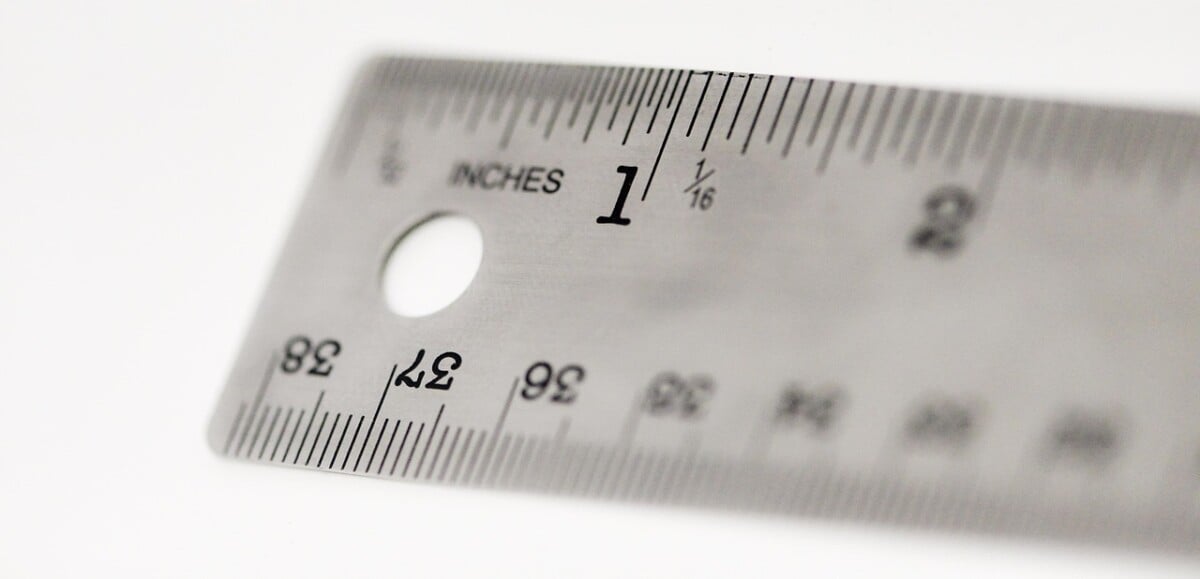
The strict answer is that no country now runs entirely on British imperial units. The UK retains imperial units in defined everyday contexts while using metric units widely. The United States is the strongest example of a country where US customary units dominate daily life, though it also uses SI in many official and specialist areas.
Liberia and Myanmar are better described as mixed and evolving cases than straightforward non-metric exceptions. Their practical measurement habits depend on the setting, so current local information is more useful than a viral three-country list.
Frequently Asked Questions About Imperial Measurements
Is the US measurement system imperial?
No. The United States mainly uses US customary units, which share names and historical roots with imperial units but differ in several volume measures. A US gallon and US pint are smaller than their imperial equivalents.
Does the UK still use imperial measurements?
Yes, in selected contexts. UK road signs use miles and mph, draught beer and cider are sold by the pint, and many people use feet, inches, stones and pounds informally. Most retail goods, fuel, weather information and technical work use metric units.
Which countries use Fahrenheit?
The United States uses Fahrenheit for routine weather forecasts. Most countries use Celsius for public weather reporting, although Fahrenheit may appear in older equipment, specialist settings or imported products.
Are road signs metric in Canada?
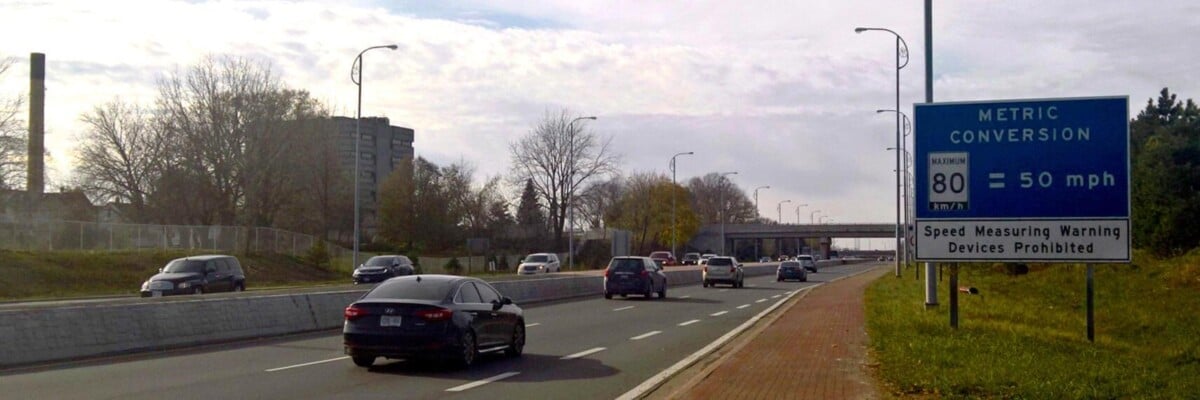
Yes. Canadian road distances and speed limits are displayed in kilometres and kilometres per hour. Everyday speech can still include feet, inches and pounds, especially for personal measurements.
Why do planes use feet and nautical miles?
Aviation uses internationally established operational conventions: altitude is commonly given in feet, distance in nautical miles and speed in knots. These standards help pilots and air traffic controllers work consistently across national measurement systems.