
Travel can change what you notice when you get home. A compact holiday apartment might show you how little space you need to make breakfast comfortably. A cooking class could introduce a dish you want to make every week. Even a café courtyard can leave you thinking about where you would rather sit with your morning coffee.
These observations are useful because you experience the spaces yourself. You notice where the light falls, how easily you find a pan and whether there is room for two people to prepare a meal. Here are seven things to look for on your next trip, with ideas you can test in your own kitchen.
Travel Inspiration You Can Put Into Practice
| What you notice on a trip | The lesson to bring home | A small change to try first |
|---|---|---|
| A welcoming shared dining space | Make conversation comfortable while food is prepared. | Reposition a table or chair without blocking the working area. |
| An efficient apartment kitchen | Store things where they are used. | Reorganise everyday utensils and clear one preparation surface. |
| A holiday rental with good equipment | Simple organisation makes unfamiliar spaces easier to use. | Group coffee supplies, cooking tools and cleaning items into clear areas. |
| Materials in an older building | Consider texture, wear and maintenance together. | Compare samples and care instructions before choosing a finish. |
| A market visit or cooking class | Design around the meals you actually make. | Cook a favourite holiday recipe at home before buying new equipment. |
| A bright café or garden-facing room | Think about light and where you enjoy sitting. | Move your breakfast spot or improve task lighting. |
| A meaningful souvenir | Add a personal reminder of the trip. | Display or use one carefully chosen piece. |

1. Notice How the Space Brings People Together
A memorable meal abroad often involves more than the food. Perhaps everyone sat around one table while dishes were prepared, or there was a comfortable place to talk without crowding the person cooking. Pay attention to the arrangement that made it work.
At home, this might mean placing a dining table closer to the kitchen, creating a small seating spot or keeping a clear route between preparation and serving areas. An island is one possible solution, but its size and position need to suit the room.
Try moving furniture before committing to building work. See whether people can sit comfortably, cupboards still open properly and the cook has enough space to move.
2. Learn From a Compact Kitchen
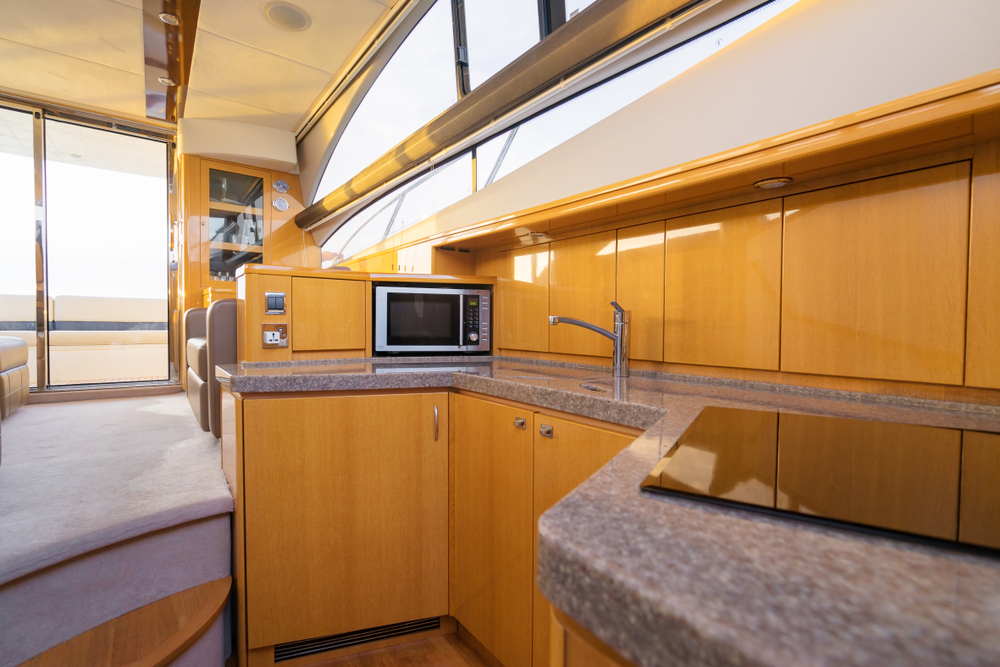
A small city apartment can teach you a lot about storage. During your stay, notice which items are easy to reach, which cupboards are awkward and whether there is enough clear worktop to prepare a simple meal.
The useful ideas are often modest: a drawer beside the preparation area, pans stored close to the cooker or everyday crockery kept within comfortable reach. Extra height can provide storage, but frequently used items still need to be accessible.
Before adding cabinets at home, check what is taking up the space you already have. An appliance used twice a year may not need the most convenient shelf. Rearranging storage can reveal whether the problem is the room’s size or how you are using it.
3. Borrow the Clarity of a Good Holiday Rental
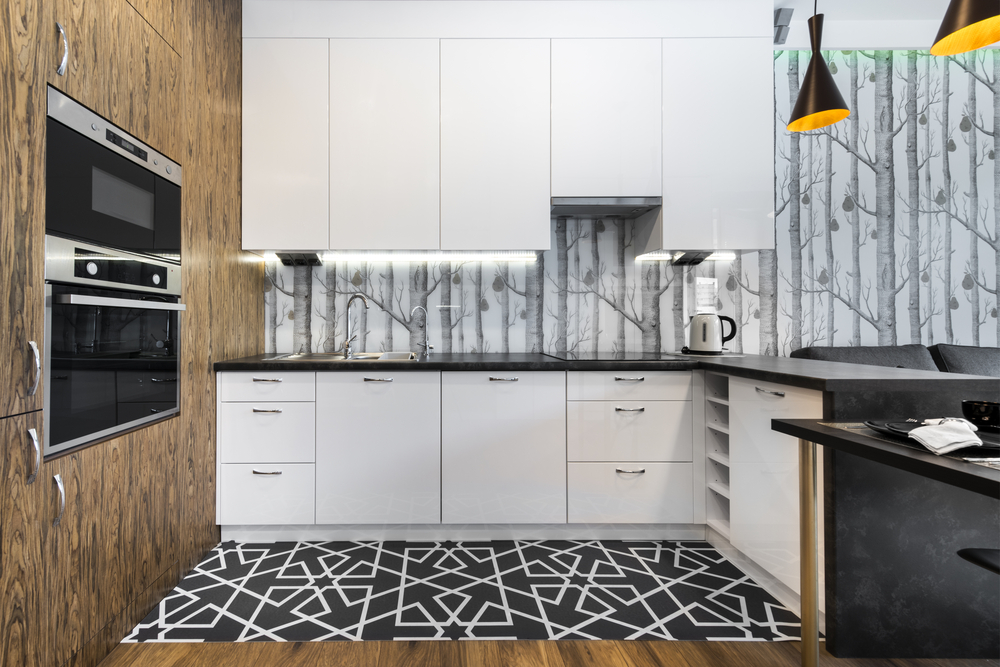
A well organised rental kitchen makes daily routines straightforward. You can find a mug without opening every cupboard, prepare breakfast without clearing someone else’s clutter and put everything away easily afterwards.
If you are planning a longer stay, travel resources such as Nomad House offer guidance on life on the road. Check each accommodation’s own equipment list as well: a kitchenette or pantry may offer different facilities from a full kitchen. Our guide to choosing a family suite in Bangkok includes practical questions about cooking and food storage facilities.
Bring the same clarity home by grouping items around familiar tasks. Keep tea and coffee supplies together, preparation tools near the worktop and cleaning products where they are used. Aim for an arrangement that another member of the household can understand easily.
4. Look Closely at Materials and Maintenance
Old tiles, timber furniture and stone surfaces can be part of what makes a place memorable. Take note of the colours and textures you like, with permission before photographing private interiors. Also notice the less photogenic details: stains, worn edges and surfaces that seem difficult to clean.
No material is automatically durable or low maintenance because it looks traditional or natural. Before choosing something similar for your kitchen, check the specific product’s care requirements and suitability for the job. Ask about heat, moisture, staining and any sealing or refinishing it needs.
You can introduce a colour or texture from your travels through paint, cabinet hardware or a small decorative piece while you consider larger changes.
5. Let the Food Shape the Ideas
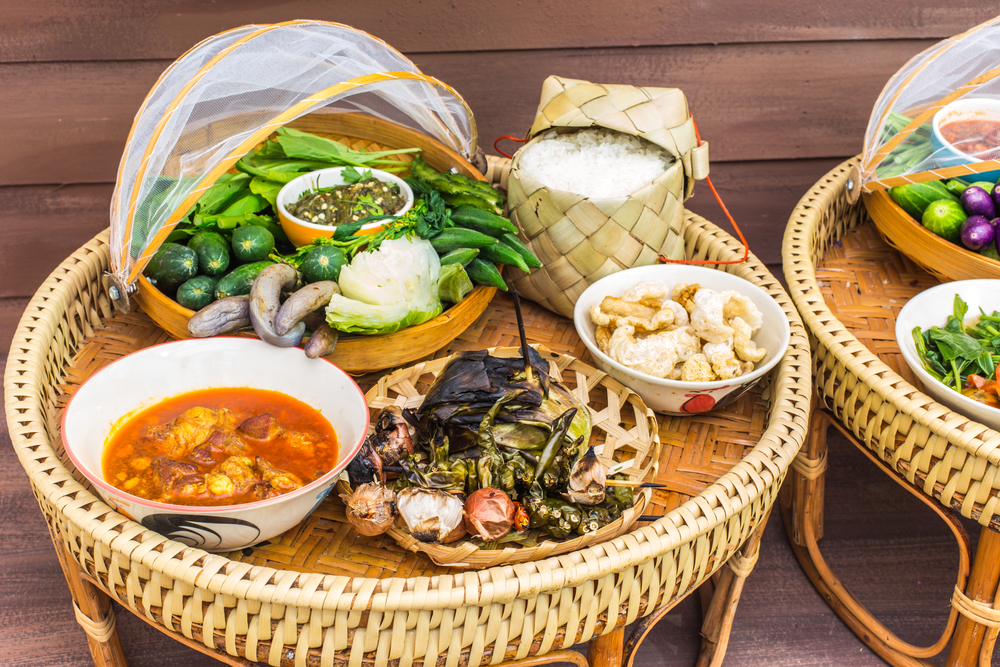
A market visit or cooking class can leave you with more useful inspiration than a showroom visit. Alongside the recipe, notice how the workspace is organised: where ingredients are prepared, which tools are used repeatedly and how much clear counter space the dish needs.
If Thailand is on your itinerary, our Chiang Mai tours and cooking-class ideas offer a starting point for an outing built around food. Confirm the current class details directly before booking, including dietary requirements and what you will prepare.
Back home, make a favourite recipe a few times before buying specialised equipment. You may discover that the most useful improvement is a clear preparation area or better storage for ingredients. If the cooking you want to do requires different appliances or ventilation, discuss that with an appropriate professional.
6. Notice the Light and the Connection Outdoors
Think about a breakfast you enjoyed beside a window or a meal overlooking a courtyard. What made the setting pleasant? It might have been daylight, a view of greenery or simply a table positioned away from a busy doorway.
Start with changes you can test at home. Move your breakfast spot, clear a cluttered windowsill or improve the lighting over the area where you prepare food. Notice the room at different times of day before deciding what needs changing.
Larger windows or new doors involve a different level of work. Their feasibility depends on the building, climate and budget, so have those changes assessed rather than assuming a layout seen abroad will suit your home.
7. Bring Back a Few Things You Will Enjoy Using
A cookbook, a market print or a small piece bought directly from a maker can keep a trip present in everyday life. Choose something with a purpose or a story you care about, and think about its size and packing needs before buying it.
For ceramic bowls, plates and mugs, check whether they are intended for food use. Decorative pieces should remain decorative. The FDA’s guidance on traditional pottery explains why warning labels and reliable manufacturing information matter when deciding whether a piece is suitable for cooking, serving or storing food.
A few meaningful objects are easier to appreciate when they have room around them. You can rotate souvenirs instead of displaying everything at once.

Turn Your Travel Notes Into a Realistic Plan
Keep a short list during your trip: what you liked, why it worked and which daily task it made easier. Add photographs where permitted, then test the simplest ideas after you return. Using a space for a weekend and living with it for years are different experiences, so give new routines time to settle.
If those observations lead you towards a kitchen remodel, bring your notes, room measurements and budget to the planning conversation. Explain the habits you want the kitchen to support, whether that is baking, shared meals or making breakfast without moving half the worktop.
Have a qualified local professional assess proposed changes to walls, plumbing, electrics or ventilation, including any required approvals. A useful plan should connect the inspiration to the practical needs of your own home.
You can bring a good idea home without recreating an entire holiday apartment. A clearer worktop, a favourite recipe or a comfortable place to share a meal may be the part of the trip you enjoy most often.