
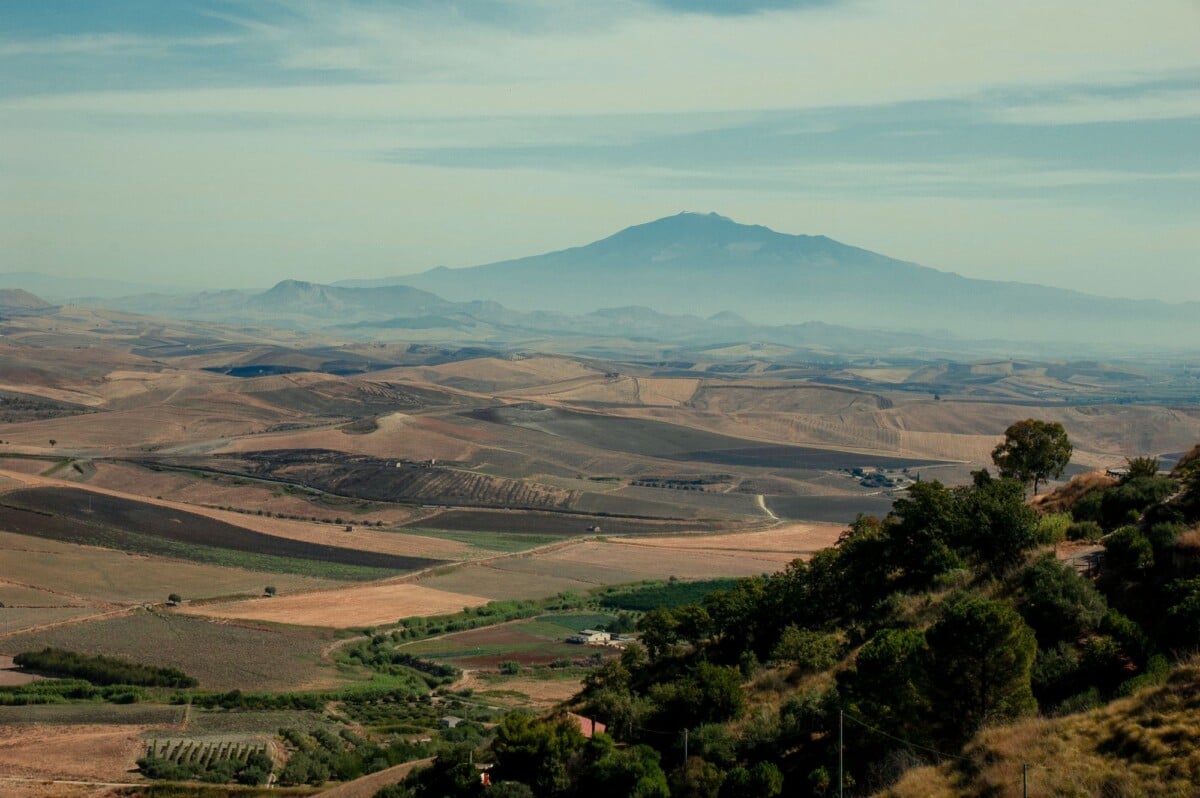
The easiest way to visit the Etna wine region is by hire car. Wineries are spread across the volcano’s northern, eastern and southern slopes, so choose a base around the wines you want to try and the amount of driving you are happy to do. Book tastings before you set off.
Etna is not one wine village with a tasting room on every corner. Vineyards sit at different elevations, and while public transport can get you to some towns, it rarely works for a full day of winery visits.
Choose Your Etna Wine Area

The Etna DOC covers vineyards on the volcano’s slopes, with local differences shaped by altitude, volcanic soils, exposure and grape varieties. The Consorzio di Tutela Vini Etna DOC explains the denomination’s production area and rules, including the particularly recognised Etna Bianco Superiore zone around Milo.
North Slope: Randazzo, Linguaglossa and Passopisciaro
The north side is the best fit if you are keen on Etna Rosso, largely made with Nerello Mascalese. Around Passopisciaro, Solicchiata, Linguaglossa and Randazzo, vineyards can be high and widely spread, so a car is practical. Base yourself in Randazzo for restaurants and useful services, or nearer Linguaglossa for quicker access to vineyards and Mount Etna activities. North-slope conditions can feel properly cool even when the coast is mild: temperatures were 13°C (55°F) under clear skies, with 81% humidity, in October 2026 (as of October 2026), so pack a layer for tastings and the drive home.
East Slope: Milo, Santa Venerina and Zafferana Etnea
The east side suits travellers interested in bright, mineral Etna Bianco and coastal views. Milo is particularly associated with Carricante and is the only commune permitted to use Etna Bianco Superiore on qualifying wines. It also works well with a stay near Taormina, Acireale or Catania, though steep, winding local roads still take time.
South Slope: Nicolosi, Pedara and Ragalna

The south side is generally the most convenient for Catania and for pairing a tasting with the cable-car side of Mount Etna. Nicolosi has the clearest tourism infrastructure. Ragalna and Pedara make quieter overnight bases, but check each winery’s location before booking, as an address may be several kilometres beyond the nearest town.
Getting Around the Etna Wine Region
Hiring a car at Catania Airport gives you the most flexibility, especially if you want to visit two estates in one day. Keep the itinerary realistic: narrow roads, hairpin bends and tasting pours do not make for a packed schedule. One winery, lunch and enough time for the drive back is usually a sensible day.
The Ferrovia Circumetnea connects Catania with towns around the volcano, including routes towards Riposto and Randazzo. It is useful for independent sightseeing, but stations are often some distance from estates. Arrange a taxi, private driver or winery transfer in advance if nobody in your group is driving.
- For a one-day trip from Catania: focus on the south or east slope.
- For serious wine touring: stay one or two nights around Linguaglossa, Randazzo or Milo.
- For couples sharing tastings: a booked driver saves the awkward maths of deciding who gets the tiny sip.
If you are building the rest of an Italian road trip around the visit, this Gargano coastal trip planner is useful for comparing the logistics of another rural Italian region.
Etna Winery Tasting Costs and Booking Rules
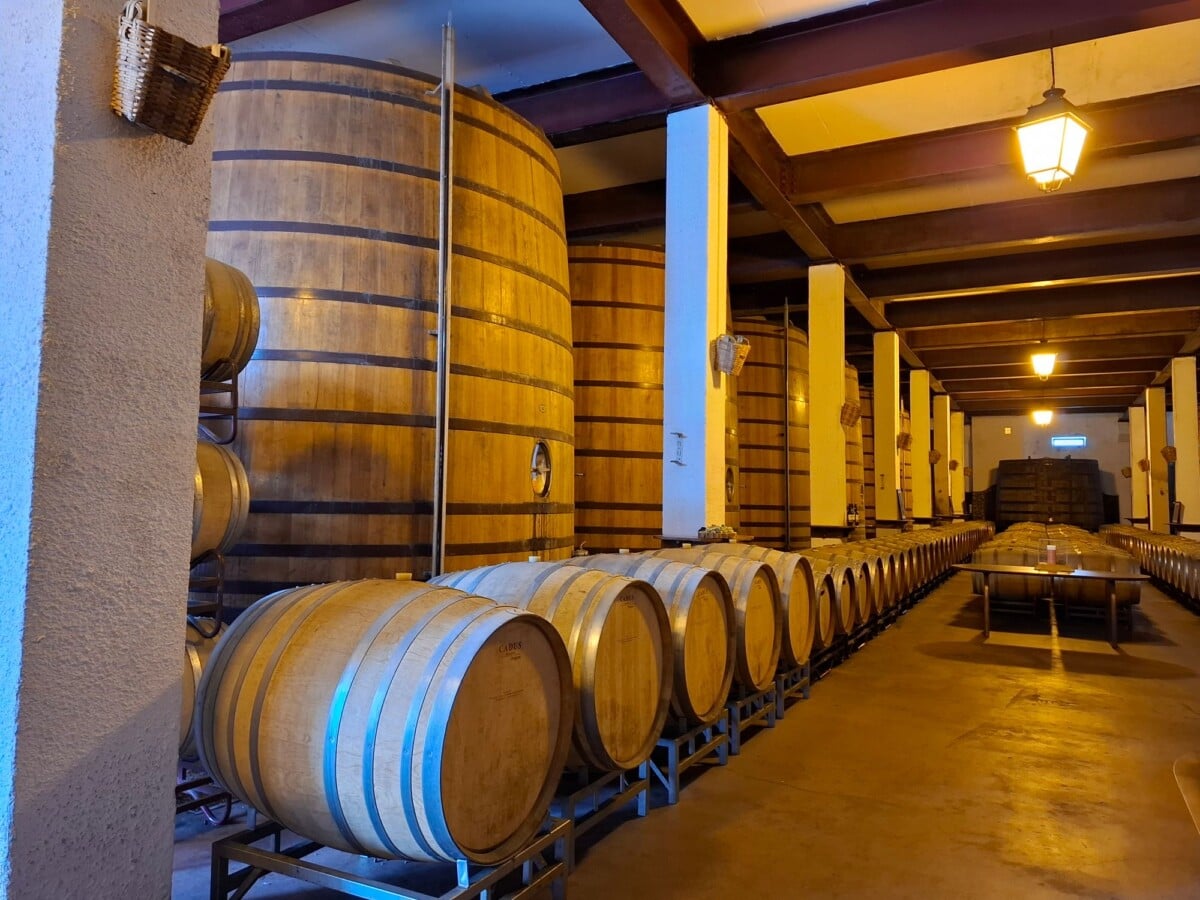
Budget around €35 to €70 per person for a standard guided tasting, based on published experiences at established Etna producers such as Benanti and Gambino Winery. A cellar tour, larger flight, food pairing or vineyard lunch can cost more. Private experiences and harvest-period events tend to sit at the higher end.
Check the price on the estate’s own booking page before committing, as menus, opening days and minimum guest numbers change. Many visits require advance reservation, especially at smaller producers, and walk-ins are a risky plan in a vineyard area. Tell the winery about dietary requirements when booking lunch, and ask whether children are welcome if you are travelling as a family.
Allow extra room in the budget for a driver, fuel, parking and bottles you may want shipped home. Use our guide on calculating the real cost of a trip to put those smaller expenses beside accommodation and transport before you book. It is also worth checking what travel insurance covers before paying for non-refundable bookings.
A small notebook makes it much easier to remember which Nerello Mascalese you liked after the third tasting.

We earn a commission if you buy through this link, at no extra cost to you.
Frequently Asked Questions
Do You Need to Book Etna Wineries in Advance?

Yes. Most Etna wineries run tastings by appointment and may have limited English-language slots, particularly for small groups. Book directly with the producer, then confirm the meeting time, address and cancellation terms.
Can You Visit Etna Wineries Without a Car?
You can reach some towns by train or bus from Catania, but visiting multiple wineries without a car requires pre-arranged taxis, a driver or an organised tour. The north slope is the hardest area to manage by public transport alone.
What Is the Best Base for an Etna Wine Trip?
Linguaglossa or Randazzo work well for northern estates, while Milo, Zafferana Etnea and Catania suit eastern and southern itineraries. Pick a base close to the wineries you have actually booked, because distance on a map can look kinder than a volcanic mountain road.