

AI agents could help travel brands earn revenue between customer trips by retaining context from previous interactions and responding to customer signals long after a flight, hotel stay or holiday has ended. The potential is a more continuous relationship that supports loyalty, direct bookings and relevant service, not just another stream of generic promotional messages.
That possibility is the focus of a report from Skift, which argues that airlines and other travel businesses may be able to turn disconnected service moments into an ongoing customer lifecycle. It sits alongside a wider industry push to make loyalty relationships more valuable, including recent airline travel and loyalty partnerships built around keeping a brand visible beyond the airport.
How AI Agents Could Extend the Travel Customer Relationship

Most travel-company contact is tied to a transaction: a search, booking confirmation, disruption notice, check-in prompt or post-trip survey. Once the trip ends, the relationship often goes quiet until the traveller begins planning again.
AI agents offer a different model. As described by Skift, an agent could retain relevant context and act on signals over time, allowing a travel company to continue a useful conversation between trips. A traveller who has flown a particular route, used loyalty benefits, asked about baggage rules or shown interest in a destination could receive help shaped by those interactions.
Context is the important distinction. A standard marketing system can send an offer based on a broad audience segment. An agentic system is intended to connect past preferences, current requests and future opportunities, then take an appropriate action within the permissions and systems available to it.
Where the Revenue Opportunity May Come From
The commercial case is not simply selling more flights. Travel companies can lose contact with customers during the long gaps between holidays, business trips and family visits. A helpful agent could give customers a reason to return directly to an airline, hotel group, online travel agency or loyalty programme when travel needs begin to form.
For airlines, that could include support around future itinerary ideas, loyalty balances, ancillary services and trip-related questions. Hotels and other suppliers could use persistent customer context to make their own offers more relevant, provided the message is timely and the traveller has given the required permissions.
Skift’s central premise is that the period between bookings may become commercially active, not merely a dormant stretch filled with occasional email campaigns. Direct engagement could also reduce the chance that a traveller starts every new search with a third-party platform.
- Loyalty engagement: helping members understand and use benefits before points and status become an afterthought.
- Direct-booking opportunities: keeping the brand useful when a customer starts considering another journey.
- Ancillary sales: identifying relevant services around a future trip, rather than presenting the same extras to every traveller.
- Service continuity: carrying useful context across pre-trip, in-trip and post-trip conversations.
Why Better Service Has To Come Before More Selling
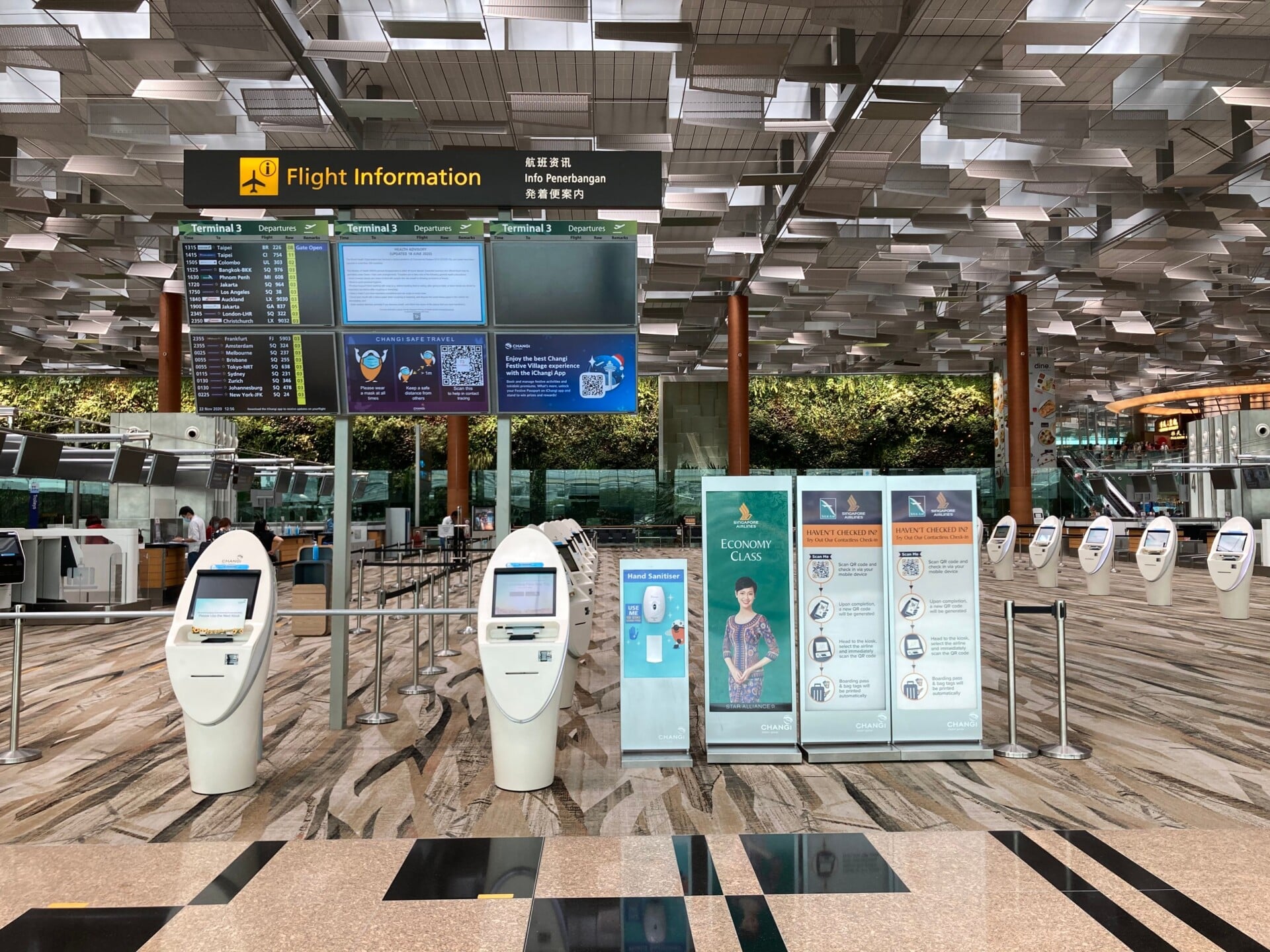
A persistent travel agent will only be valuable if it solves real problems. Travellers are already familiar with automated prompts that arrive too late, repeat information they have supplied, or advertise a destination after they have returned home. Adding AI to that experience would not improve it; it would just make the annoyance more articulate.
The useful version would know enough to reduce effort without becoming intrusive. It might recognise an unresolved question, help a loyalty member use an entitlement, or surface practical planning information at a sensible point in the customer journey. Relevance and restraint will determine whether ongoing contact feels like service or surveillance.
That standard also applies when travel brands use generative AI for customer-facing material. Publishers and travel businesses are already experimenting with AI-assisted travel content, including AI image tools for refreshing destination guides, but automated output still needs oversight, current information and a clear purpose.
Data, Consent and Accuracy Are Major Constraints
Travel data can be unusually personal. Booking records may reveal destinations, dates, travelling companions, accessibility needs and patterns of movement. Any company building longer-lived AI interactions will need to be clear about what information is used, how long it is retained and how customers can control it.
Accuracy is equally important. An agent that gives the wrong fare rule, baggage policy, visa guidance or cancellation option can create an expensive customer-service problem very quickly. Human escalation and reliable access to current operational information remain essential, especially when a traveller is disrupted or needs a binding answer.
Brands also need to avoid treating every interaction as a sales signal. A customer asking for help after a delayed flight is not volunteering for a holiday promotion. The strongest systems will need safeguards around timing, purpose and tone, as well as meaningful options to opt out.
What This Could Mean for Travel Brands
The shift described by Skift is less about replacing every website, call centre or travel adviser than connecting systems that have historically operated in separate stages. Booking, servicing, loyalty and marketing teams frequently work with different data and different goals. An AI agent can only maintain useful continuity if those underlying systems are accurate and properly connected.
For large travel companies, the near-term test will be narrow, practical use cases: helping loyalty members, resolving routine questions, guiding customers through a change, or continuing trip planning after an initial enquiry. A broad promise of an always-on personal travel assistant sounds appealing, but it will not earn trust unless the basics work reliably.
Travel planning itself remains fragmented. Shoppers may compare packages through services such as Costco Travel, book directly with a supplier, and then look elsewhere for insurance, activities or local advice. AI agents could give brands a stronger chance to remain part of that process, but only if they offer genuine help at each stage.
Frequently Asked Questions
What Is an AI Agent in Travel?
An AI agent is software designed to use information, make limited decisions and complete or guide tasks across a customer interaction. In travel, it could assist with planning, bookings, loyalty questions, service issues and follow-up communication.
How Could AI Agents Help Airlines Make More Money?
AI agents could help airlines maintain useful customer contact between journeys, increasing opportunities for direct bookings, loyalty engagement and relevant ancillary purchases. The commercial value depends on accurate service and customer trust, not on sending more messages.
Will AI Agents Replace Human Travel Customer Service?
AI agents may handle routine questions and make self-service easier, but complex disruption, exceptions and sensitive cases still require human support. Travel companies also need humans to oversee accuracy, policy decisions and customer complaints.
What Are the Main Risks for Travellers?
The main concerns are inaccurate answers, poor handling of personal data and marketing that becomes overly persistent. Travellers should be able to understand how their data is used and reach a human when an automated answer is not enough.