
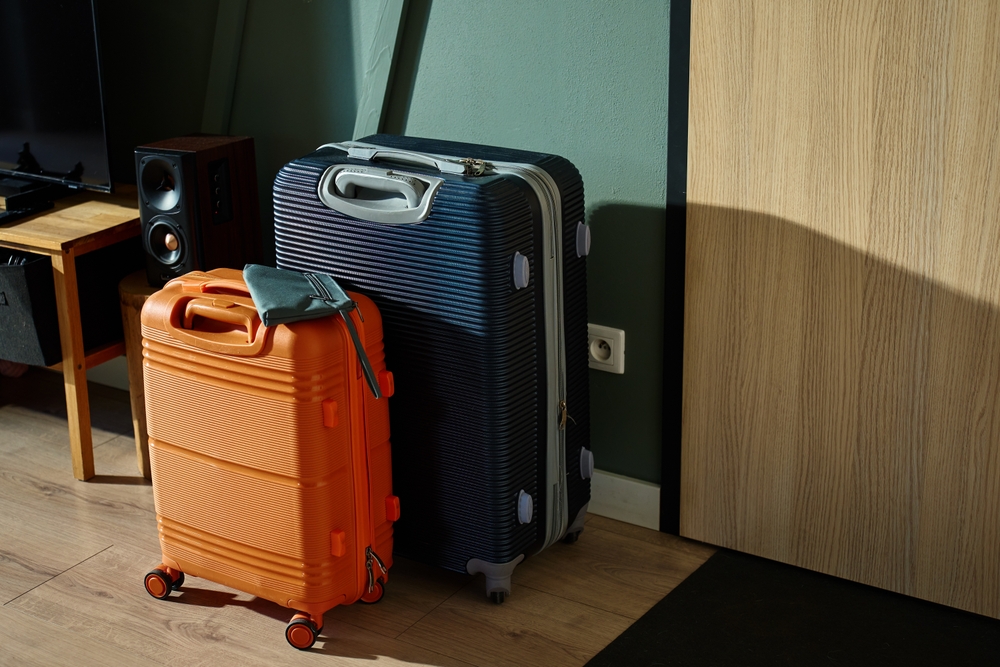
Planning a European trip around a football match, tennis tournament, cycling event or basketball game is a brilliant excuse to see a new city. It also creates a slightly awkward packing problem.
You need clothes suitable for the event, but most of the trip will probably involve public transport, sightseeing, restaurants and far more walking than expected. The answer is not a suitcase full of separate match-day outfits. It is a compact wardrobe that works before, during and after the event.
This guide covers what to pack for a week-long sports trip in Europe, including stadium restrictions, changeable weather and multi-city travel. Once the main event is booked, our guide to planning a trip itinerary can help organise the days around it.
Check the Destination, Date and Venue First
Europe does not have one useful packing season. Madrid in August, Barcelona in February and Edinburgh during an autumn football weekend call for very different clothing.
Check the forecast shortly before departure, then look at typical conditions for the month. Pay attention to evening temperatures as well as daytime highs. A match that starts after sunset can feel much colder than an afternoon spent sightseeing.
Next, read the venue’s current entry policy. Bag dimensions, permitted battery packs, umbrellas, cameras, bottles and food rules vary between events. Do not assume that a bag accepted at one stadium will be allowed into another.


Build a Small Mix-and-Match Wardrobe
For a seven-day trip, a practical starting point is:
- Four or five everyday tops
- Two or three pairs of trousers, shorts or skirts
- One lightweight jumper, fleece or cardigan
- One weather-resistant outer layer
- One match-day top or piece of supporter clothing
- Enough underwear and socks for the trip or your planned laundry stops
- Sleepwear
- One pair of comfortable walking shoes
Adjust the list for the weather, your accommodation and whether you can do laundry. Neutral colours make it easier to combine the same pieces without packing a complete outfit for every day.
Quick-drying fabrics can be useful when a day starts on a walking tour, continues at a stadium and ends over dinner. You do not need technical sportswear for every activity, but clothing that stays comfortable over a long day earns its place in the bag.
Choose Match-Day Clothing That Works Elsewhere
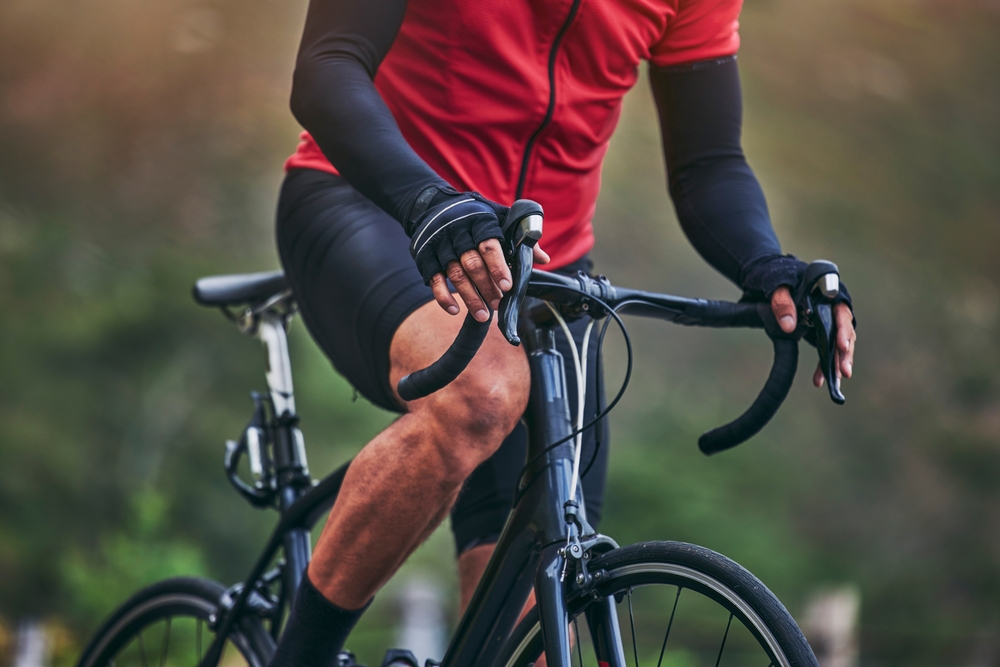
A team shirt, cycling jersey, cap or scarf can add to the atmosphere without taking over your suitcase. If possible, choose one or two pieces that can also be worn on a travel day or casual afternoon.
Travellers arranging coordinated clothing for a club, group or amateur team will find suppliers such as USportsGear, which lists custom apparel across several sports. Check sizing, materials, production times, delivery terms and the venue’s rules before ordering or packing anything.
Avoid bringing valuable or irreplaceable memorabilia unless you are comfortable carrying it throughout the trip. A favourite vintage shirt may look great in the stands, but it is less appealing when it needs to be washed in a hotel sink or squeezed into an airline personal item.
Wear Shoes You Have Already Tested
A sports city break can involve a walk to the station, stairs between platforms, several hours around the city and another walk from public transport to the venue. Cobblestones and long stadium concourses are not kind to brand-new shoes.
Choose a pair you have worn for several hours at a time. If the trip is longer or includes smarter evenings, a lightweight second pair may be worthwhile, but most short breaks do not need a collection of footwear.
Pack plasters or blister dressings in your day bag. They occupy almost no space and can save an otherwise miserable walk back after the final whistle.
Use Layers for Changeable Weather
Layers are generally more flexible than one bulky coat. A breathable base, light insulating layer and packable waterproof shell can be combined as conditions change.
Depending on the season and destination, consider:
- A compact waterproof jacket
- A warm mid-layer
- A hat and gloves for cold evening events
- A sun hat, sunglasses and sunscreen for summer
- A small poncho only if the venue permits it
Do not rely on an umbrella without checking the event rules. Some venues prohibit them completely, while others may allow only a small collapsible version.
Pack a Venue-Compliant Day Bag
Leave your main luggage at your accommodation or in an official storage facility. For the event itself, take the smallest permitted bag with only what you are likely to use.
A basic match-day kit might include:
- Phone with the event ticket downloaded
- Passport or other accepted identification if required
- Payment card and a small amount of local currency
- Compact power bank and charging cable, if permitted
- Necessary medication in its original packaging
- Weather layer
- Earplugs for anyone sensitive to loud crowds
UEFA’s stadium safety rules require security screening and prohibit alcohol, fireworks and objects that could be used in violence. Individual competitions and venues may impose additional restrictions, so the organiser’s event page remains the final source to check.
Take a screenshot of the ticket barcode or add the ticket to your phone’s wallet when the issuer permits it. Stadium mobile networks can struggle when thousands of people arrive together.
Keep Travel Documents Organised
Keep your passport, tickets, accommodation details and transport reservations somewhere accessible but secure. Save offline copies on your phone and keep a separate backup of essential booking information.
Entry requirements depend on your nationality, destination and length of stay. The European Union provides official guidance on travel documents for non-EU nationals. Check the relevant border authority as well, particularly if the itinerary includes both EU and non-EU countries.
Our guide to organising passports, visas and identification also has a practical document checklist.
Plan for Trains, Flights and Multiple Cities
Every extra item has to be carried through stations, airports and hotel changes. A smaller bag makes it easier to use stairs, board busy trains and keep your belongings close.
If flying between cities, check the exact allowance attached to your fare rather than relying on a generic airline rule. The EU’s official luggage restrictions guidance explains general airport security rules, but airlines and airports may set additional limits.
For rail travel, confirm whether your ticket covers one continuous journey or several separate contracts. Leave sensible time for transfers, especially when the event itself cannot be moved. The EU’s rail passenger rights information is a useful starting point if a delay or cancellation disrupts the route.
Packing cubes can keep a small case organised, although they do not reduce its weight. Leave a little empty space for a scarf, programme or souvenir bought at the event.
Useful Accessories That Earn Their Space
A few small accessories can make a long travel day easier:
- A plug adapter suitable for every country on the route
- A compact phone charger
- A reusable bottle for use outside the venue
- A laundry bag
- A small amount of detergent for sink washing
- Any prescription medication and supporting documents
- Basic pain relief and blister care
A compact backpack can be useful for sightseeing, but compare its dimensions with the venue’s bag limit. Our guide to the best carry-on backpacks explains the features to consider for the rest of the trip.
Common Sports-Trip Packing Mistakes
- Packing for every possible condition: focus on the likely forecast and use layers.
- Ignoring venue rules: check the official policy close to the event date.
- Wearing new shoes: test them on a long walk before travelling.
- Bringing too many supporter outfits: one versatile shirt, cap or scarf is usually enough.
- Depending entirely on mobile data: save tickets and essential directions offline.
- Filling every inch of the case: leave room for purchases and avoid starting the trip at the baggage limit.
Final Check Before Leaving
Confirm that the event time has not changed, the ticket is genuine and accessible, your identification meets the organiser’s requirements and your bag complies with the latest venue policy. Recheck the forecast and transport schedule, then charge your devices.
The best sports-trip packing list is not the one with the most equipment. It is the one that gets you comfortably through the trains, walking tours, unpredictable weather and stadium security surrounding the event itself.
