
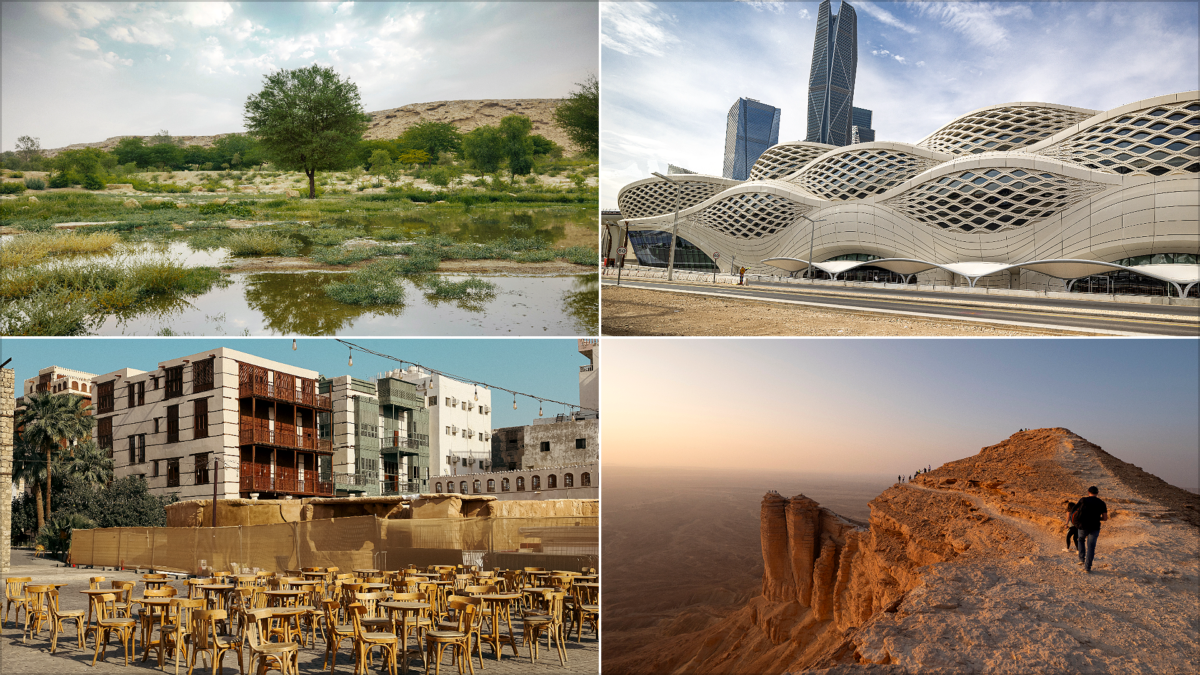
Umrah may be the reason for a journey to Saudi Arabia, but it need not be the only chapter. Allowing time after pilgrimage can reveal sandstone archaeology, Red Sea history, wide desert escarpments and a capital city shaped by both old forts and high-rise views. For practical context on visas, local customs and getting around, this Saudi Arabia travel guide for UK visitors is a useful companion when planning the wider trip.
These five incredible places to visit in Saudi Arabia beyond Umrah offer a useful first route through the country. They are not all next door to Makkah or Madinah, so think of them as purposeful additions rather than rushed day trips. A domestic flight, private driver or carefully timed train and road journey can make a much more enjoyable itinerary than trying to conquer the map in one heroic sweep.
Many travellers choose to organise their Umrah Packages first, then build extra time into the itinerary for places such as AlUla, Jeddah or Riyadh before returning home. Planning the pilgrimage and sightseeing together often makes domestic flights and accommodation much easier to coordinate.
At a glance: five Saudi destinations beyond Umrah
| Place | Best for | What makes it stand out | Planning note |
|---|---|---|---|
| Hegra, AlUla | Ancient history | More than 100 Nabataean tombs cut into sandstone | Entry is through an organised tour, with tours starting from SAR 95 |
| Edge of the World | Desert scenery and hiking | High escarpment views at Jebel Fihrayn | Build in time for the off-road approach and return before dark |
| Al-Balad, Jeddah | Historic streets and markets | Jeddah’s old district with a lively traditional atmosphere | Pair it with the Jeddah Corniche and explore on foot |
| Riyadh | City landmarks and museums | Kingdom Centre Tower, Diriyah and Masmak Fortress | Best treated as a multi-stop city break, not a quick stopover |
| Wadi Hanifa | Landscape close to the capital | A valley with plant life, wildlife and historic landmarks | Useful alongside a Riyadh itinerary during daylight hours |
1. Hegra, AlUla: Saudi Arabia’s great Nabataean site
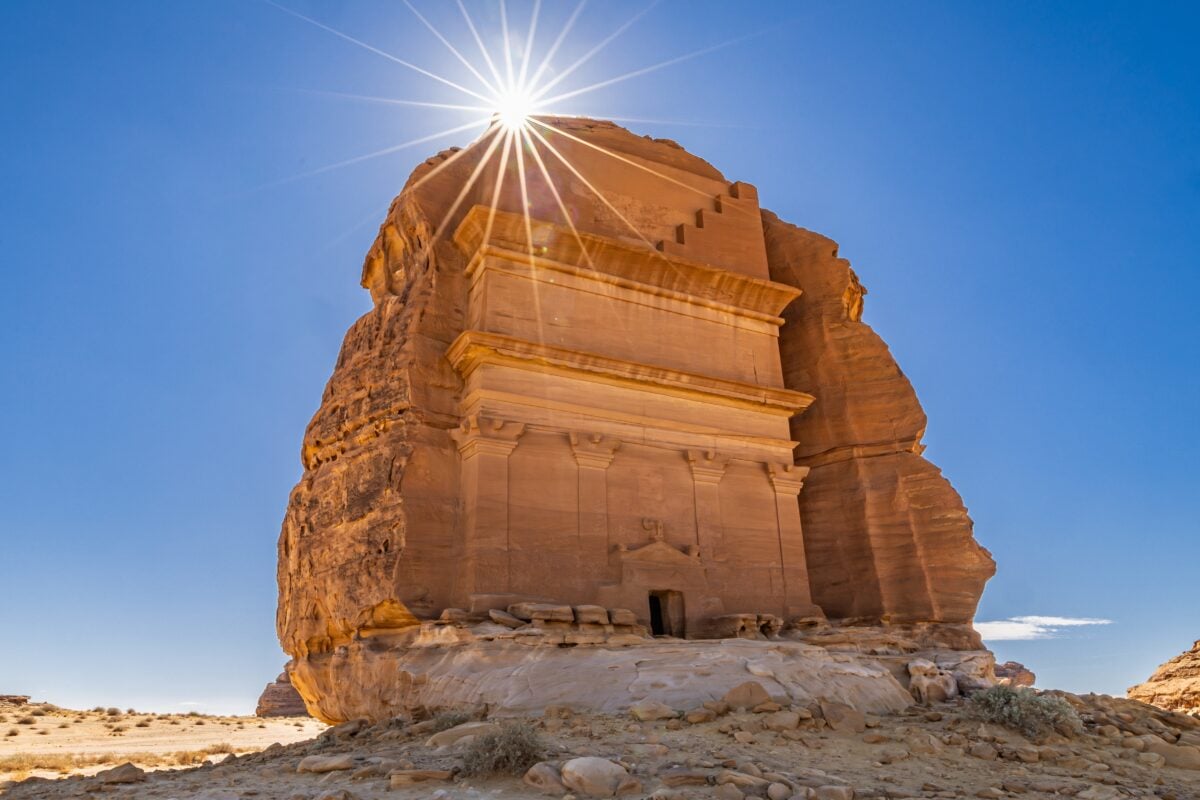
Hegra is the obvious starting point for history-minded travellers. It is Saudi Arabia’s first UNESCO World Heritage Site and the largest preserved Nabataean site south of Petra. Its defining feature is the concentration of rock-cut tombs, with more than 100 carved into the sandstone landscape. The façades reveal a sophisticated ancient trading civilisation that once connected Arabia with the Mediterranean, Egypt and the wider region.
The site is not a wander-in-and-see-what-happens attraction. Hegra is visited on organised tours, using either coaches or private premium 4×4 vehicles. Tours begin at the Hegra Visitor Centre, and the published starting price is SAR 95. Booking ahead is sensible because timed places can be limited, particularly during the cooler travel season and holiday periods.
What to look for at Hegra
- Qasr al-Farid: a monumental tomb carved from an isolated rock, and one of Hegra’s most recognisable sights. Its unfinished exterior makes the carving process easier to appreciate.
- Jabal al-Banat: a group of tombs that shows the scale of the Nabataean cemetery landscape and the variety in the decorative façades.
- Al Diwan: a carved gathering space within the site complex, set beneath a substantial sandstone outcrop.
- Face Rock: a natural rock formation often included on organised itineraries and a reminder that AlUla’s scenery is as memorable as its archaeology.
Give AlUla more than a single hurried stop if possible. The setting is part of the appeal: a broad desert valley where the tomb façades appear almost theatrical, despite being nearly two millennia old. Cooler parts of the day are more comfortable for being outdoors, and a late-afternoon slot can make the sandstone tones especially striking. Bring sun protection even when the temperature feels manageable, because desert shade can be in short supply.
Travel tip: do not assume transport runs from Winter Park to Hegra. Visitors are expected to reach the Hegra Visitor Centre by car, taxi or the Darb AlUla app.
2. Edge of the World: a cliff-edge escape near Riyadh
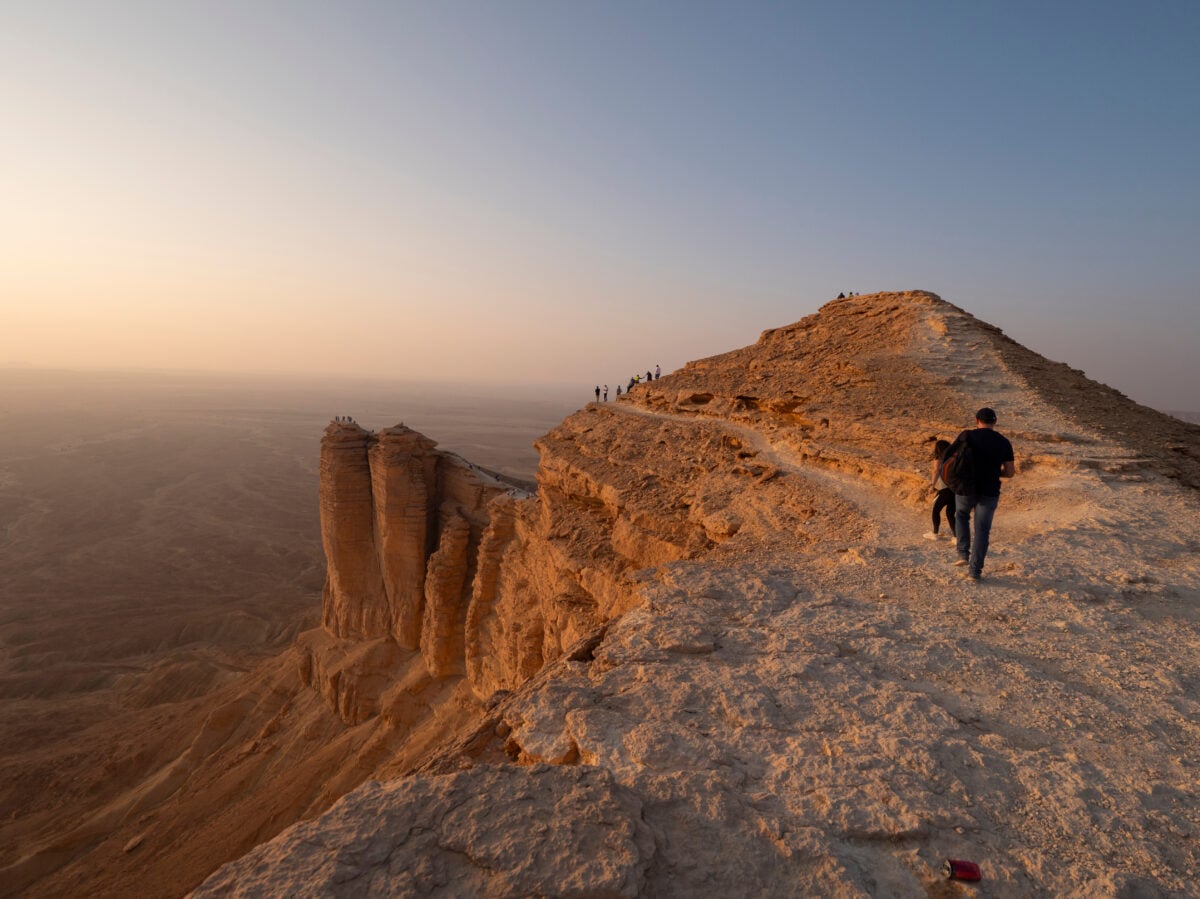
The Edge of the World, also known as Jebel Fihrayn, is the landscape counterpoint to Saudi Arabia’s historic sites. Its dramatic escarpment drops away into vast open terrain, creating the kind of view that makes even committed phone-checkers put the screen down for a minute. The cliffs form part of the Tuwaiq escarpment, a long geological feature that cuts through central Saudi Arabia.
It works best as a half-day or longer outing from Riyadh. The final approach can involve off-road travel, so this is a place where transport planning matters as much as the walking itself. Guided excursions are common, while independent visitors should be realistic about route conditions, daylight and their vehicle. There are few of the usual city conveniences once you leave Riyadh, so do not count on finding snacks, shade or fuel at the last minute.
How to make the visit worthwhile
- Choose a cooler day and begin early enough to avoid having the return journey become a night-navigation exercise.
- Wear closed shoes with grip. The attraction is the cliff line and uneven natural terrain, not a polished urban viewpoint.
- Carry water and keep a conservative distance from exposed edges. This is not the place for a dramatic backwards step in a photo.
- Pack out everything you bring in. The appeal here is the scale and rawness of the landscape, and it deserves to stay that way.
The Edge of the World is particularly rewarding for travellers who want a break from city streets and scheduled heritage tours. It also shows why Saudi Arabia is becoming a stronger option for outdoor-minded visitors. Allow extra time for the drive back to Riyadh, especially if sunset is part of the plan.
Useful purchase: a compact daypack keeps water, sun protection and a light layer together for Hegra or Jebel Fihrayn without becoming a burden on a short walk.
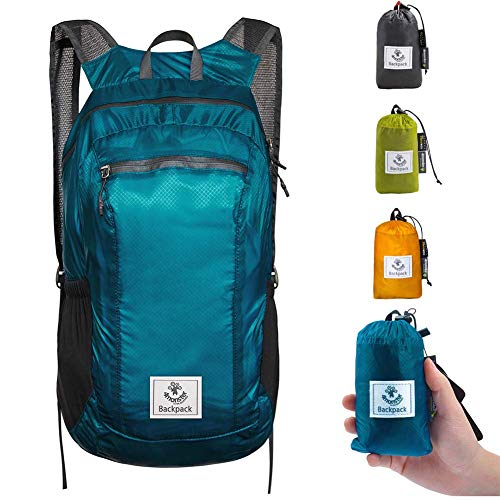
We earn a commission if you buy through this link, at no extra cost to you.
3. Al-Balad, Jeddah: old-city character by the Red Sea
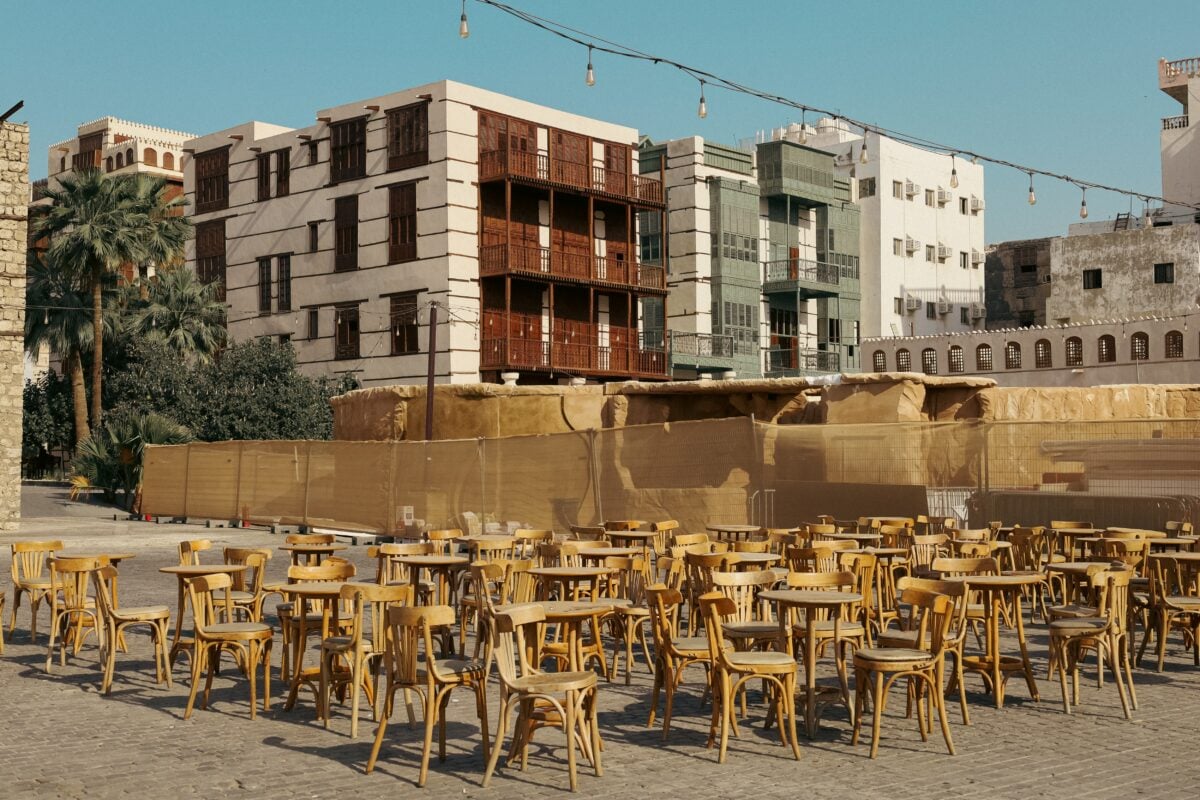
Jeddah is often known as a gateway city, but Al-Balad makes a compelling case for staying longer. The historic district has an evocative market atmosphere, older streets and traditional architecture that offer a marked change of pace from modern boulevards. Its coral-stone buildings and wooden rawasheen balconies are among the details that make the quarter feel distinct from newer parts of the city.
Spend time walking rather than merely driving through. Al-Balad is best appreciated in the details: the density of lanes, shopfront activity and the sense that this was a trading city long before the airport connections and coastal towers arrived. Go with patience rather than a tightly choreographed checklist, as the most rewarding moments can be a busy souq lane, a carved doorway or the sound of evening activity beginning around you.
Pair Al-Balad with the Jeddah Corniche
After the older quarters, head towards the Jeddah Corniche for Red Sea views. The waterfront also provides sightlines towards King Fahd Fountain, one of the city’s landmark features. This is an easy pairing for a relaxed evening, especially after the concentrated bustle of the historic district. The Corniche is best approached as a place for a stroll and a sea breeze rather than a formal attraction with a set timetable.
Travel tip: treat Al-Balad as a walking visit and allow time to pause in its market streets. It is far more satisfying than trying to tick it off between airport transfers. Comfortable shoes are more useful here than a packed sightseeing schedule.
4. Riyadh: forts, a sky bridge and Diriyah
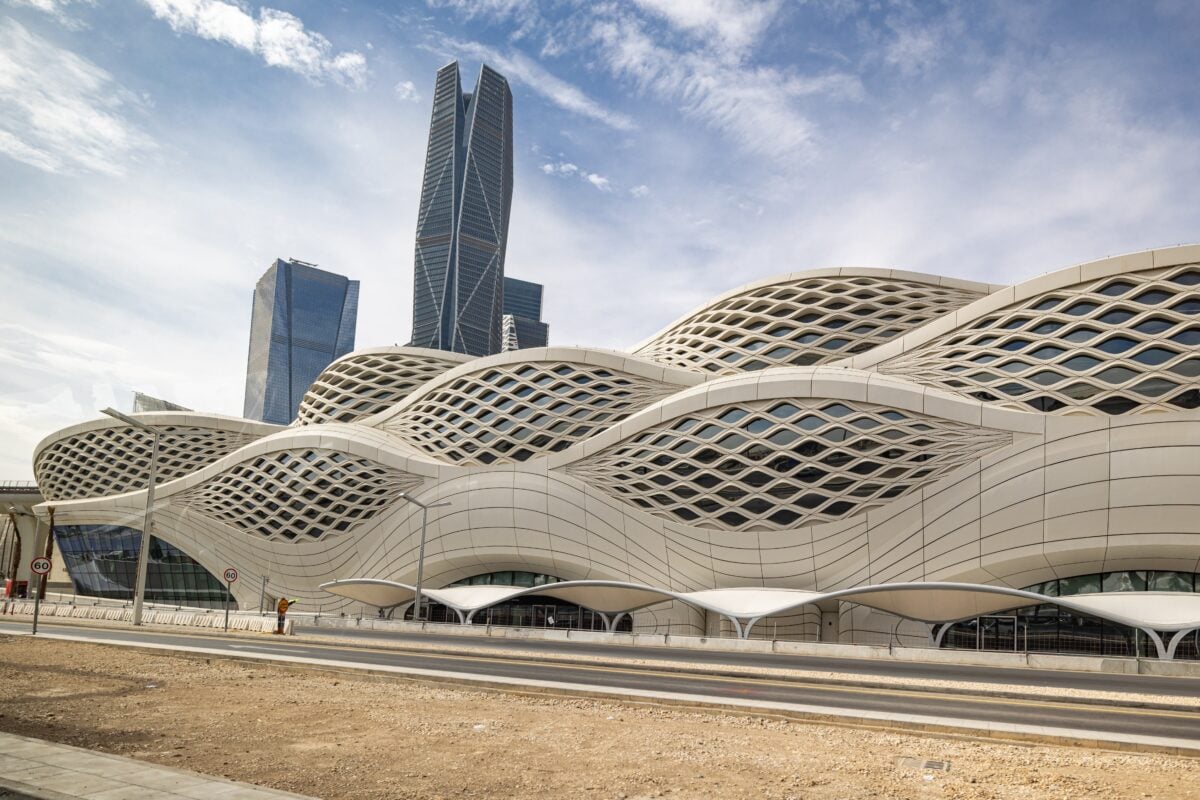
Riyadh rewards travellers who want to understand Saudi Arabia as a contemporary capital as well as a historic kingdom. The city brings several useful contrasts together: the high-rise Kingdom Centre Tower, the defensive history of Masmak Fortress and the archaeological importance of Diriyah. Traffic and distances can be considerable, but the variety makes the effort worthwhile.
Kingdom Centre Tower is known for its sky bridge, giving visitors a high-level perspective on the city. At ground level, Masmak Fortress offers a much older visual language, with its solid fortifications and central role in Riyadh’s historical story. The National Museum is another strong stop for anyone wanting more context before moving on to other regions. Together, the fortress and museum provide a useful foundation before the sleek skyline starts to dominate the day.
Then there is Diriyah, a major heritage destination associated with the early history of the Saudi state. Do not try to squeeze all of Riyadh into one afternoon. The city’s distances are real, and a sensible route groups stops rather than zigzags between them. A taxi or ride-hailing plan is often simpler than assuming each landmark is an easy walk from the next.
Best approach: allocate one full day for central landmarks and museums, then leave another portion of your itinerary for Diriyah or the desert landscapes outside the city.
5. Wadi Hanifa: a landscape break outside Riyadh
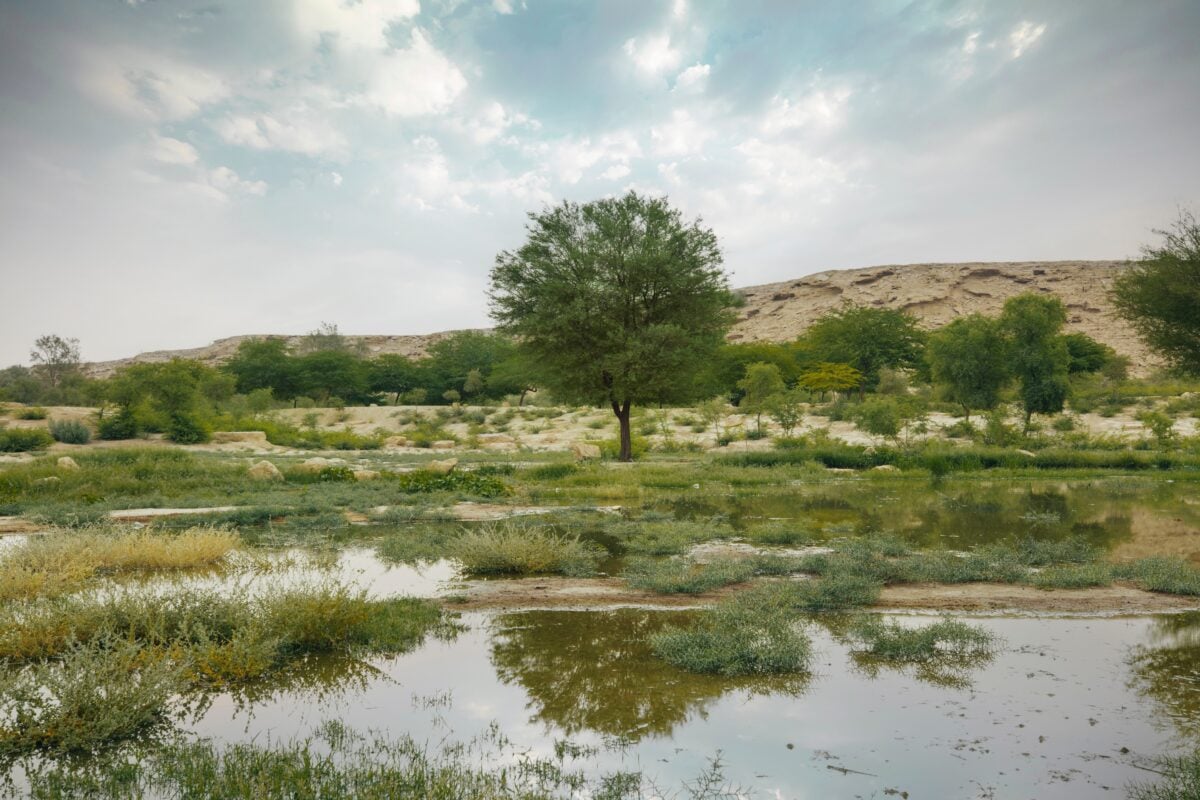
Wadi Hanifa offers a different side of the Riyadh region. This valley outside the capital is associated with wildlife, plant species, ancient ruins and historic landmarks, making it a more nature-focused complement to Riyadh’s museums, fort and skyline. It is less about ticking off a headline attraction and more about seeing the landscape that has shaped settlement around the capital.
It is a good choice for visitors who want their Saudi Arabia itinerary to include more than built attractions. The appeal lies in slowing down and seeing how the landscape and historical traces sit alongside the country’s rapidly changing urban centres. Conditions are generally most pleasant earlier in the day or nearer sunset, when the valley is better suited to a slower wander.
Plan it as part of a Riyadh stay
- Combine Wadi Hanifa with Riyadh rather than treating it as a long-distance standalone destination.
- Keep your schedule flexible around daylight, transport and outdoor conditions.
- Use it as a quieter counterweight to a day spent at Kingdom Centre Tower, Masmak Fortress or the National Museum.
- Bring water and sun protection, particularly if you are visiting after a busy morning in the city.
Wadi Hanifa may not have the instant name recognition of Hegra, but it gives a more rounded picture of the central region. That is precisely the point of travelling beyond the pilgrimage itinerary.
Practical advice for extending an Umrah trip
A successful extension is usually built around geography, not ambition. AlUla, Jeddah and Riyadh are distinct stops, so choose the places that fit your available time instead of trying to collect all five at a punishing pace. Saudi Arabia is especially appealing in the cooler months, and travellers considering other seasonal escapes may also find these warm places to visit in December useful for comparing winter travel ideas.
- Book Hegra before finalising the AlUla leg: organised tours are the required way to visit and availability may shape your schedule.
- Plan outdoor sites carefully: the Edge of the World and Wadi Hanifa are more enjoyable with daylight, water and suitable footwear.
- Give historic districts time: Al-Balad is better on foot, while Riyadh’s major sights are spread across a large city.
- Keep pilgrimage and touring distinct: leave a little breathing room between Umrah and longer intercity travel.
- Dress and pack thoughtfully: modest clothing is appropriate for pilgrimage and useful across the country, while a light layer can be welcome after sunset in desert areas.
If you are extending your pilgrimage into a wider Saudi Arabia itinerary, companies such as Muslims Holy Travel can help with the practical side of arranging the pilgrimage itself, leaving you free to focus on planning the destinations you want to explore afterwards. Hegra’s ancient tombs, the Edge of the World’s dramatic cliffs and Al-Balad’s historic streets all show just how much more there is to discover beyond the holy cities.
