
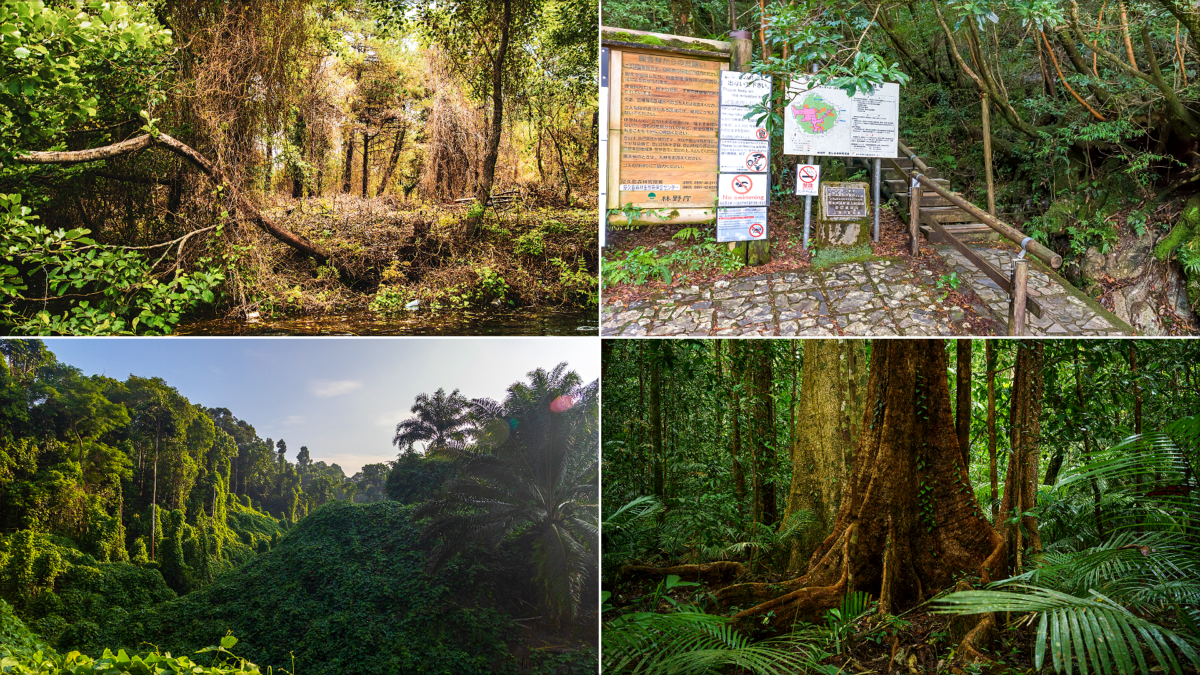
Where are the world’s oldest forests? The answer depends on what, exactly, is being dated. Some places hold individual trees that have stood for thousands of years. Others are living ecosystems with plant lineages that reach back to the age of dinosaurs.
A rainforest is not a museum exhibit with a single birthday, and its oldest trees are rarely the same age as the forest ecosystem around them. The same wrinkle applies when considering the oldest churches in America: age can describe a surviving structure, a site or a much longer cultural story. Still, a handful of remarkable places offer a close look at landscapes shaped by immense stretches of ecological time.
For travellers, these forests are more than a superlative to tick off. They are complex, protected habitats where weather, trails and conservation rules deserve as much attention as the big number attached to their age.
What does “oldest forest” actually mean?
Lists of ancient forests often compare very different things. One may estimate the long-term continuity of a rainforest ecosystem, while another refers to the age of particular trees. A third may be describing a fossil forest preserved in rock.
- Ancient ecosystems have persisted through major climatic and geological change, even though individual trees have died and regrown many times.
- Old-growth forests are forests that have developed for long periods with relatively little large-scale human disturbance. They usually contain varied tree ages, fallen timber, standing dead trees and complex soils.
- Ancient trees are exceptional living individuals, such as Great Basin bristlecone pines. A forest containing old trees is not automatically the oldest ecosystem on Earth.
- Fossil forests are evidence of forests that existed in deep geological time, not living woodland to walk through.
The oldest known fossilised forest evidence is vastly older than any living rainforest. Fossils near Minehead on England’s Devon and Somerset coast date to about 390 million years ago. They reveal an early forest world, but not a living destination in the same sense as Daintree or Yakushima.
Ancient forests worth planning a trip around
| Forest | Location | Commonly cited age context | What makes it distinctive | Best planning window |
|---|---|---|---|---|
| Daintree Rainforest | Queensland, Australia | About 180 million years as a surviving rainforest lineage | Exceptional concentration of ancient plant groups in the Wet Tropics | May to October for generally drier conditions |
| Borneo Lowland Rainforest | Malaysia, Indonesia and Brunei | Often estimated at about 140 million years | Dipterocarp forest and habitat for Bornean orangutans | Plan around regional rainfall and park access |
| Taman Negara | Peninsular Malaysia | Often described as more than 130 million years old | Large tropical rainforest landscape | February to September is generally easier for outdoor travel |
| Yakushima | Kagoshima Prefecture, Japan | Ancient forest with exceptionally old cedar trees; estimates for individual trees vary | Warm-temperate forest and ancient cedar groves | Spring or autumn for milder hiking conditions |
| Hyrcanian Forests | Iran and Azerbaijan | About 25 to 50 million years | Broad-leaved woodland along the Caspian Sea | Late spring or early autumn |
Daintree Rainforest, Queensland, Australia
The Daintree Rainforest is the name most travellers encounter first in the search for the world’s oldest forests. Its plant lineages are widely estimated at about 180 million years old, and it is often described as the world’s oldest surviving tropical rainforest. It forms part of the Wet Tropics of Queensland World Heritage Area.
Its significance is not just a round number. The rainforest contains 12 of the world’s 19 families of primitive flowering plants, a useful reminder that this is a living refuge for very old branches of plant evolution. The forest reaches the coast around Cape Tribulation, creating the rare Australian combination of dense rainforest, mangroves and Coral Sea shoreline. If you are combining the forest with reef time, choosing the best arrival airport for the Great Barrier Reef can make the logistics considerably less fiddly.
Why go and how to plan it
- Best time: May to October is generally the drier period, which can make road travel and outdoor walks more straightforward.
- Practical tip: Conditions are tropical and change quickly. Carry drinking water, insect protection and rain cover even during drier months. A four-wheel-drive vehicle is required beyond the Daintree River on the road to Cape Tribulation, and the ferry crossing can be busy in peak periods.
- Nearby experience: Cape Tribulation is a useful base for seeing where the rainforest meets the coast. Follow local safety signage around beaches and waterways, particularly during marine stinger season and around crocodile habitat.
- Respect the place: Stay on marked tracks and do not handle wildlife or plants. This is a sensitive World Heritage landscape, not a theme park with better birds.
Taman Negara, Peninsular Malaysia
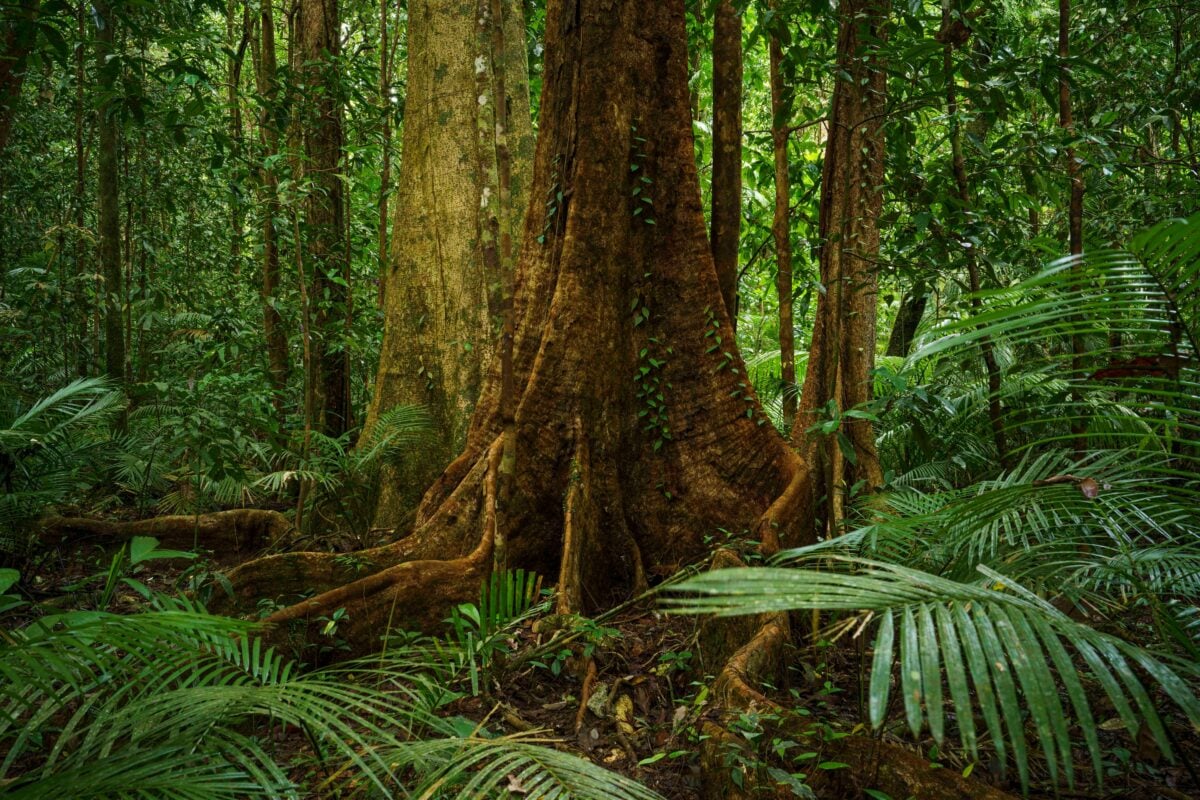
Taman Negara is frequently described as one of the planet’s oldest tropical rainforest systems, with estimates of more than 130 million years. The name translates simply as “national park,” but there is nothing especially simple about its layered, humid forest environment.
This is a strong choice for travellers who want an immersive rainforest experience rather than a roadside viewpoint. The appeal lies in the scale of the forest, its dense canopy and the chance to understand how a mature tropical ecosystem functions: trees at different stages of life, vines, insects, fungi and the constant soundtrack of unseen animals. Kuala Tahan is the usual gateway village, with boats crossing the river to park facilities and trail access.
Travel notes for Taman Negara
- Best time: February to September is generally considered easier for outdoor activities, though rain is possible in any month in a tropical rainforest.
- Helpful tip: Choose footwear with grip and expect mud after rain. A waterproof field notebook is handy for noting wildlife sightings without sacrificing your phone to the humidity.
- What makes it different: This is not a single ancient tree grove. Its value is the long continuity of the forest ecosystem itself, best appreciated on a guided walk or an overnight stay rather than a rushed visit.
- Plan conservatively: Trail conditions, canopy walkway access and river travel can be weather-dependent, so build flexibility into a multi-day itinerary. Check current park requirements before travelling.

Rite in the Rain
Rite In The Rain Weatherproof Side Spiral Notebook, 4.625" x 7", Green Cover, Universal…
BOOK
We earn a commission if you buy through this link, at no extra cost to you.
Borneo Lowland Rainforest, shared by Malaysia, Indonesia and Brunei
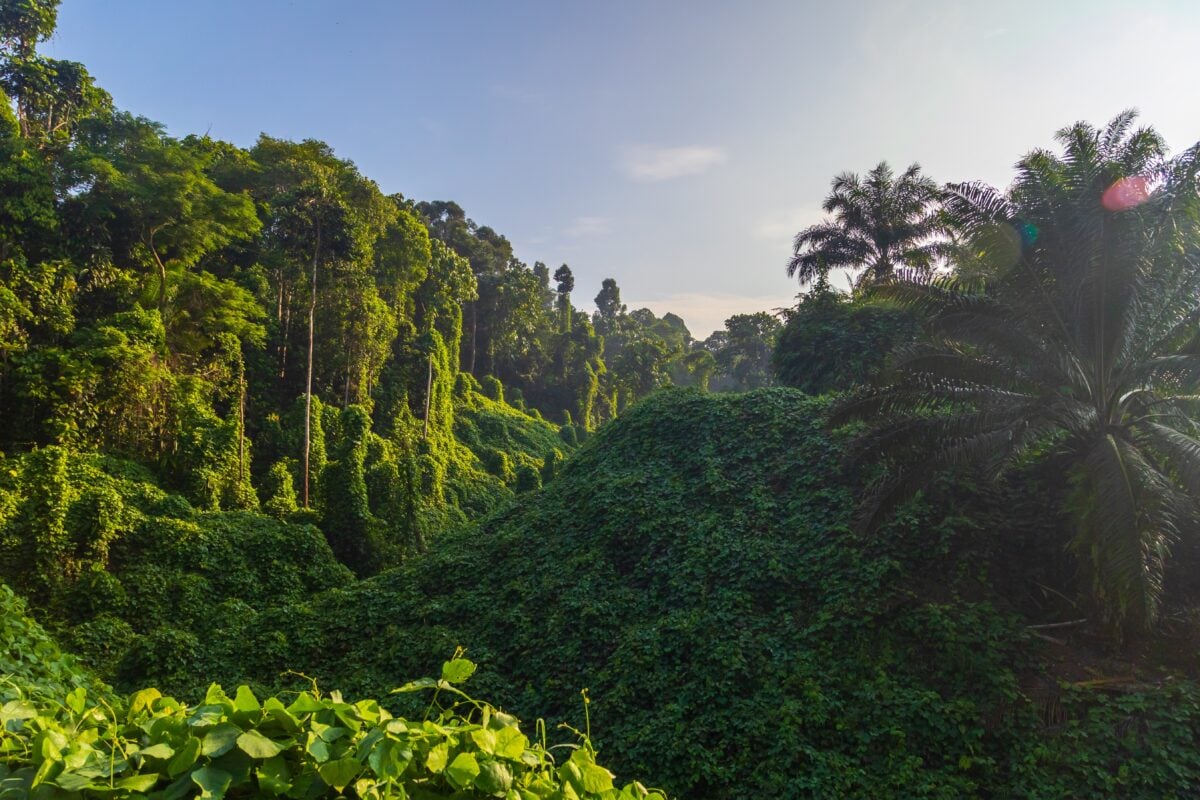
The Borneo Lowland Rainforest is often estimated at around 140 million years old. It spreads across an island shared by Malaysia, Indonesia and Brunei, and it remains one of the most biologically rich rainforest regions on the planet.
Its towering dipterocarp trees are a defining feature. These forests also support the endangered Bornean orangutan, though wildlife sightings should never be assumed or promised. The best encounters are patient ones, guided by the forest rather than a checklist. Lowland rainforest has also been heavily fragmented in many parts of Borneo, so choosing protected areas and conservation-minded operators matters more here than chasing a vague “jungle tour” label.
How to approach a Borneo rainforest trip
- Choose a protected-area-focused itinerary: Forest fragmentation and logging have placed real pressure on lowland habitats. Travel that supports responsible local conservation operations is the better fit here.
- Pack for heat and rain: Lightweight long sleeves, waterproof layers and leech socks can be useful depending on the route and season. Keep electronics in a dry bag because humidity and sudden downpours are both very efficient.
- Give yourself time: Forest wildlife is often heard before it is seen. An overnight stay near a reserve is more rewarding than trying to rush a rainforest into a day trip.
Yakushima, Japan: ancient cedars in a very different forest world
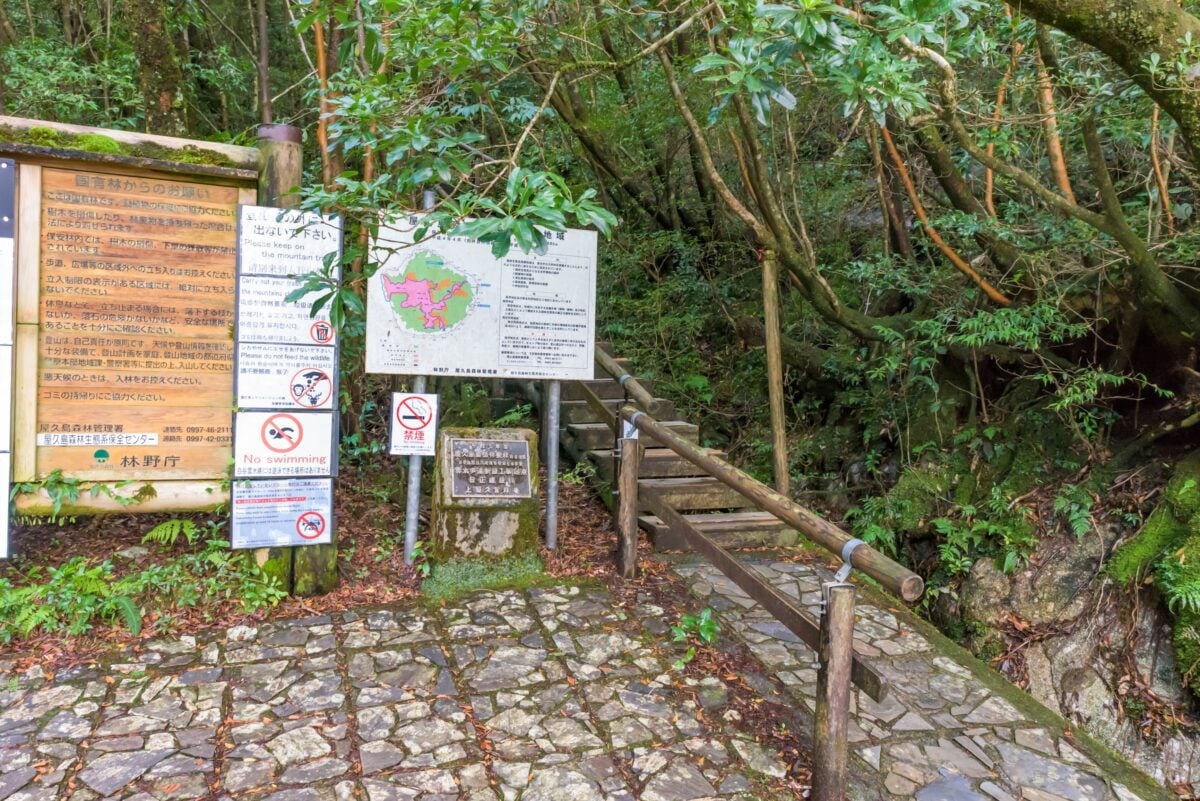
Yakushima, an island in Kagoshima Prefecture, shows why the phrase “oldest forest” should not be reserved for tropical rainforests. The island’s warm-temperate ancient forest is known for its yakusugi, Japanese cedar trees. Age estimates for the oldest specimens, including Jomon Sugi, vary widely because accurately dating a living giant without damaging it is no simple task; some estimates extend beyond several thousand years. The island’s natural area is recognised as a UNESCO World Heritage site.
The atmosphere is distinct from Australia or Malaysia. Mossy trunks, heavy rainfall and steep terrain create a forest that feels almost theatrical, though the weather is doing most of the special effects. Hikers come for the old cedar landscapes, not simply a sign declaring an impressive age. Trails can be long and demanding, so the most famous trees reward a proper early start rather than optimistic footwear and a late breakfast.
Yakushima travel tips
- Best time: Spring and autumn usually offer milder hiking conditions than the height of summer or winter.
- Prepare for rain: Waterproof layers and dry bags are sensible on any forest walk. The island is famously wet, and wet rock and roots can make even a well-marked route slow going.
- Keep expectations realistic: Ancient trees and sensitive trails need careful management. Check local access guidance before setting out and avoid treating a long forest hike as a casual stroll.
- Why it is special: Yakushima pairs exceptionally old living trees with a forest system that is visually and climatically unlike the lowland tropics.
The Hyrcanian Forests along the Caspian Sea
The Hyrcanian Forests form a long band of broad-leaved woodland along the southern Caspian Sea, extending through Iran and Azerbaijan. These forests are commonly dated to between 25 and 50 million years and are a surviving remnant of ancient temperate woodland that once covered a much wider area.
Unlike the towering tropical rainforest image many people have in mind, Hyrcanian woodland is valued for its ancient temperate character. It is an important counterpoint to the Daintree story: old forests do not all look alike, and their survival often reflects a particular combination of geography, moisture and protection. Access varies considerably across this long forest belt, so independent travellers should treat route planning as seriously as the walking itself.
- Best time: Late spring and early autumn can offer more comfortable conditions for outdoor exploration than peak summer.
- Travel tip: Research access and local guidance carefully, particularly for cross-border planning. The forest extends across more than one country, and protected areas do not all have the same visitor infrastructure.
- Why: These woods preserve plant communities with deep evolutionary roots in western Asia.
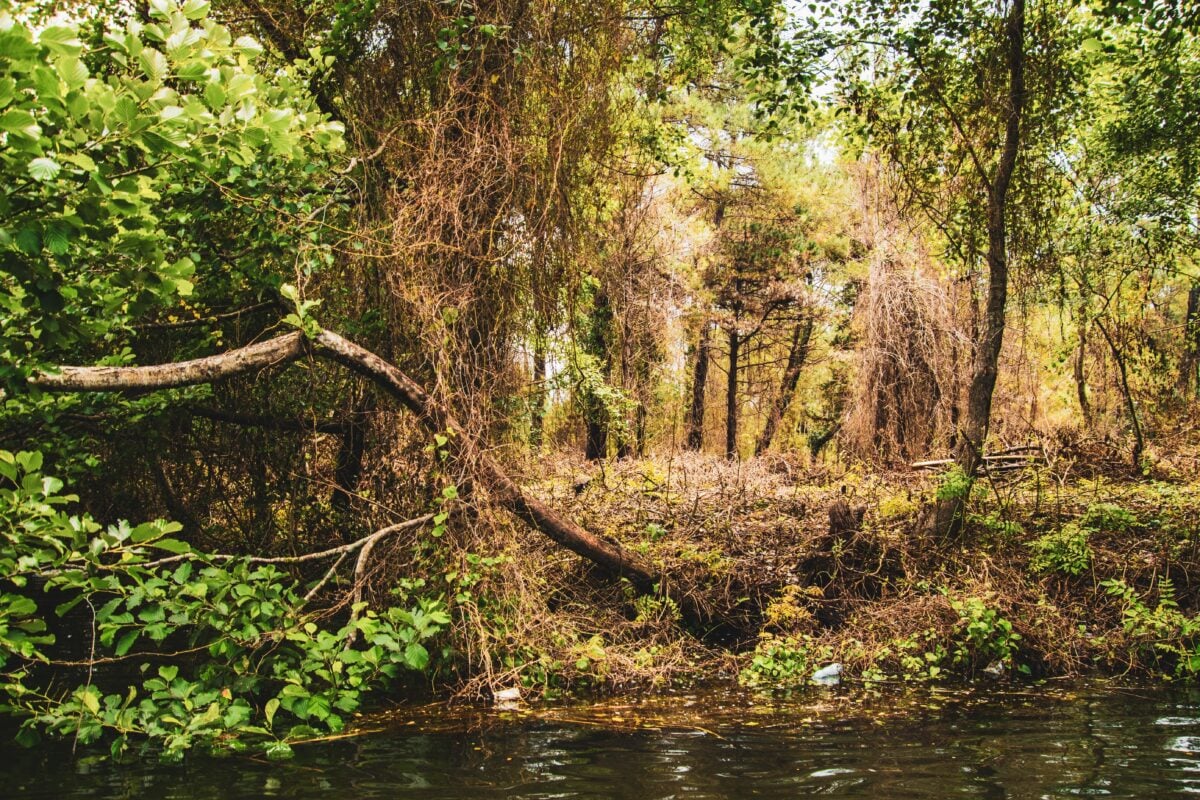
How to visit ancient forests responsibly
Ancient forest travel works best when the forest, rather than the photograph, sets the pace. A few small decisions have an outsized effect in places where soils, roots and wildlife are easily disturbed.
- Use established paths. Cutting corners damages ground vegetation and compacts soil around roots.
- Follow local weather and closure advice. Heavy rain, fire risk and wildlife protection can alter access quickly.
- Keep food sealed and take all rubbish away. Feeding wildlife changes animal behaviour and creates avoidable problems.
- Book local guides where they are offered. A knowledgeable guide can turn a wall of green into a readable landscape of species, habitats and conservation challenges.
- Do not collect leaves, seeds, wood or stones. The best souvenir is a muddy boot and a better understanding of why the place is protected.
So, where are the world’s oldest forests?
For living rainforest continuity, Daintree in Queensland, Taman Negara in Malaysia and the lowland forests of Borneo are among the best-known answers. Yakushima offers ancient trees in Japan, while the Hyrcanian Forests preserve a much older temperate woodland lineage along the Caspian Sea.
There is no perfect global leaderboard because forest age can mean several different things. That is not a flaw in the question. It is the interesting part. Each of these places is evidence that forests are not just collections of trees, but long-running ecological systems with stories far older than any travel itinerary.
