
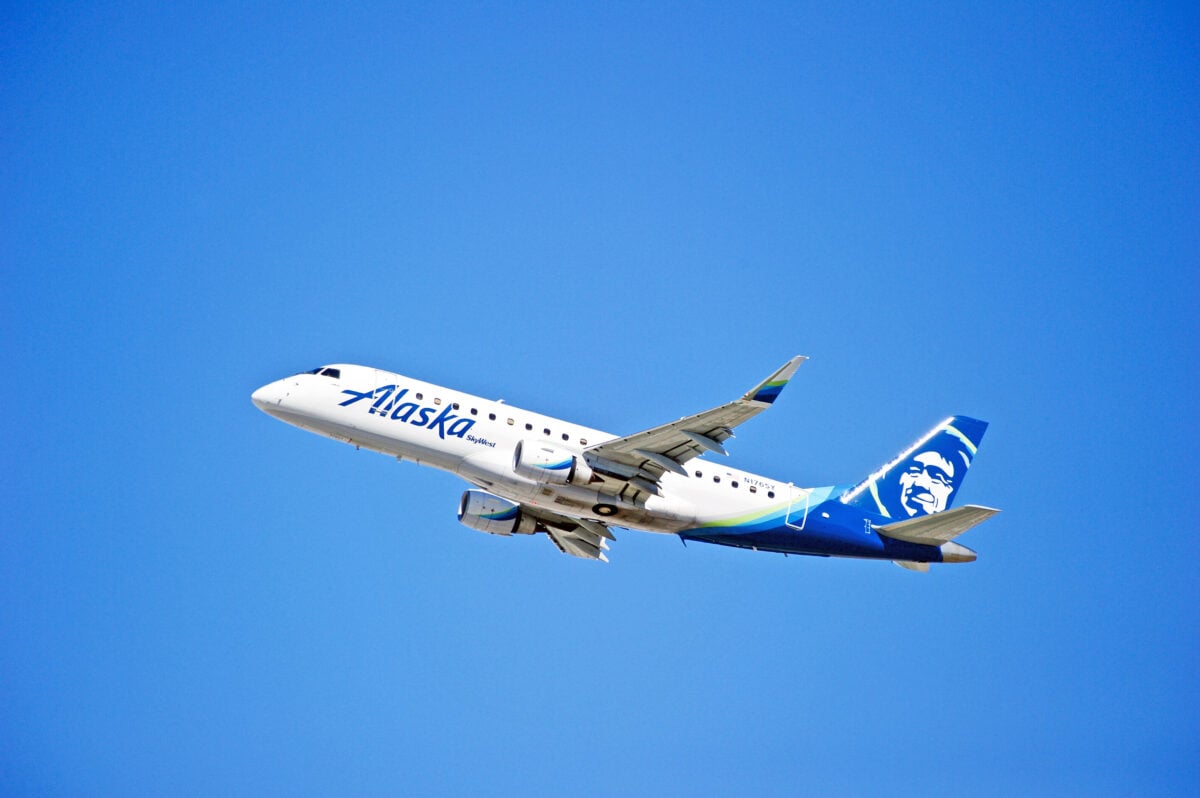
Editorial credit: Philip Pilosian / Shutterstock.com
Alaska Airlines is facing a brutal fuel bill after losing nearly $500 million in the first half of the year. Higher fuel costs did most of the damage, cutting into the benefit of full flights and a busy summer schedule.
Executives still expect the second half to improve, helped by stronger demand and the prospect of lower fuel prices. That is an optimistic forecast after six months that were expensive in almost every direction.
Fuel Costs Drove Alaska’s First-Half Losses
During a call with analysts on Wednesday, Alaska CEO Ben Minicucci said the company had lost almost $500 million in the first half of the year. He expects the following six months to look very different.
Alaska reported a $76 million loss in the second quarter alone. Fuel expenses climbed to $1.3 billion during that period, an 85% increase from a year earlier.
Those figures can spoil even a decent summer booking season. Fuel is one of an airline’s largest unavoidable costs, alongside labour, aircraft leases and airport fees, and a sharp price rise can wipe out much of the revenue from packed cabins.
Airlines generally buy fuel months in advance, but they cannot completely shield themselves from a prolonged jump in prices. The effect is rarely instant at checkout; it tends to filter through in higher fares, fewer sale seats and tighter route planning over time.
Why West Coast Fuel Costs Hit Alaska Hard
Alaska and JetBlue were among the major US airlines that suspended financial guidance earlier in the year as fuel costs became harder to predict. It was an awkward sign of pressure across the industry, even for carriers with solid booking demand.
Alaska has a structural disadvantage tied to West Coast fuel costs, where supply, refining capacity and transport can make jet fuel more expensive than at some other major US hubs. Healthy demand for a few months does not solve that problem.
Airlines can raise fares, adjust schedules, reduce less-profitable flying or lean more heavily on premium cabins. Fuel prices have their own rhythm, though, and costs can move much faster than an airline can redesign its network.
The same pressure is shaping decisions elsewhere, with flight changes linked to fuel costs and travel demand showing how quickly airline planning can shift when operating expenses rise.
Alaska Expects A Better Second Half
Alaska’s leadership is banking on a swing in its favour later in the year. The company expects higher travel demand to help, while lower fuel prices would offer some much-needed breathing room.
Minicucci described the second half as a “complete mirror image” of the first. That is a confident target, and it leaves little room for another major fuel spike or a late drop in bookings. If demand holds and fuel eases, Alaska has scope to regain part of what it lost.
Anyone pricing Alaska flights may see the other side of that recovery plan: strong demand can keep fares firm on popular routes, particularly around school holidays, weekend departures and connections through Seattle. Cheap seats may still appear, but they are less likely to sit around waiting for a second coffee.
Alaska and Hawaiian have also shown strong operational results during peak periods, including Alaska and Hawaiian’s July 4 on-time performance. Reliable operations do not erase fuel costs, but they can help an airline avoid the extra expense of widespread disruption.
Seattle Is Central To Alaska’s Recovery Plan
Alaska’s network strategy still leans heavily on Seattle, and the carrier is looking for revenue growth there as it works to recover. International services and premium products are also expected to play a larger role.
These routes can bring in more money than basic short-haul flying. Business-heavy services, longer international trips and customers paying for extra legroom or premium cabins usually produce stronger revenue per seat, even when the airline is carrying the same number of people overall.
That helps explain why Alaska is talking about catching up with Delta and United. The aim is not simply to reverse a bad half-year; it is to compete more directly with bigger airlines on network depth, higher-value routes and profitability.
Seattle remains the key connection point for much of Alaska’s West Coast network. Anyone building a multi-stop trip through the Pacific Northwest should leave a sensible buffer between flights, especially when a missed connection could mean paying more for a last-minute replacement ticket.
How Fuel Costs Can Affect Alaska Flight Prices
If you are booking Alaska flights, the bigger issue is not only the company’s profit swing. Fuel prices and demand can shape what you pay, where the airline keeps capacity and how quickly the lowest fares disappear.
- Busy routes may stay expensive while demand remains strong, especially on Friday, Sunday and holiday departures.
- Premium-heavy flying can improve airline revenue without making economy fares cheaper.
- Fuel swings often appear later through fare changes, route cuts or reduced frequency, not as one obvious surcharge.
- Seattle connections remain important for anyone using Alaska as part of a larger West Coast trip.
Booking earlier can still help on popular Alaska routes, but flexibility is usually more useful than trying to predict the fuel market. Checking midweek flights, nearby airports and one-stop options can uncover a lower fare when direct services are running full.
People flying to Hawaii may also have more reasons to watch Alaska’s wider network, especially with Hawaiian Airlines offering a Hawaii trip giveaway while the two airlines continue to align their operations and loyalty appeal.
Fuel Prices, Demand And Route Planning Across US Airlines
Airline profits can move faster than most people expect, and fuel is a major reason. When costs jump, carriers have little room to absorb them. When fuel prices ease, finances can improve quickly as well.
Alaska’s first-half losses show that strong demand alone does not guarantee a healthy airline balance sheet. Its recovery depends on fuel prices, route mix and premium demand lining up more favourably than they did earlier in the year.
For anyone planning a trip through Alaska’s network, particularly via Seattle, the next few months will be worth watching. A drop in fuel costs could make the carrier more comfortable adding capacity or promoting quieter flights. If costs remain high, the pressure on fares and less-profitable routes may continue.
