
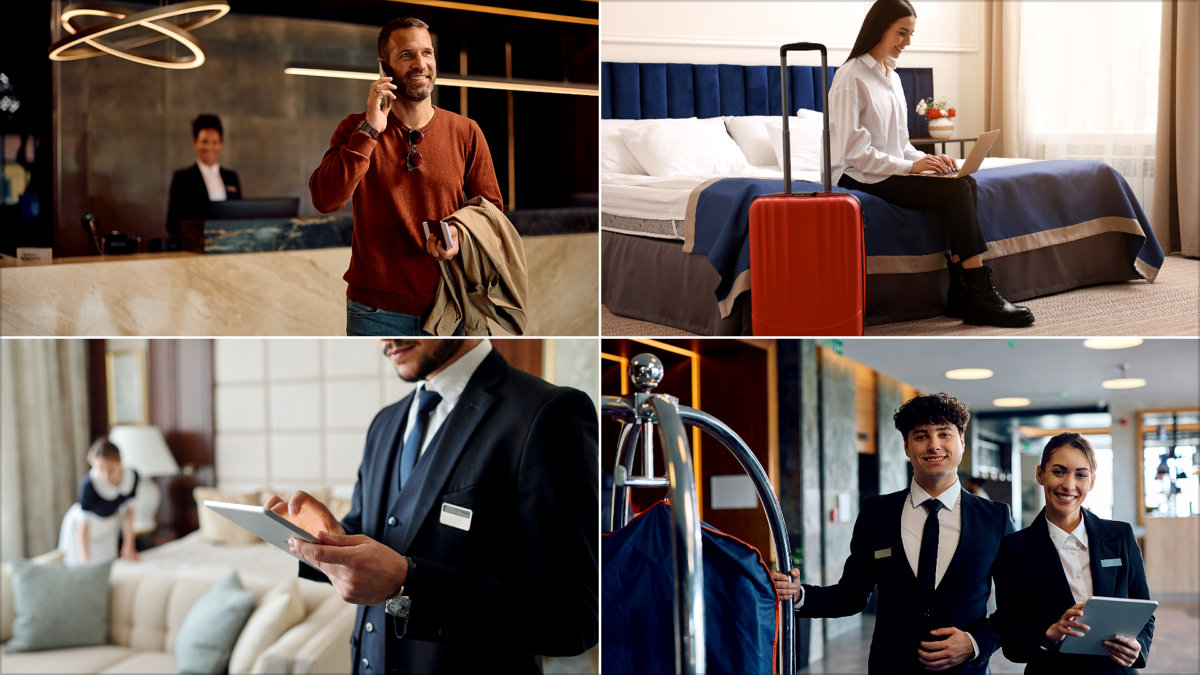
Most hotel guests are not trying to be difficult. They are tired, hungry, dragging a suitcase, and one delayed flight away from becoming a lobby problem.
That is exactly why small habits matter. The things hotel guests do that staff hate are often not dramatic. They are the quiet, everyday choices that slow down housekeeping, jam up the front desk, or put employees in awkward security situations.
If you want better service and a smoother stay, this is the shortlist worth knowing. A little hotel etiquette goes a long way, and unlike the minibar, it costs nothing.
| Guest habit | Why staff dislike it | Better move |
|---|---|---|
| Leaving without checking out | The room may sit untouched while housekeeping waits for confirmation | Use the app, call the desk, or drop keys at checkout |
| Hiding damage | It creates disputes, extra documentation, and delays repairs | Report it right away, even if it was an accident |
| Expecting keys without proper ID | It breaks security rules and can put guests at risk | Make sure the named guest checks in with matching ID and card |
| Bringing pets or ESAs without checking policy | It puts staff in a difficult position over fees, cleaning schedules, and rules | Confirm the pet policy before arrival |
| Calling for service at the last minute | Kitchen and overnight staff are often closing tasks | Order earlier when possible |
| Taking luggage carts to the room for hours | Other guests cannot use them and staff end up hunting for them | Unload promptly and return the cart |
| Over-tidying before housekeeping | Staff may need to undo it to meet cleaning standards | Leave the room reasonably neat, not staged |
Why hotel staff get annoyed by seemingly small things
A hotel runs on timing. Front desk agents are checking people in and out in waves. Housekeepers are turning rooms on a tight schedule. Engineers, kitchen teams, and managers are all dealing with requests at once.
One detail from hospitality workers comes up again and again: room cleaning is tightly timed. A housekeeper may clean roughly 12 to 20 rooms in an eight-hour shift, which works out to about 20 to 30 minutes per room. In many hotels, attendants are also expected to handle stayover service, restock supplies, and flag maintenance problems during that same window. That means one guest habit that looks harmless can throw off an entire floor.
Here is the practical takeaway: if a policy seems strict or a request gets a cautious answer, it is often about security, staffing, or turnaround time, not attitude.
The biggest things hotel guests do that staff hate
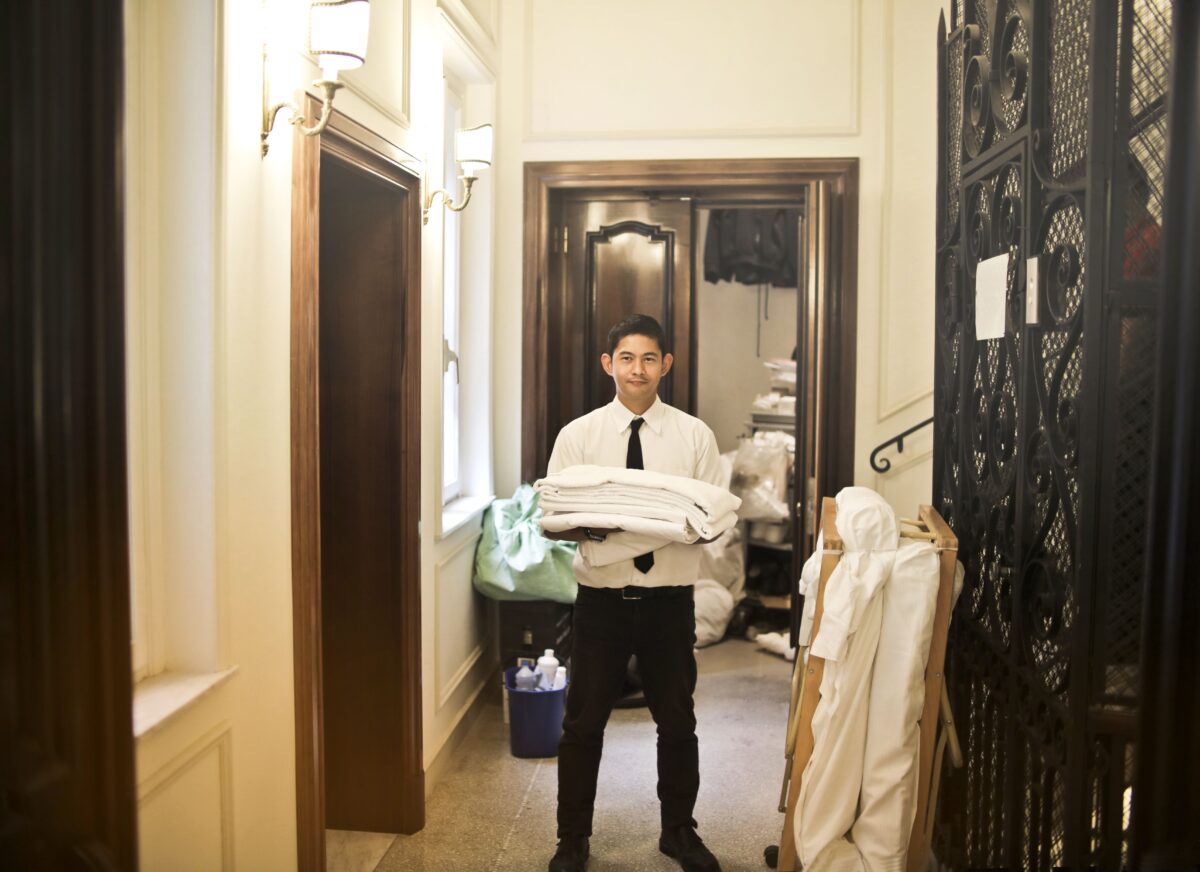
1. Sneaking out without checking out
This one sounds harmless. You are in a rush, the line at reception looks grim, and you assume the hotel will figure it out.
Usually, it does. But if you leave without any checkout notice, the room can stay marked as occupied. Housekeeping may skip it until someone confirms you are gone, which can waste valuable turnaround time.
The fix is simple:
- Use the hotel app if your chain offers mobile checkout
- Call the front desk on your way out
- Drop your key in the lobby box if there is one
If you are leaving early, that heads-up helps even more. It gives the team a chance to prep the room sooner for the next arrival. It is one of those tiny travel habits, a bit like the common mistakes covered in road trip planning gone wrong, that can snowball when nobody communicates.
2. Damaging something and saying nothing
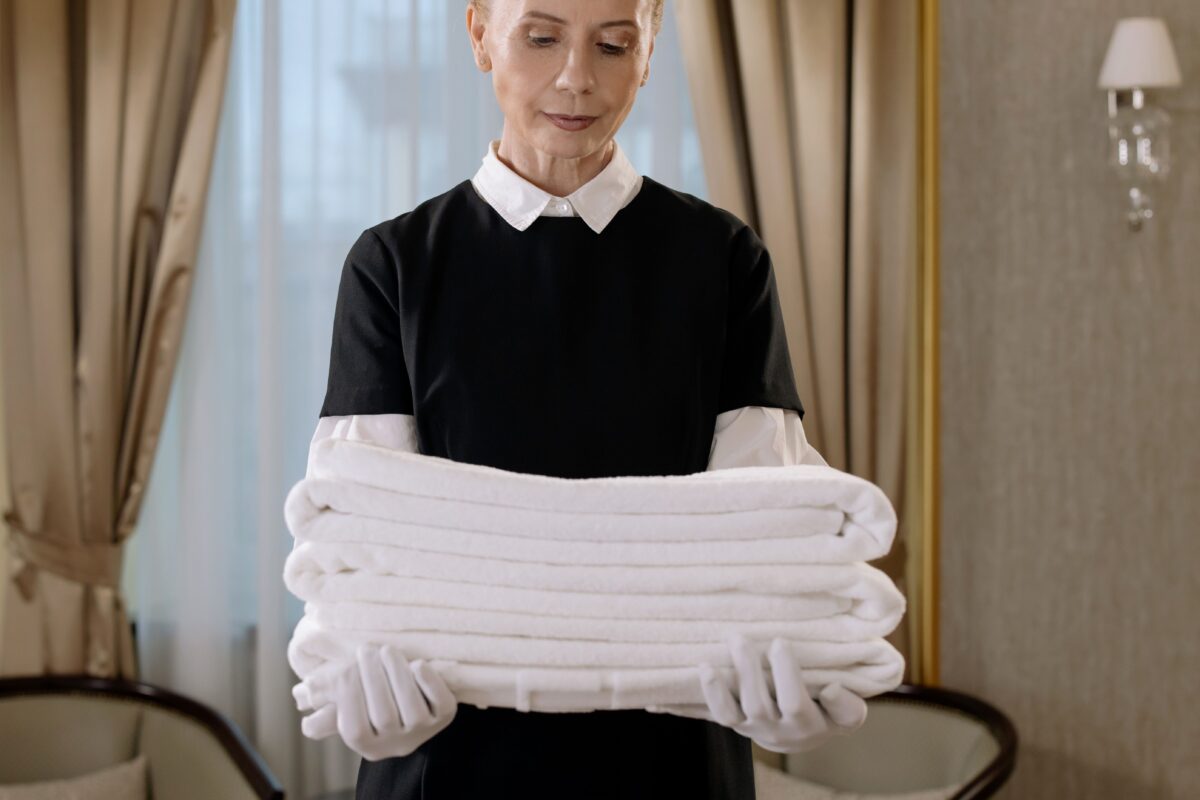
Accidents happen. A glass breaks. A suitcase clips a lamp. A child treats a blackout curtain like gym equipment.
What staff hate is not the accident itself. It is the cover-up. If damage is found after departure, the hotel has to investigate, document the issue, and often contact the guest later. That is more frustrating for everyone than a quick, honest conversation at the time.
Better approach: report broken or damaged items as soon as you notice them. If something in the room was already not working when you arrived, mention that too. Early reporting gives the hotel a chance to fix it, can keep the room from being sold with a problem for the next guest, and helps avoid a messy blame game at checkout.
3. Treating security rules like suggestions
Front desk staff deal with this constantly. A guest says their partner is parking the car, their sister is on the way, or their friend texted permission to collect the key.
That may all be true. It still does not override hotel security policy.
Hotels typically require the person named on the reservation to be physically present with matching identification and a credit card. Staff are not being awkward for sport. They are protecting guest safety and following a rule that exists for a reason.
To avoid drama at check-in:
- Make sure the correct guest name is on the reservation
- Add additional guests in advance if the hotel allows it
- Carry the ID and payment method used for the booking
This is also why staff usually will not hand out room keys just because someone says they left theirs inside. Security beats convenience every time. If you are booking a place specifically for a big trip or special stay, the details matter just as much as the vibe, which is easy to forget when scrolling through the most unique hotel stays around the world.
4. Showing up with an animal and assuming it will be fine
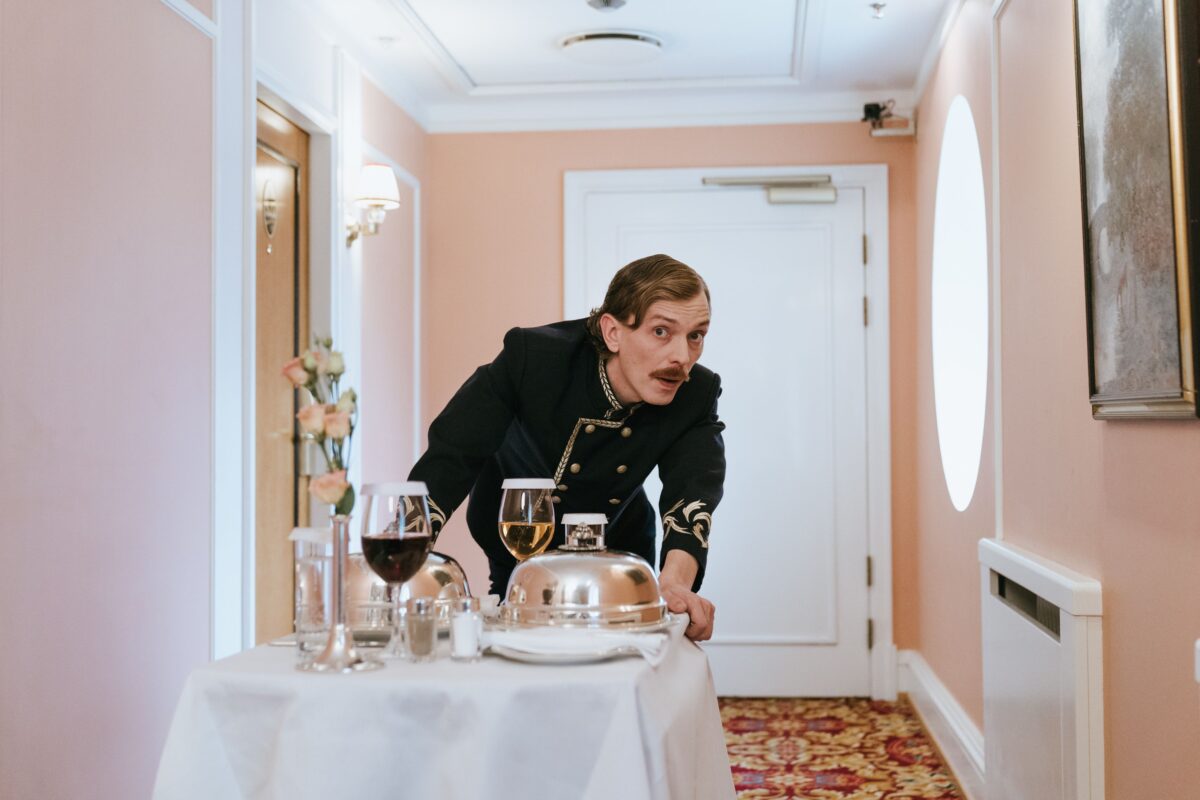
Pet-friendly does not mean anything-goes-friendly.
One recurring issue in hotels is guests arriving with emotional support animals without checking the property policy first. Staff then have to explain pet fees, room restrictions, or the difference between a service animal and an ESA. That conversation rarely improves anyone’s evening.
Do this before you travel:
- Check the hotel’s pet policy before booking
- Confirm any fees or size restrictions
- Disclose the animal in advance instead of at the desk
If a property allows pets, great. If not, you are far better off knowing before you are standing in the lobby with a leash in one hand and a booking confirmation in the other. Some hotels also limit pets to certain floors or room types because of allergy concerns and extra deep-cleaning time between stays.
5. Making “helpful” messes for housekeeping
Guests often try to be polite by making the bed, piling used towels, or doing a mini tidy before housekeeping arrives.
The intention is nice. The result is mixed.
Hotels have cleaning standards, and staff often need to strip beds, assess used linens, and reset the room in a specific order. A neatly made bed can actually hide what needs changing. Towels stacked in odd places can slow things down. It is a bit like pre-washing dishes for a dishwasher that is going to run anyway.
What housekeeping usually appreciates more:
- Trash in the bin, not balanced beside it
- Wet towels hung up or left in one obvious spot
- Personal items kept off the bed and floor
- A clear path for the housekeeping cart and staff
Neat is helpful. Recreating a furniture showroom is not required. The real win is making the room easy to work in, not making it look ready for a property listing.
6. Calling one minute before closing
Hotel restaurants, bars, and room service teams know that travelers keep odd hours. Even so, staff hate the last-second order that lands just as the kitchen is shutting down.
This is especially annoying when the guest had plenty of time earlier and waited until the final minute. Closing time is usually when teams are cleaning down stations, counting stock, and wrapping service.
A smart guest move: if you know you will want food late, check dining hours as soon as you arrive. Order before the last-minute rush. Your future self, and the kitchen, will both be happier.
This matters even more in cities where you are likely to come back late after drinks, shows, or a packed sightseeing day. Anyone planning evenings out, whether in Barcelona at night or somewhere closer to home, should not assume the hotel kitchen is waiting around like a faithful sidekick.
7. Hoarding luggage carts
This is one of those habits that seems ridiculous until you remember that people absolutely do it. Some guests take a luggage cart to their room and keep it there overnight, or longer.
That leaves other arrivals circling the lobby with bags and no cart in sight. It also creates unnecessary work for staff, who have to go hunting for hotel equipment floor by floor.
Best practice: unload your things and return the cart promptly. It is a shared tool, not a vacation souvenir.
8. Booking the cheapest room and acting shocked by it
Few things test front desk patience like complaints about a room category that was clearly booked in advance. If you reserve the most basic room in a property, it is unlikely to come with a corner view, extra square footage, and suite-level amenities by magic.
That does not mean guests should stay quiet if something is genuinely wrong. Cleanliness issues, broken fixtures, and noise problems are fair complaints. But disappointment over a room type you selected is a different story.
Before booking, check:
- Room size and bed type
- Whether breakfast or parking is included
- If the room has a window, view, or accessible features
- Cancellation terms and any resort or pet fees
A two-minute look at the booking details can prevent an unnecessary showdown at the desk later. That is especially true in expensive city markets where room categories can vary wildly, like the kinds of options travelers compare when deciding where to stay in Vienna.
9. Being rude because travel went badly
Delayed flight. Long queue. Lost charger. Wrong exit from the parking garage. Travel can turn perfectly decent people into grumpy philosophers.
Hotel workers know that many guests arrive already stressed. But staff did not cause the thunderstorm, the airline delay, or the traffic on the interstate. Taking that frustration out on them is one of the fastest ways to make an interaction worse.
What works better:
- State the issue clearly
- Ask what solutions are available
- Stay polite, even if you are annoyed
You do not need to be cheerful. You do need to be civil. Guests who stay calm are also more likely to get practical help faster because the conversation stays focused on solving the problem instead of surviving it.
10. Trying to game the hotel for perks
Some staff report guests intentionally exaggerating problems, or even tampering with items, to angle for points, refunds, or upgrades. That kind of behavior wastes time and makes genuine complaints harder to sort quickly.
If there is a real issue, say so. Most hotels would rather fix a legitimate problem than argue about it. But manufactured drama is the sort of thing that staff remember, and not fondly.
How to be the kind of guest staff actually appreciate
The good news is that great hotel etiquette is not complicated. You do not need to leave the room sparkling or become the front desk’s favorite amateur comedian.
You just need to make life a little easier for the people keeping the place running.
Quick habits that help
- Check out properly, especially if leaving early
- Report problems promptly, whether it is damage or a maintenance issue
- Respect ID and key rules without arguing
- Confirm pet policies in advance
- Order food before the kitchen is closing
- Return shared equipment like luggage carts quickly
- Keep the room reasonably tidy, but do not overdo it
- Be direct and polite when asking for help
A final word on the things hotel guests do that staff hate
The things hotel guests do that staff hate are usually not outrageous. They are the little habits that create extra work, delay service, or ignore basic security.
If you remember one rule, make it this: treat hotel staff like professionals, not props in your holiday. Be honest, be clear, and follow the boring rules that keep the whole operation functioning.
You will probably get better service. At the very least, nobody will be muttering about your luggage cart after you leave.
