
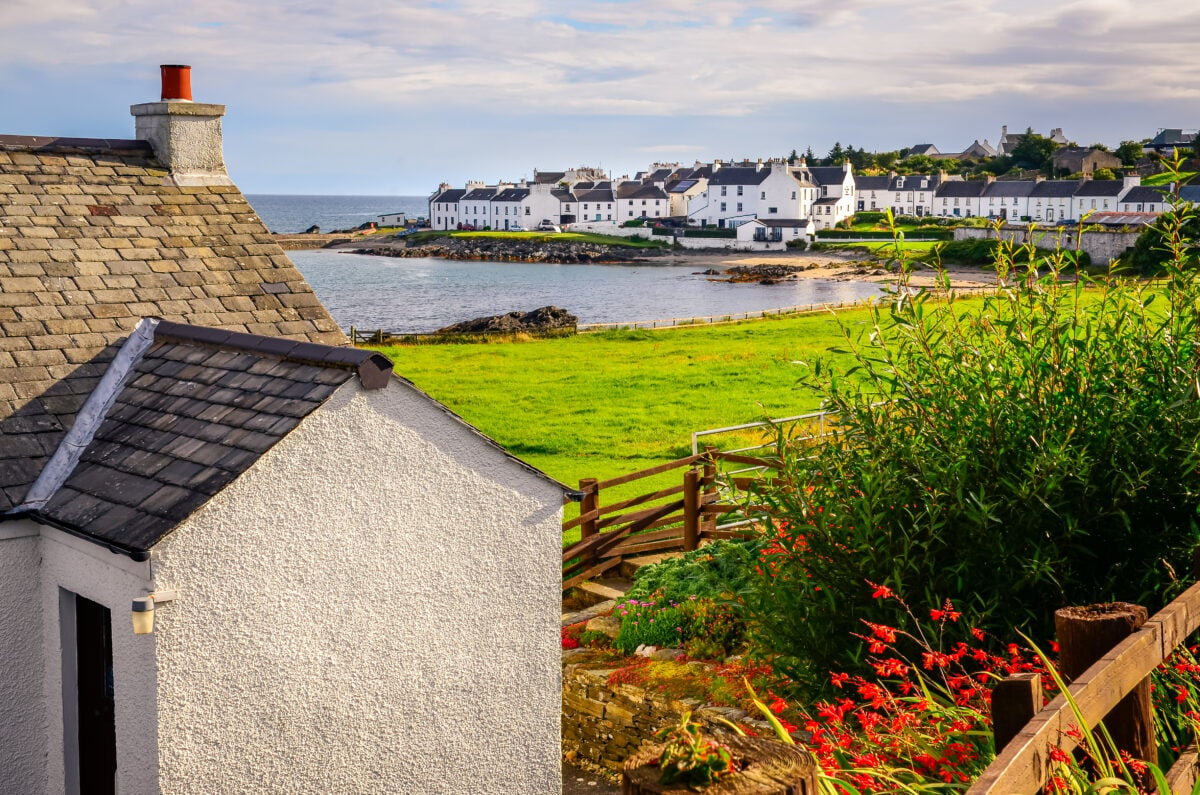
If you are planning a trip to the Hebrides and want a place with serious character, this isle of Islay Scotland guide is a good place to start. Islay is famous for smoky single malt, but the island is not just a pilgrimage for whisky fans. It also delivers wild coastlines, long beaches, birdlife, and a pace of life that feels refreshingly unbothered. If you are mapping out a bigger Scotland road trip, it is one of the most memorable island detours you can make.
Pronunciation first, because it trips up almost everyone at least once. Islay is said eye-la, not eye-lay. Get that right early and you are already off to a decent start.
What follows is a practical guide to getting there, getting around, and choosing what to prioritize, especially if you do not have unlimited time and cannot spend all day heroically chasing ferries and tasting notes.
Where Islay is and why people go
Islay sits in the southern Inner Hebrides, off Scotland’s west coast, with Jura, Gigha and Colonsay among its near neighbours. It lies between the Kintyre peninsula and Northern Ireland. On a clear day, the geography makes sense fast. The island feels remote, but not unreachable.
It is often called the Queen of the Hebrides. The nickname fits. Islay has fertile farmland, broad skies, dramatic shoreline and a strong local identity. Bowmore is the main settlement many visitors use as a base, while Port Ellen and Port Charlotte are also common stopping points.
Why visit?
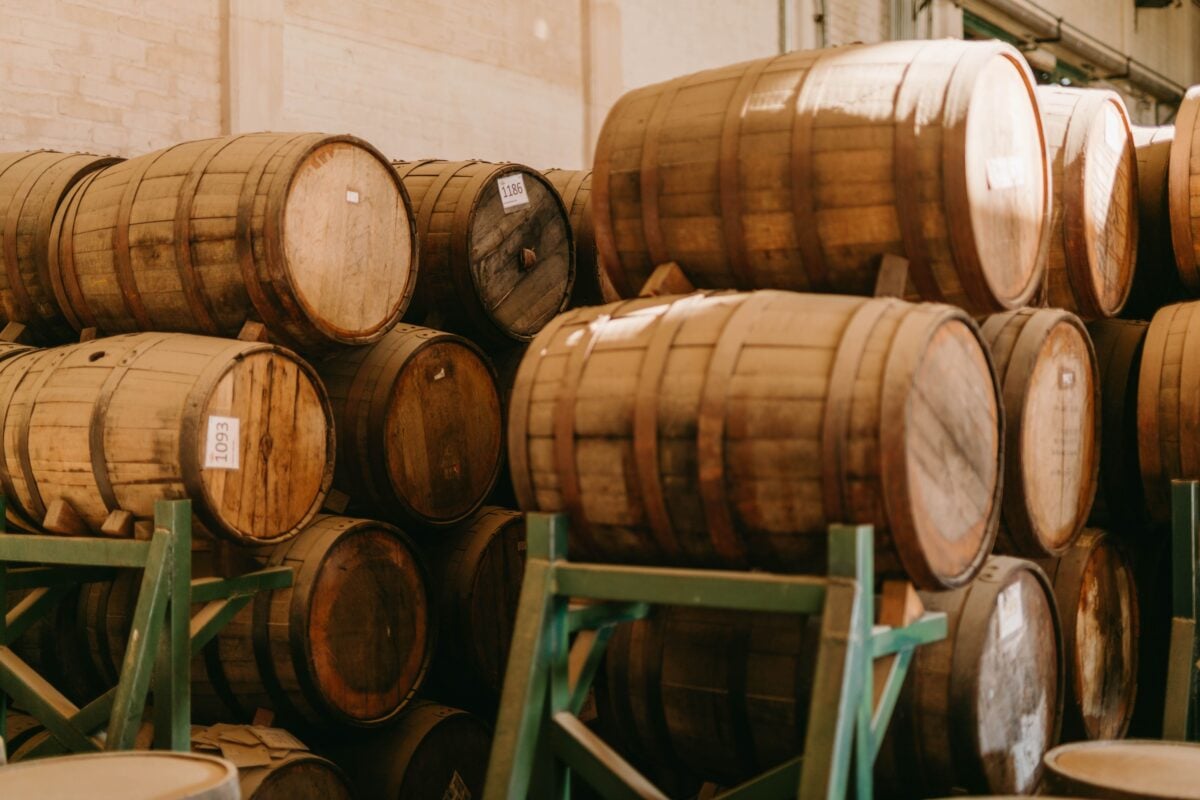
- Whisky: Islay is one of Scotland’s most famous whisky regions, known for peaty, maritime styles, with nine working distilleries on the island and more whisky history than most places know what to do with.
- Wildlife: Birdwatchers come for wintering geese and coastal species, and the RSPB reserve at Loch Gruinart is one of the island’s standout spots for seeing them.
- Beaches and scenery: Places like Laggan Bay and the Mull of Oa give the island range far beyond distillery tours.
- A quieter island feel: Compared with busier islands such as Skye, Islay can feel calmer and less crowded, which is part of the appeal if you prefer your scenery without a traffic jam attached.
How to get to Islay
You have two main options: ferry or flight. The better choice depends on your budget, schedule, and tolerance for logistics.
By ferry
The main sea route is the Caledonian MacBrayne service from Kennacraig to Islay, arriving at either Port Ellen or Port Askaig depending on the sailing. Kennacraig is on the mainland in Argyll and is the usual jumping-off point for vehicles and foot passengers heading to the island.
Practical tip: Ferry schedules can change and weather matters, so check sailing times and service updates before travel. If you are taking a car, booking ahead is sensible, especially around holidays, summer weekends and major events such as Fèis Ìle.
Port Askaig is also the departure point for the short ferry to Jura via Feolin, useful if you want to combine islands without turning the trip into a transport-themed endurance test.
By air
Loganair operates flights from Glasgow to Islay. The flight time is about 45 minutes, which is by far the quickest way to arrive. It is usually the more expensive option, but it can make a short break much easier to manage. If you are overnighting in the city before flying, this pairs well with a Glasgow travel guide plan.
Flying works especially well if your plan is simple: stay in Bowmore or Port Ellen, book a few tastings, walk some coastal stretches, and avoid bringing a car.
Getting around the island
Islay is not huge, but it is large enough that transport choices matter. The island is around 25 miles long and 15 miles wide, so casual winging-it has limits.
Driving
A car is the easiest way to explore. It gives you access to beaches, distilleries, viewpoints and villages without having to build your day around bus timetables. Roads are generally manageable, though some routes are narrow and passing-place etiquette matters. On Islay, drivers are known for the local wave. It is friendly, slightly charming, and hard to resist joining.
Public transport
Argyll and Bute Council lists the 450/451 bus routes linking places including Portnahaven, Port Wemyss, Port Charlotte, Bruichladdich, Port Askaig, Ballygrant, Bridgend, Bowmore, Islay Airport, Port Ellen and Ardbeg. That means public transport can work for a well-planned trip, especially if your itinerary centers on the main villages and south-coast distilleries.
Practical tip: If you are relying on buses, build in margin. Ferry arrivals, tasting times and island weather do not always line up neatly.
Best time to visit Islay
There is no single perfect season. It depends on why you are going.
| Season or period | Why go | Best for | Things to watch |
|---|---|---|---|
| Spring | Longer days and a fresh, open feel across the island | Walking, general sightseeing, quieter distillery visits | Weather can still change quickly, and some services still run on lighter shoulder-season patterns |
| Summer | Better daylight for beaches, coastal drives and outdoor exploring | First-time visitors, mixed-interest trips | Transport and accommodation can be busier, especially around school holidays |
| Autumn to early spring | Strong season for birdlife, especially migrating geese from October to April | Wildlife watching and quieter stays | Shorter days and more weather disruption |
| Festival periods | Island events add atmosphere and packed calendars | Visitors who want culture as well as scenery | Book travel and rooms early |
If festivals matter to you, notable island events include the Islay, Jura & Colonsay Agricultural Show in August, the Islay Book Festival in late August, the Islay Jazz Festival in September, and Fèis Ìle, the island’s well-known whisky and music celebration, usually staged in late May into early June. Fèis Ìle regularly fills ferries, flights and accommodation well in advance, so this is not the week for a casual last-minute punt.
What to prioritize on a first trip
Islay rewards focus. You can try to do everything, but you will likely enjoy the island more if you choose a few anchors for each day.
1. Bowmore
Bowmore is a practical base and a sensible first stop. It sits near the middle of the island, making it useful for day trips in either direction. It is also home to one of Islay’s best-known distilleries, Bowmore Distillery, on School Street, Bowmore, PA43 7JS, which helps if you want whisky without a long transfer before or after. Tours and tastings are typically offered most days, though times vary by season and availability, so booking ahead is wise.
Why it is worth visiting:
- Central location for exploring the island
- Good base for short stays
- Easy access to shops, services and onward routes
- A compact waterfront village with the whitewashed look that people quietly hope for when planning a Hebridean trip
Best for: first-time visitors who want fewer moving parts.
2. The south coast distilleries near Port Ellen
One of Islay’s classic draws is the cluster of distilleries on the south coast. Laphroaig at Laphroaig Distillery, Port Ellen, PA42 7DU, Lagavulin at Lagavulin Distillery, Port Ellen, PA42 7DZ, and Ardbeg at Ardbeg Distillery, Port Ellen, PA42 7EA, are famously close together, making this one of the island’s easiest and most rewarding whisky-focused outings. All three usually run tours or tastings on selected days, and Ardbeg’s Old Kiln Café is a handy lunch stop if you do not want your day to be all drams and no food.
Why this area stands out:
- You can compare distinct Islay styles without crossing the whole island
- The coastal setting adds as much atmosphere as the tasting rooms
- Port Ellen works as a useful nearby base
- It is one of the easiest parts of the island to explore without constant backtracking
Helpful tip: If you are planning tours or tastings, reserve in advance when possible. Even on a relaxed island, sought-after distillery slots are not magically waiting for every spontaneous traveller.
3. Port Charlotte and Bruichladdich
On the western side, Port Charlotte and nearby Bruichladdich make a good counterpoint to the south-coast whisky route. The village setting is quieter, and the area is well placed for coastal wandering and west-side scenery. Bruichladdich Distillery, at Bruichladdich, Isle of Islay, PA49 7UN, is especially popular for visitors interested in a more modern presentation of Islay whisky alongside the island’s traditional peat-heavy reputation.
Why it is worth your time:
- A slower village feel than some first-time visitors expect from Islay
- Useful base for combining distillery visits with walks and beach time
- Good positioning for heading toward the Rhinns and coastal viewpoints
- Excellent sunset territory on a clear evening
Best time to visit: a clear day, when the drive and coastline do some of the heavy lifting. If you are comparing island regions for a wider trip, this side of Islay fits naturally into a broader west coast Scotland guide itinerary.
Beaches, coast and wildlife that deserve space in your plan
Laggan Bay
Laggan Bay is one of the island’s standout beaches and a strong reminder that Islay is not only about casks and smoke. The bay’s wide sweep of sand is often mentioned among the island’s scenic highlights, and it is close enough to Port Ellen and The Machrie area to fit easily into a first itinerary. It is also one of the best places on Islay for that broad, open-coast feeling where the weather looks like it might be writing its own script.
Why go:
- Big-sky beach scenery
- A good change of pace between tastings or drives
- Easy appeal even if you are not doing a serious walk
- Good photo stop in softer morning or late-afternoon light
Best time: dry, bright weather, especially when you want an easy scenic stop rather than a full hiking day.
The Mull of Oa
For more dramatic coastal scenery, head to the Mull of Oa on the island’s south-west side. This is one of Islay’s better-known landscape stops and a good choice if you want cliffs, sea views and a stronger sense of exposure to the Atlantic. The American Monument above the cliffs adds historical weight as well as a clear destination for the walk.
Why it is worth visiting:
- One of the island’s most striking coastal areas
- Excellent contrast with Islay’s gentler beaches and farmland
- A rewarding stop for walkers and photographers
- Strong chances of seeing seabirds, and sometimes raptors, in the right season
Helpful tip: weather conditions can shape the experience here more than in village stops, so keep plans flexible. Sturdy shoes help, because even short island walks have a way of becoming muddier than they first appear.
Birdlife and winter visitors
Islay has a long-standing reputation among birdwatchers. From October to April, the island hosts migrating barnacle and white-fronted geese arriving from Greenland for the winter. If wildlife is your main reason for visiting, those months are especially interesting.
Even if you are not a dedicated birder, seeing large flocks over open farmland gives the island another layer. It is the kind of moment that can make you pause mid-drive and forget, briefly, that you were meant to be heading somewhere else. Loch Gruinart and the surrounding RSPB-managed areas are especially good places to focus your time if birds are high on the list.
A practical first-trip framework
If you are unsure how to shape your days, this simple approach works well.
- Pick one base, usually Bowmore, Port Ellen or Port Charlotte.
- Group activities geographically, such as south-coast distilleries on one day and west-side villages plus coast on another.
- Mix whisky with scenery, so the trip does not become an endless sequence of tasting rooms and gift shops.
- Leave slack in the schedule for weather, ferry changes or a stop that runs longer than expected.
A good first visit often includes:
- One day around Bowmore and central Islay
- One day for Port Ellen, Ardbeg, Lagavulin and Laphroaig
- One day for Port Charlotte, Bruichladdich, beaches or the Mull of Oa
Final tips for visiting Islay
- Learn the pronunciation: eye-la, and yes, locals will notice.
- Check transport before setting off: ferries and island buses are useful, but not things to take on faith.
- Book key distillery visits ahead: especially if whisky is a main reason for your trip.
- Do not skip the coast: Laggan Bay and the Mull of Oa show a very different side of the island.
- Consider shoulder seasons: they can suit visitors who want quieter roads and strong wildlife interest.
- Build in food stops: outside the main villages and distilleries, options can be limited later in the day, especially off-season.
- Drive carefully after bad weather: standing water, wind and the occasional sheep with absolutely no urgent plans of its own can all slow things down.
The best isle of Islay Scotland guide is one that treats the island as more than a whisky checklist. The distilleries are a major draw for good reason, but Islay’s real charm comes from the mix of peat, sea, farmland, wildlife and village life. Give it enough time, keep the itinerary realistic, and let the island do what it does best. It tends to win people over without trying too hard. If this trip sparks a wider island-hopping habit, start with a broader Scotland guide and take it from there.
