
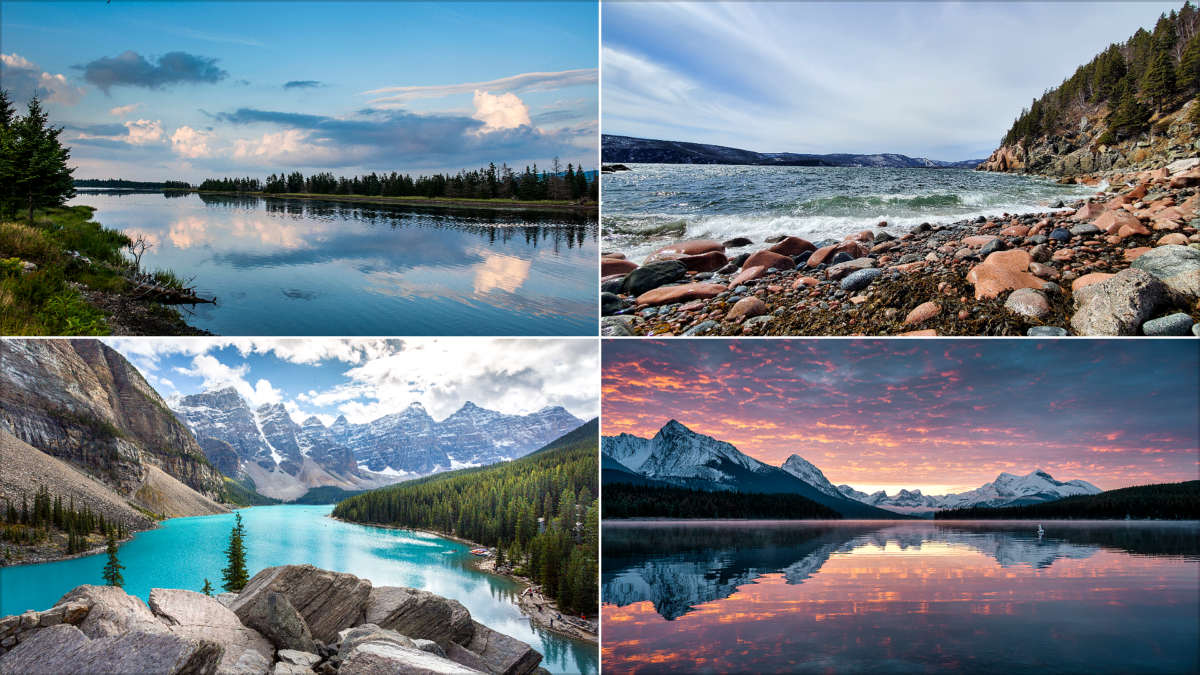
Canada has handed budget-minded road trippers a pretty useful summer deal. Under the Canada Strong Pass, entry to Parks Canada sites is free, and camping is discounted through early September.
That covers a lot of ground, from mountain parks and coastal reserves to historic sites that usually charge a modest daily fee. Parks Canada manages more than 170 national historic sites, 48 national parks, 5 national marine conservation areas, and 1 national urban park, so this is not some tiny promotion tucked away in a couple of places. If you have been waiting for a cheaper way to see more of the country, this is a tidy excuse to start planning.
Free Entry Across Parks Canada Sites
The pass runs from June 19, 2026, through September 7, 2026. During that window, admission is free at all sites operated by Parks Canada, including national parks, national historic sites, and national marine conservation areas.
There is no physical pass to pick up, print, or flash at the gate. You simply arrive during operating hours and the free entry applies. Canadian citizens and foreign visitors are both eligible, which keeps things refreshingly simple.
The government says the pass is part of a push to make things more affordable for families and young adults. Its first run in summer 2025 brought a noticeable bump in attendance at parks and museums, so a repeat this year was hardly a surprise.
Where The Savings Add Up
Parks Canada says admission to these places usually costs around CAD 10 per person, per day. Adult daily entry at some of the biggest parks has recently sat a little above that, including CAD 11 range pricing at Banff and Jasper, so a few days on the road can quietly eat into your fuel and food budget.
The biggest savings are likely to show up on a multi-stop itinerary. A couple of days in one park, a detour to a historic site, then another stop somewhere else can turn into real money over the course of a holiday. Families who would normally pay separate daily entry for adults and older children can shave off a decent chunk just by keeping the trip inside the promotional window.
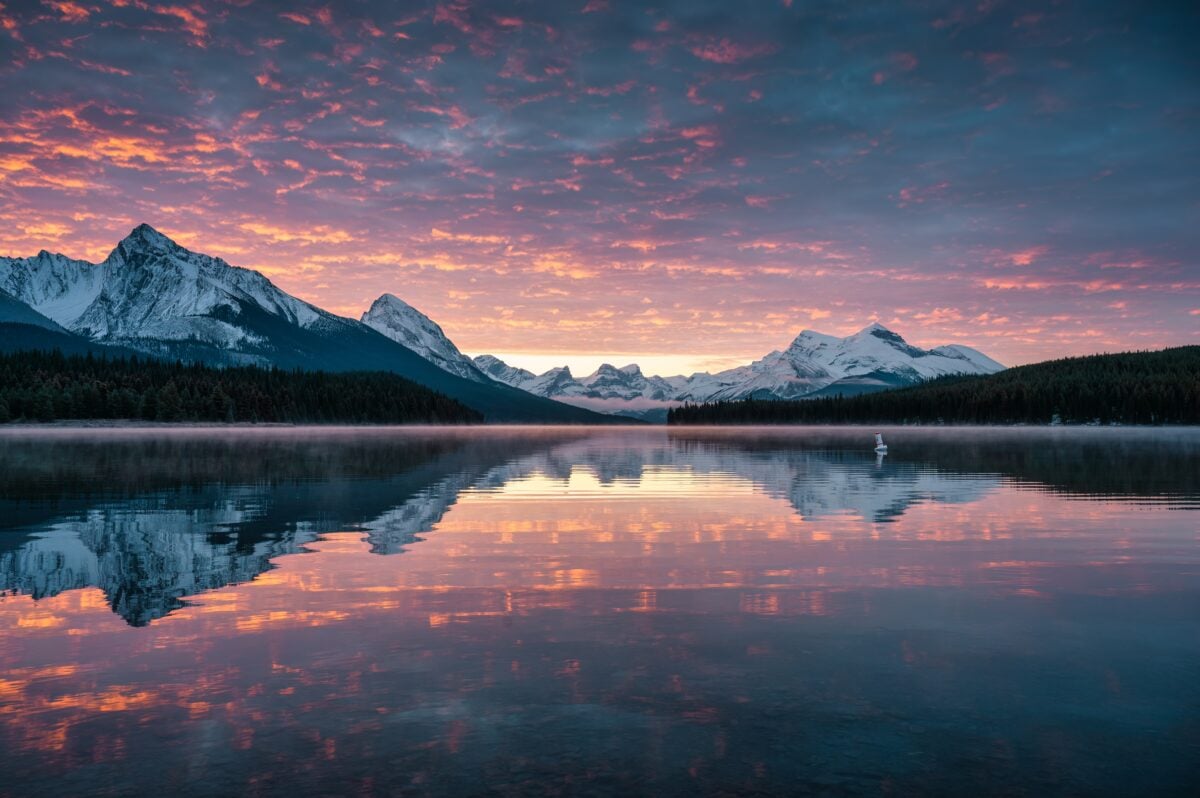
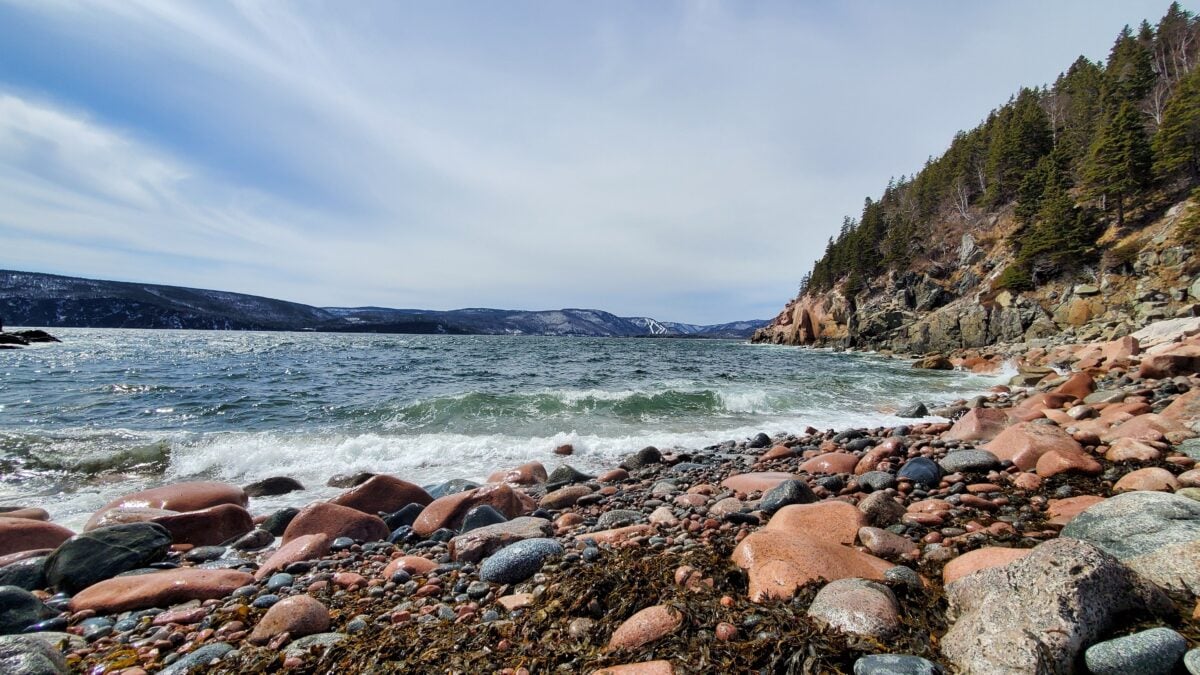
Some of the names that stand out for a classic summer escape include Jasper National Park, Banff National Park, Cape Breton Highlands National Park, Gros Morne National Park, Mingan Archipelago National Park Reserve, and Gulf Islands National Park Reserve. If you prefer a quieter route, a few of Canada’s lesser-hyped parks feel closer in spirit to America’s most underrated national parks than the usual postcard circuit.
Camping Is Cheaper Too
Camping and other accommodations inside the parks are also part of the deal. Through September 7, 2026, there is a 25% discount on camping fees and other overnight stays within the parks.
That discount applies to several types of stays, including tent sites, RV campsites, and backcountry overnight camping permits. It also reaches some of the more unusual Parks Canada options, which is handy if you like your accommodation with a bit more character than a standard patch of grass and a noisy lantern. For anyone new to backpacking national parks, that backcountry permit discount is one of the more useful bits of the whole offer.
- Cabins
- oTENTiks
- Yurts
- MicrOcubes
- Ôasis
- Historic stays
- Tipis
Regular campground prices vary by park and setup, but front-country tent sites in Canada’s big-name parks often land somewhere in the CAD 25 to CAD 40-plus range before extras. Knock 25% off that and an overnight stop inside the gates starts looking much better than a last-minute motel on a summer weekend.
If you are heading out on a longer circuit, the discount can make an overnight stop inside the park a lot more appealing than rushing back to a town motel every night.

Menasha Ridge Press
Best Tent Camping: Wisconsin: Your Car-Camping Guide to Scenic Beauty, the Sounds of Nature,…
4
We earn a commission if you buy through this link, at no extra cost to you.
How To Plan A Cheap Summer Trip
Because the entry deal is automatic, the main job is timing. If you want a campsite or one of the more limited accommodation options, bookings should be made online in advance through the Parks Canada reservations system.
That matters in summer, when the obvious dates tend to disappear first. Banff, Jasper, and Cape Breton Highlands are rarely shy about filling up, especially around weekends and school holidays. The free entry period gives people more flexibility, but the best-value overnight spots still need a bit of forward planning.
If you are building a low-cost itinerary, it helps to think in layers:
- Choose one major park as the anchor for the trip.
- Add a historic site or marine conservation area if you want a second stop without adding entry costs.
- Book camping early if you want to use the 25% discount on overnight stays.
- Check driving distances between sites before committing to a route.
That approach works especially well for people doing a summer road trip. Canada is huge, and the country’s parks are spread far enough apart that a little route planning can save both money and fuel. If your dates are flexible, shoulder-season ideas from guides on the best national parks to visit in March or the best national parks in October for fall can also help if this summer’s campsites vanish before you get there.
Why Summer Makes Sense In Canada
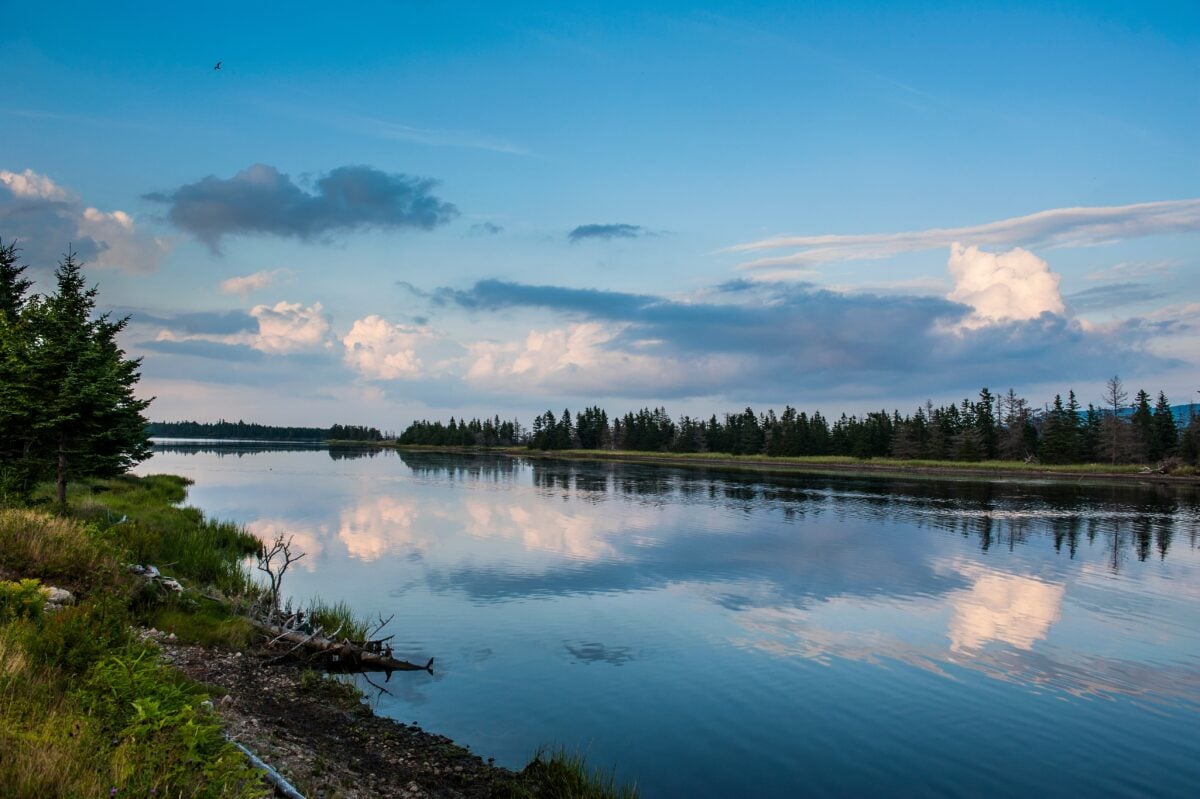
Summer is the season when a lot of the country opens up properly. Winters can be severe, and the landscape spends a good part of the year under snow. Once the thaw arrives, hiking trails, alpine meadows, lakes, and coastlines become a lot easier to enjoy.
In practical terms, that means you can spend the day hiking, mountain biking, paddling, watching wildlife, or simply wandering around scenic viewpoints without bundling up like you are preparing to cross the Arctic by foot.
The timing also suits budget trips. Warm-weather camping is usually cheaper than a full hotel run, and the Canada Strong Pass makes the national park side of the trip even easier to justify. Summer is also when shuttle services, seasonal cafés, guided paddles, and boat tours are most likely to be running, which helps if you do not want every day to depend on having a car.
Historic Sites And Marine Parks Are Part Of The Deal Too
The pass is not limited to classic mountain scenery. It also covers 171 national historic sites managed by Parks Canada, along with national marine conservation areas.
That opens the door to trips that mix nature with local history. You could spend one day in the hills, then head to a historic site the next, without paying separate admission fees each time during the promotional period.
For families especially, that makes it easier to build a trip with some variety. Not every day has to be a long hike or a full day in the backcountry. A few different types of stops can keep things interesting without adding much to the budget. On the Atlantic side, that can pair nicely with places and smaller-town stopovers around Nova Scotia, including ideas near Lunenburg’s local spots, cafés, parks and markets if you are stretching the drive into a longer east coast loop.
Booking Tips For The Busiest Dates
The free admission window will attract more people than usual, so the practical headaches are likely to be about availability rather than entry fees. The earlier you book campsites and special accommodation, the better your chances of getting the dates and locations you want.
It is also worth checking what each park actually offers before you commit. Some places are better for short scenic stops, while others are built for multi-day hiking, paddling, or camping. A famous name on the map does not automatically mean it is the best fit for your budget, your energy level, or your tolerance for hunting down a parking space at 9 am.
People who regularly use the parks tend to love the savings but still grumble about the same old summer problems: campgrounds selling out fast, packed viewpoints, and traffic around the headline parks. None of that cancels out the deal, but it does mean the cheapest plan is often the one you sort early, not the one you try to improvise in August.
For anyone trying to stretch a summer budget, the combination of free admission and discounted stays is unusually useful. It cuts the cost of getting in, trims the cost of sleeping inside the parks, and leaves more of the budget for gas, food, and the occasional oversized post-hike snack.
Canada does not exactly do small scenery, and this summer the price tag around some of its biggest natural draws is a lot friendlier than usual.
