
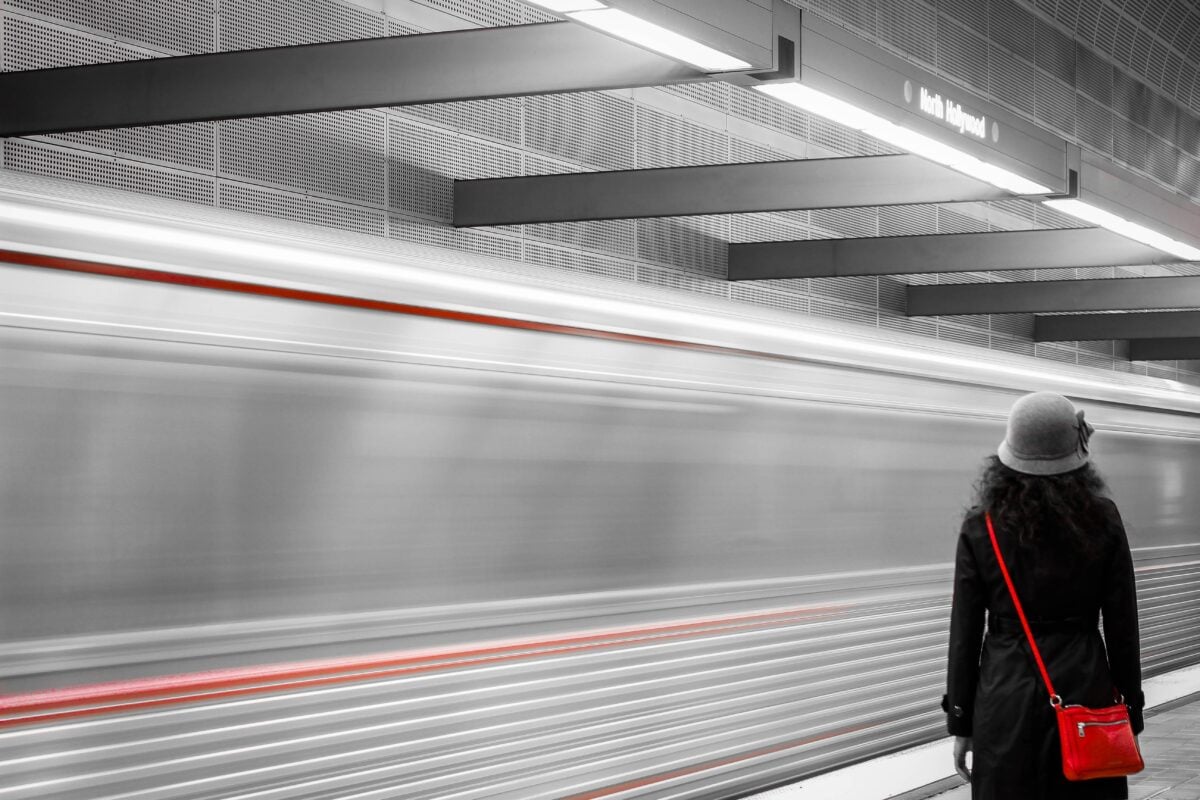
Metro logged a clear jump in June, recording 26.2 million rides across its buses and trains. That was up from 23.8 million a year earlier, a gain of 9%, and it happened in a month that usually goes a bit quieter once school calendars loosen up.
The timing stands out because June is often when ridership eases as summer starts to reshape daily routines. This year, Metro moved the other way, helped by service linked to World Cup events, the D Line, and Pride. For anyone piecing together a car-free day in LA, that is a pretty decent snapshot of what gets people onto the system: big events, useful rail links, and avoiding parking costs that can feel faintly insulting.
A Stronger-Than-Usual June For Transit
A summer bump is not the normal pattern. On many urban networks, ridership softens once school commutes drop off and work trips spread out. Metro’s June numbers went the other way, suggesting extra demand from major events and route-level changes that kept more people moving by bus and rail.
That kind of increase is useful if you are planning to get around Los Angeles without hiring a car. When a rail corridor or a major event pulls in more people, platforms get busier and trains fill up faster. Metro’s systemwide average worked out to roughly 873,000 rides per day over a 30-day month, compared with about 793,000 daily rides in June 2025, so this was not just a tiny nudge upward.
It also adds a little weight to the idea that LA transit is at its best when it connects places people actually want to go, not just office commutes. Stadium trips, festival weekends, nightlife, downtown runs, and family days out all tend to push usage in a way that feels more visible on the ground.
World Cup Events Put More People On The System
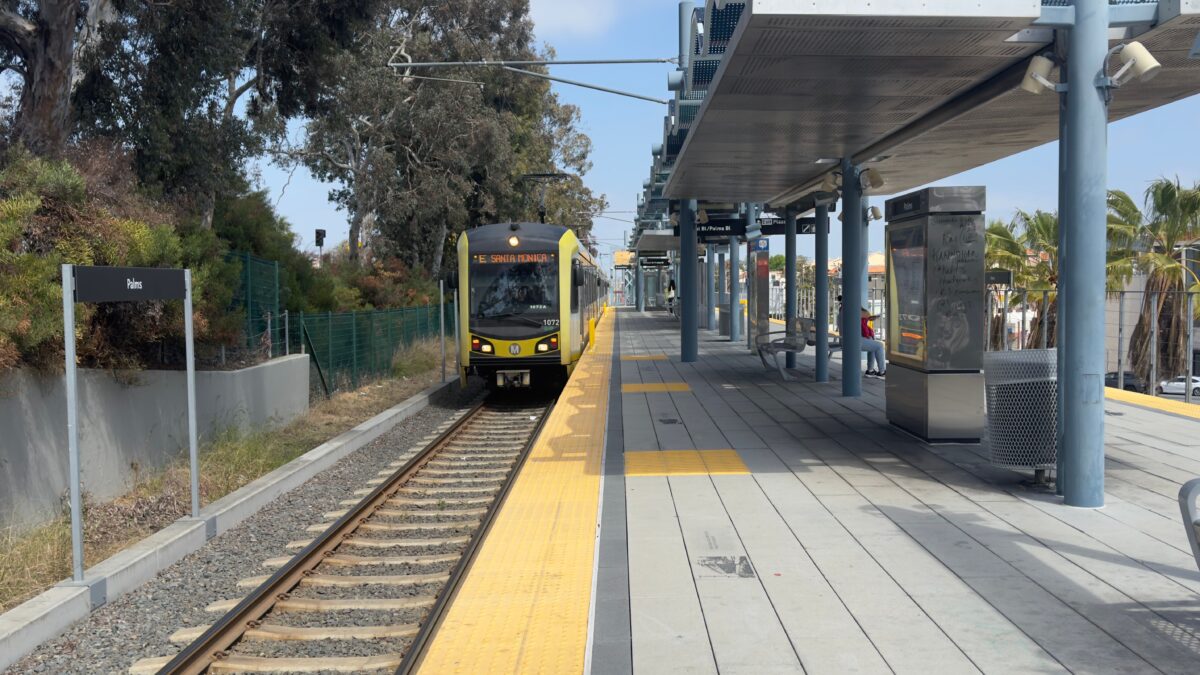
Metro’s June ridership was helped by service connected to World Cup events. Even without a line-by-line breakdown here, that is enough to show how much demand a handful of major sports dates can create when roads are already busy and parking prices start climbing.
Event-driven ridership usually arrives in bursts. One match day, one fan festival, or one packed weekend can shift monthly totals surprisingly quickly. In Los Angeles, where driving is often the default until it suddenly becomes a terrible idea, transit gets much more appealing when the alternative is traffic around a venue and a parking fee that costs more than lunch.
That is especially true around downtown and Union Station, which keeps turning up as a practical jumping-off point for big-city events. Anyone already looking at the Union Station World Cup fan zone in Los Angeles will probably find Metro the easier option than trying to thread a car through event-day crowds.
The D Line Still Matters For Downtown Trips
The D Line also played a part in the June increase. For people heading through central Los Angeles, it remains one of the simpler ways to skip road traffic and keep costs predictable, especially if you are staying near a station or connecting from another rail route.
Rail service often does the quiet heavy lifting in ridership gains. A line does not need to be flashy to shift the numbers. If it gives commuters, office workers, day-trippers, and event-goers a straightforward way into downtown, the effect tends to show up quickly in monthly totals.
For budget-minded days out, that matters more than the branding. A rail fare is easier to plan around than fuel, parking, and the usual LA guessing game of how long the final few miles will take. If you enjoy a station with a bit more character than the average platform, there is also a nice detour through beautiful metro stations around the world, though LA’s bigger advantage is usually convenience over grandeur.
Pride Added Another Layer Of Demand
Pride also boosted June usage, adding another reason for people to choose transit over driving. Big civic events often create the exact kind of concentrated demand that can lift a month’s figures, especially when they land in a period that usually underperforms.
For regular riders, that can mean adjusting expectations. More people on the system usually brings fuller cars, busier platforms, and occasional waits that stretch longer than you’d like. It is not especially glamorous, but it still tends to beat circling for parking or paying event-day rates in crowded parts of the city.
Families heading into LA for parades, festivals, or museum stops often end up in the same calculation. If the day already includes entry tickets, snacks, and somebody asking for a souvenir they absolutely do not need, saving money on transport helps. There are a few easy ways to pair Metro with things to do in Los Angeles with kids without turning the whole outing into a traffic endurance test.
What The June Numbers Suggest About Travel Around Los Angeles
June’s growth does not guarantee every month will follow the same pattern. Still, it does show that Metro can pull in strong ridership when service lines up with what people are actually doing around the city: matches, festivals, downtown trips, and regular cross-town journeys.
For anyone mapping out a cheap day in Los Angeles, the message is fairly straightforward. Transit makes more sense when big events are on, especially if your route connects to the D Line or other well-used corridors. It keeps spending steadier and removes the usual parking hunt from the plan.
There is also a wider signal in the numbers. A 2.4 million-ride increase year over year is large enough to suggest demand is not coming from just one corner of the network. Buses remain the backbone of Metro for a lot of neighbourhood-to-neighbourhood travel, while trains tend to do the high-profile work on event days and downtown links.
How To Make The Most Of Bus And Rail On Busy Event Days
- Leave a little earlier than usual if you are heading to a match, parade, or festival.
- Check the line you need in advance, especially if your trip depends on the D Line or a transfer.
- Expect busier platforms around major event windows and straight after closing time.
- Keep your fare setup simple so you are not standing at a gate rearranging your phone while everyone behind you sighs.
- Have a backup route in mind if your first option is crowded or delayed.
- Watch the last return trip if you are staying out late, particularly if your journey depends on multiple connections.
Those are basic habits, but they save a fair amount of hassle. Transit works best when you treat event days like event days, not like an ordinary Tuesday with a few extra people wandering about in football shirts.
A Monthly Increase With A Bigger Story Behind It
June’s 9% rise is useful not just as a headline number, but as a sign that Metro can still outperform its usual summer pattern when service and demand line up well. The mix of World Cup events, the D Line, and Pride gave the network a busier month than many would expect for early summer.
For riders, it points to a system that still matters in daily life and during big public gatherings. For anyone watching Los Angeles from the outside, it is a reminder that the city’s buses and trains can put up meaningful numbers when there is somewhere worth going and a good reason not to drive.
