
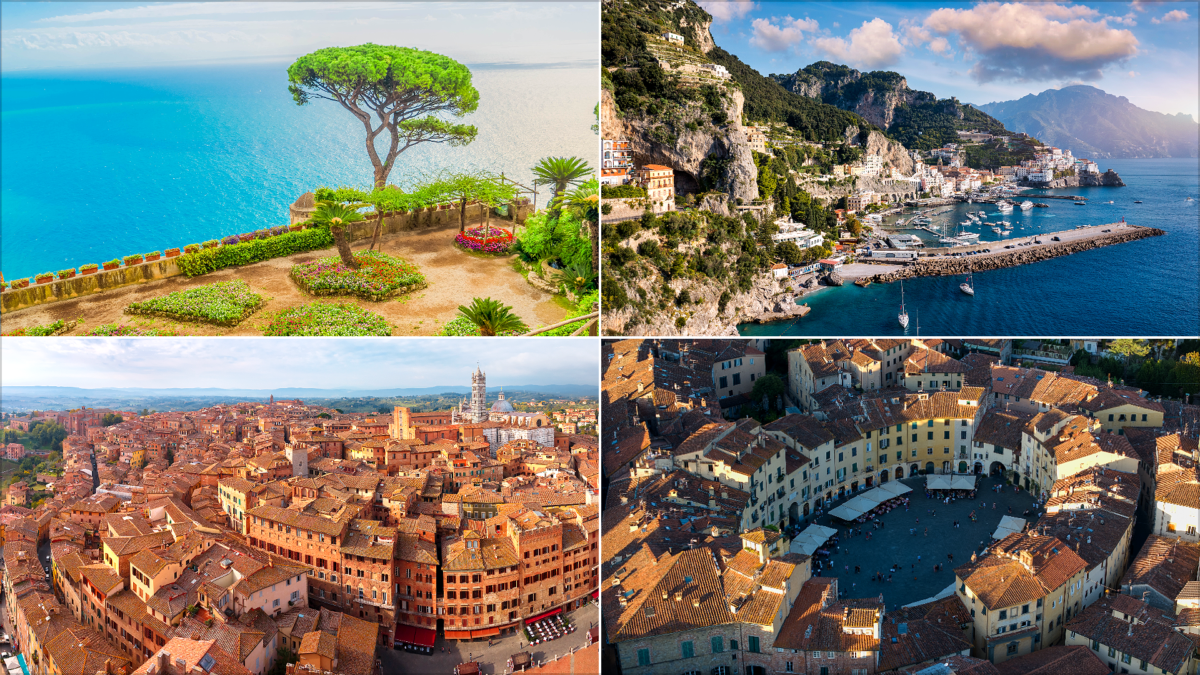
Plenty of people return to Italy because one visit can barely scratch the surface. A first trip often revolves around Rome, Florence and Venice, usually completed at a pace that requires strong coffee and comfortable shoes.
Repeat visits tend to look very different. Once the major landmarks have been ticked off, regional Italy starts making more sense. You can slow down, stay in smaller towns and pay attention to the local details rather than racing to photograph another famous square before lunch.
Each Italian region has its own personality. The scenery becomes more rugged or more gentle, local dishes vary from one area to the next, and everyday life never feels quite the same. Even ordering coffee can involve a completely different set of unwritten rules.
These five regions stand out because they reward anyone willing to wander farther, spend time where people actually live and occasionally take a street that does not appear on a top-ten list.
Which Italian Region Is Right for Your Next Trip?
| Region | Best For | Suggested Stay | Do Not Miss |
|---|---|---|---|
| Tuscany | Medieval towns, food and countryside | Four to seven days | Lucca, Siena and the rural hill towns |
| Amalfi Coast | Coastal scenery and historic villages | Three to five days | Amalfi, Ravello and a ferry journey |
| Sicily | Markets, archaeology and varied landscapes | Seven to ten days | Catania, Ortigia and the southeast |
| Lake Como | Slow travel, ferries and waterfront walks | Two to four days | Como, the Greenway and smaller villages |
| Dolomites | Hiking and dramatic mountain scenery | Four to seven days | Cortina and Tre Cime di Lavaredo |
What to Consider Before Choosing a Region
Italy looks manageable on a map, but journeys between regions often take longer than expected. Mountains, ferry timetables, narrow coastal roads and the occasional railway surprise can all interfere with an ambitious schedule.
- Choose one or two regions rather than trying to cross the entire country in a week.
- Check whether a hire car will help or become an expensive parking problem.
- Travel outside July and August for lower prices and fewer crowds where possible.
- Leave room for market days, ferry changes and long lunches.
- Pack shoes suitable for cobbles, steps and uneven paths.
Tuscany After You Have Already Visited Rome
Rome leaves a big impression, but Tuscany can feel more enjoyable on a second Italian trip. The region still has major attractions, yet many of its best moments happen while walking through smaller cities, stopping at a market or driving between hill towns.
Anyone beginning in the capital can use our free one-day Rome itinerary before heading north. It covers the major sights without pretending that Rome can genuinely be conquered in 24 hours. Rome has survived for thousands of years and is unlikely to cooperate with your spreadsheet.
Walking Through Lucca
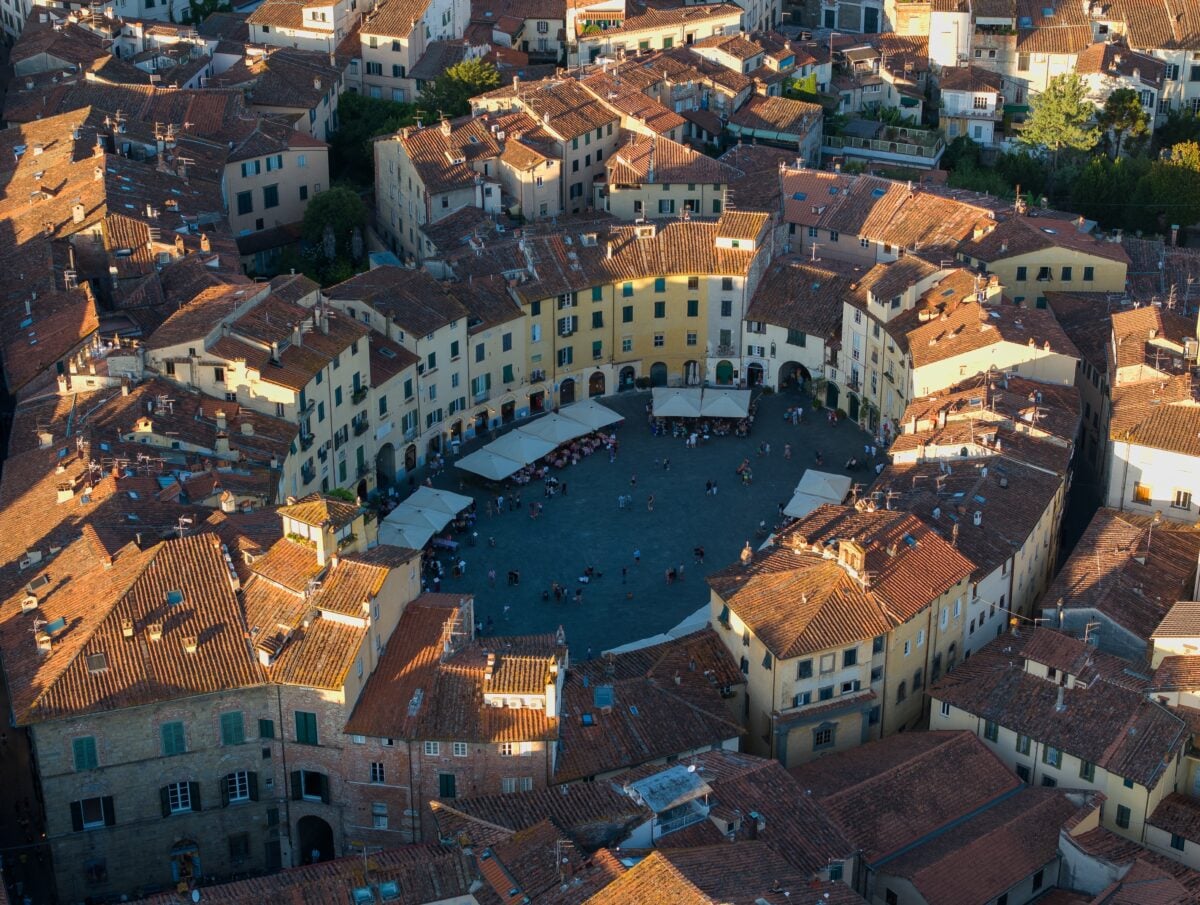
Lucca is one of Tuscany’s easiest cities to enjoy without a strict plan. Its historic centre remains enclosed by Renaissance walls, which now provide a broad walking and cycling route around the city.
Via Fillungo is busiest during the morning, when residents stop at bakeries and delivery vehicles squeeze through streets that become more pedestrian-friendly later in the day. Around Piazza dell’Anfiteatro, café chairs begin appearing long before the square fills with visitors.
The official Italia.it guide to Lucca covers the city’s walls, towers, churches and cultural events. Walking or cycling along the walls is an easy way to understand the shape of the old city without becoming lost in it first.
Markets and Medieval Streets in Siena
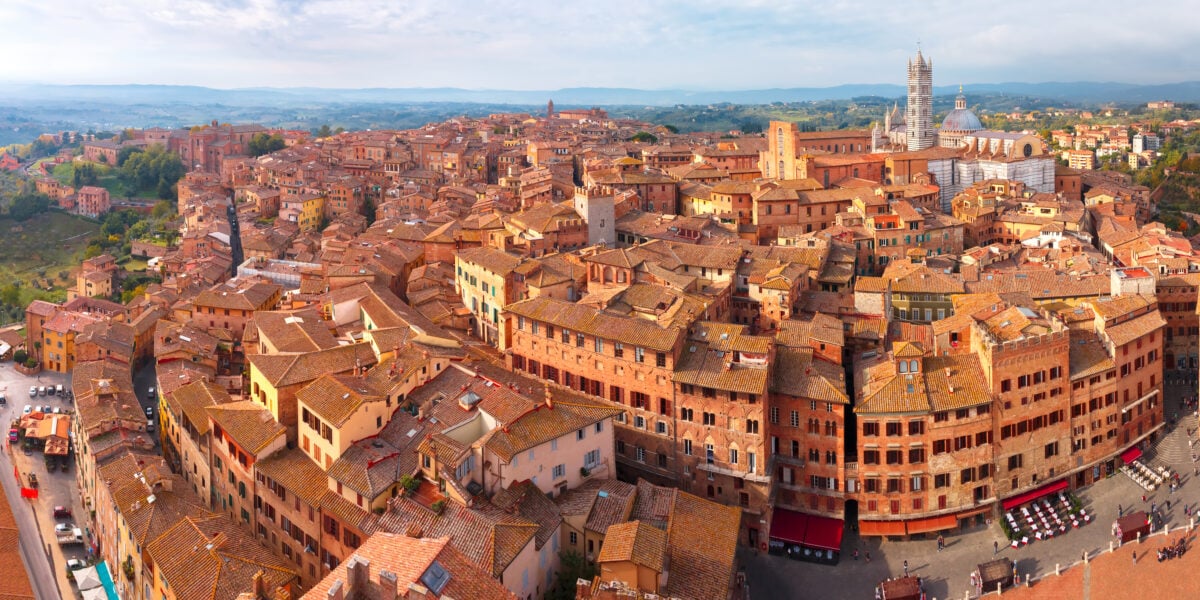
Siena changes throughout the day. The climb toward Piazza del Campo can be steeper than expected, especially during summer, while narrow side streets provide welcome shade.
Weekly markets bring local shoppers into the city, with stalls selling fruit, clothes and household goods alongside Tuscan produce. Arriving early makes it easier to see a more ordinary side of Siena before the main streets become crowded.
There’s a good reason exceptional guided tours of Italy devote so much time to Tuscany. Markets, medieval streets and small hill towns all have their own personality, and they change noticeably between morning and evening.
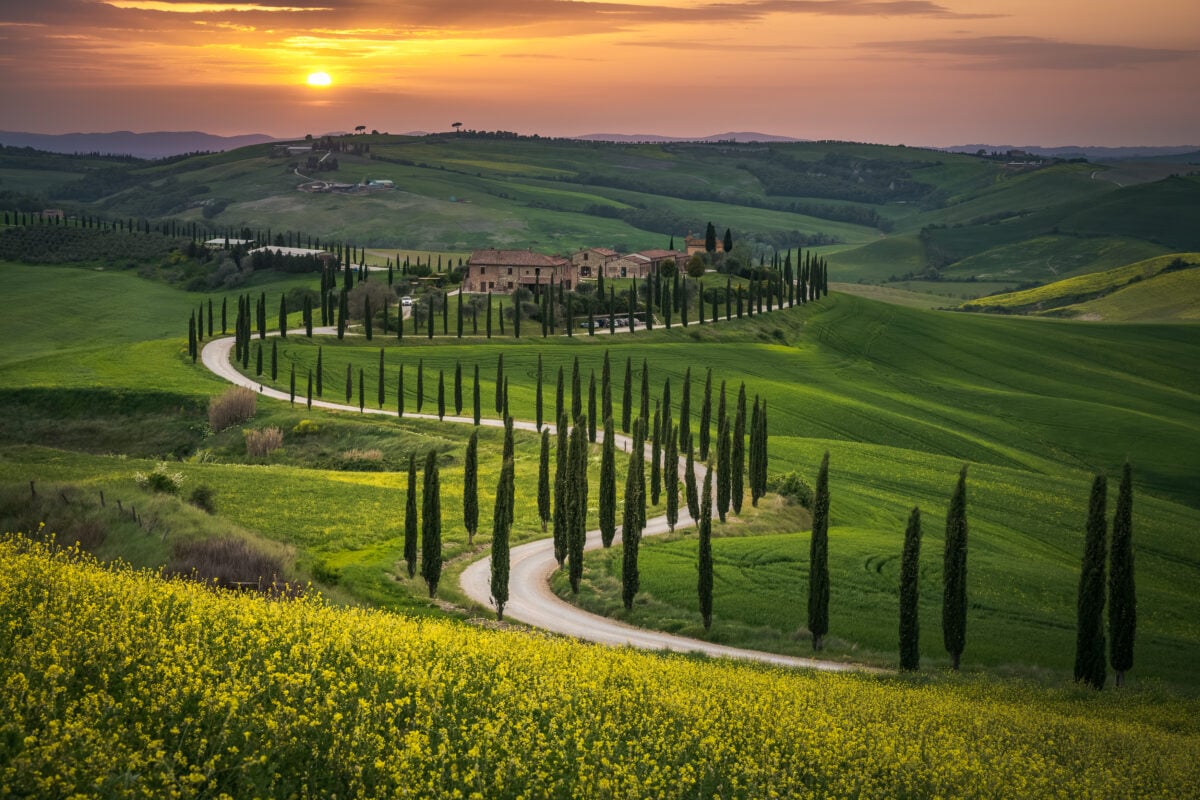
The countryside deserves just as much time as the cities. Vineyards, cypress-lined roads, stone farmhouses and small villages are part of the appeal, although rural Tuscany in peak summer can be extremely hot. Our guide to visiting the Italian countryside in August explains what to expect during the busiest and warmest part of the year.
The Amalfi Coast Beyond the Famous Clifftop Drives
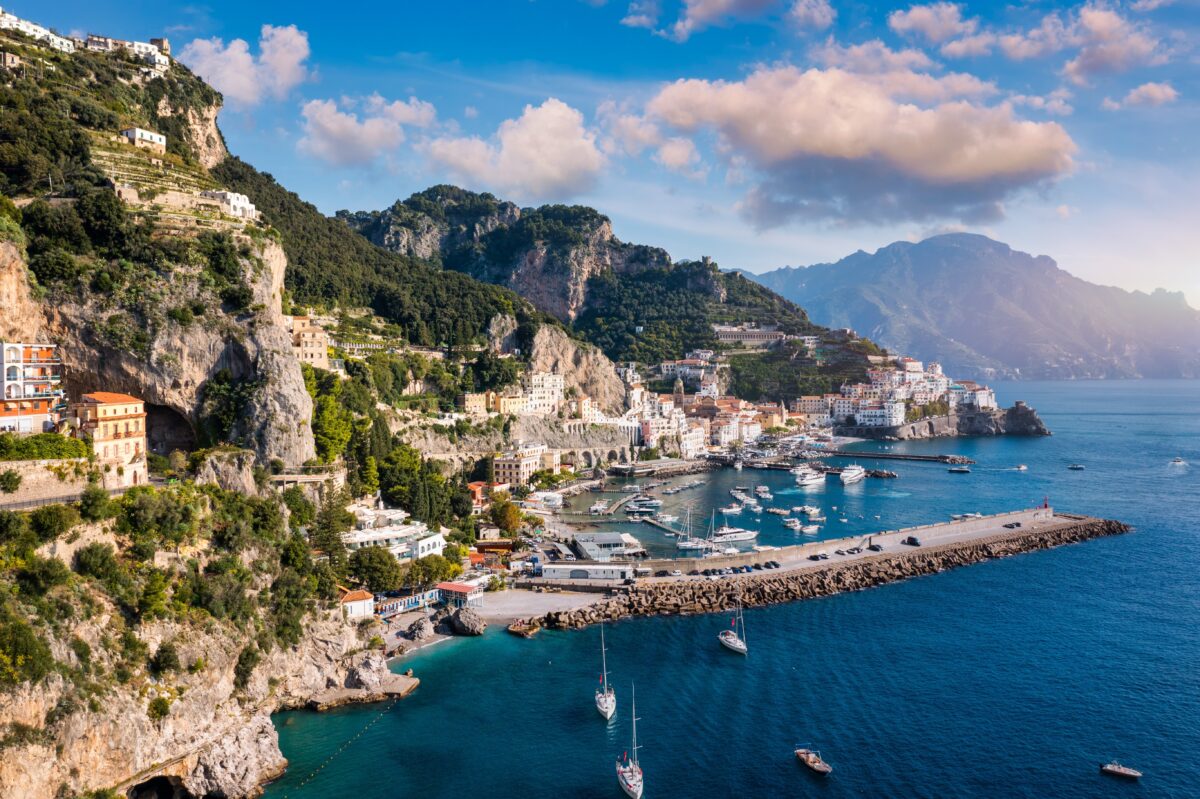
The Amalfi Coast receives plenty of attention for its scenery, but stopping inside the towns usually becomes more memorable than taking another photograph from a roadside viewpoint.
Driving the coast can be beautiful, but it is not always relaxing. Buses occupy both sides of roads that appear wide enough for one moderately confident scooter. Ferries are often a calmer way to travel between towns while enjoying better views.
Exploring Amalfi Behind the Waterfront
In Amalfi, the streets behind Piazza del Duomo narrow quickly. Small grocery shops, workshops and laundry hanging between buildings give the lanes a completely different feel from the busy waterfront.
The stone steps can be uneven, so comfortable shoes are worth packing. This is also not the ideal destination for dragging an enormous suitcase uphill while insisting that the hotel looked closer on the booking map.
The official Italia.it Amalfi Coast guide provides an overview of the area’s towns, landscapes and cultural history.
Finding a Quieter Pace in Ravello
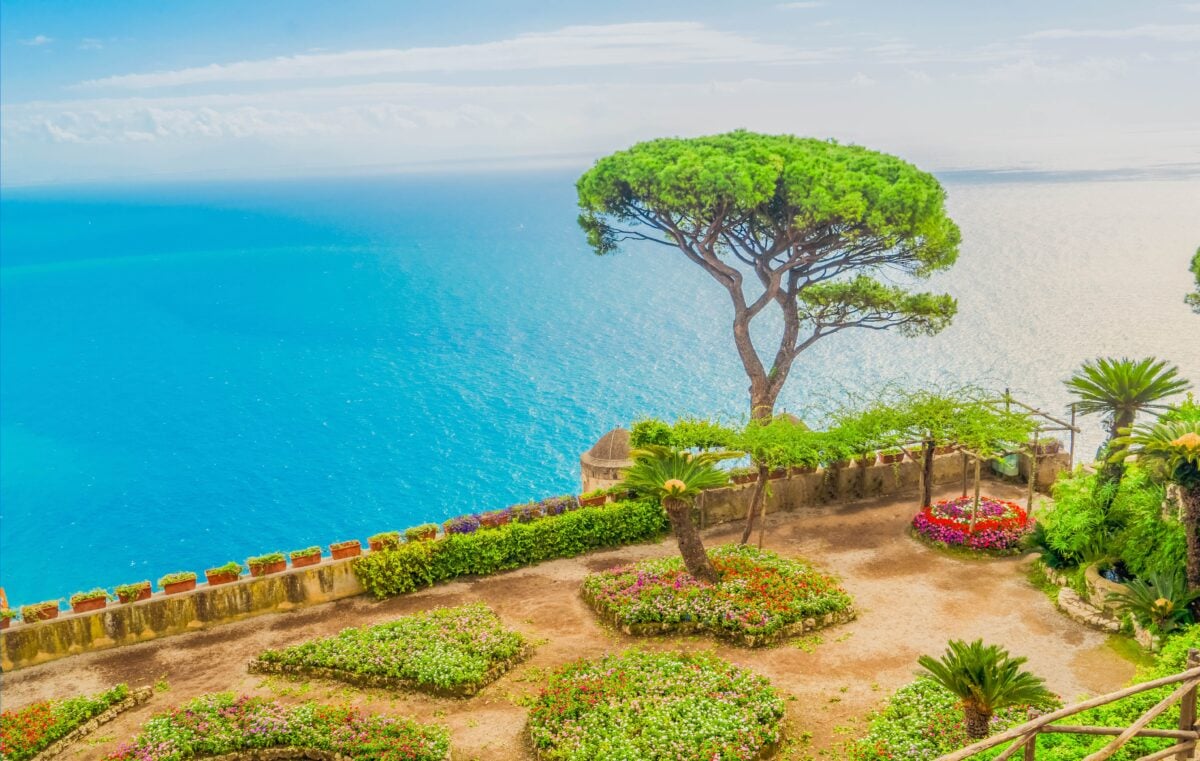
Higher above the coast, Ravello stays noticeably quieter for much of the day. Villa Rufolo draws plenty of visitors, but the nearby lanes empty out surprisingly quickly.
Looking across the gardens and walls toward the coastline never really gets old, particularly late in the afternoon when many organised groups have already left. Ravello is a good place to stay overnight if you want to experience the coast after the busiest daytime traffic has faded.
Elsewhere along the peninsula, weekly markets continue serving local communities. Ferries arrive throughout the day, scooters weave through traffic, and groceries are still delivered by handcart in places where larger vehicles simply do not fit.
The coast changes considerably outside summer. November brings cooler conditions, shorter days and a quieter atmosphere, but some hotels, restaurants and ferry services operate reduced schedules. Our guide to Amalfi Coast weather in November can help you decide whether an off-season visit will suit your plans.
Sicily When You Are Ready for Italy’s Wilder Side
Sicily has a habit of changing character every few miles. It combines busy markets, baroque cities, ancient ruins, beaches, farmland and volcanic landscapes in a way that makes a three-day visit feel almost insulting.
Starting the Day at Catania’s Fish Market
A morning in Catania can begin among the seafood stalls at La Pescheria, where shoppers gather early and fishmongers call across the market before the heat builds.
The streets around the market are loud, crowded and full of activity. This is not a polished food hall designed for slow-motion social media clips. It remains a working market, which is exactly why it is worth seeing.
The official Italia.it guide to Catania covers the city’s markets, Sicilian baroque architecture and proximity to Mount Etna.
Walking Through Ortigia and Southeast Sicily
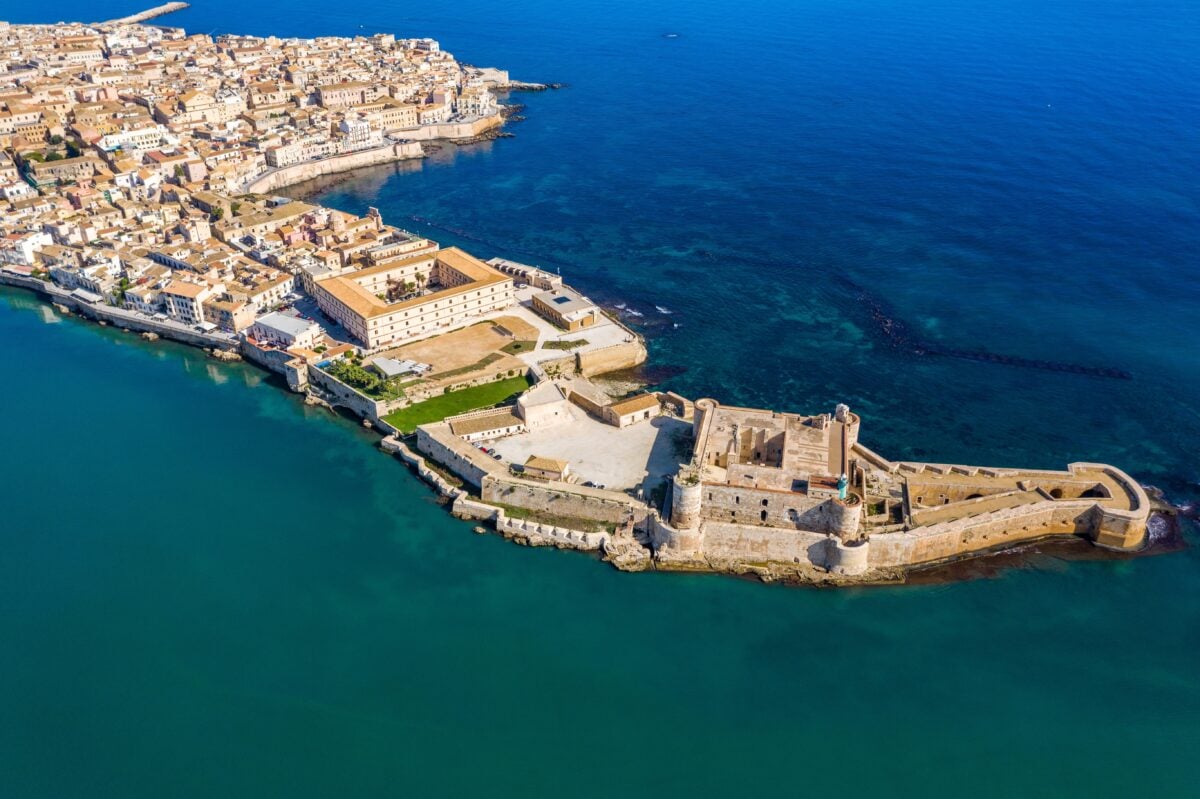
By afternoon, the focus can shift to Ortigia, the historic core of Syracuse. The streets branching away from the waterfront narrow into pedestrianised lanes where daily life continues overhead before opening into small public squares.
The compact layout encourages a slower pace. Ornate balconies, hidden courtyards, churches and sea views appear without much effort, although the temptation to stop for granita every 20 minutes can reduce your total distance considerably.
Driving inland reveals another side of Sicily. Wheat fields stretch across rolling hills, old towns sit above the valleys, and archaeological sites can be surprisingly quiet. Ragusa Ibla involves plenty of steps, so lightweight shoes with decent grip make the visit more comfortable.
Arranging an independent base via platforms like WishSicily.com: specialists in year-round villa holidays in Sicily, gives you a comfortable starting point to explore different parts of the island, making it much easier to introduce yourself to places beyond the better-known cities. Early mornings are especially enjoyable, when markets are opening, and local life is already underway.
Sicily is large enough to justify dividing the island into separate trips. The eastern side works well for Catania, Mount Etna, Syracuse and the baroque southeast, while Palermo and the western coast deserve their own itinerary.
Lake Como for a Weekend at a Slower Pace
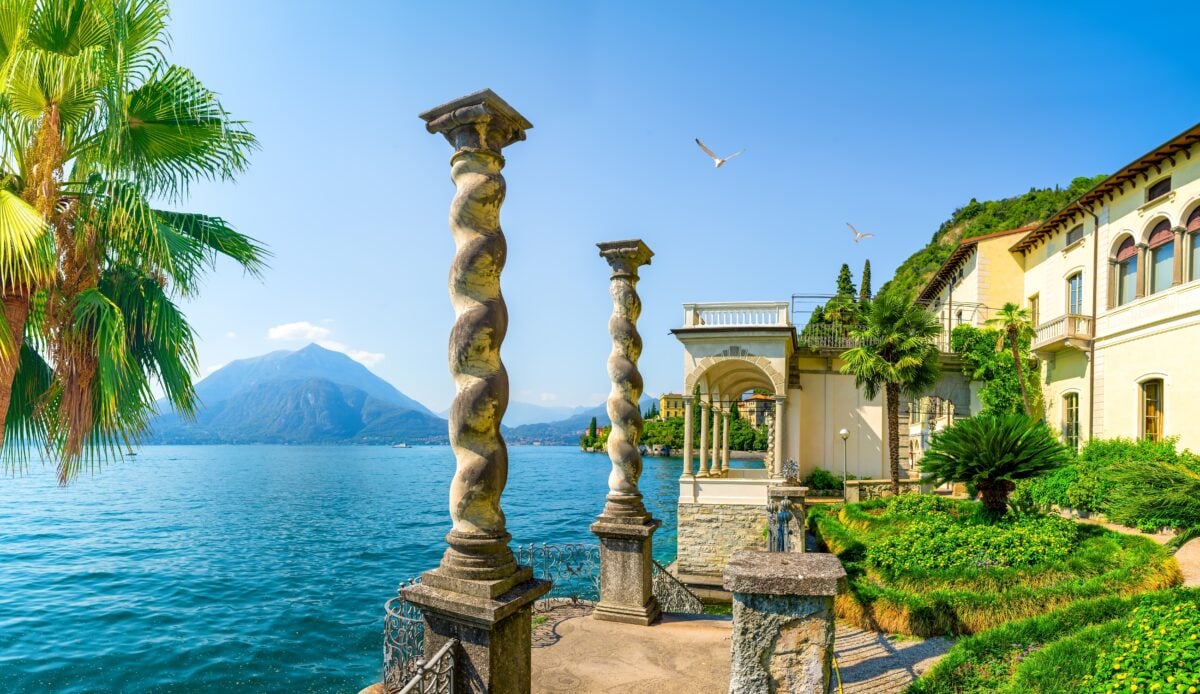
Lake Como attracts plenty of day-trippers, but the atmosphere changes noticeably early in the morning. Around the lakeside promenade in Como, commuters wait for ferries while dog walkers and runners pass through before sightseeing groups begin arriving.
The historic centre is easy to explore on foot. Streets leading away from Piazza del Duomo contain independent shops, quiet courtyards and apartment buildings where open windows and flower boxes help the city feel lived in.
It does not take long for the crowds to thin once you move away from the cathedral and waterfront. Como is compact enough for aimless wandering, which is useful because the most interesting courtyard will inevitably be in the opposite direction from your original plan.
Walking the Greenway del Lago
Walking part of the Greenway del Lago provides another perspective on the lake. The route passes small churches, gardens, olive trees and stretches of waterfront while connecting several villages on the western shore.
You do not need to complete the entire trail. Choosing one section allows time for lunch, ferry connections and the occasional stop to look at a villa you briefly decide you should own.
Ferry schedules vary during the year, so check departure times before setting out. Staying overnight also allows you to enjoy the lake before and after the largest day-trip groups arrive.
The Dolomites for Hikers Who Want Real Drama
The first glimpse of the Dolomites often comes while driving through a broad valley, when enormous pale peaks suddenly appear above the trees. Even after several visits, that moment can still catch people off guard.
The landscape looks almost theatrical, particularly around sunrise and sunset when the rock faces change colour. It is the sort of place where a short walk becomes a two-hour outing because everyone keeps stopping to take the same photograph from slightly different angles.
Hiking Around Cortina d’Ampezzo
Around Cortina d’Ampezzo, hiking maps are easy to find, and cable cars carry walkers high into the mountains without requiring a difficult climb from the valley floor.
That accessibility makes it possible to enjoy high-altitude scenery without committing to a full-day expedition. It also means popular routes can become busy, especially during July and August.
Visiting Tre Cime di Lavaredo
Tre Cime di Lavaredo remains one of the best-known areas of the Dolomites. Arriving early usually means quieter trails, cooler temperatures and a better chance of finding parking.
It’s difficult to talk about hiking in Italy without mentioning the Dolomites. Even a short walk here leaves a lasting impression. Alpine huts serve simple meals, wildflowers cover the meadows during the warmer months, and weather conditions can change surprisingly quickly. Carrying an extra layer is rarely a bad idea, even on sunny mornings.
The official Italia.it guide to Tre Cime di Lavaredo provides additional information about the peaks and surrounding mountain landscape.
Proper footwear, water and basic weather preparation are essential. Cable cars and accessible paths make parts of the region easy to reach, but the Dolomites are still a mountain environment rather than a scenic theme park.
Other Italian Regions Worth Adding to Your List
These five regions are only a starting point. Italy has enough variety to support years of return visits, whether you prefer beaches, mountain villages, major cities or quiet rural roads.
- Sardinia for beaches, coastal drives and archaeological sites
- Emilia-Romagna for Bologna, Parma and an unreasonable amount of excellent food
- Puglia for whitewashed towns, olive groves and Adriatic beaches
- Umbria for medieval hill towns and a quieter alternative to Tuscany
- Piedmont for Turin, vineyards and the foothills of the Alps
Sardinia is particularly appealing during warmer months, although private beach facilities can quickly increase the cost of a day beside the sea. Our guide to affordable beach clubs in Sardinia highlights options that leave more money available for dinner.
Which Italian Region Should You Visit Next?
Italy rewards return visits because every region can feel like a separate trip. Tuscany draws you into medieval streets and rural landscapes. Sicily surprises with its variety. The Amalfi Coast offers far more than scenic drives, Lake Como slows the pace, and the Dolomites make even a short walk memorable.
Choose Tuscany for food, countryside and historic towns. Pick the Amalfi Coast for seaside villages and dramatic views. Sicily suits anyone who enjoys variety and does not mind covering longer distances. Lake Como works well for a slower weekend, while the Dolomites are the obvious choice for mountain scenery and hiking.
The best moments are not always the ones that appear in guidebooks. They happen while browsing a morning market, watching deliveries arrive in an old town, catching an early ferry or following a quiet street that most people walk straight past.
That is the version of Italy that keeps people coming back, usually while insisting that the next trip will be more relaxing.
