
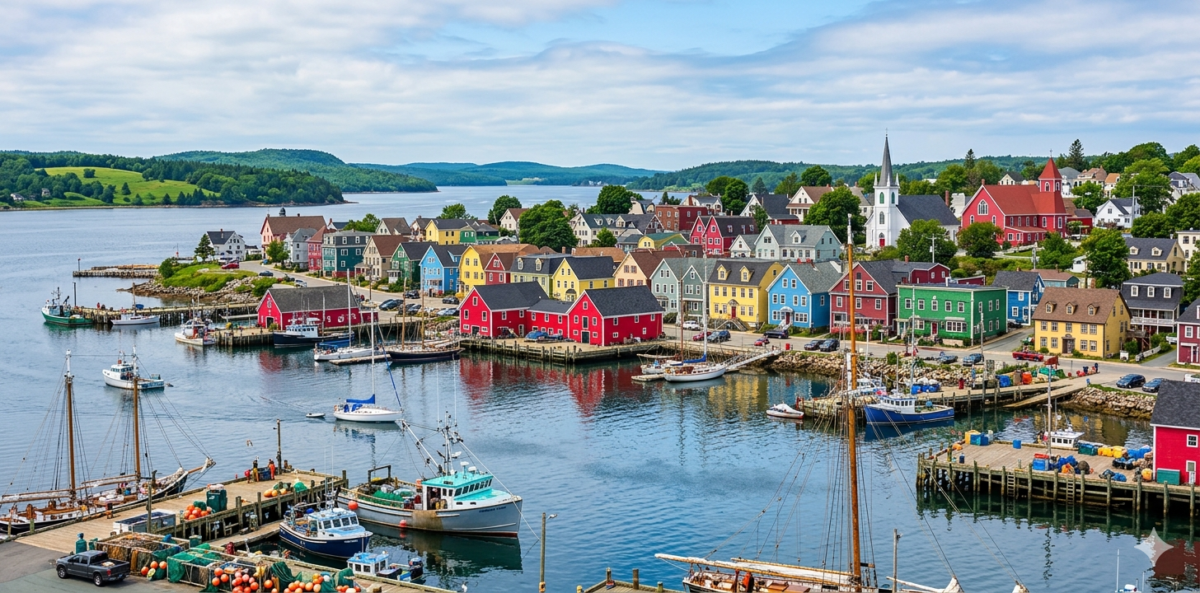
Lunenburg often arrives in planning searches because of photographs: a small harbour lined with painted wooden buildings and fishing boats. That visual reputation explains why people visit, but it does not tell the whole story.
Visitors come for the active maritime life, the architecture that dates back to the 18th and 19th centuries, and a cultural identity shaped by fishing and boatbuilding. This guide explains what Lunenburg is famous for, whether it matches expectations, what surprises travelers, and practical details on costs, getting around, and common mistakes to avoid.
Quick Answer: What Lunenburg Is Most Famous For
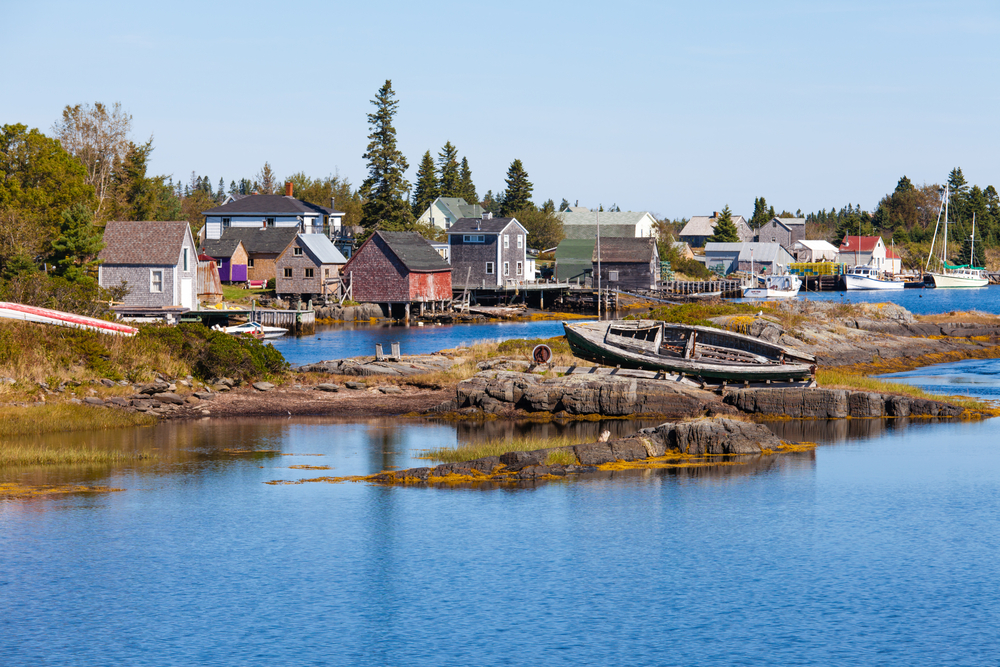
Lunenburg’s reputation rests on a few tightly linked features: an active, photogenic harbour, a high concentration of preserved wooden architecture from the 1700s and 1800s, and living maritime traditions in fishing and boatbuilding. The town earned international recognition for its collective heritage; the town centre is recognized on an international heritage list for its town plan and vernacular architecture.
Does the town live up to the photos? Yes, when visits focus on the waterfront and Old Town. Expect small commercial streets, working boats, and visible signs of an economy shaped by the sea. Expect fewer tourists in shoulder seasons and more local activity related to fisheries than purely tourist-focused shops.
Maritime Heritage and the Working Harbour
The harbour is not just a backdrop, it shapes daily life: fishing boats come and go, fish processing and supply traffic occur along the wharves, and harbour-front buildings host both marine services and tourism businesses. Visitors typically see commercial vessels alongside pleasure craft; that mix is part of Lunenburg’s appeal.
Practical note: guided harbour or fishing-heritage tours are common in high season. Expect the cost of a short harbour tour to be in the range of CAD 15–40, depending on length and whether it includes access to workshops or museums. Confirm schedules with operators and check the official town site for permits and mooring rules (Town of Lunenburg).
Official reference: UNESCO lists Old Town Lunenburg for its coastal town planning and maritime heritage, a useful source for background (UNESCO World Heritage Centre).
How the harbour shapes visits
Expect smells, noises, and visible labour: nets, traps, fuel trucks and crew activity. These are not theatrical props; they are working elements. Respect restricted areas and posted signage, and know that peak fishing times may change public access and photo opportunities.
Colourful Architecture and Town Layout
Lunenburg’s streetscape is famous for rows of painted wooden houses and narrow lanes around the harbour. The town plan reflects 18th-century colonial layouts adapted to the shoreline; houses often face the water, and commercial activity concentrates along the main harbour road.
What visitors notice: painted façades, gabled roofs, and tightly spaced lots. That visual rhythm is best appreciated on foot; a one- to two-hour walking loop will cover the harbourfront, historic churches, and viewpoints above the town. Expect walking surfaces to be uneven in places and limited signage in quieter blocks.
Conservation is active here, so some façades may be undergoing repair. For official guidance on heritage rules and restoration, consult provincial resources or local heritage guides (Nova Scotia Tourism).
Fishing, Boatbuilding and Local Industry Today
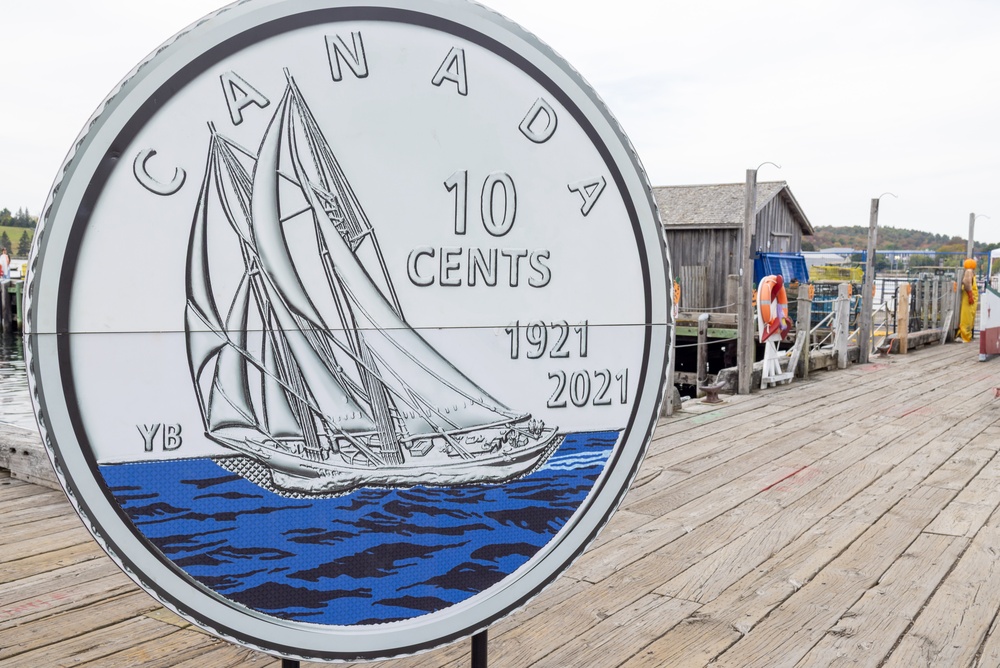
Fishing and boatbuilding remain visible; you are likely to see commercial fishing gear, small repair yards, and wooden craft under maintenance. Traditional wooden boatbuilding persists in a few yards, while others blend modern materials with heritage techniques.
Expect limited public access to active yards for safety reasons, but many operators offer demonstrations or workshops by reservation in summer. For information on fisheries policy and commercial activity that shapes the town, the federal resource is helpful (Fisheries and Oceans Canada).
Costs: boatbuilding demonstrations or hands-on workshops, when available, typically have higher prices than simple tours, often in the CAD 25–75 range depending on length and materials provided. Advance booking is common for workshops, so treat reservations as a requirement during July and August.
Food, Markets and What to Expect to Eat
Lunenburg’s culinary reputation comes from seafood: fresh lobster, fish and chips, and seasonal shellfish feature across cafes and small restaurants. Local markets sell baked goods, preserves, and artisan products; market hours and vendor lists change by season, so verify with the local tourism office.
Budget guidance: a casual meal of fish and chips or a seafood sandwich often costs about CAD 12–25. A mid-range sit-down seafood meal typically runs CAD 25–60 per person depending on choices. Markets and takeout are the most cost-effective way to sample local food without booking a restaurant.
If you want the most up-to-date listings for markets and food events, consult the official visitor resources for Lunenburg County or the Nova Scotia tourism site (Nova Scotia Tourism).
What People Get Wrong About Lunenburg
Misconception 1: Lunenburg is only a photo set. Reality: it is a living town with residents who work in fisheries, tourism, and services; visitors should expect normal local rhythms and not a purely tourist stage.
Misconception 2: Everything is open year-round. Reality: many shops, tours and eateries operate seasonally; off-season visits mean quieter streets but reduced services. Confirm opening times before travel.
Misconception 3: The town is large. Reality: Old Town is compact; exploring thoroughly takes less time than travelers imagine, which makes adding nearby attractions or a day trip practical.
What First-Time Visitors Notice Most
Sensory impressions come first: the harbour smells and the visual rhythm of coloured facades are what many visitors remember. Practically, newcomers notice the short walking distances, limited parking near the waterfront, and the seasonal concentration of services in summer.
Another common observation: the difference between tourist-facing businesses and local services. Expect to find souvenir shops near the harbour and more practical groceries, hardware and service businesses slightly inland. Adjust expectations for evening entertainment, which tends to be low-key and seasonally variable.
Where to Stay and Comparing Neighbourhoods
Accommodation clusters split into the harbour/Old Town area, where proximity to sights is the priority, and neighbourhoods a short drive away that trade convenience for lower prices. If staying on the waterfront, expect higher nightly rates and limited street parking. If staying farther out, expect to add a 10–20 minute drive to the harbour.
Disclosure: This section may contain affiliate links. If you book through the map below, we may earn a commission at no extra cost to you.
[rtb_stay22_map city=”Lunenburg” region=”Nova Scotia” country=”Canada” venue=”Lunenburg” campaign=”twoscotsabroad_lunenburg_what-is-it-known-for-what-is-it-famous-for”]Practical tradeoffs: staying in Old Town puts you within walking distance of the harbour and museums; staying in nearby neighbourhoods usually offers lower nightly rates by CAD 15–40, but requires a car. Reserve harbour-front rooms early for summer weekends, this is a reservation requirement in July and August.
Practical Travel Tips
- Travel time: plan for a driving approach from Halifax of about 1.5–2 hours, traffic dependent; confirm times with current route planners.
- Parking: harbour parking is limited; arrive early or use municipal lots and be ready to walk a few blocks.
- Costs: budget roughly CAD 80–200 per day depending on accommodation choices and dining style.
- Reservations: make dinner and harbour tour reservations in high season, particularly for weekend stays; treat reservations as a requirement for popular times.
- Clothing: bring layered outerwear for variable coastal weather and footwear for uneven historic sidewalks.
- Timing: visit in shoulder seasons for lower crowds and better value, but confirm seasonal hours for museums and tours.
- Respect working spaces: do not cross safety barriers at wharves, and follow posted instructions around fishing gear and yards.
- Local info: check the Town of Lunenburg site for event calendars and municipal advisories (Town of Lunenburg).
- Fisheries context: consult Fisheries and Oceans Canada for any regulatory notices that could affect harbour activity during your visit (Fisheries and Oceans Canada).
Frequently Asked Questions
Why do people visit Lunenburg?
People visit for the active harbour and maritime culture, preserved wooden architecture, and the chance to see working fishing and boatbuilding activity alongside tourist amenities.
Does Lunenburg still have active fishing and boatbuilding?
Yes, commercial fishing and some boat repair and traditional boatbuilding continue to shape the waterfront. Public access to yards is limited for safety, but demonstrations and tours are sometimes available in season.
Is Lunenburg historically significant?
Yes, Old Town Lunenburg is recognized for its town planning and architectural ensemble connected to its maritime economy; that recognition is documented by international heritage listings and provincial conservation programs.
How much time should I plan to explore Lunenburg?
A focused visit to the harbour and main streets can take a few hours; plan one full day to include a museum or tour and a relaxed meal; add extra days to explore nearby coastline and activities.
Is Lunenburg expensive to visit?
Costs are moderate: casual meals and market food are budget-friendly, waterfront accommodations and guided experiences increase the daily spend; expect variability by season.
When is the best time to avoid crowds?
Shoulder seasons (late spring and early fall) reduce crowds and can lower prices, but check seasonal operation hours for tours and restaurants before booking.
Final Thoughts
Lunenburg’s reputation is accurate in what it advertises: an active maritime town with a concentrated, visually striking historic core and living fishing and boatbuilding traditions. Visitors should plan around seasonal openings, expect short walking distances, and reserve harbour-front experiences ahead of summer weekends.
Understanding the working nature of the harbour, the seasonal service rhythm, and the practical tradeoffs between convenience and price will help travelers decide how long to stay and where to base their visit.
