

“`html
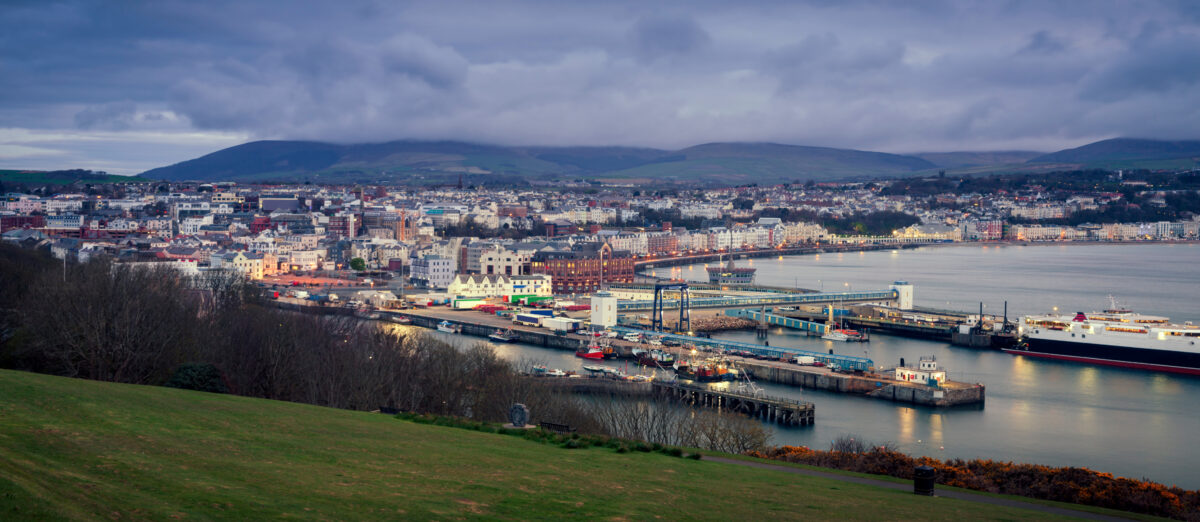
Douglas draws visitors with its sweeping seafront, easy coastal walks, and handy transport links that make exploring the rest of the island refreshingly straightforward. You can spend the morning strolling the promenade, the afternoon riding a historic train, and still be back in time for dinner without consulting a complicated spreadsheet.
What makes Douglas stand out from many British seaside towns is that it manages to be both a relaxing waterfront destination and the island’s main transport and events hub. In other words, it’s the kind of place where a peaceful seaside walk can unexpectedly turn into a ride on the Isle of Man Steam Railway, a hilltop adventure, or a front-row seat to one of the island’s biggest festivals.
This guide breaks down the best times to visit Douglas throughout the year, whether you’re chasing sunshine, quieter walking trails, smaller crowds, or a calendar packed with events. You’ll also find practical tips on costs, transport, and crowd levels—helping you spend less time planning and more time deciding whether that next coastal viewpoint is worth “just a quick detour.” (It probably is.)
Overview: What ‘best time’ means in Douglas
Choosing the best time to visit Douglas depends on three trade-offs: weather for coastal walks, crowd levels for quiet exploration, and events if the traveller wants to attend island festivals.
For walkers, early spring and late summer offer the most reliable mix of daylight and trail access. For budget travelers and people seeking quiet streets and open restaurants, late autumn and winter provide lower prices and fewer visitors, though some seasonal services may be reduced.
This guide maps those priorities to months and includes practical tips to avoid peak-time congestion and unnecessary expense.
Season-by-season guide: Spring, Summer, Autumn, Winter
Spring (March to May): Best for longer daylight and fewer tourists. Expect changeable weather and pockets of sunshine. Coastal and cliff-top paths thaw quickly after winter, making this a good time for walkers who do not need perfectly warm conditions. Many cafes reopen and local gardens come into bloom, but event schedules are lighter than summer. Late spring into early summer begins to pick up momentum on search trends, so mid-May onwards can start feeling busier.
Summer (June to August): Peak season for events and the warmest weather. This is when the promenade is busiest, and major events attract visitors. Crowds are heaviest in late July and August; book accommodation early. Mornings and late afternoons are the best windows for peaceful coastal walks. The TT races in May and early June drive significant visitor spikes, so if you’re not attending, honestly, plan around those dates entirely.
Autumn (September to November): Best shoulder season for lower costs and crisp walking days. Early autumn retains decent daylight and calmer seas for coastal photos. Many travelers who prefer quieter towns favor September and early October. By November some attractions and seasonal eateries reduce hours. September tends to see a secondary search peak before the quieter months settle in.
Winter (December to February): Quietest time and best for low-cost travel. Expect short daylight hours and colder, windier conditions for seaside walks. Most festivals are absent, and public transport runs on reduced schedules over certain dates. For budget-conscious visitors who can tolerate raw weather, winter offers the most affordable nights. Not gonna lie, the weather can be pretty grim, but if solitude is what you’re after, this is it.
Crowd-management tips by season
To avoid the busiest periods in summer, plan popular walks before 10:00 or after 16:00. During TT race periods, central Douglas becomes extremely crowded and accommodation prices spike, so non-event visitors should avoid staying in Douglas then. In spring and autumn, check opening days for cafes and visitor centres; many switch to weekend-only hours outside summer.
How to get to Douglas and key transport links
Douglas is the island’s main arrival point by ferry and has direct links from UK ports at scheduled times. For air travellers, the Isle of Man Airport has regular flights to UK cities, and bus or taxi services run to Douglas.
Once on the island, the Isle of Man Steam Railway and Manx Electric Railway connect Douglas with coastal and inland towns; check official timetables for seasonal services. The ferry operator’s official site and the airport website should be consulted for current schedules and fares.
Practical arrival tips
Budget travellers should compare ferry versus flight costs, including luggage and local transfers. When travelling with a bike or a party, reserve ferry or rail spots in advance during summer. For up-to-date timetables and fares, consult the relevant official operator pages linked above.
Getting around Douglas and walking tips
Douglas is compact, so walking covers most local needs. The promenade stretches for several kilometres and connects the harbour, casino district, and quieter residential stretches. For longer island days, use the steam and electric railways or regional buses.
Expect a mix of pavement, boardwalk, and gravel coastal paths; waterproof footwear and layered clothing are sensible across most of the year. Many short circular walks can be completed in 1 to 3 hours, while full hill routes to the nearby highlands require a day and good weather checks. Planning how many days to spend in Douglas depends partly on how many walks and excursions appeal to you.
For official trail conditions and any access notices, consult local council or park resources before setting out.
Time estimates for popular walks
A promenade stroll from Douglas Harbour to the Victorian Sea Terminal typically takes 30 to 45 minutes at a relaxed pace. A round-trip to nearby coastal headlands may take 2 to 4 hours depending on route choice. Allocate extra time for stops at cafes and viewpoints.
Where to stay and comparing neighborhoods
Staying near the promenade and harbour places visitors within easy reach of transport links and walking routes, but prices are higher in peak season. The quieter Victorian residential streets a short walk inland tend to offer better value alternatives.
For live comparisons of available rooms and rates across neighbourhoods, use the interactive map below. Disclosure: This section may contain affiliate links. If you book through the map below, we may earn a commission at no extra cost to you.
[rtb_stay22_map city=”Douglas” region=”Douglas” country=”Isle of Man” venue=”Douglas” campaign=”twoscotsabroad_douglas_best-time-to-travel”]When to pick each area: choose the promenade for convenience and evening activity, choose inland B&B streets for quieter nights and lower rates, and choose near the railway terminus for easy day-trip departures. Book early for summer and TT race periods.
Budget, costs, and money-saving options
Douglas is moderately priced compared with major UK coastal towns, but peak-season rates for accommodation and events push budgets higher. Expect a basic meal in a casual cafe to fall within a mid-range price bracket, with cheaper options available at takeaway outlets.
Money-saving strategies: travel in the shoulder seasons, choose guesthouses or hostels, and use island rail and bus day passes when planning multiple day trips. Advance booking for ferries and key rail services often secures lower fares.
For travelers on a strict budget, consider travelling in November to March outside major holidays, when nightly rates can be significantly lower but prepare for reduced opening hours.
Sample cost ranges
Accommodation ranges widely by season; expect the lowest rates in winter and the highest in July and August. Local transport day passes and single fares vary by operator and should be checked on official transport websites.
Suggested itineraries by length and season
One day: morning promenade walk and harbour area, midday steam-rail short hop, afternoon coastal viewpoint, evening local pub meal.
Two days: add a full-day excursion using the steam railway to a hill village and a coastal bus route, combine with an evening in the town centre.
Four days: mix relaxed seaside days with at least one inland hill walk and one southern or northern coast day trip. In spring and autumn allow flexibility for weather changes and shorter daylight hours.
Practical travel tips and common mistakes to avoid
Plan around major events, especially the TT races, which dramatically increase prices and crowds in Douglas. Check rail and ferry timetables before your trip, as schedules are seasonal.
Pack layers and a waterproof, and expect sudden weather swings even on otherwise mild days. When walking coastal paths, wear sturdy shoes and allow extra time for tidal viewpoints.
Avoid the common mistake of assuming everything stays open year-round; many cafes and visitor attractions reduce hours outside summer, so verify opening days for specific places.
Practical Travel Tips
- Book accommodation early for July and August, and avoid TT race dates unless attending an event.
- Use morning or late-afternoon windows for quieter promenade walks during summer.
- Carry a lightweight waterproof and layered clothing, weather can change quickly along the coast.
- Buy day or multi-day passes for rail and bus services when planning multiple excursions.
- Check official timetables for the Isle of Man Steam Railway and Manx Electric Railway before travel.
- Compare ferry and flight total costs, including local transfers and luggage fees, before booking.
- If on a tight budget, travel in November to March, but confirm seasonal opening hours for cafes and attractions.
- Reserve seats or spaces for group ferry or rail travel during busy dates, especially with bikes or large luggage.
Frequently Asked Questions
When is the quietest time to visit Douglas?
Late autumn and winter, broadly November to February, are the quietest months, with the fewest tourists and the lowest accommodation prices, though some businesses and services run reduced hours.
Is summer the best time for coastal walks?
Summer offers the warmest, sunniest days, but promenades and transport are busiest; early morning or late afternoon provide quieter walking windows.
Are there good reasons to visit in shoulder seasons?
Yes. Spring and early autumn provide fewer crowds, milder walking conditions than winter, and lower prices than peak summer, while still offering many open cafes and transport links.
How far in advance should I book for summer and event periods?
For July and August and any event periods, secure accommodation and key transport reservations as early as possible, typically several months ahead, to avoid limited availability and higher prices.
