
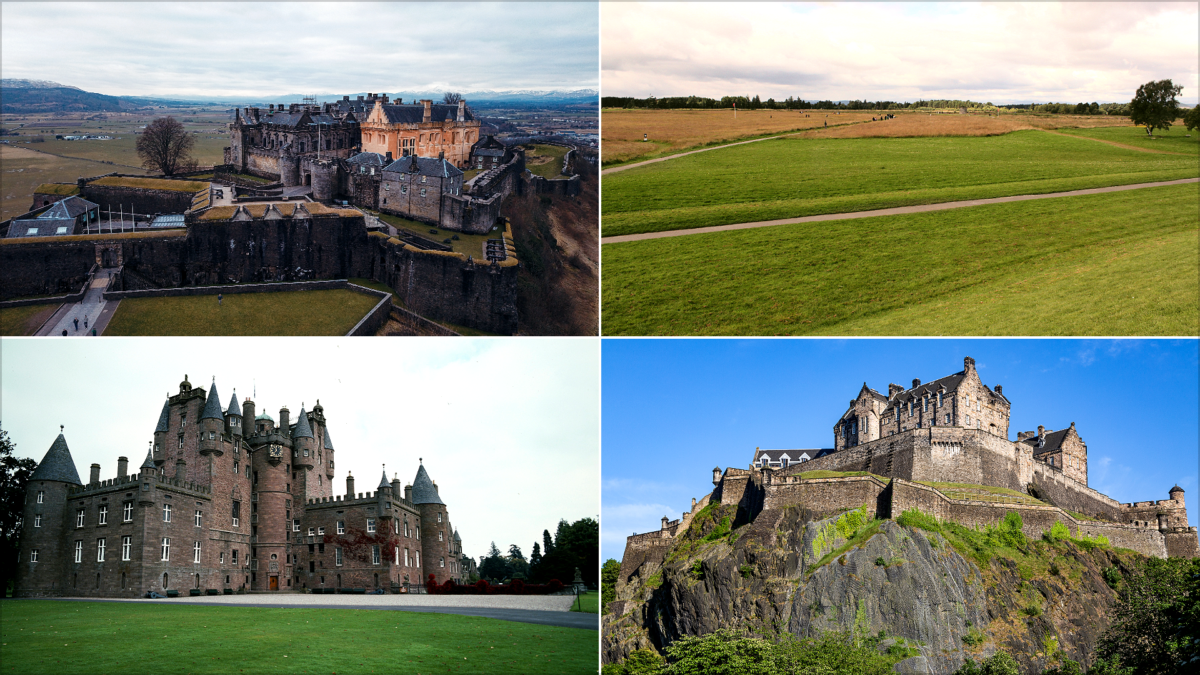
Most haunted places in Scotland: a traveller’s guide with just enough courage
Scotland does ghost stories well. It has the weather, the castles, the centuries of history, and a certain fondness for places where the stone walls seem to remember things. If you are looking for the most haunted places in Scotland, you will find that the best ones are not just about jumps and screams. They are atmospheric, historically layered, and often genuinely fascinating long before anyone mentions a spectre.
This guide focuses on places that are known for hauntings, folklore, or a strong spooky reputation, but that also work as real travel stops. Some are famous castles, some are old city streets, and some are places where the silence does most of the work. Bring curiosity, a decent jacket, and maybe fewer expectations about sleeping through the night if you stay nearby.
A quick look at the most haunted places in Scotland
| Place | Why people talk about it | Best time to visit |
|---|---|---|
| Edinburgh Castle | Ghost stories, military history, and a hilltop setting that does the mood work for you | Late afternoon into evening |
| Greyfriars Kirkyard, Edinburgh | Graveyard legends, including the famously restless Mackenzie Poltergeist tale | Daylight hours, or an organised evening tour |
| The Vaults, Edinburgh | Underground chambers with a heavy, uneasy atmosphere | Autumn and winter for maximum chill |
| Glamis Castle | Royal connections, hidden rooms, and a long list of haunting stories | Spring to early autumn |
| Huntly Castle | Ruins with a reputation for headless ghosts and battlefield echoes | Late spring through summer |
| Culloden Battlefield | A site of historic tragedy where the past feels very close | Quiet mornings |
| Glamis and Edinburgh aside, Stirling Castle and Castle of the Red Feather lore also add to the list | Scottish castles rarely travel light on ghost stories | Any clear day |
1. Edinburgh Castle
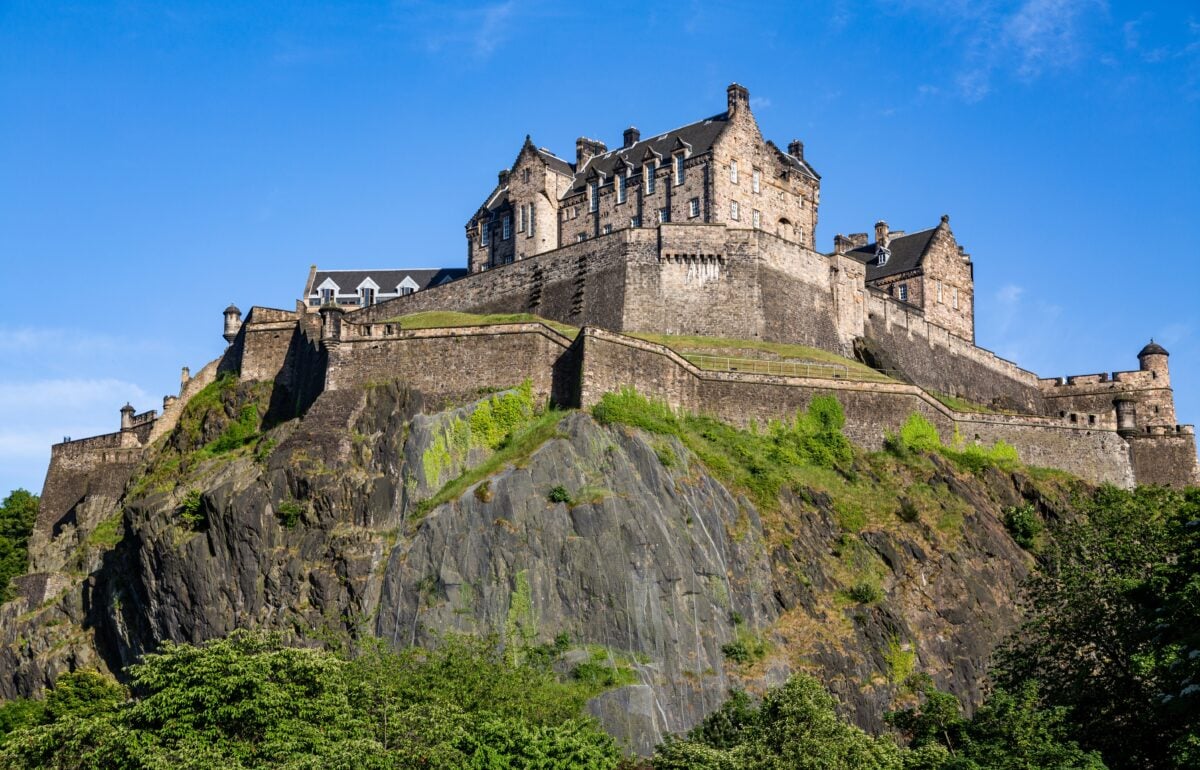
Edinburgh Castle is one of the easiest places to understand why Scotland’s spooky reputation has endured. The fortress dominates the city skyline, and once you are inside, the thick walls, battlements, and long military history do a fine job of reminding you that this is not a place built for comfort. The castle is worth visiting for its views, crown jewels, and historic significance, but it also appears on nearly every list of haunted Scottish sites for good reason.
What makes it unique is the combination of grandeur and gloom. There are ghostly dog stories, mysterious drummers in local lore, and plenty of tales that have attached themselves to the castle over time. Even if you are a sceptic, the setting has enough old-world atmosphere to make you glance over your shoulder once or twice.
- Best time to visit: Late afternoon, when the light softens and the city feels a little more dramatic.
- Helpful tip: Book ahead if you want a guided tour, especially in busier months.
- Nearby experiences: The Royal Mile, Princes Street Gardens, and the Scottish National Gallery are all easy add-ons.
2. Greyfriars Kirkyard, Edinburgh
Greyfriars Kirkyard is one of the most visited graveyards in Scotland, and not just because it sits in the middle of Edinburgh’s old town. It is worth visiting for its carved headstones, literary connections, and the powerful sense of history packed into a relatively small space. It is also famous for ghost lore, especially the story of the Mackenzie Poltergeist, which has helped turn the kirkyard into a magnet for curiosity-seekers.
Its uniqueness comes from the way it mixes the solemn and the strange. You can be admiring memorial art one minute and hearing about unexplained happenings the next. That duality gives the place its pull. It is not a theme park version of the supernatural. It is a real burial ground with a reputation that has grown over generations.
- Best time to visit: Daytime for a respectful wander, or after dark only on an organised tour.
- Helpful tip: Keep your visit respectful. This is a working cemetery, not a stage set.
- Nearby experiences: The National Museum of Scotland, the Grassmarket, and the Real Mary King’s Close are all close by.
3. The Vaults, Edinburgh
Below the city’s South Bridge lie the Vaults, a network of chambers that became notorious for their dark, damp conditions and uneasy history. They are worth visiting because few places in Edinburgh feel as physically eerie. Even without the ghost stories, the low ceilings and shadowy passageways create a memorable experience. Add the folklore and the sense of old hardship, and you have one of the most talked-about haunted spots in Scotland.
What makes the Vaults unique is their underground setting. Edinburgh has a habit of hiding one city inside another, and these spaces are a reminder of that. They have been used, neglected, and reimagined over time, which has only fuelled the stories attached to them. A visit here is less about polished beauty and more about atmosphere that sticks to your coat.
- Best time to visit: Autumn and winter, when the low light suits the mood.
- Helpful tip: Choose a reputable guided tour if you want the history to be as strong as the spook factor.
- Nearby experiences: The Royal Mile, St Giles’ Cathedral, and Edinburgh’s old closes are all within easy reach.
4. Glamis Castle
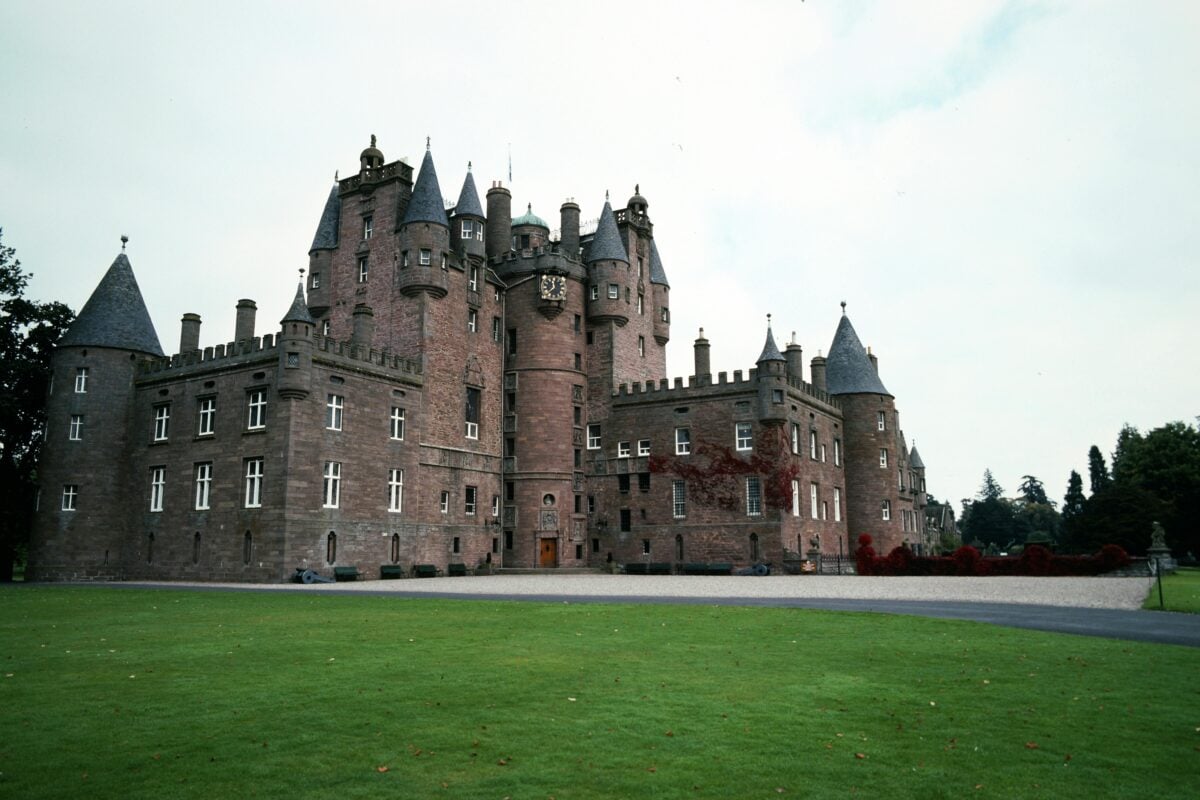
Glamis Castle is one of Scotland’s best-known haunted castles, and it earns that reputation the old-fashioned way, through centuries of stories. It is worth visiting for its architecture, grounds, and royal links, but the ghost lore is a major part of the appeal. Tales of hidden chambers, strange apparitions, and family legends have made Glamis a favourite among people who like their history with a side of goosebumps.
What makes it unique is how complete the experience feels. This is not just a ruin with one good story. It is an active, lived-in castle where folklore has become part of the visitor experience. The building itself is elegant, but it carries an undercurrent of mystery that makes it linger in the memory.
- Best time to visit: Spring and summer, when the grounds are at their most pleasant and easier to explore.
- Helpful tip: If you are interested in the legends, allow enough time for both the house and the grounds.
- Nearby experiences: Angus Glens, Dundee museums, and coastal drives along the east side of Scotland.
5. Huntly Castle
Huntly Castle in Aberdeenshire is a handsome ruin with a dark reputation. It is worth visiting for its sculpted stonework, courtyard remains, and the scale of the surviving architecture. Ghost stories here often focus on violent history and restless figures, which feels fitting for a castle that has seen more than its share of conflict.
Its uniqueness lies in the way it balances ruin and drama. Some haunted places lean heavily on the storytelling. Huntly Castle has the physical presence to back it up. The surviving walls, tower house remains, and open setting give you plenty to look at, even if you never hear a single ghost tale.
- Best time to visit: Late spring through summer, when the weather makes exploring easier.
- Helpful tip: Wear sturdy shoes. Scottish castle ruins are often less forgiving than they look in photos.
- Nearby experiences: The town of Huntly, the River Deveron area, and Speyside are all worth building into a wider trip.
6. Culloden Battlefield
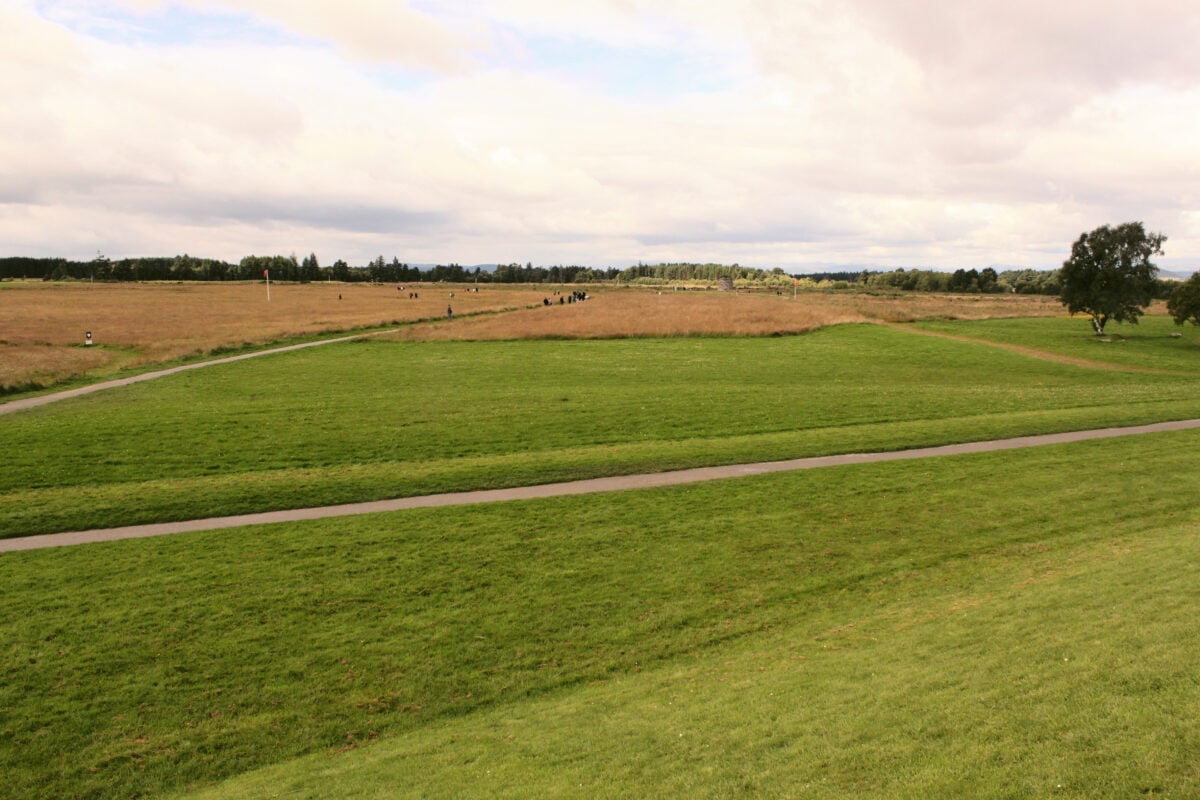
Culloden Battlefield is not haunted in the theatrical castle sense, but it absolutely belongs on any list of the most haunted places in Scotland. It is worth visiting for its historic importance alone, marking the site of the final battle of the Jacobite rising in 1746. The emotional weight of the landscape is immediate, and many visitors describe the place as deeply affecting even without a ghost story in mind.
What makes Culloden unique is that the atmosphere comes from history first. The battlefield is open and exposed, which somehow makes the tragedy feel more stark. You do not need to believe in anything supernatural to feel that this is a place where the past has not gone very far away.
- Best time to visit: Early morning or late afternoon, when it tends to be quieter.
- Helpful tip: Visit the on-site exhibition first if you want the battlefield to make full sense.
- Nearby experiences: Clava Cairns, Inverness, and the wider Moray Firth area.
7. Stirling Castle
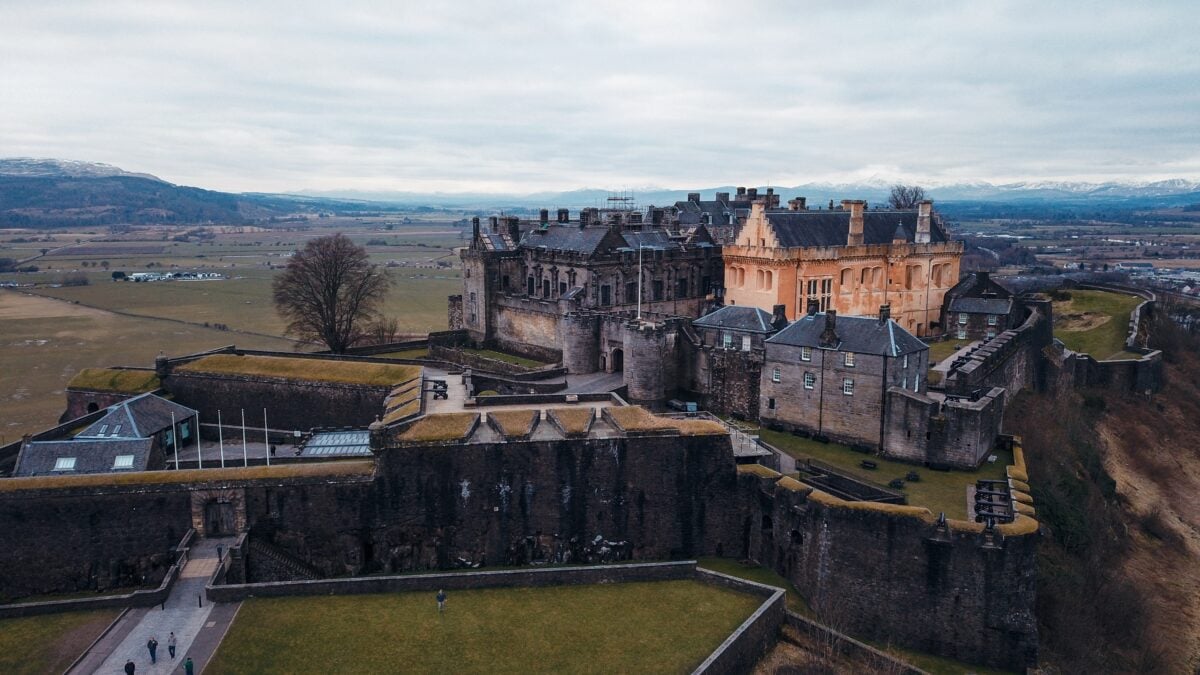
Stirling Castle is another heavyweight of Scottish history that naturally attracts ghost stories. It is worth visiting for its royal chambers, sweeping views, and strong ties to Scottish politics and identity. As with many old castles, the more history it holds, the easier it is for legends to settle in, and Stirling has collected plenty of them.
What makes it unique is the scale of the setting. The castle sits on a commanding rock above the city, which gives it a sense of power that feels just a little theatrical in the best possible way. If you enjoy places that combine spectacle and story, this one delivers. The ghost tales are part of the package, but the broader historical experience is what makes the visit worthwhile.
- Best time to visit: Clear days for the views, though moody weather suits the mood nicely.
- Helpful tip: Allow time for both the castle and a walk through Stirling’s old town.
- Nearby experiences: The Wallace Monument, Bannockburn Visitor Centre, and the River Forth viewpoints.
Tips for visiting haunted places in Scotland
If you are planning a route around the most haunted places in Scotland, a little planning goes a long way. The spooky atmosphere might be the draw, but these places are easier to enjoy when you treat them like proper travel stops rather than just ghost-hunting assignments.
- Check opening times: Castles, museums, and kirkyards can all have different access rules.
- Dress for the weather: Scotland rarely commits to a single mood for long.
- Book guided tours carefully: Choose tours that focus on history as well as folklore.
- Be respectful: Many haunted sites are also burial grounds, memorials, or living heritage sites.
- Mix spooky stops with normal sightseeing: A castle, a café, and a museum make for a better day than pure gloom.
Why Scotland is so full of haunted places
Part of Scotland’s haunted reputation comes from its age, its layered history, and the number of surviving stone buildings that still anchor towns and cities. Add conflict, folklore, religion, folklore again for good measure, and a healthy national appetite for storytelling, and you get a country where ghost stories have serious staying power.
That is also why the most haunted places in Scotland are often among the most interesting places to visit in the first place. Even if you are not actively hunting for apparitions, you still get castles, battlefield landscapes, ancient burial grounds, and city corners that feel slightly out of step with modern life. The ghosts, whether literal or not, are only part of the appeal.
Plan a haunted Scotland trip with more than a flashlight
If you are building a themed itinerary, mix a few well-known haunted sites with quieter historic stops. Edinburgh alone can fill several days if you combine the castle, Greyfriars Kirkyard, the Vaults, and the old town streets. Outside the capital, Glamis, Huntly, Stirling, and Culloden each offer a different flavour of Scottish history and atmosphere.
That is the real charm of the most haunted places in Scotland. They are not just there to scare you. They are there to show you how history, landscape, and legend can all crowd into the same stone corridor and refuse to leave.
For official visitor information, the Edinburgh tourism site, Historic Environment Scotland’s Edinburgh Castle page, and Historic Environment Scotland’s Culloden Battlefield page are useful places to start planning.
