
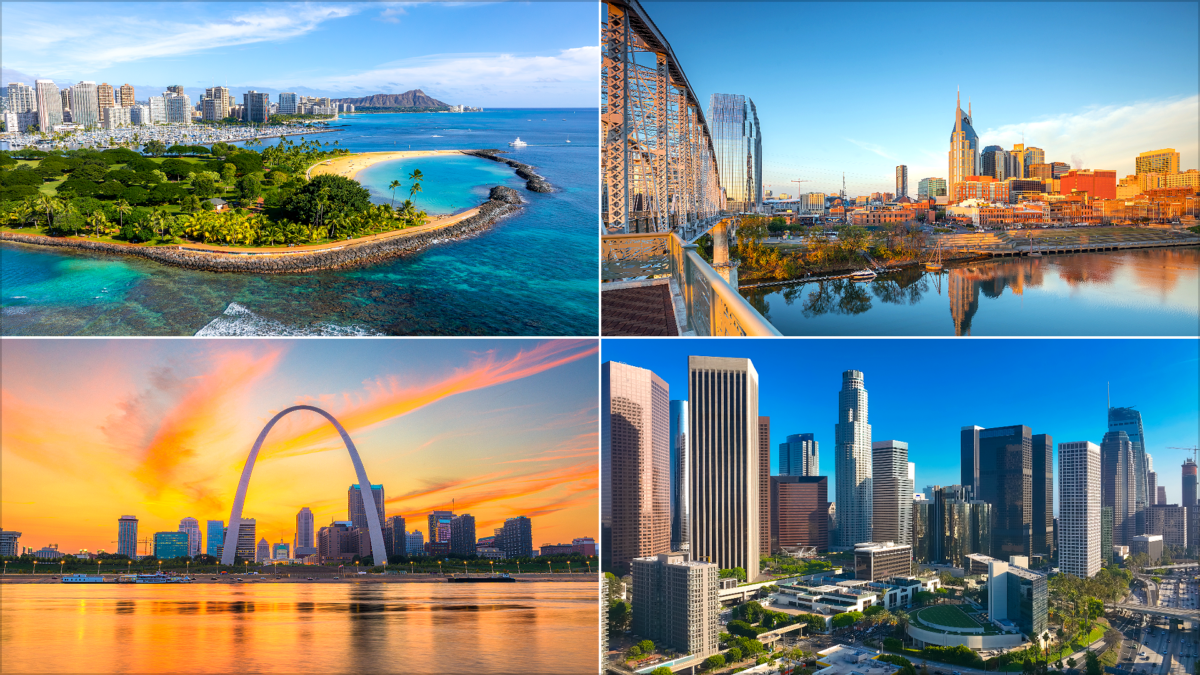
U.S. Cities That Used To Have Different Names: more common than you might think
City names have a habit of changing for the same reasons people change haircuts: fashion, politics, marketing, and the occasional desire to sound more impressive. The result is a surprisingly long list of U.S. cities that used to have different names, each with a story that says as much about American history as it does about the places themselves.
Some cities were renamed to honor leaders. Others wanted to shake off old baggage, attract settlers, or make life easier for postal workers and railroad agents. A few simply grew into new identities as they expanded. For travelers, these name changes are a fun reminder that the map is never quite as fixed as it looks.
Below are several well-known examples, plus why they matter if you like travel with a side of local context.
Quick guide to some U.S. cities with former names
| Current City | Former Name | Why the name changed |
|---|---|---|
| New York City | New Amsterdam | English control replaced Dutch rule |
| Los Angeles | El Pueblo de Nuestra Señora la Reina de los Ángeles | The name was shortened for practical use |
| St. Louis | Les Petites Côtes | French settlement names gave way to a new identity |
| Nashville | Fort Nashborough | The city evolved from a frontier fort |
| Honolulu | Several earlier spellings and local forms | Language and standardization shaped the modern name |
New York City: from New Amsterdam to the city that never seems to sleep
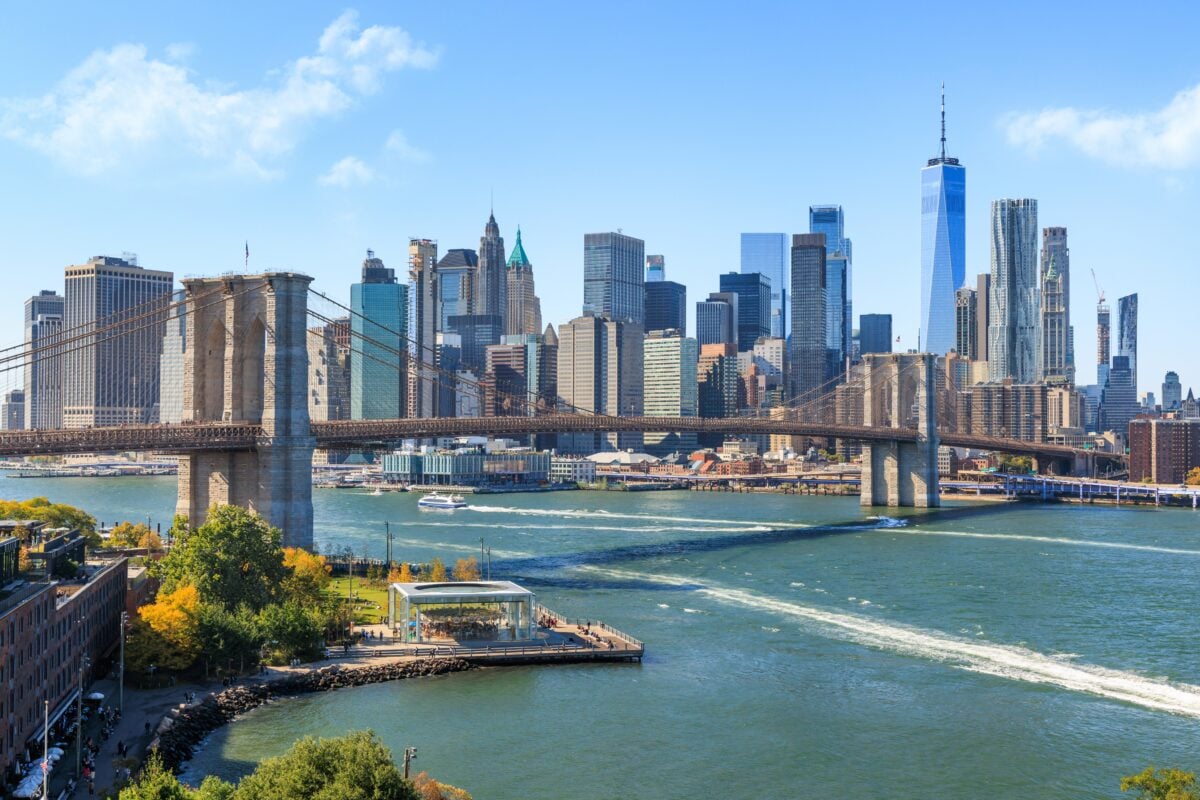
Few examples are as famous as New York City, which was once known as New Amsterdam under Dutch control. When the English took over, the name shifted to reflect the new rulers, and the rest is city history on a very large scale. The old Dutch name still pops up in books and museums, but the modern version fits the city’s restless energy a little better.
Why it is worth visiting: New York City is one of the world’s great urban destinations, with neighborhoods that feel like separate cities tucked into one sprawling whole. You can spend a morning in a museum, an afternoon on a ferry, and an evening eating something wildly overpriced and completely worth it.
What makes it unique: Its layered history is visible everywhere, from old street layouts to neighborhood names and surviving colonial references. The city’s past is not just in textbooks; it is woven into the daily rhythm of the place.
Best time to visit: Spring and fall are the easiest seasons for walking around, with milder weather and fewer extremes. Winter has its own appeal if you do not mind bundling up like a determined onion.
Helpful travel tips:
- Use the subway for long cross-town hops and save your feet for exploring on foot.
- Plan major sights by neighborhood to avoid wasting time in transit.
- If you like historical context, pair your visit with a stop at a museum or historic district rather than trying to piece it together from street corners alone.
Nearby experiences: Brooklyn’s waterfront, Ellis Island, and Lower Manhattan all add useful layers to the city’s historical story.
Practical traveler note
If you are interested in the city’s roots, the National Park Service pages for Ellis Island and the Statue of Liberty are a helpful starting point for understanding the immigration and harbor history that helped shape modern New York.
Los Angeles: from a long Spanish name to a simpler one
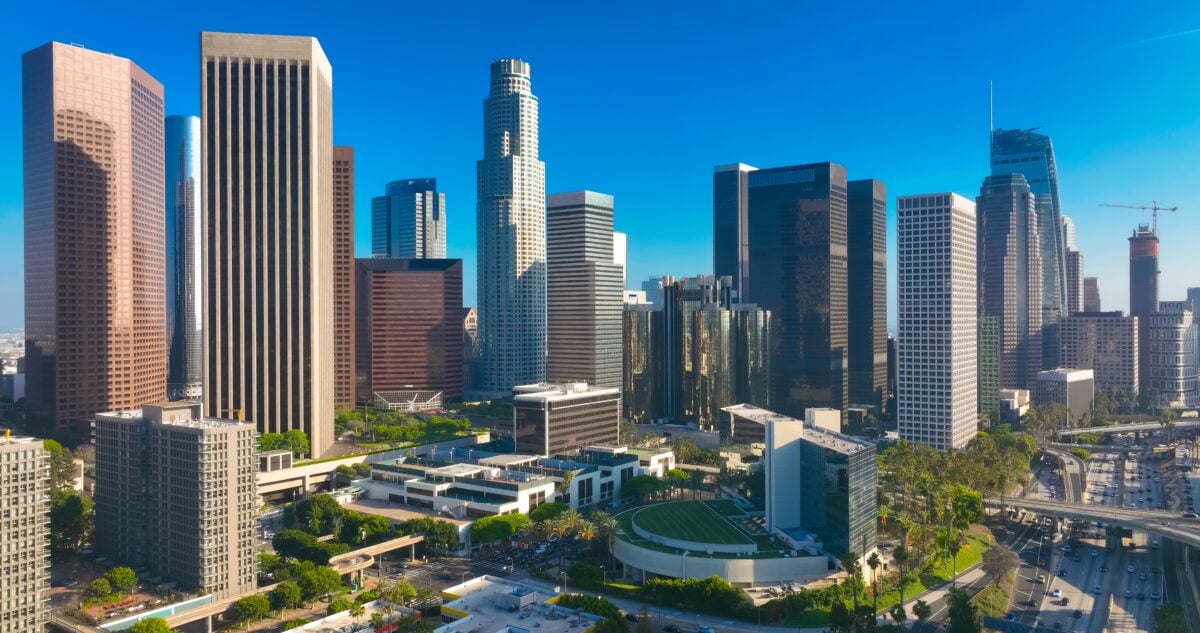
Los Angeles began with a mouthful of a name: El Pueblo de Nuestra Señora la Reina de los Ángeles. Over time, the city settled into the much shorter Los Angeles, which is easier to fit on signs, maps, and airplane announcements. The shorter version stuck, but the Spanish and Mexican heritage behind the original name remains part of the city’s identity.
Why it is worth visiting: Los Angeles gives travelers a mix of beach culture, hillside neighborhoods, art museums, historic districts, and a food scene that deserves far more attention than the traffic does. It is a city where one afternoon can move from grand old architecture to a taco stand without breaking a sweat.
What makes it unique: The city’s former name reflects its colonial-era origins, while the modern city reflects waves of migration, reinvention, and sprawl. It is one of the best places in the United States to see how language, culture, and geography overlap.
Best time to visit: Late spring and fall are often comfortable for sightseeing. Coastal areas stay milder than inland neighborhoods, so packing layers makes sense even when the forecast looks friendly.
Helpful travel tips:
- Do not underestimate distance. A place may look close on a map and still take a while to reach.
- Build your itinerary around clusters such as Downtown, the Westside, or Pasadena.
- Check museum and attraction hours ahead of time, especially if you are planning a history-focused day.
Nearby experiences: Olvera Street, Union Station, and Mission San Gabriel all help tell the story of the city’s earlier days.
St. Louis: a French beginning with a name that changed with the times
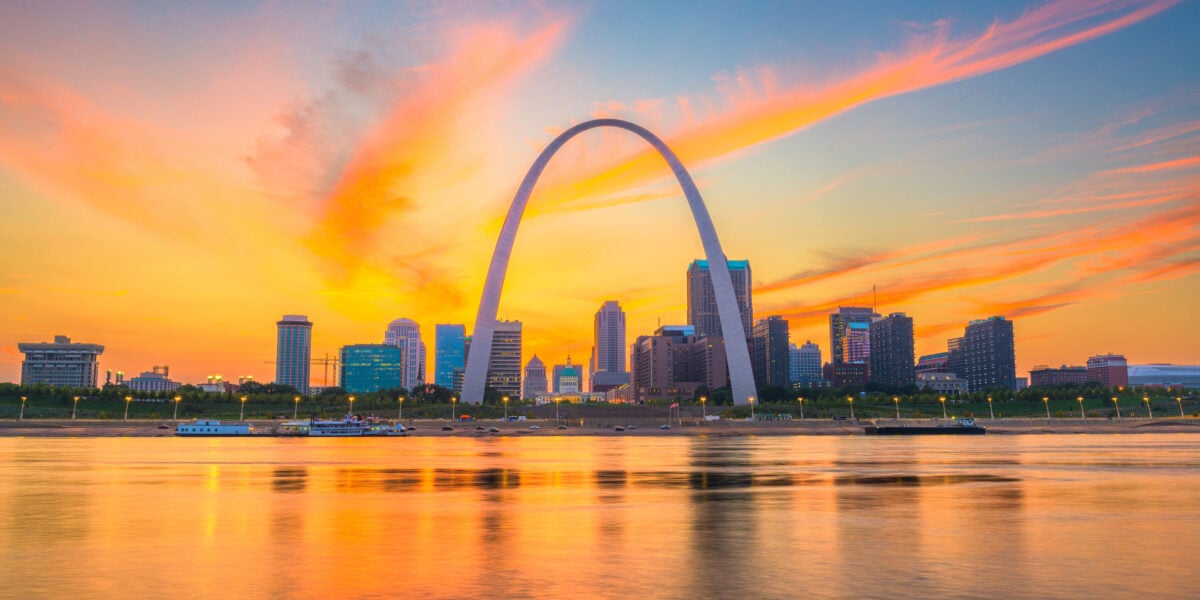
Before St. Louis became a major American river city, the area had French colonial roots and earlier settlement names, including Les Petites Côtes. The modern name honors King Louis IX of France, which gives the city a distinctly European echo even as the city developed its own identity along the Mississippi.
Why it is worth visiting: St. Louis is an easy city to appreciate if you like big civic landmarks, river history, and neighborhoods with a strong sense of place. The Gateway Arch may be the headline act, but the city has enough historic texture to keep the rest of the show interesting.
What makes it unique: Its name change reflects the shift from French colonial settlement to an American city with a frontier and river trade legacy. That older story still shows up in the city’s architecture, institutions, and place names.
Best time to visit: Spring and fall are usually the most comfortable seasons for walking the grounds around major attractions and exploring outdoor spaces.
Helpful travel tips:
- Give yourself enough time around the riverfront rather than rushing the Arch and leaving immediately.
- Explore a few neighborhoods instead of staying only in the downtown core.
- Look for museums or heritage sites that explain the city’s French and frontier past.
Nearby experiences: The Gateway Arch National Park, the Old Courthouse, and the historic Soulard neighborhood all help ground the city’s story.
For official planning details, the Gateway Arch National Park website is the best place to start.
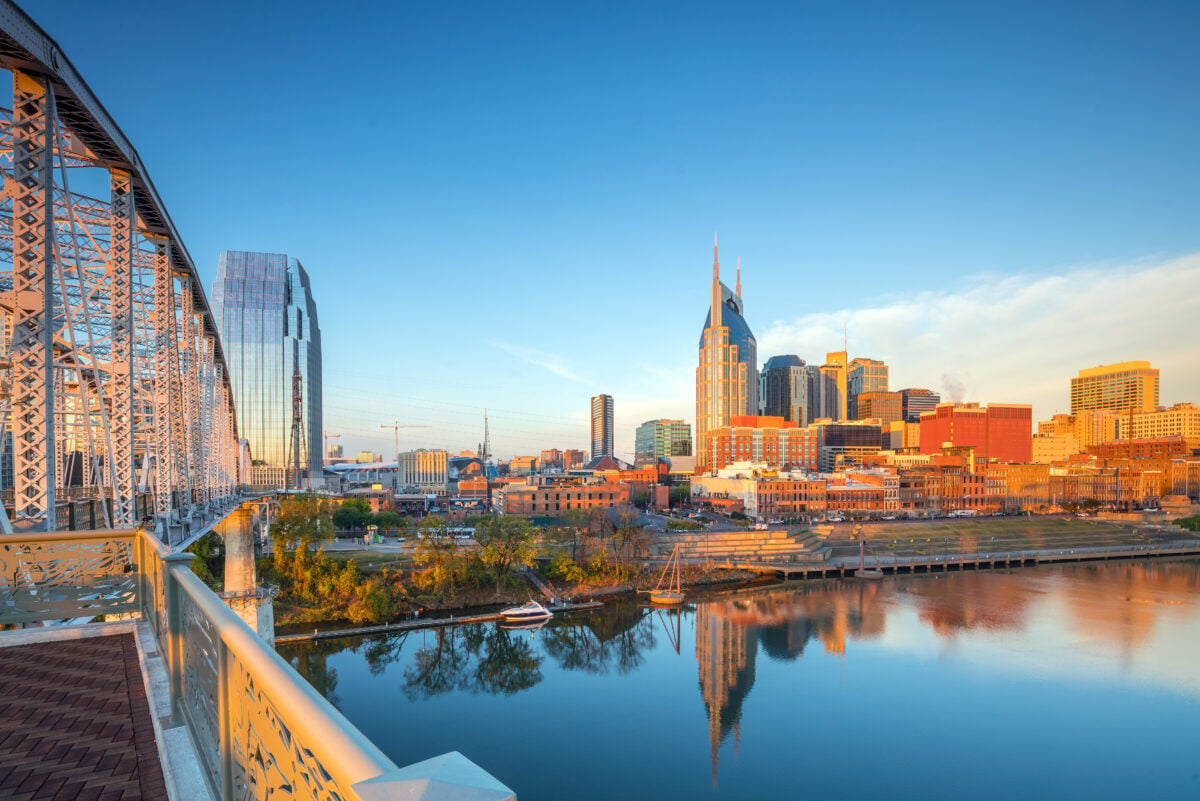
Nashville: from Fort Nashborough to a music capital
Nashville’s early name, Fort Nashborough, points to its frontier origins. As the settlement grew, the name evolved into Nashville, and the city gradually became far more famous for guitars, recording studios, and live music than for forts. The old name feels like a reminder that even music cities once began with mud, wood, and people trying to defend a settlement.
Why it is worth visiting: Nashville mixes history, music, food, and a lively downtown that is easy to explore. Beyond the honky-tonks, there are historic sites, museums, and neighborhoods that give the city more depth than the neon suggests.
What makes it unique: Nashville’s name change mirrors its transition from a frontier post to a cultural capital. It is one of those places where the old and new identities coexist without too much arguing, which is rarer than it should be.
Best time to visit: Spring and fall usually offer the most comfortable temperatures for walking and outdoor sightseeing. Summer can be lively but hot, so plan for breaks and plenty of water.
Helpful travel tips:
- Mix live-music spots with historical attractions so the city feels broader than one strip of bars.
- Book popular restaurants and museums ahead if your trip depends on them.
- If you enjoy history, add a few quieter neighborhoods to your itinerary for a better sense of place.
Nearby experiences: The Tennessee State Museum, Centennial Park, and historic homes around the city offer a more rounded visit.
Honolulu: a name shaped by language, pronunciation, and standardization
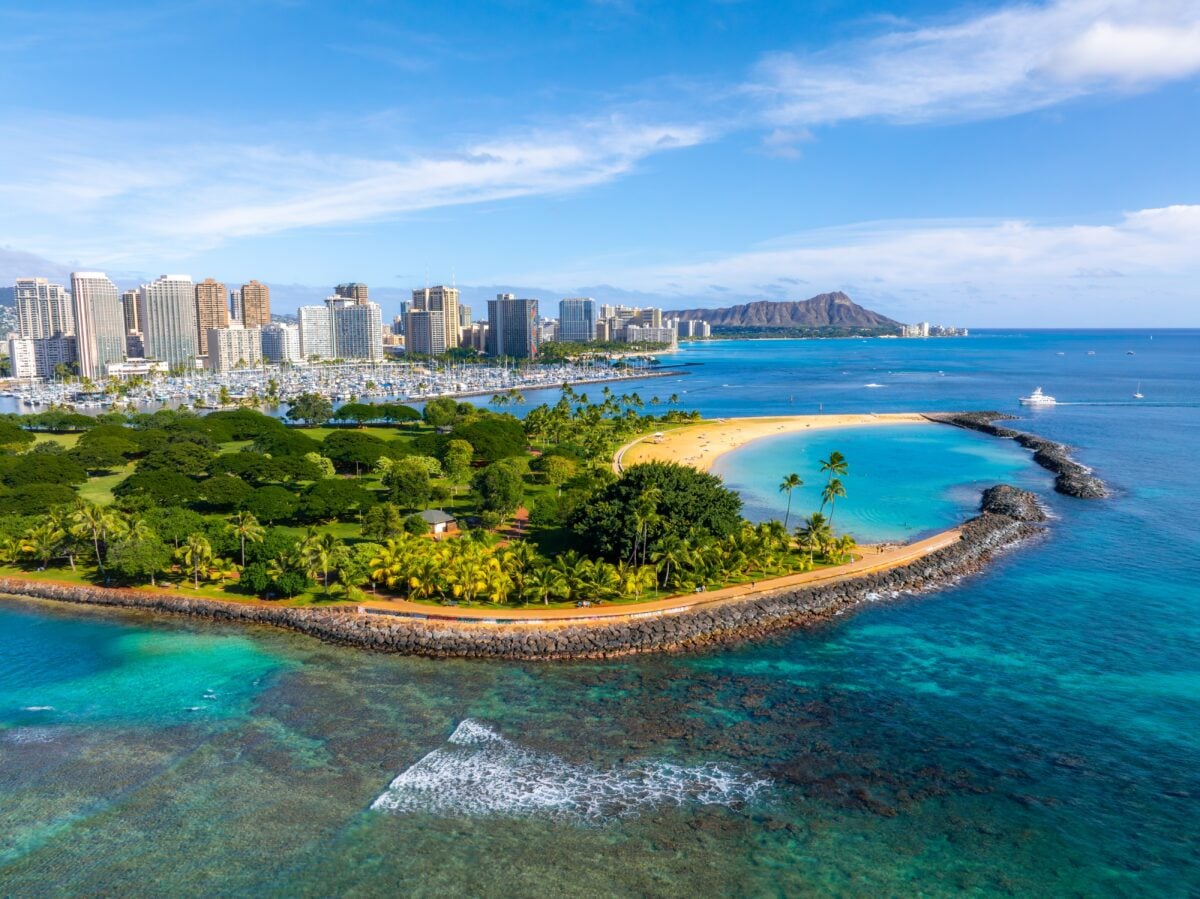
Honolulu is a good example of how city names can change without a dramatic takeover scene. The name has evolved through local usage, spelling conventions, and standardization over time. Unlike some American cities that were renamed in a single official move, Honolulu’s name history is more about language settling into a form that became widely accepted.
Why it is worth visiting: Honolulu combines urban convenience with island landscapes, which is part of its appeal. You can visit cultural sites, historic districts, and beaches without needing to choose just one version of the trip.
What makes it unique: Its name reflects Hawaiian language and place identity, and the city’s history is deeply tied to monarchy, trade, and later American administration. The modern name still carries local meaning, not just a label on a map.
Best time to visit: Honolulu is a year-round destination, but shoulder periods can be more comfortable for sightseeing and planning day trips. If your priorities are hiking and beach time, focus on calmer weather windows and book popular activities early.
Helpful travel tips:
- Mix city time with cultural stops so Honolulu does not become just a beach break.
- Learn a little about Hawaiian place names before you go. It makes the trip more interesting and shows basic respect for the local context.
- For outdoor adventures, start early to avoid crowds and make the most of cooler hours.
Nearby experiences: Pearl Harbor, Iolani Palace, and Diamond Head all add depth to a Honolulu itinerary.
Why city name changes matter to travelers
Old city names are not just trivia for pub quizzes. They often reveal who lived there, who controlled the land, what language shaped the place, and how a settlement wanted to present itself to the wider world. That makes U.S. cities that used to have different names especially interesting for travelers who like more than a photo stop and a souvenir magnet.
Knowing a city’s former name can also make a visit feel more layered. You start noticing colonial history, immigrant influence, local language, and political change in the streets rather than treating the city as if it appeared fully formed the moment you arrived.
What to look for on your next trip
- Historic districts that still reflect earlier settlement patterns
- Museums and heritage sites that explain the original name
- Street and neighborhood names that preserve older eras
- Tour guides or local exhibits that connect place names to migration and politics
A final travel thought
The best part of exploring U.S. cities that used to have different names is realizing that place names are never just labels. They are little pieces of history, sometimes obvious and sometimes tucked into the background like an old sign nobody bothered to take down. If you pay attention, they can tell you as much about a city as its skyline or landmark museum.
And honestly, that is one of the nicer parts of travel. You go looking for a place, and it turns out to have had a few personalities along the way.
