
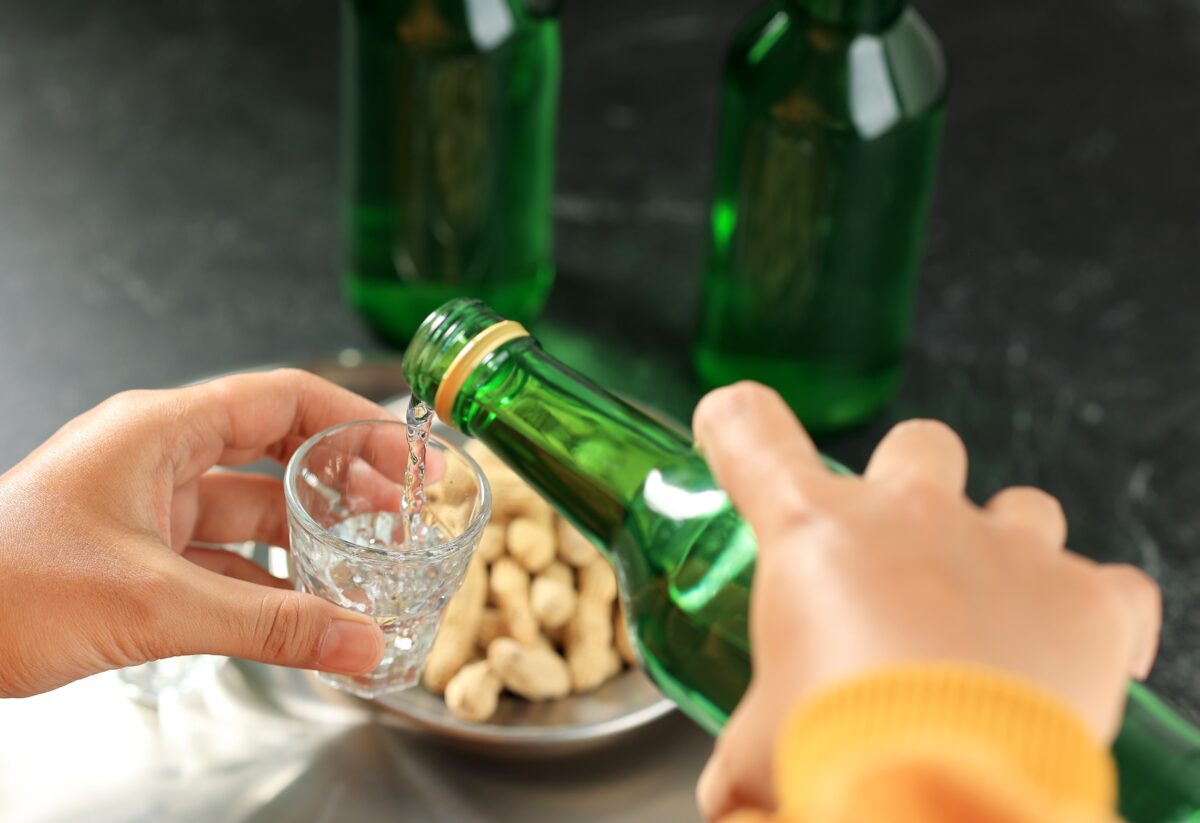
Drinking abroad can be one of the easiest ways to connect with local people, but it can also be a fast track to accidental rudeness if you assume every country plays by the same rules. In some places, the person pouring the drinks is expected to lead the toast. In others, pouring your own glass first is perfectly normal. And in a few, turning down a drink politely matters just as much as accepting it.
The good news is that you do not need to memorize every national custom on earth. A few simple habits will carry you a long way. That usually goes down well, even when the local drink is stronger than your common sense.
The 4 rules that matter most
| Rule | What to do | Why it helps |
|---|---|---|
| 1. Watch before you join in | Observe how others toast, pour, and sip | Locals often signal the correct order without saying it out loud |
| 2. Accept or decline politely | Respond clearly and graciously if offered a drink | A respectful refusal is usually better than an awkward half-yes |
| 3. Match the pace of the group | Drink at a speed that fits the setting | Some cultures treat drinking as social bonding, not a race |
| 4. Respect the setting and the people | Mind dress, tone, and behavior | Good manners matter as much as the drink itself |
1. Watch before you join in
The simplest rule of all is also the most useful: pause and observe. Drinking customs are often tied to local hospitality, hierarchy, religion, or plain old habit. If everyone waits for the eldest person to toast first, or if glasses are raised in a certain order, copying the group is safer than guessing.
This is especially helpful when you are invited into someone’s home or a small local bar where the social rules are more important than the menu. A quick look around tells you a lot:
- Who pours first
- Whether people toast before sipping
- Whether everyone keeps eye contact during a toast
- Whether drinks are shared, topped up, or left alone
If you are unsure, ask a simple question. Most people appreciate the effort far more than a clumsy imitation. And if nobody expects a formal ritual, you will still come across as thoughtful rather than overeager.
Why this rule matters
In many cultures, drinking is about relationship-building as much as refreshment. A rushed or careless approach can feel impolite, even if that is not your intention. Watching first gives you context, which is usually the difference between fitting in and becoming a story people tell later for the wrong reasons.
2. Accept or decline politely
In some places, a drink offer is a genuine sign of welcome. In others, it may be a social courtesy that is expected to be declined once or twice before being accepted. The exact ritual varies, but the core idea stays the same: be polite, clear, and not weirdly dramatic about it.
If you do want the drink, accept it with a smile and a simple thank you. If you do not drink alcohol, are driving, or just do not feel like it, a brief and respectful refusal is enough. You do not need a speech, and you definitely do not need to justify your life choices to the whole table.
- Keep refusals short and friendly
- Offer a simple reason if needed
- Do not mock the drink or the tradition
- Be aware that repeated offering may be part of hospitality
In some social settings, especially where hospitality is central, refusing too abruptly can be taken as dismissive. A little warmth goes a long way. If you are offered a non-alcoholic option, accepting that can be a good way to stay included without forcing anything.
3. Match the pace of the group
One of the easiest ways to misread a drinking culture is to treat it like your own. Some places are relaxed and conversational, with drinks lingering over long meals. Others have a faster rhythm, where toasts arrive in sequence and the glass is expected to stay in play. Neither approach is better. They are just different.
The smart move is to match the energy of the people around you. If everyone is sipping slowly and talking between rounds, do not gulp yours down and ask for another. If the group is moving briskly through toasts, do not sit there nursing one drink for an hour while everyone waits for you to catch up.
Helpful pacing tips
- Keep an eye on local drinking speed
- Notice whether food is part of the ritual
- Do not feel pressured to overdrink
- Know your own limits before the first round arrives
This rule is partly about etiquette and partly about staying in control. You will enjoy the experience more if you are alert enough to notice the details, remember the conversation, and find your way home without needing a heroic amount of water and regret.
4. Respect the setting and the people
Context changes everything. A quiet family meal, a business dinner, a village celebration, and a loud nightlife district each have different expectations. What feels relaxed in one place may look sloppy in another. That means your behavior matters as much as your drink choice.
Simple respect usually covers most situations:
- Dress appropriately for the venue or event
- Keep your voice and gestures in check
- Do not assume everyone wants to be loud or festive
- Avoid treating local customs like a performance for your benefit
It also helps to remember that alcohol is not always the point. In some cultures, the ritual around the drink carries more meaning than the drink itself. In others, offering alcohol may be connected to social bonding, celebration, or even a specific sequence of respect. Paying attention to that context shows maturity, and it usually earns better company.
Quick guide to common drinking situations
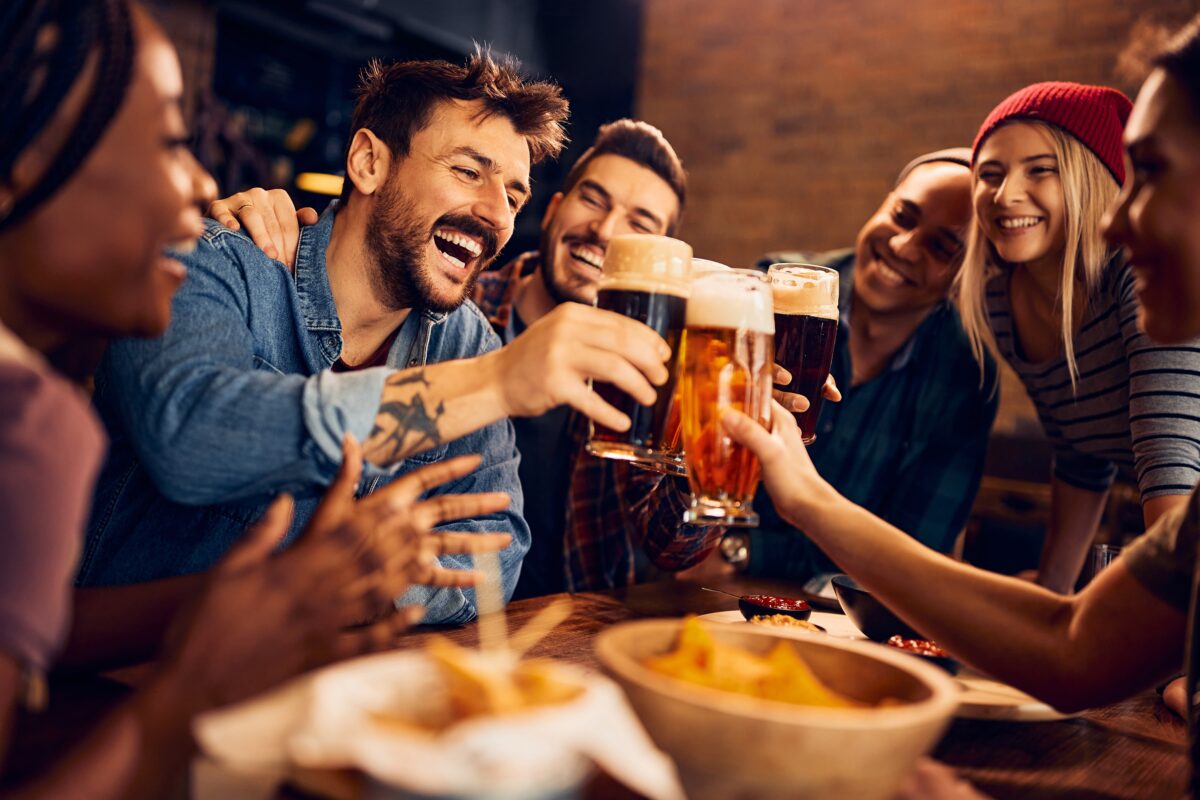
Different travel settings call for different levels of caution. This quick guide can help you read the room without turning every invitation into a research project.
| Situation | Best approach | What to avoid |
|---|---|---|
| At a local home | Wait for cues, accept hospitality graciously | Starting before the host or refusing coldly |
| At a formal dinner | Follow the host’s lead and toast if others do | Speaking over the host or drinking too quickly |
| At a casual bar | Blend in, keep your manners, stay aware | Assuming casual means careless |
| At a festival or celebration | Observe traditions and pace yourself | Treating the event like a free-for-all |
How to avoid the most common mistakes
If you only remember a few things, make them these. They will prevent most awkward moments and keep you on friendly terms with your hosts.
- Do not pour before you understand who should pour
- Do not assume a toast works the same everywhere
- Do not pressure others to drink
- Do not over-explain a polite refusal
- Do not confuse familiarity with permission
A good travel rule is simple: if you are uncertain, slow down and follow the local lead. People are usually forgiving when they can see you are making an effort. What they remember most is whether you were respectful, attentive, and comfortable enough in your own skin to not turn every sip into a scene.
Final thoughts for travelers
The best 4 Rules for Drinking Etiquette in Other Cultures are really about awareness. Watch first, respond politely, match the pace, and respect the setting. That combination works in a surprising number of places, from family tables to festive nights out.
Travel gets a lot easier when you stop trying to impose your own habits everywhere. Drinking customs may differ, but good manners travel well. And unlike most souvenir glassware, they do not take up any space in your bag.
