
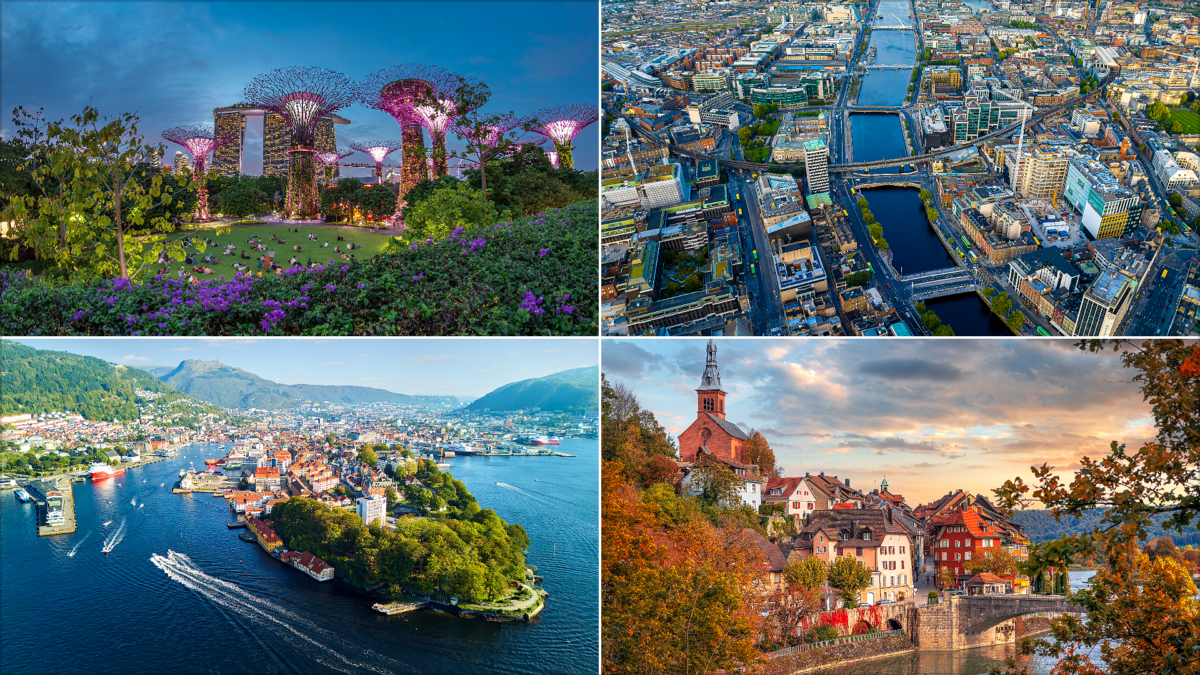
Wealthiest Countries in the World: What Travelers Actually Notice
When people search for the Wealthiest Countries in the World, they are usually thinking about money, rankings, and the sort of place where a train runs on time and the airport looks suspiciously calm. For travelers, though, national wealth is about more than numbers on a chart. It often shows up in smoother transport, cleaner cities, excellent museums, polished infrastructure, and the slightly painful realization that a simple sandwich can cost a small fortune.
This article looks at the wealthiest countries in the world through a travel lens. That means less economic jargon, more practical insight. If you are deciding where to go next, or simply curious about what wealth looks like on the ground, these countries are useful examples of how prosperity can shape a trip.
What Makes a Country Wealthy?
There is no single perfect way to measure wealth. Some rankings focus on total economic output, while others look at income per person. For travelers, the exact formula matters less than the visible results. Wealth often means better roads, efficient public transit, well-kept public spaces, and a strong range of hotels, restaurants, and cultural sites.
That said, wealth does not automatically equal a better holiday. Some of the world’s wealthiest countries are small, quiet, and very orderly. Others are major hubs with big-city energy. The fun is in the contrast.
A Quick Look at the Wealthiest Countries in the World
The table below gives a simple travel-friendly view of several countries that are commonly counted among the world’s wealthiest by income or economic strength. The goal here is not to rank them in a rigid, all-purpose order, but to show how wealth often translates into the visitor experience.
| Country | Why Travelers Notice It | Best Time to Visit |
|---|---|---|
| Luxembourg | Compact cities, tidy public spaces, easy cross-border trips | Late spring to early autumn |
| Switzerland | Reliable transport, mountain scenery, lakes, and precise everything | June to September, or winter for snow sports |
| Norway | Fjords, outdoor travel, strong public services, dramatic landscapes | May to September |
| Ireland | Friendly cities, coastal drives, castles, and lively pubs | Late spring to early autumn |
| Singapore | Hyper-efficient transport, food courts, gardens, and easy city exploring | February to April |
| Qatar | Modern architecture, desert excursions, upscale hotels, and major aviation links | November to March |
Luxembourg: Small Country, Serious Comfort
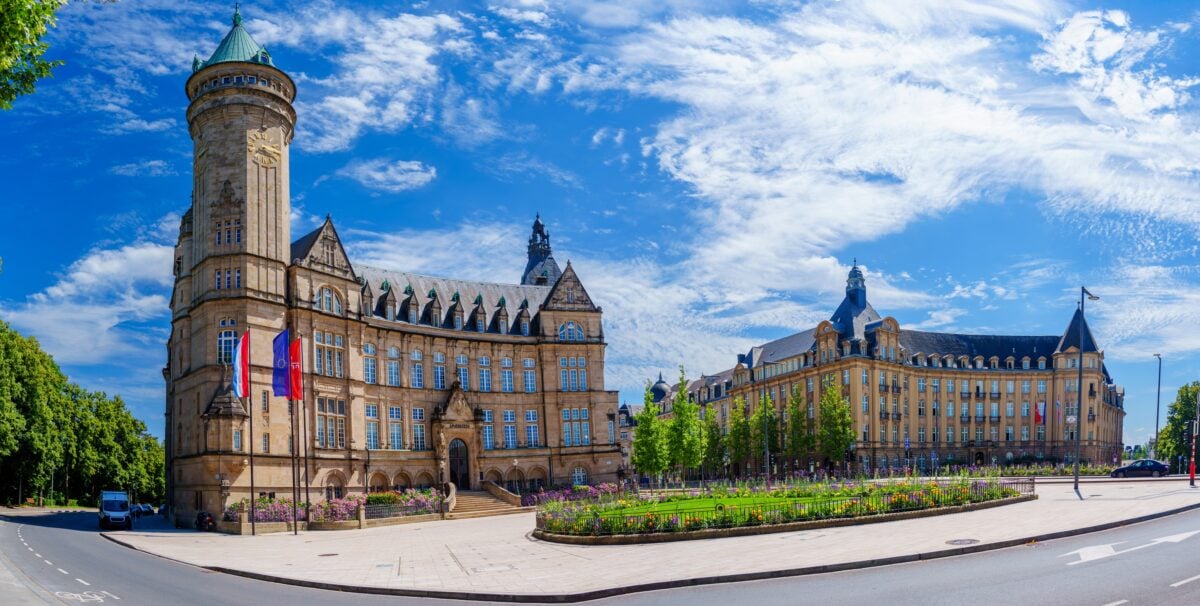
Luxembourg is one of those places that can make a traveler rethink scale. It is small enough to feel manageable, but polished enough to leave an impression. The old quarters in Luxembourg City, along with the fortified walls and river views, make it a rewarding stop even on a short trip.
Why it is worth visiting: Luxembourg offers a calm, compact city break with easy access to countryside, castles, and neighboring countries. It is also a clever base for travelers who want to hop into Belgium, France, or Germany without much fuss.
What makes it unique: The mix of high-income stability and easy regional travel is a big part of the appeal. Public transport is notably convenient, and the country has a polished, understated feel that many travelers appreciate once they settle into it.
Best time to visit: Late spring through early autumn is a good balance of comfortable weather and long daylight hours. Winter is quieter and can be charming too, especially if you prefer fewer crowds.
Helpful travel tips:
- Use Luxembourg City as a base and take day trips into the Ardennes or wine regions.
- Wear comfortable shoes because the city has plenty of slopes and steps.
- Cross-border travel is easy, so plan beyond one country if you have time.
Nearby experiences: Vianden Castle, the Moselle Valley wine route, and quick rail links to nearby capitals make this a surprisingly versatile destination.
Switzerland: Wealth, Watches, and Very Good Trains
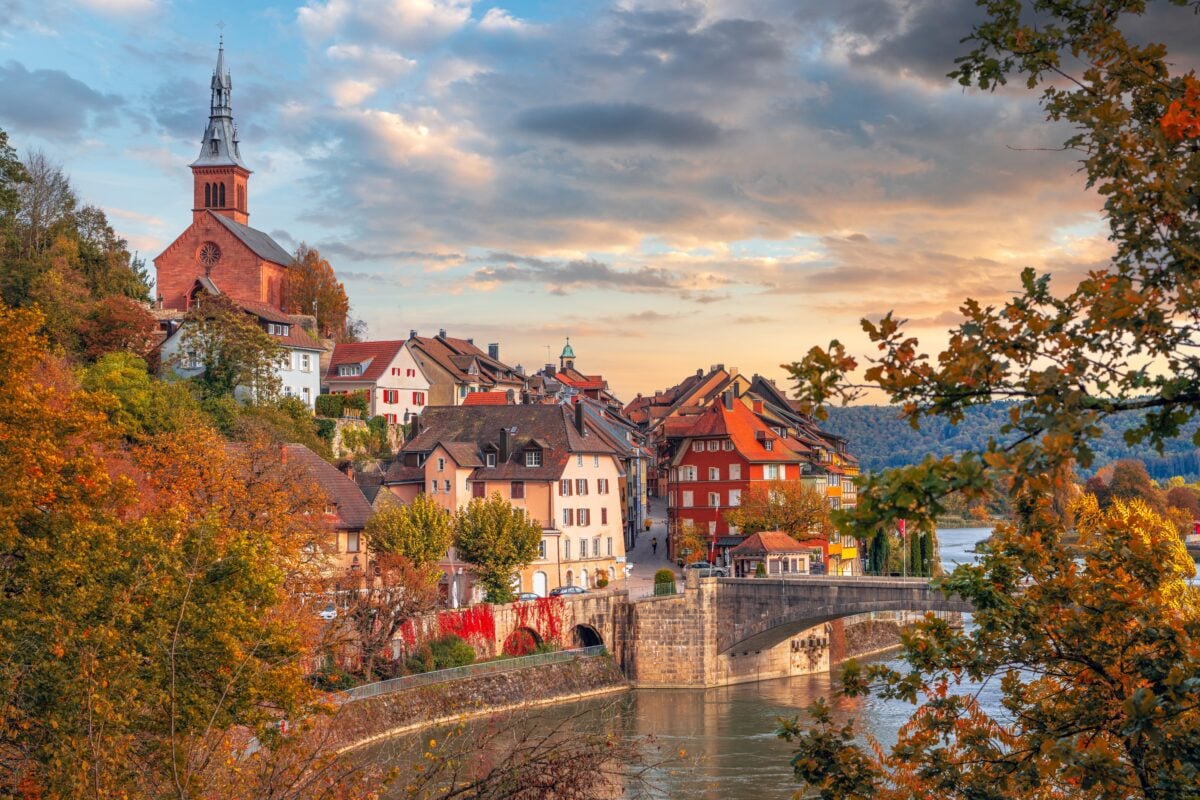
Switzerland is nearly impossible to discuss without mentioning efficiency. The transport system works so well it can make visitors feel a little underachieving by comparison. Add in mountain scenery, lake towns, and cities like Zurich, Geneva, and Lucerne, and you have a destination that blends prosperity with serious visual appeal.
Why it is worth visiting: Switzerland is one of the best places in Europe for scenic train journeys, alpine adventures, and pristine lakeside towns. It suits travelers who like their holidays organized, scenic, and a touch expensive.
What makes it unique: Its wealth is visible in the quality of public services, the standard of public spaces, and the ease of moving around. It is also a place where a mountain cable car can feel as polished as a city hotel lobby.
Best time to visit: Summer is ideal for hiking, lake cruises, and mountain towns, while winter is the obvious choice for skiing and snowy scenery. Shoulder seasons can be excellent if you want fewer crowds.
Helpful travel tips:
- Book transport passes if you plan to travel widely, as rail travel is a big part of the Swiss experience.
- Budget carefully. Switzerland is famous for scenery, and it is also famous for prices.
- Mix cities with smaller towns to get the full experience.
Nearby experiences: The Jungfrau region, Lake Geneva, and the scenic routes between Interlaken, Zermatt, and Lucerne are classic choices.
Norway: Wealth Meets Wild Nature
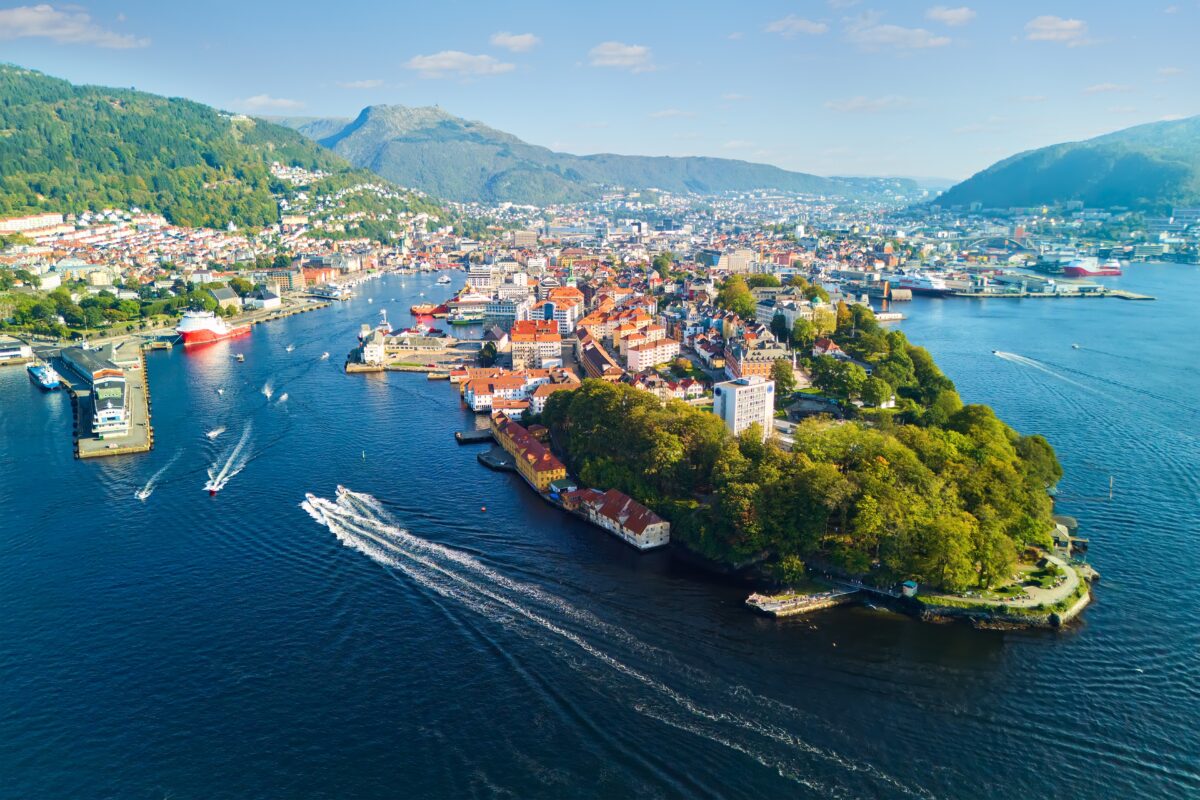
Norway shows that wealth does not have to mean glossy skyscrapers and endless shopping districts. Here, prosperity often appears alongside open space, thoughtful planning, and a strong emphasis on public life. For travelers, that means easy access to some of Europe’s most dramatic landscapes, from fjords to mountain roads to Arctic scenery.
Why it is worth visiting: Norway is ideal for travelers who want landscapes that do most of the talking. Fjord cruises, scenic drives, and outdoor adventures are the main draw, with Oslo and Bergen adding urban balance.
What makes it unique: Norway’s wealth supports a high standard of living and reliable infrastructure, but the country still feels connected to nature in a way that is hard to fake. The result is a rare mix of comfort and wilderness.
Best time to visit: May through September is usually best for road trips, hiking, and fjord travel. Winter is excellent for northern lights seekers and snow-based activities, though conditions vary by region.
Helpful travel tips:
- Plan for higher prices in cities and tourist areas.
- Use domestic ferries and scenic routes to break up long journeys.
- Pack layers, even in warmer months, because the weather enjoys keeping people humble.
Nearby experiences: The fjords around Bergen, the Lofoten Islands, and day trips from Oslo into surrounding nature are all excellent choices.
Ireland: Wealth With a Warm Welcome
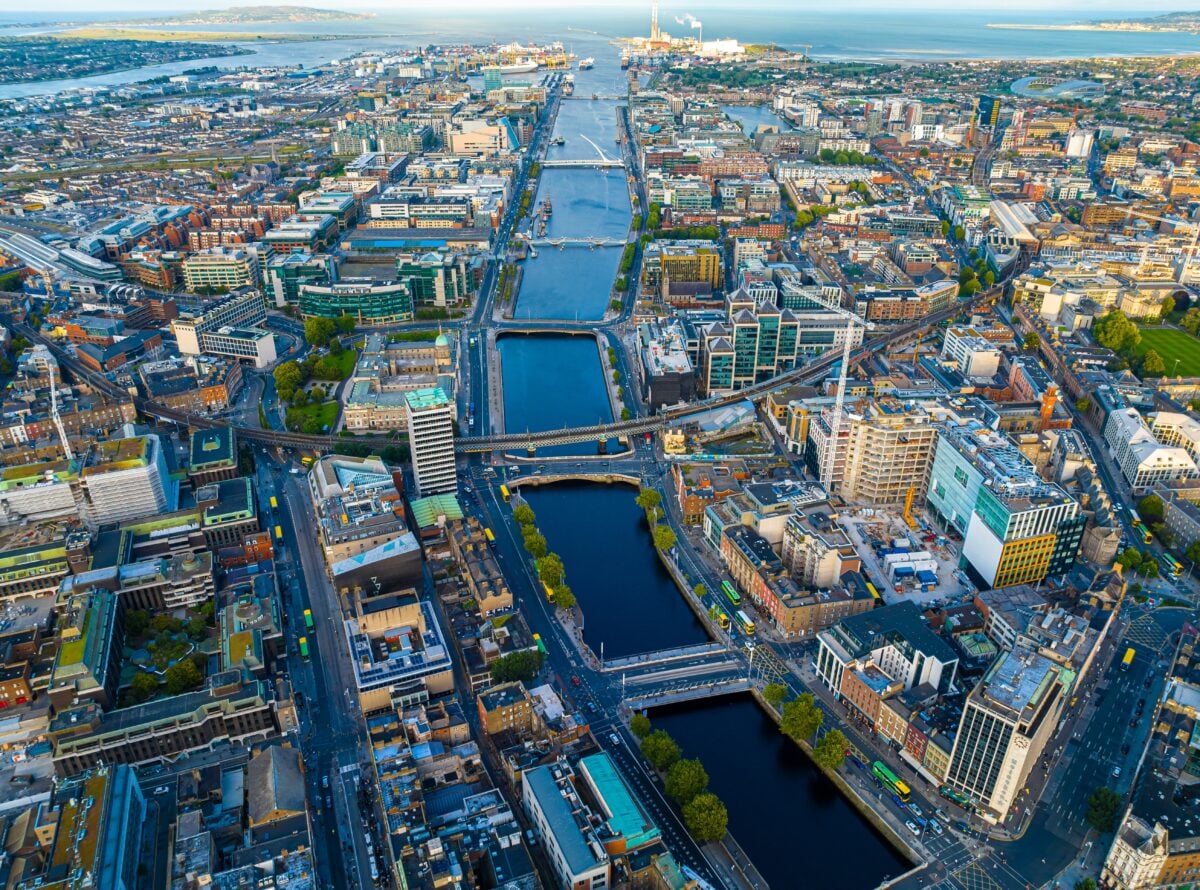
Ireland often feels less flashy than some other wealthy countries, which is part of its charm. The cities are lively, the countryside is easy to love, and there is a welcome sense that travel here should include a long chat, a good meal, and maybe a detour or two. Visitors often come for the atmosphere as much as the attractions.
Why it is worth visiting: Ireland offers a mix of city culture, rural scenery, castles, coastline, and pub life that remains hard to beat. It is a strong choice for road trips and slower-paced travel.
What makes it unique: Ireland’s prosperity is often reflected in its urban development and transport links, but its real appeal is the balance between modern life and easy access to old landscapes and historic sites.
Best time to visit: Late spring through early autumn usually brings the most comfortable weather for outdoor exploring. If you do not mind cooler temperatures, the quieter months can still be rewarding.
Helpful travel tips:
- Give yourself time on the road, especially if you want to explore outside the cities.
- Expect weather changes and pack accordingly.
- Combine Dublin or Galway with coastal drives for a fuller trip.
Nearby experiences: The Cliffs of Moher, the Ring of Kerry, and historic sites like Newgrange make for memorable add-ons.
Singapore: A Wealthy City-State That Runs Like Clockwork
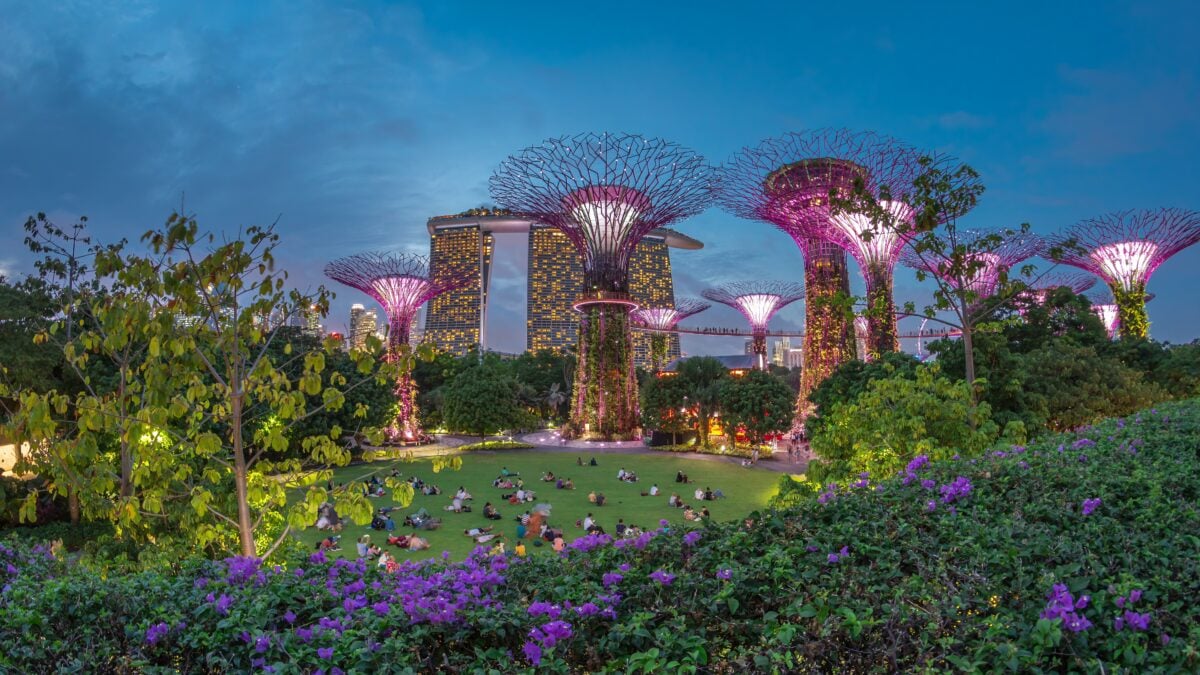
Singapore is one of the most impressive city travel experiences in the world because it is both efficient and easy to enjoy. It is a place where public transport works beautifully, food is a genuine event, and neighborhoods feel distinct without being hard to navigate. For a compact destination, it packs in a lot.
Why it is worth visiting: Singapore is a smart stop for food lovers, architecture fans, and travelers who like stress-free urban exploring. It works well as a short break or as part of a longer Southeast Asia itinerary.
What makes it unique: Wealth in Singapore is visible in the city planning, transport network, and public spaces, but the real delight is how walkable and convenient the whole place feels. It manages to be polished without feeling sterile, which is no small feat.
Best time to visit: Singapore is a year-round destination, but February to April is often a comfortable window for sightseeing. The tropical climate means rain can appear without much warning, so flexibility helps.
Helpful travel tips:
- Use the MRT for fast, affordable movement across the city.
- Plan meals around hawker centres, which are a huge part of the local experience.
- Balance big attractions with quieter districts like Tiong Bahru or Joo Chiat.
Nearby experiences: Marina Bay, Gardens by the Bay, Sentosa, and the Singapore Botanic Gardens are obvious highlights, but the real fun often lies in wandering the city’s neighborhoods.
Qatar: Modern Wealth in the Desert
Qatar is a striking example of how wealth can shape a destination in very visible ways. Doha has grown into a major hub for architecture, luxury hotels, shopping, and culture, while the desert beyond the city adds a completely different atmosphere. It is a place where polished city life and open desert can sit surprisingly close together.
Why it is worth visiting: Qatar appeals to travelers interested in modern design, major aviation connections, desert experiences, and a growing cultural scene. It also works well for stopovers if you want to make a transit feel more like a real trip.
What makes it unique: The country’s wealth is visible in infrastructure, new developments, and hospitality standards. What makes Qatar stand out is how quickly it has shaped a strong travel identity around contemporary architecture and curated visitor experiences.
Best time to visit: November to March is the most comfortable period for outdoor sightseeing and desert excursions. The warmer months can be intense, so timing matters here more than in some other destinations.
Helpful travel tips:
- Focus on a mix of city sights and desert experiences if you want variety.
- Dress respectfully and check local customs before visiting religious or public spaces.
- Use Doha’s transport and hotel infrastructure to keep short trips efficient.
Nearby experiences: The Museum of Islamic Art, Souq Waqif, the Doha Corniche, and desert trips beyond the city are excellent additions to a visit.
How Wealth Affects the Travel Experience
Travelers often assume the wealthiest countries in the world are all expensive and polished in the same way. In reality, the experience varies quite a bit. Wealth can mean excellent roads and reliable trains, but it can also mean a strong museum scene, safer-feeling cities, clean public spaces, and easy access to nature.
It can also mean higher prices, so budget travelers should not expect miracles. The upside is that many wealthy countries make independent travel easier. Things tend to run smoothly, and that can save time, which is its own kind of luxury.
What to look for as a traveler
- Transport: Efficient rail, metro, and airport connections make city-hopping much easier.
- Public spaces: Wealthier countries often invest in parks, waterfronts, and pedestrian areas.
- Culture: Museums, galleries, and heritage sites are often well maintained and easy to access.
- Food: High-income countries tend to have broad dining choices, from quick bites to high-end restaurants.
Tips for Visiting Wealthy Countries on a Sensible Budget
You do not need a royal trust fund to enjoy the wealthiest countries in the world. You do, however, need a plan. A little strategy goes a long way, especially in places where prices can climb faster than a mountain tram.
- Travel in shoulder seasons when hotel prices and crowds are often more manageable.
- Use public transport instead of taxis whenever the system is good, which it usually is in these countries.
- Look for lunch specials, bakeries, and markets rather than relying only on dinner restaurants.
- Choose one or two major experiences and build the rest of your itinerary around them.
- Consider smaller cities or regional bases, which are often cheaper and less hectic than the main hubs.
The Bottom Line for Curious Travelers
The Wealthiest Countries in the World are worth paying attention to because wealth often shapes the traveler experience in practical, noticeable ways. It can mean smoother journeys, stronger infrastructure, and more comfortable cities, but it also tends to bring higher costs and a few luxury-level realities, like a cappuccino that asks for commitment.
If you are planning a trip, think of wealth as one clue rather than the whole story. The best destinations combine prosperity with personality. That is where travel gets interesting.
