
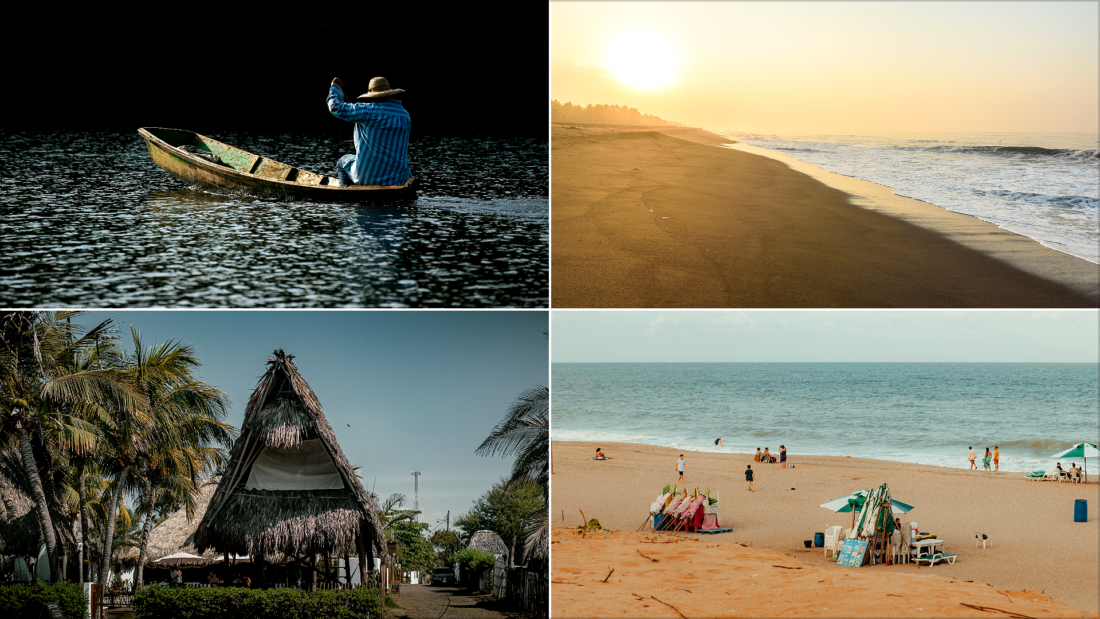
Guatemala is not a beach destination in the traditional sense, but it does have two distinct coastlines worth knowing about. The Pacific coast runs long and is covered in black volcanic sand, shaped by the country’s 37 volcanoes. The Caribbean coast is small but delivers the white sand and turquoise water most people picture when they think of a tropical beach. Neither coast competes with Mexico or Belize, but both offer experiences you won’t find elsewhere.
Interest in Guatemala travel has been climbing steadily, with peak search interest hitting around November, January, and February, so it’s clearly on more radars than it used to be.
Quick Answer: Guatemala Beach Essentials
- Pacific coast: Black volcanic sand, strong currents, good surfing. Best beaches are El Paredon and Sipacate.
- Caribbean coast: White coral sand, turquoise water, culturally rich. Best beach is Playa Blanca near Livingston.
- Best time to visit: November to April (dry season) for the Pacific. Spring for the Caribbean.
- Temperatures: 20C to 37C year-round on the Pacific coast.
- Swimming safety: Currents are strong on the Pacific. Monterrico’s ocean is not safe for most swimmers.
- Getting there: The Caribbean coast takes time to reach from Antigua or Guatemala City.
Pacific Coast Beaches: What You Need to Know
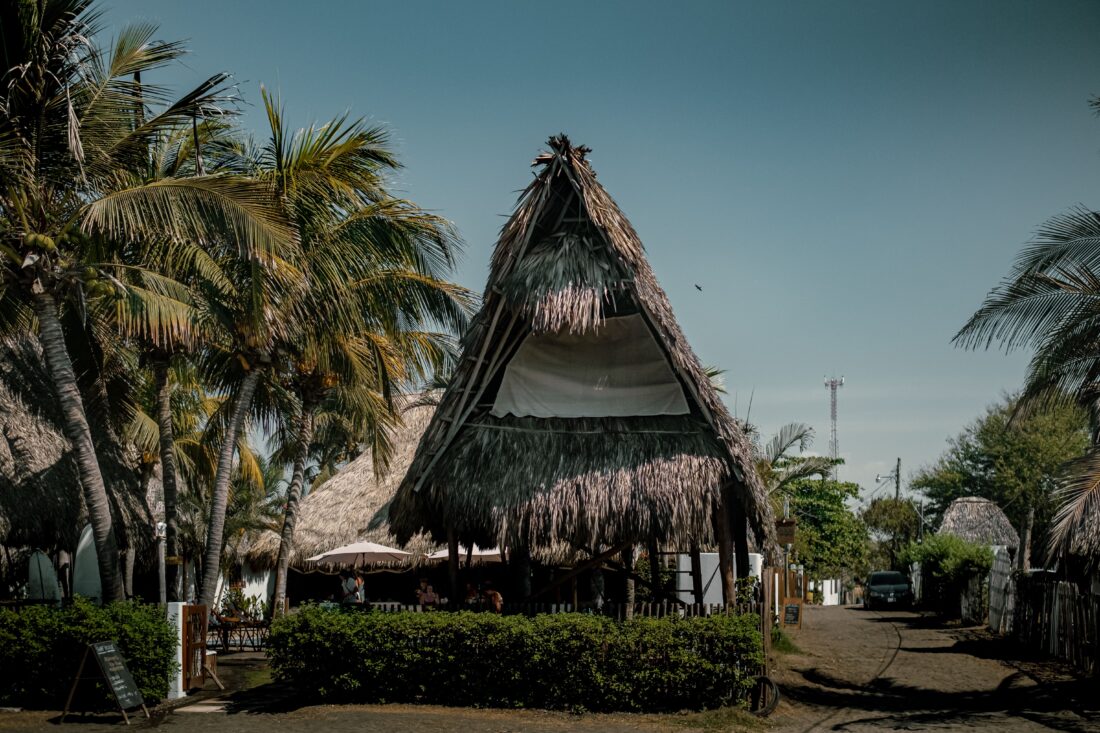
The Pacific coast is officially called La Costa Sur (the Southern Coast). All the sand here is black, a direct result of the volcanic geology, and Guatemala is home to 37 volcanoes. It is hot all year, with temperatures between 20C and 37C, though rain can fall at any time. For context, even Guatemala City was sitting at 74°F with light rain and 69% humidity when we last checked (as of April 2026), so you can imagine the coast cranks the heat up a notch.
El Paredon – Best for Surfers
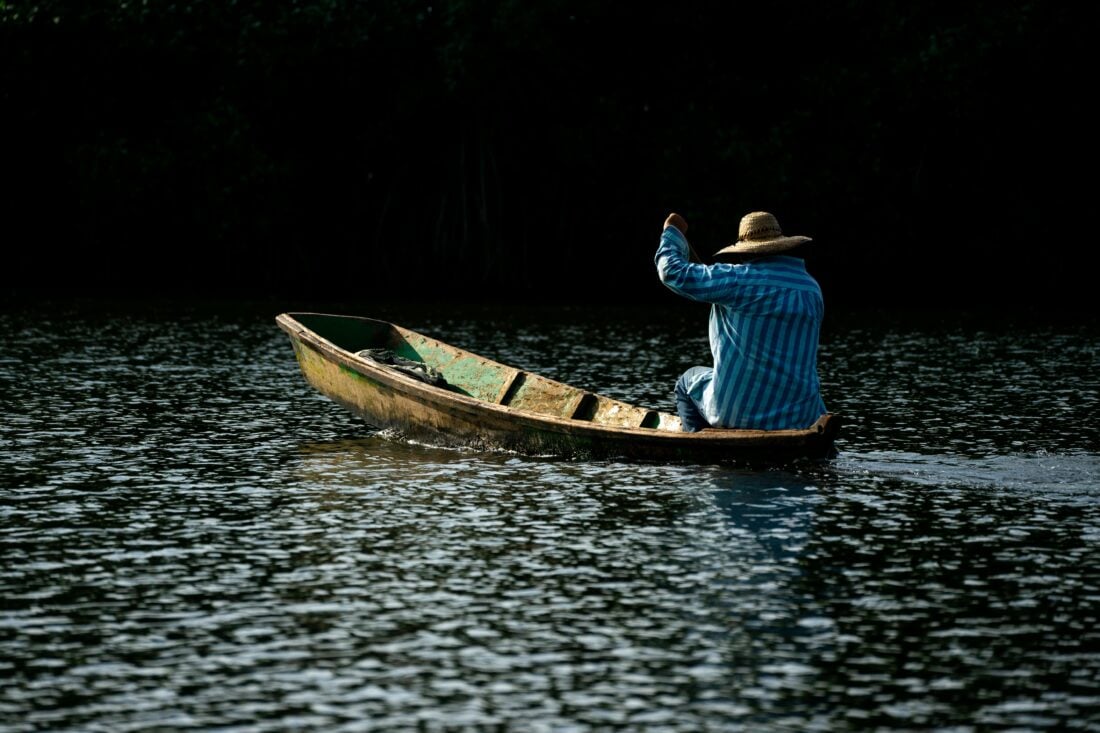
El Paredon is the top pick on the Pacific coast. It has strong rip currents that attract surfers, and several surf schools operate here. The town has grown popular with younger travellers and backpackers. Infrastructure is limited, you won’t find a resort strip, but accommodation ranges from budget hostels to luxury villas. You can reach El Paredon by tourist bus from Antigua for around 120Q.
El Paredon is generally considered the better option compared to Monterrico for a beach stay.
Monterrico – Sea Turtles but Dangerous Water
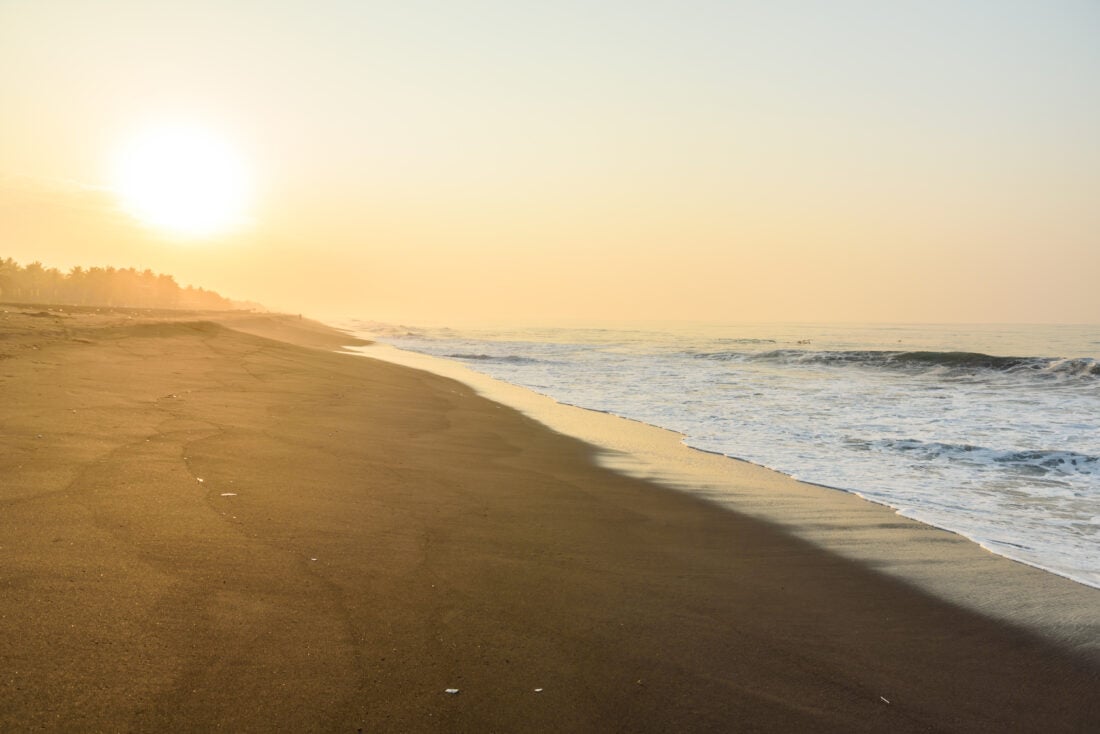
Monterrico is the most visited black-sand beach on the Pacific coast and Guatemala’s most important sea turtle nesting site. Guided baby turtle release tours run here, and sunset bird watching is popular. The Biotopo Monterrico-Hawaii coastal nature reserve sits nearby, covering mangroves and sandy dunes.
The ocean at Monterrico is dangerous. Currents are strong enough that swimming is not recommended for most visitors, and even surfers should be cautious. The town itself is a single main road with hotels and a handful of restaurants. Waste management is a known issue, honestly. If you stay, the Dos Mundos Pacific Resort is the recommended upscale option.
Sipacate – Swimming Allowed
Sipacate sits near El Paredon but is harder to reach. You need to travel through Escuintla and Squinala because a river blocks direct access. The payoff is that swimming is possible here. Luxury lodges are available, including Pacific Pearl Lodge, which is set up for enjoying the beach and sunsets from a private balcony. Mar Maya offers basic bungalows directly on the beach for budget travellers.
Puerto San Jose – Sport Fishing Only
Puerto San Jose is the closest Pacific beach to Guatemala City and Antigua. It is primarily a sport fishing destination, with whale and dolphin watching tours also available. It holds little appeal for general beach visitors.
Other Pacific Beaches Worth a Mention
- Playa Las Lisas: Remote and quiet. Best accessed by staying at a beach hotel or using Uber to get there.
- Playa Tilapa: Lesser known and difficult to reach. Rustic accommodation available.
- Champerico: Known for an old rusty pier. More of a working port than a beach destination.
- Puerto Quetzal: Guatemala’s main Pacific port. A departure point for excursions to Iztapa, which is known for sport fishing.
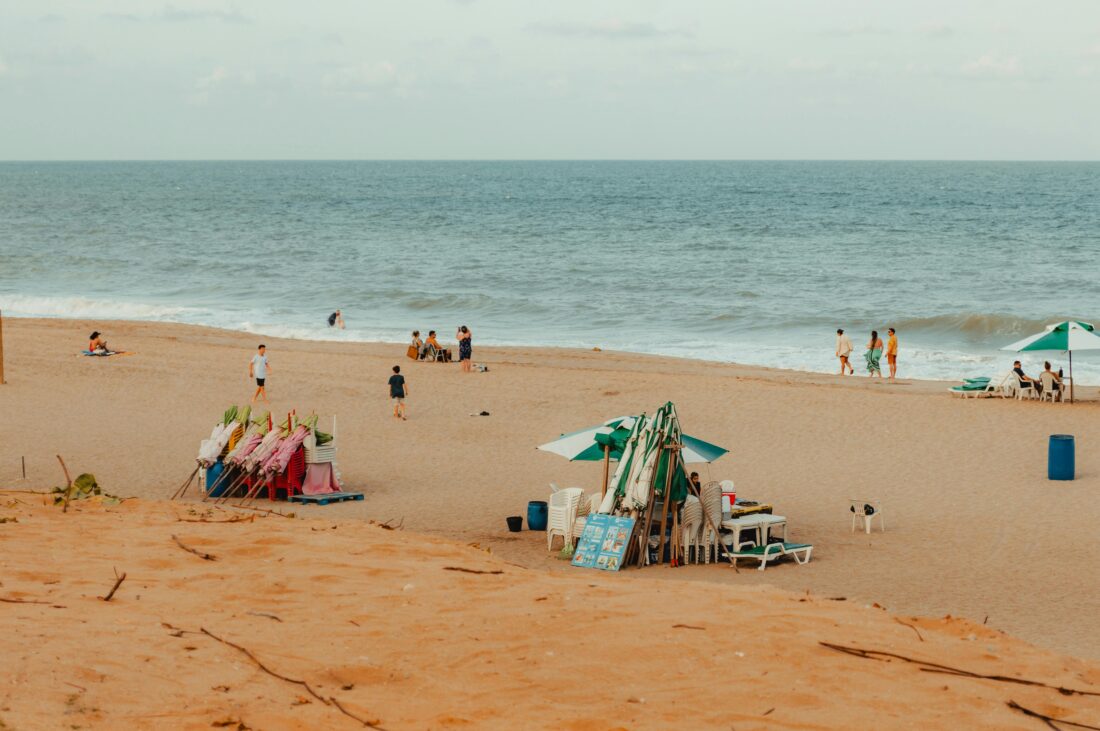
Caribbean Coast Beaches: Small but Worth It
Guatemala’s Caribbean coastline is short, but the beaches here look completely different from the Pacific. Expect white sand and clear turquoise water. The trade-off is access, getting here from Antigua or Guatemala City takes time and requires planning.
Livingston – Cultural Mix and Beach Access
Livingston sits on the Caribbean coast near the Belize border. It is home to a Garifuna and Mayan cultural mix that makes it unlike anywhere else in Guatemala. The beaches here are genuinely attractive, and the town is accessible by boat. Recommended accommodation includes Hotel Villa Carribe, Casa Nostra, and Livingston Resort Hotel. If you’re the type who loves culturally rich towns alongside your beach time, it gives off a similar energy to exploring Cartagena’s mix of history and coast.
Playa Blanca – Best Beach in Guatemala
Playa Blanca is widely regarded as one of the best beaches in Guatemala. It has white coral sand and turquoise water, and you reach it by boat from Livingston. The combination of colour and calm water makes it stand out sharply from the black-sand Pacific beaches.
Playa Dorada – Golden Pebbles on Lake Izabal
Playa Dorada sits on Lake Izabal rather than the open sea. It is popular for watersports. The name means golden beach, referring to tiny golden pebbles mixed into the sand that catch the light. It is a different experience from a coastal beach but worth including if you are in the area.
Puerto Barrios and Punta de Manabique
Puerto Barrios is a Caribbean port town and a ferry departure point for Belize. It sits close to Punta de Manabique, a wildlife reserve that combines beaches, rainforest, mangroves, and marine life.
When Is the Best Time to Visit Guatemala’s Beaches?
The timing depends on which coast you are visiting. The currency here is the Guatemalan quetzal (GTQ, Q) and the official language is Spanish, so brush up on a few phrases before you go.
| Coast | Best Time | Notes |
|---|---|---|
| Pacific | November to April | Dry season, ideal for beach activities and turtle nesting |
| Pacific (surfing) | Summer and winter | Check local conditions |
| Caribbean | Spring | More settled weather |
November to April is the dry season on the Pacific, good for beach activities and the best chance of seeing sea turtle activity at Monterrico.
Pacific vs Caribbean: Which Should You Choose?
| Pacific Coast | Caribbean Coast | |
|---|---|---|
| Sand colour | Black (volcanic) | White (coral) |
| Water clarity | Murky to moderate | Clear turquoise |
| Swimming | Dangerous at most beaches | Generally safer |
| Surfing | Yes (El Paredon, Sipacate) | Not the focus |
| Wildlife | Sea turtles, birds | Marine life, rainforest |
| Access from Antigua | Easier | More time-consuming |
| Vibe | Surfer towns, rustic | Cultural, quieter |
If you want to surf or see sea turtles, the Pacific is the right choice. If you want the classic tropical beach look, white sand, clear water, head to Playa Blanca on the Caribbean side.
Practical Tips for Visiting Guatemala Beaches
- Wear shoes on the beach away from the waterline on the Pacific coast. Black sand retains heat and can hide debris.
- Check swimming conditions before entering the water on the Pacific coast. Strong undertows are common.
- Book turtle tours in advance at Monterrico during nesting season (November to April).
- Travel by car where possible. Renting a car is considered safer than taking the bus in Guatemala.
- Budget for the Caribbean: Getting to Livingston and Playa Blanca requires boat travel, which adds cost and time.
- El Paredon by bus from Antigua costs around 120Q and is a straightforward route.
- Football fans, take note: if you’re visiting in June 2026, Guatemala’s national team faces Ecuador on June 7th at ScottsMiracle-Gro Field. Not a beach activity, but not gonna lie, catching a match could be a solid addition to your trip.
Guatemala’s beaches are not the reason most people visit the country, but they are worth adding to a longer trip, especially Playa Blanca and El Paredon. If you’re planning a broader Central or South American loop, you might also want to check out things to do in Cusco or cool activities in León to round out your itinerary. Set your expectations correctly and you’ll find some genuinely interesting coastline.
