
This article has links to products and services we love, which we may make commission from.
If you’ve ever found yourself rattling through the Scottish countryside on a slightly creaky but oddly charming intercity train, this one’s for you.
ScotRail has officially confirmed it’s phasing out its ageing High Speed Trains and bringing in a fleet of refurbished Class 222 trains. The rollout begins in 2027 and wraps up by the end of 2028, which in railway terms is basically tomorrow.
And honestly, it’s a pretty big deal for anyone planning to explore Scotland without a car.
What’s Actually Changing?
Right now, ScotRail’s intercity routes between Glasgow, Edinburgh, Aberdeen, and Inverness are powered by High Speed Trains that date back decades. They’ve got character, sure. But they’re also expensive to run and increasingly difficult to maintain.
So they’re being replaced.
The new fleet will consist of 22 Class 222 trains, supplied through a deal with Beacon Rail and supported by Alstom. Before passengers even step on board, these trains are getting an £80 million refurbishment, backed by £67 million from the Scottish Government.
Not just a quick paint job either. We’re talking a full overhaul.
What the New Trains Will Be Like
Let’s be honest, when most of us hear “refurbished trains,” we picture slightly cleaner seats and maybe a plug socket if we’re lucky.
This sounds… better.
Here’s what’s being added or upgraded:
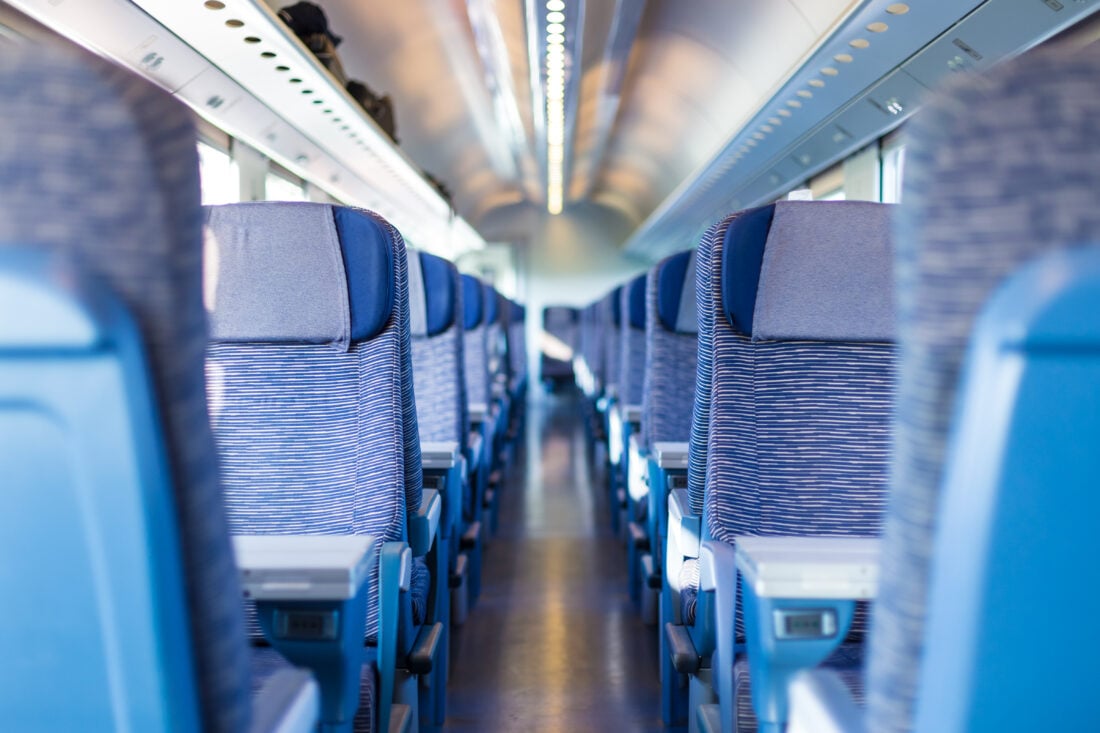
- Brand new seating in First and Standard Class
- Plug sockets plus USB-A and USB-C at every seat
- Improved Wi-Fi using low-orbit satellite tech (which could finally mean stable internet north of Perth)
- A family-friendly area with space for unfolded pushchairs
- Wheelchair spaces in multiple carriages, including First Class
- Storage for six bikes per train
- A modern passenger information system with multimedia displays
- New electronic seat reservations
- Upgraded CCTV for safety
- Onboard catering for at-seat and trolley service
There’s also a quieter, less flashy upgrade that matters just as much. The trains will feature an Intelligent Engine Start Stop system, which reduces emissions by automatically shutting off engines when not needed.
It’s not the kind of thing you’ll notice while sipping your overpriced train coffee, but it does point to a bigger push toward greener travel.
When Will You See These Trains?
The timeline is gradual, which is probably a relief if you’re weirdly attached to the current trains.
- Early 2027: Some Class 222s arrive for staff training
- Late 2027: First passenger services begin
- Throughout 2028: More trains roll out across routes
- December 2028: Final High Speed Train retired
So if you’re planning a Scotland trip in the next year or two, you’ll likely experience a mix of old and new.
A bit of rail nostalgia, followed by a more modern ride on the way back.
Why This Matters for Travelers
You might be wondering, does any of this actually affect your trip?
Short answer. Yes, quite a bit.
1. More Reliable Journeys
Older trains mean more maintenance issues, delays, and last-minute platform changes. Replacing them should lead to fewer disruptions, especially on long routes like Inverness to Edinburgh.
If you’ve ever sprinted across a station because of a last-minute announcement, you’ll appreciate this.
2. Better Comfort for Long Distances
Scotland isn’t massive, but intercity journeys can still stretch to three or four hours.
New seats, better layouts, and improved luggage storage make a difference, especially if you’re hauling a suitcase that seemed like a good idea when you packed it.
3. Stronger Case for Train Travel
The Scottish Government is clearly trying to nudge people away from cars and onto trains. And to be fair, when the trains are comfortable, reliable, and actually have working Wi-Fi, it’s an easier sell.
For travelers, that means train itineraries become more appealing, especially if you’re planning a multi-city trip.
4. Improved Accessibility
This is a big one that often gets overlooked.
More wheelchair spaces, better layouts, and clearer information systems mean a more inclusive travel experience, which is long overdue on many rail networks.
The Bigger Picture: Scotland’s Rail Future
This isn’t just about swapping out old trains for newer ones.
It’s part of a wider shift toward a greener, more sustainable rail network. The investment in refurbishment, maintenance, and long-term support suggests Scotland is focusing on improving what it already has, rather than starting from scratch.
There’s also a knock-on effect for the travel industry.
Better trains tend to mean:
- More domestic tourism
- Easier multi-city itineraries
- Increased demand for rail-based travel passes
And if you’re someone who prefers watching the Highlands roll by through a window instead of gripping a steering wheel on narrow roads, that’s good news.
Should You Change Your Travel Plans?
Not necessarily. But it’s worth being aware of the timeline.
If you’re visiting before late 2027, expect the current trains. After that, you might get lucky and end up on one of the newly refurbished Class 222s.
Either way, the core routes connecting Scotland’s major cities aren’t going anywhere. They’re just getting an upgrade.
And honestly, it’s about time.
Quick Summary for Travelers
| Key Detail | What It Means |
|---|---|
| New trains arrive | From late 2027 |
| Full rollout complete | By end of 2028 |
| Routes affected | Glasgow, Edinburgh, Aberdeen, Inverness |
| Major upgrades | Wi-Fi, seating, accessibility, bike storage |
| Travel impact | More reliable, comfortable journeys |
There’s something oddly satisfying about seeing a place invest in the boring stuff that actually makes a trip better.
Not castles. Not whisky tastings. Trains.
Because when the journey works, everything else tends to fall into place.