
Five destinations ruled the honeymoon circuit in the 1960s and have since fallen far off the radar for newlyweds. The Poconos, Niagara Falls, Bermuda, Acapulco, and Jersey (Channel Islands) each had a golden era, then lost it. Here is what happened to each one.
The most popular 1960s honeymoon destinations that couples largely avoid today are Pennsylvania’s Poconos, Niagara Falls, Bermuda, Acapulco in Mexico, and Jersey in the Channel Islands. Each declined for different reasons: changing tastes, safety concerns, reduced hotel capacity, or competition from more exotic alternatives.
The Poconos, Pennsylvania, Once the Honeymoon Capital of the World
Pennsylvania’s Poconos held the unofficial title of “Honeymoon Capital of the World” for decades. The region built its identity around honeymoon-themed resorts, complete with heart-shaped tubs and champagne-glass whirlpools that now feel like relics from another universe. Couples across the US made it their default first-trip destination well into the 1960s.
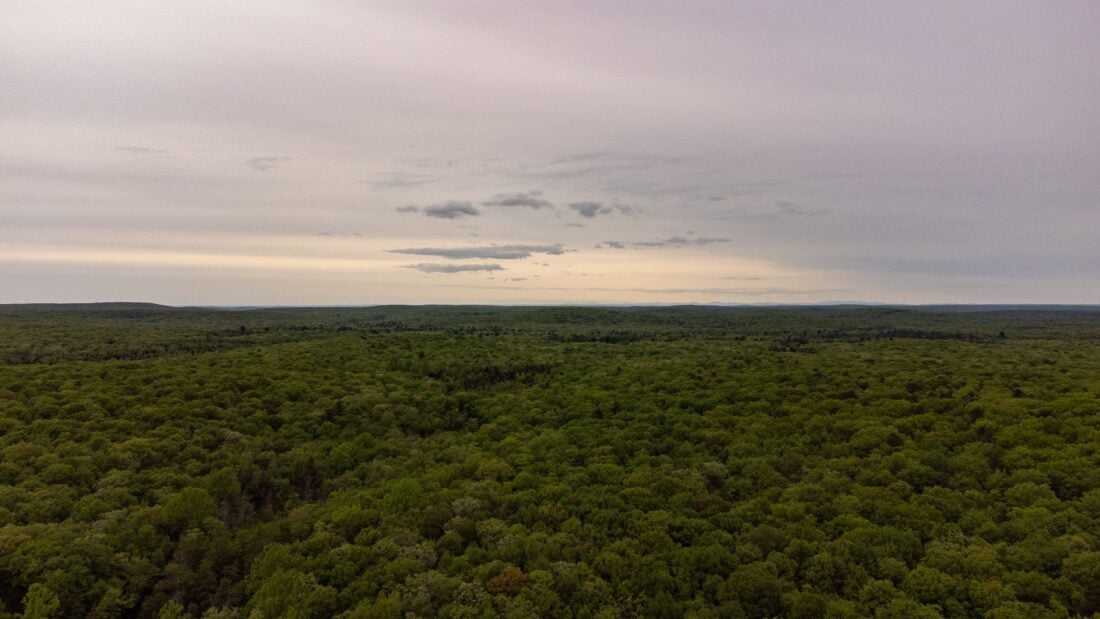
By the 1980s, interest dropped sharply. Couples began choosing more exotic locations, and the Poconos could not compete. Many of the resorts that defined the area fell into disuse, with Summit Honeymoon Resort being one well-known example of an abandoned property from that era. Honestly, a quick search online turns up some eerie photos of these places slowly being reclaimed by the surrounding forest.
The Poconos still functions as a destination today, but the focus has shifted. Activities like whitewater rafting, hiking, and skiing now carry the region, rather than honeymoon packages.
Niagara Falls, A Honeymoon Tradition That Faded
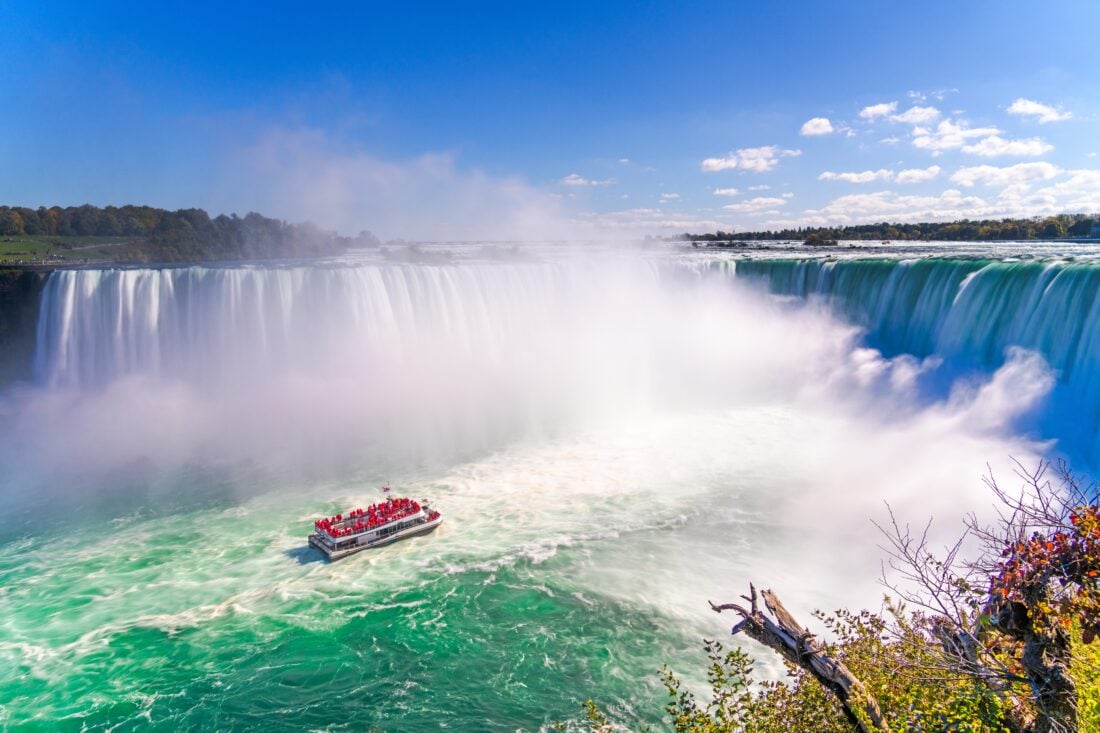
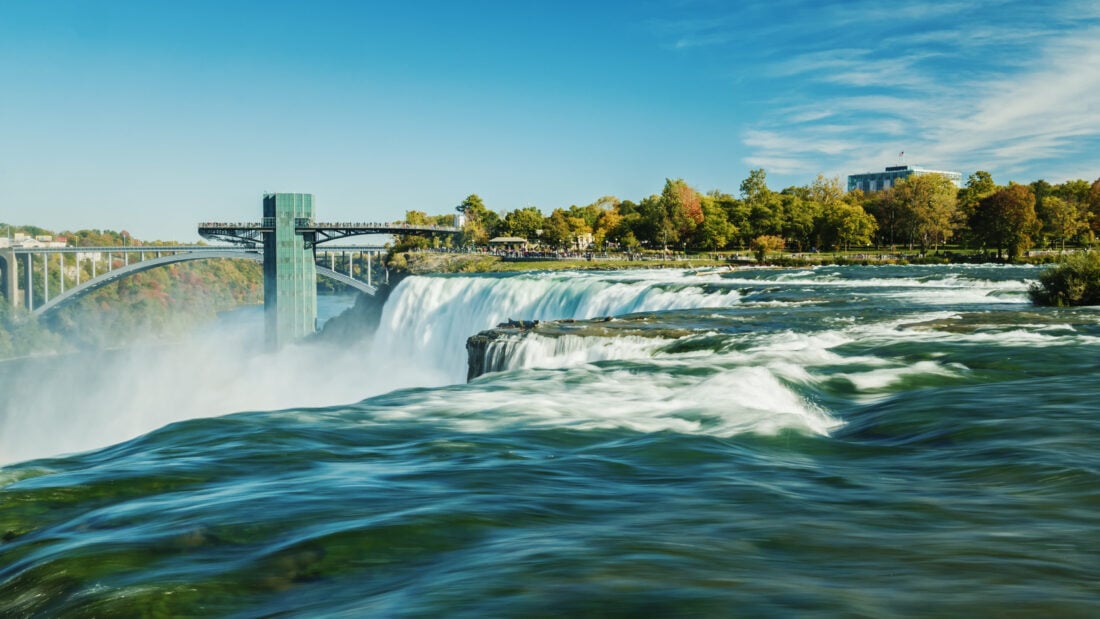
Niagara Falls has a longer honeymoon history than almost anywhere in North America. Couples were traveling there for post-wedding trips as far back as the 1800s. Napoleon Bonaparte’s brother and prominent figures in US politics made the journey. By the 1900s, Niagara Falls had earned its own claim to the “Honeymoon Capital of the World” title.
The falls remained a top choice through the 1960s. The decline came from two directions: the Love Canal environmental tragedy damaged the region’s reputation, and a broader cultural shift toward luxury and long-haul travel pulled couples toward newer options. Niagara Falls felt dated by comparison.
That said, the area has quietly reinvented itself beyond the honeymoon angle. If you’re curious about what the Canadian side looks like now, I put together a guide to wine and waterfalls in Niagara-on-the-Lake, which honestly is a much better reason to visit than posing with a heart-shaped photo frame.
Bermuda, Pink Sand Beaches and a Shrinking Hotel Scene
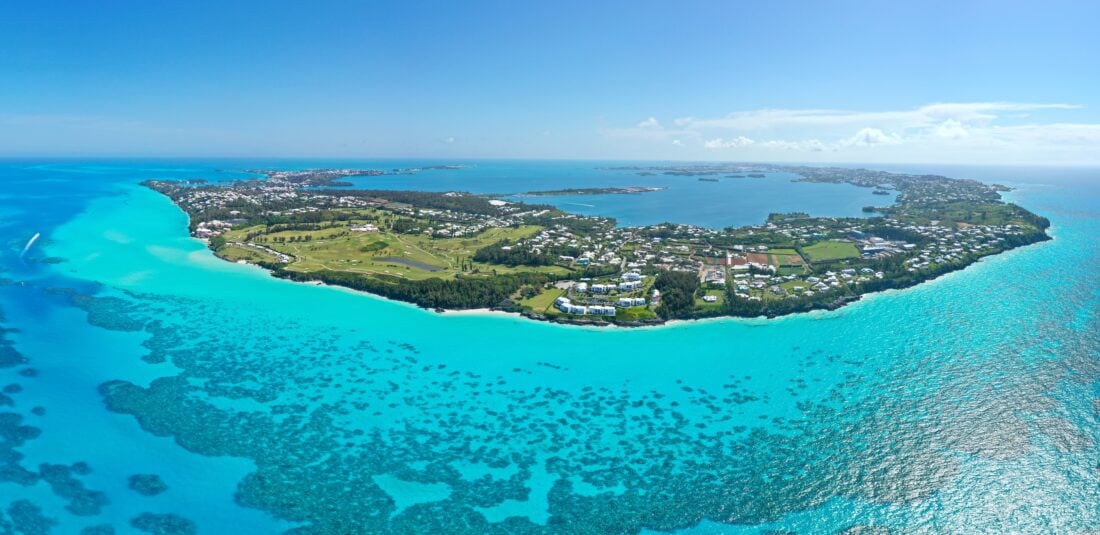
Bermuda drew American honeymooners heavily from the end of World War II through the 1960s. Its beaches, the iconic Hamilton Princess hotel, and activities like rum tasting made it a natural fit for a romantic getaway within relatively easy reach of the US east coast.
Tourism has declined since then, and the drop in available accommodation tells the story clearly. A local hotelier put it directly: “There were 13,000 hotel beds in 1987, and there are just 3,000 now.” Fewer beds means fewer visitors, and the cycle compounds. Not gonna lie, those numbers are staggering when you consider that the island is only about 21 square miles to begin with.
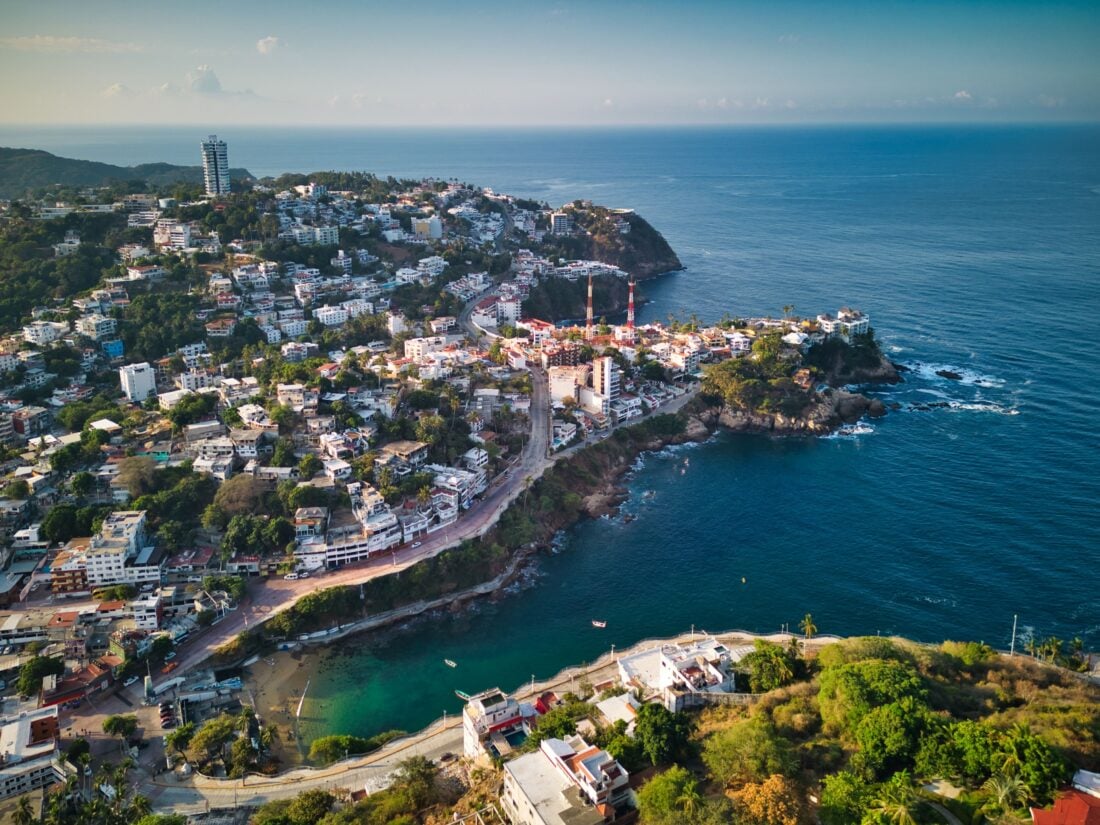
Acapulco, Mexico, Hollywood Glamour That Couldn’t Outlast the Violence
Acapulco built its honeymoon reputation on glamour. Hollywood stars like Elizabeth Taylor, Frank Sinatra, and John Wayne were associated with the destination in the 1950s, and that star power carried into the 1960s honeymoon market. At its peak, Acapulco was the place to be seen.
The decline was driven by cartel violence, which made Acapulco feel unsafe for tourists. Multiple government travel advisories over the years have discouraged visits to the state of Guerrero entirely. Competition from other Mexican resort destinations like Cancún and Riviera Maya also pulled visitors away. The combination of security concerns and newer alternatives proved too much for the destination to overcome.
Jersey, Channel Islands, Tax Breaks That No Longer Felt Special
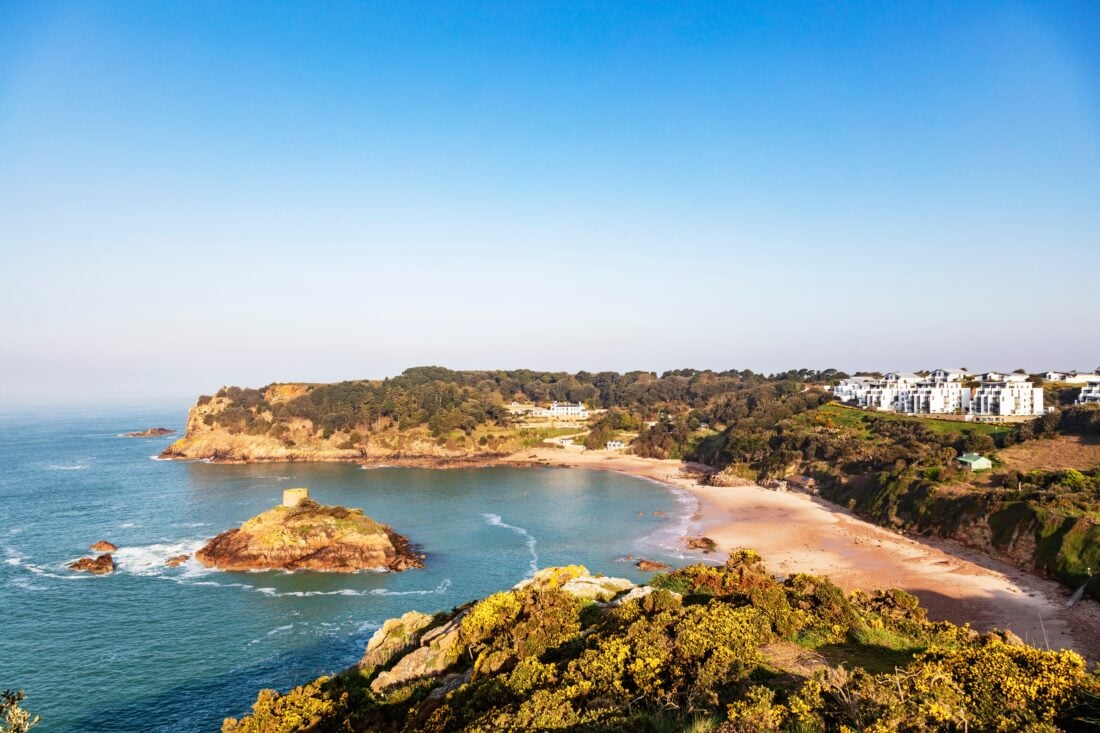
Jersey, the largest of the Channel Islands, became a honeymoon favourite in the post-war period. Tax breaks made it an attractive option, and convenient travel links from the UK mainland kept it accessible. For couples in the 1960s, Jersey offered a foreign feel without the complexity of long-haul travel.
As travel tastes evolved, the appeal of Jersey’s tax advantages faded. Budget airlines opened up the Mediterranean and beyond for comparable cost, and Jersey’s honeymoon trade never recovered from that shift. Turns out, duty-free perfume loses its charm when you can fly to Mallorca for £30.
Why Did These Destinations Fall Out of Favour?
The reasons vary by destination, but a few patterns stand out:
- Changing travel tastes — couples in the 1980s and beyond wanted more exotic, long-haul options
- Safety concerns — Acapulco’s cartel violence and Niagara Falls’ association with the Love Canal tragedy both hurt visitor confidence
- Reduced accommodation — Bermuda’s hotel bed count fell from 13,000 in 1987 to roughly 3,000
- Competition — newer resort destinations drew attention away from established spots
- Abandonment of the honeymoon niche — the Poconos built its entire identity around honeymoon packages; when that market evaporated, many resorts had no fallback
What These Places Look Like Now
| Destination | Peak Era | Primary Decline Cause | Current Status |
|---|---|---|---|
| Poconos, Pennsylvania | 1960s and earlier | Couples chose more exotic locations | Active for hiking, skiing, rafting |
| Niagara Falls | 1800s-1960s | Love Canal tragedy, shift to luxury travel | Still a tourist draw, less honeymoon focus |
| Bermuda | Post-WWII-1960s | Hotel capacity collapsed | Reduced tourism overall |
| Acapulco, Mexico | 1950s-1960s | Cartel violence, resort competition | Significantly diminished tourist appeal |
| Jersey, Channel Islands | Post-war-1960s | Evolving travel tastes | General tourism continues, honeymoon market gone |
Frequently Asked Questions
Why did the Poconos stop being a honeymoon destination?
The Poconos lost its honeymoon market in the 1980s when couples began favouring more exotic locations abroad. The themed resorts that defined the region could not compete with long-haul alternatives, and many properties, including Summit Honeymoon Resort, were eventually abandoned.
Was Niagara Falls really called the Honeymoon Capital of the World?
Yes. Niagara Falls carried that title by the 1900s, building on a honeymoon tradition that dated back to the 1800s. Notable early visitors included Napoleon Bonaparte’s brother and prominent figures in US politics. Its popularity declined after the Love Canal environmental tragedy and a broader shift toward luxury travel.
Why did Bermuda’s tourism decline?
Bermuda’s decline correlates directly with a collapse in hotel capacity. A local hotelier noted that available beds dropped from 13,000 in 1987 to around 3,000. Fewer accommodation options mean fewer visitors, and the destination has not recovered to its post-war peak.
What made Acapulco popular for honeymoons in the 1960s?
Acapulco’s honeymoon appeal grew from its Hollywood associations in the 1950s, giving it a glamorous image that attracted newlyweds into the 1960s. Cartel violence and competition from other Mexican resorts ended that era.