
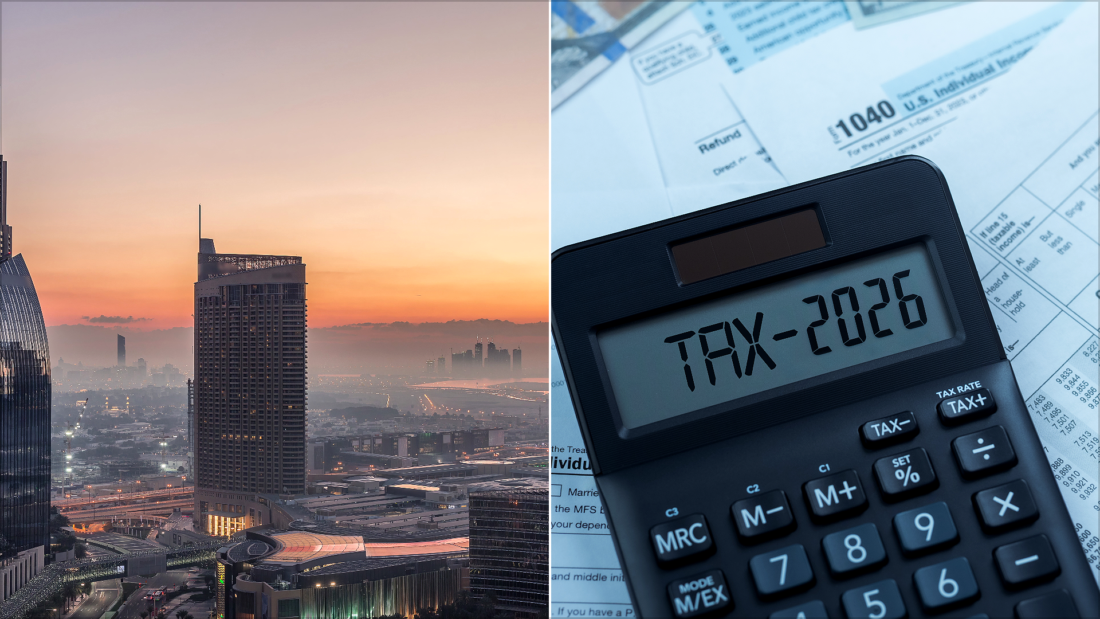
The best no-income-tax countries for remote work include the UAE, Barbados, the Bahamas, Costa Rica, Georgia, Uruguay, Croatia, and several others that either eliminate personal income tax entirely or exempt foreign-sourced income under territorial tax systems.
Over 50 countries now offer dedicated digital nomad visas, and the right one for you depends on income thresholds, visa duration, and your home country’s tax obligations.
Why No-Income-Tax Countries Appeal to Remote Workers
Remote work has untethered millions of people from a fixed office location. If your clients or employer are based abroad, many countries will not tax that income at all, either because they operate a territorial tax system (taxing only locally earned income) or because they have no personal income tax whatsoever.
Two structures dominate:
- Zero personal income tax countries – UAE, Bahamas, Monaco, Cayman Islands. No income tax for anyone, resident or nomad.
- Territorial tax countries – Costa Rica, Panama, Uruguay, Georgia. Only income earned inside the country is taxed. Foreign earnings are exempt.
Both routes can mean a 0% local tax bill on your remote income, but the visa requirements, income thresholds, and lifestyle differ significantly. Honestly, there’s a big gap between “zero tax on paper” and “actually affordable to live there,” so read the fine print on each one.
Important for Americans: A digital nomad visa does not change your U.S. tax obligations. You must still file a federal return on worldwide income regardless of where you live. The Foreign Earned Income Exclusion (FEIE) can exclude up to $130,000 of foreign-earned income for the 2025 tax year if you meet the Physical Presence Test (330 days abroad in 12 months) or the Bona Fide Residence Test. Self-employment tax of 15.3% also applies unless you are in a country with a U.S. totalization agreement.
The Best No-Income-Tax Countries for Remote Workers
UAE (Dubai) – 0% Personal Income Tax
Dubai is a well-established zero-tax base for remote workers. There is no personal income tax for residents or nomads. Dubai’s Virtual Working Program requires a minimum monthly income of $3,500 and offers a one-year renewable stay. The UAE does apply a 5% VAT on most goods and services, and a 9% corporate tax applies only to business profits above AED 375,000 (roughly $100,000). Additional visa routes include freelance and investor visas.
One thing to know: the cost of living in Dubai can eat into those tax savings fast, especially housing. If you’re considering it as a base, our Dubai travel tips cover a lot of the practical stuff first-timers miss.

Barbados – Welcome Stamp
Barbados launched its Welcome Stamp program during the pandemic. It provides a 12-month renewable visa for remote workers with a straightforward online application. Requirements include:
- Proof of annual income above $50,000 USD
- Passport-sized photo
- Proof of health insurance
- Application fee of $2,000
Local income tax on foreign earnings is zero. The program is a strong fit for higher earners who want a Caribbean base.
The Bahamas – BEATS Program
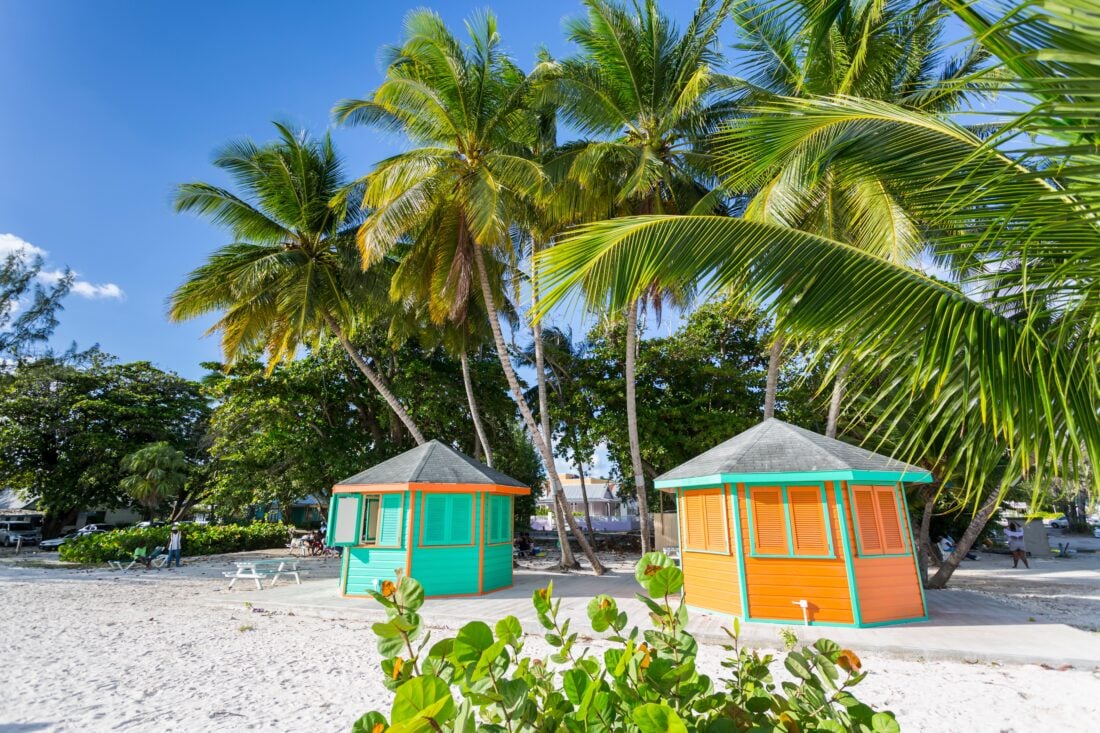
The Bahamas Extended Access Travel Stay (BEATS) allows remote work for up to one year with no local income tax. The application fee is $25, with a $1,000 visa fee plus $500 per dependent. You need proof of income and medical insurance. There is no personal, corporate, or capital gains tax in the Bahamas, making it one of the cleanest zero-tax structures available.
Costa Rica – Digital Nomad Visa
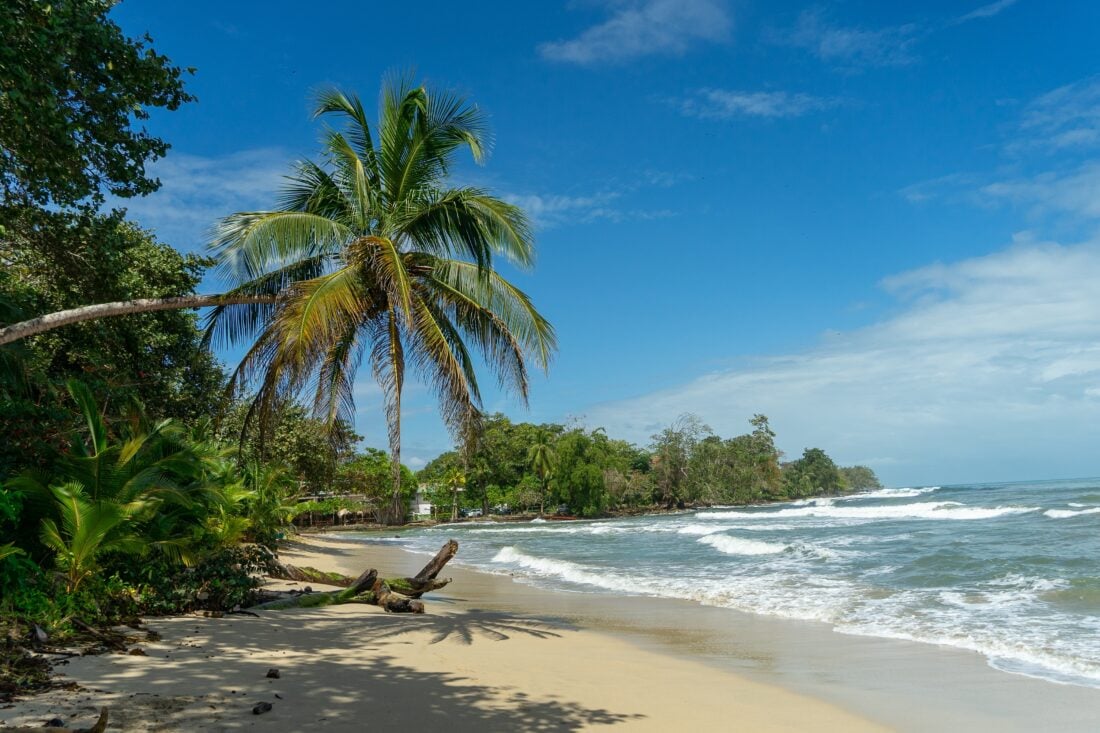
Costa Rica opened its digital nomad visa in 2022. Foreign income is completely exempt from local taxes. The visa extends the standard 90-day tourist stay to a full year, with the option to renew. Practical extras include access to local banking services, driver’s license validation, and device tax waivers.
Income requirements:
- $3,000 per month for individuals
- $4,000 per month if you have dependents
- Application fee of $100
Croatia – 18-Month Stay, Foreign Income Exempt
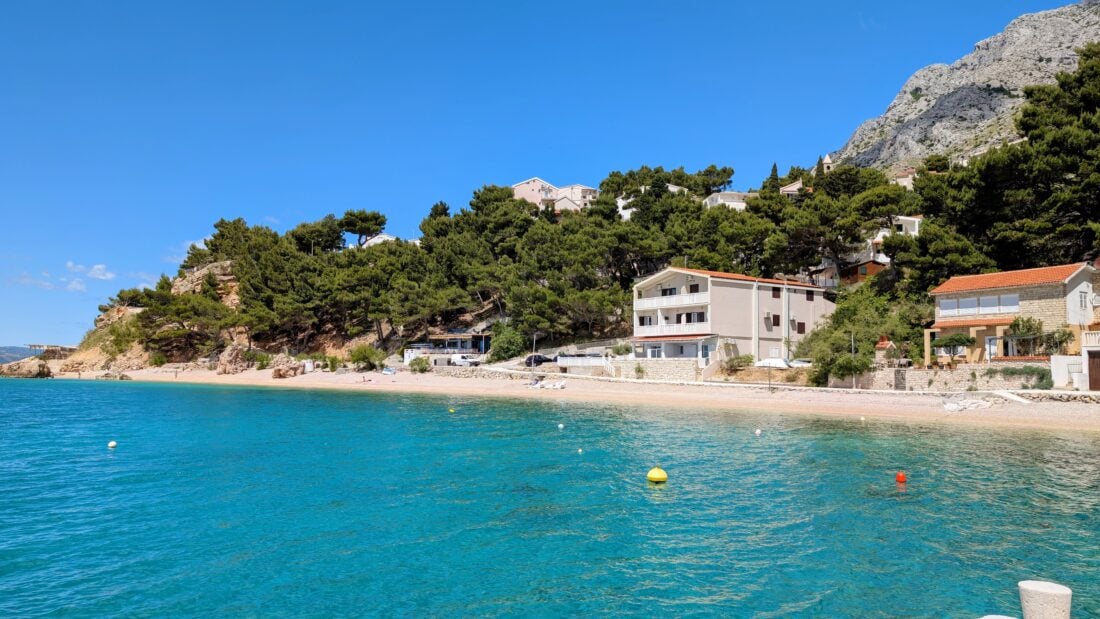
Croatia is one of the few tax-friendly options in Europe for digital nomads. Foreign income is exempt from local tax during your stay. The visa allows an 18-month stay and requires:
- Proof of a local address
- Monthly income of at least EUR 3,295 from outside Croatia
Croatia also appears on the shortlist for lowest income thresholds among European nomad destinations, with an annual equivalent of roughly $38,000.
Uruguay – Digital Nomad Permit
Uruguay uses a territorial tax system: only income earned within Uruguay is taxed. Foreign-sourced income is exempt. The Digital Nomad Permit is renewable annually and has no minimum income threshold. The application fee is $10, and applicants need an affidavit confirming no criminal record and the ability to support themselves.
Georgia – 1% Tax for Individual Entrepreneurs
Georgia sits between Europe and Asia and offers one of the most unusual tax structures for nomads. Visitors from 90 countries can enter visa-free for up to a year, but staying beyond six months without a specific visa triggers tax residency at the standard 20% flat rate.
The workaround: register as an Individual Entrepreneur. This status applies a 1% flat tax on business income up to $500,000 annually. Georgia also has a Double Taxation Agreement with the United States.
Not gonna lie, Georgia has been generating serious buzz among longer-term travellers, with many people spending a month or more and coming away loving the food, affordability, and pace of life. Tbilisi in particular keeps showing up as a favourite among remote workers for its combination of cheap rent, solid Wi-Fi, and genuinely excellent cuisine.
Note: some regions of Georgia are classified as Category 4: Do Not Travel by the U.S. Department of State. Check current advisories before planning.

Curacao – @Home Program
Curacao is an autonomous constituent country that offers the @Home program. American and Dutch citizens can stay for six months, with an option for an additional six months, with no local income tax on foreign earnings. There is no fixed minimum income requirement, applicants must show sufficient funds. The online application requires a passport bio page, proof of remote work, health insurance, proof of accommodation, and a criminal background check.
Antigua and Barbuda – Two-Year Remote Work Visa
Antigua and Barbuda offers a two-year remote work visa with no tax on foreign income. The minimum income requirement is $50,000 annually. It is among the less-visited Caribbean options, which suits those looking for a quieter base.
Malaysia – De Rantau Digital Nomad Pass
Malaysia’s De Rantau Digital Nomad Pass allows stays of up to one year with possible extensions. The pass is open to both Tech Talent and non-Tech Talent remote workers. Income requirements depend on category: $24,000 per year for one tier and $60,000 per year for the other. An active employment contract of at least three months and proof of health insurance are required. Working with Malaysian companies removes the income tax exemption, the benefit applies only to foreign-sourced income.

Albania – Visa-Free for U.S. Citizens
U.S. citizens can stay in Albania for up to a year without a visa arrangement, and income generated outside Albania is not taxed locally. Albania has good internet infrastructure and affordable accommodation. After 183 days of earning income within Albania, you become a tax resident and are taxed accordingly.
Other Countries Worth Noting
| Country | Visa Duration | Local Tax on Foreign Income | Minimum Income |
|---|---|---|---|
| Cape Verde | 6 months | 0% | EUR 1,500 bank balance |
| Ecuador | 2 years | 0% | $1,410/month |
| Grenada | 12 months (renewable) | 0% | $37,000/year |
| Seychelles | Flexible (Workation Retreat) | 0% | None specified |
| Thailand (DTV) | 5 years, multiple entry | 0% (foreign income not remitted to Thailand) | Not specified |
| Estonia | Digital nomad visa | 0% (no Estonian clients) | Not specified |
| Panama | Residency-based | 0% on foreign income (territorial) | Not specified |
Cape Verde processes its Remote Working Program online in roughly two weeks, requires a EUR 1,500 bank balance, and charges no local income tax on foreign earnings for the six-month visa duration.
Ecuador’s Rentista for Remote Work Visa allows a two-year stay without taxing foreign earnings and requires a monthly income of $1,410.
Grenada offers a 12-month renewable stay for remote workers and families, with no local income tax and an annual income requirement of $37,000.
Seychelles has no minimum income requirement for its Workation Retreat and imposes no local income tax on foreign earnings.
Thailand’s Destination Thailand Visa (DTV) offers five years of multiple-entry access. Foreign income not remitted to Thailand is tax-exempt.
Panama operates a territorial tax system: only income earned inside Panama is taxed. The U.S. dollar is the official currency, which removes exchange rate friction. Panama’s banking system also has international recognition for stability.
Estonia’s digital nomad visa is tax-exempt provided you have no Estonian clients.
How to Choose the Right Country
Focus on these factors before applying:
- Tax residency trigger – How long before you become a tax resident? Albania: 183 days. Georgia: 6 months without the Individual Entrepreneur visa.
- Tax system type – Territorial (foreign income exempt) vs. zero personal income tax (nothing taxed at all).
- Income threshold – Ranges from none (Uruguay, Seychelles, Curacao) to $50,000/year (Barbados, Antigua and Barbuda).
- Visa duration – Six months (Cape Verde) up to five years with multiple entries (Thailand DTV).
- Double taxation treaties – Georgia has one with the U.S. Check your home country’s treaty network.
- U.S. compliance – FEIE ($130,000 exclusion for 2025), FBAR reporting if foreign accounts exceed $10,000, and FATCA Form 8938 all still apply regardless of where you live.
One factor people overlook: the experience of travelling as a solo female or as a person of colour varies wildly by destination. Some of these countries are incredibly welcoming, while others come with a steeper learning curve around unwanted attention, casual discrimination, or cultural friction. It’s worth researching current traveller experiences specific to your background before committing to a year-long visa. If you’re planning to combine your nomad stint with road trips through less-touristy areas, our road trip planning tips can help you sort the logistics.
Frequently Asked Questions
Which country has the lowest income requirement for a no-tax digital nomad visa?
Uruguay has no minimum income threshold for its Digital Nomad Permit and charges only a $10 application fee. Curacao and Seychelles also have no fixed minimum, requiring only proof of sufficient funds. Ecuador requires the lowest fixed amount at $1,410 per month.
Does living in a zero-tax country mean Americans pay no tax?
No. U.S. citizens must file a federal tax return on worldwide income regardless of where they live. The Foreign Earned Income Exclusion can shield up to $130,000 of foreign-earned income for 2025, but self-employment tax (15.3%) and state tax obligations may still apply.
Is the UAE genuinely tax-free for remote workers?
For personal income, yes, there is no personal income tax in the UAE. A 5% VAT applies to most goods and services, and a 9% corporate tax applies to business profits above roughly $100,000. Dubai’s Virtual Working Program requires a minimum monthly income of $3,500.
What is the difference between a zero-tax country and a territorial tax country for digital nomads?
Zero-tax countries (UAE, Bahamas, Cayman Islands) impose no personal income tax on anyone. Territorial tax countries (Costa Rica, Panama, Uruguay, Georgia) only tax income earned within their borders, so foreign-sourced remote income is exempt. The practical result for a remote worker can be the same: 0% local tax on your earnings.