
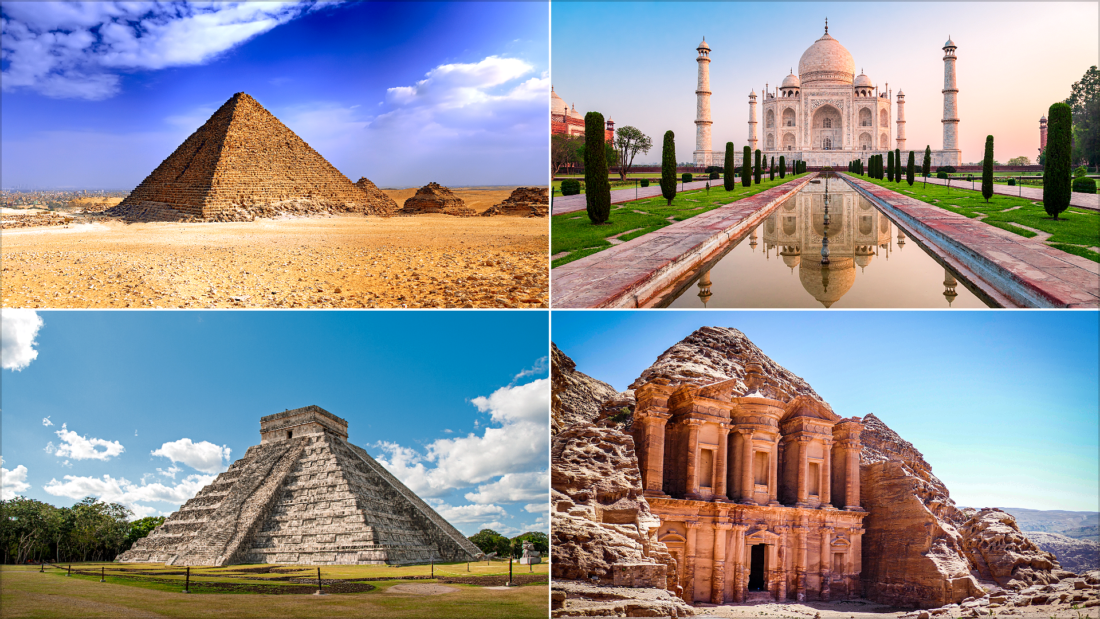
There are two main lists you need to know: the Seven Wonders of the Ancient World, compiled around the 2nd century BCE, and the New Seven Wonders of the World, chosen by a global public vote in 2007. Only one ancient wonder still stands today. The new list spans four continents and was decided by more than 100 million votes.
The New Seven Wonders of the World are the Great Wall of China, Petra, Machu Picchu, Christ the Redeemer, the Colosseum, the Taj Mahal, and Chichén Itzá. They were announced in 2007 after a global vote organised by the New7Wonders Foundation. Of the original ancient wonders, only the Great Pyramid of Giza survives.
Why Seven? The History Behind the Lists
The ancient Greeks chose the number seven because they believed it represented perfection and plenty. It also matched the number of known celestial bodies at the time: five planets, plus the Sun and Moon.
The original ancient list focused almost entirely on the Mediterranean and Near East, reflecting Greek culture and travel. The canonical version was formalised in the 1572 work Octo Mundi Miracula, drawing on classical sources that varied widely.
In 2000, a Swiss foundation launched a campaign to create a modern equivalent. Voting ran via the internet and text messaging, and the final results were announced in 2007.
The New Seven Wonders of the World: Key Facts
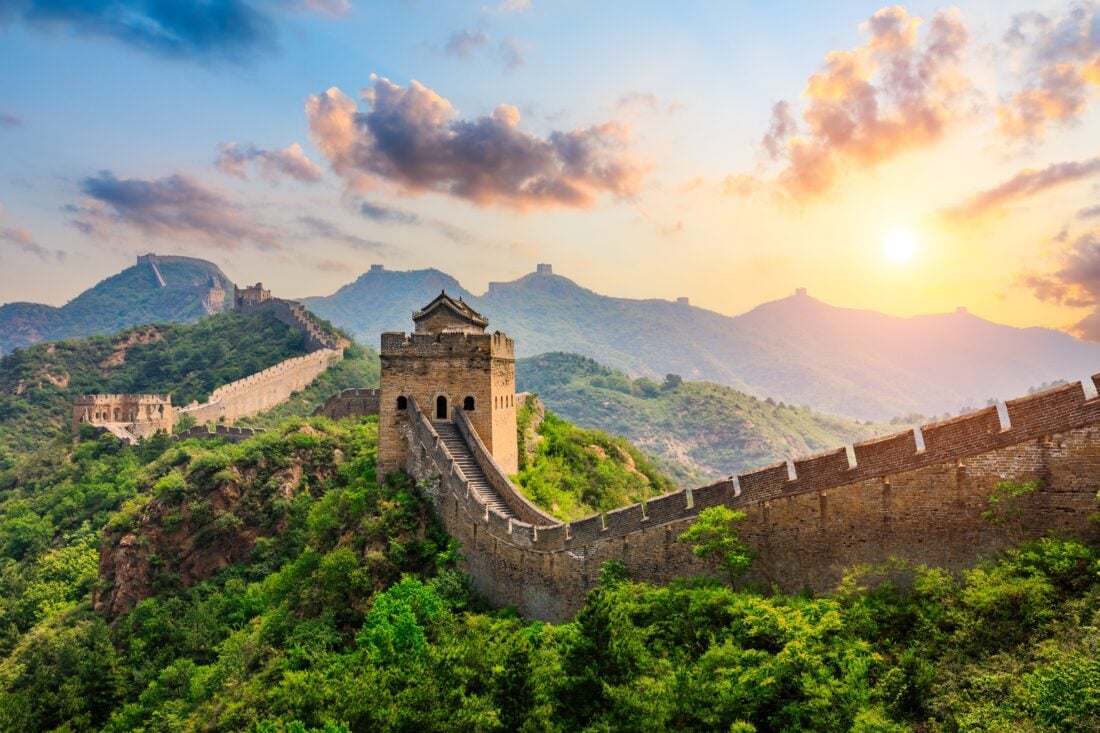
Great Wall of China
The Great Wall of China is widely cited as one of the largest construction projects in human history. Its length is estimated at around 5,500 miles (8,850 km) by most sources, though a disputed Chinese study puts it at 13,170 miles (21,200 km). It is not a single continuous wall but a series of walls built across different periods and in different styles. The most recognisable section is the most recent, built roughly 450 years ago. The oldest parts are earthen mounds dating back around 2,000 years. The wall was built to prevent invasion but historians note it ultimately failed as a military barrier and served largely as political propaganda. The claim that it is visible from the Moon is a myth.
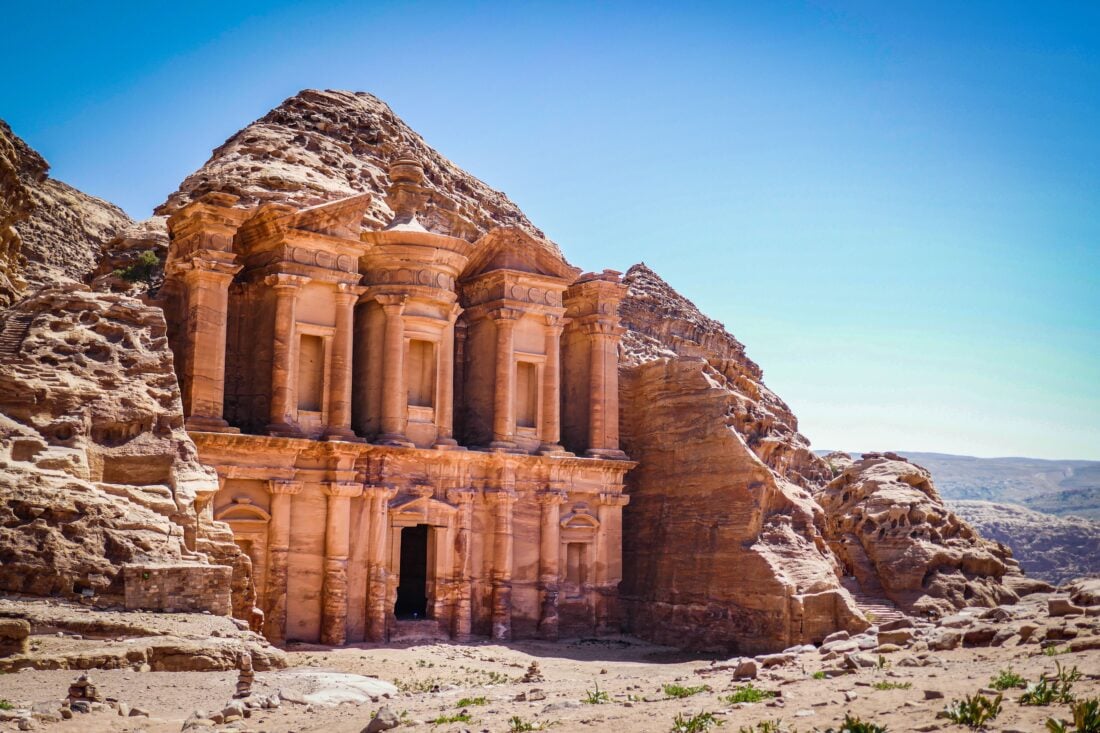
Petra, Jordan
Petra is a city in modern-day Jordan approximately 2,300 years old. It was the capital of the Nabataean people, known for their sophisticated water management systems that supported gardens and agriculture in an arid environment. Most of its structures are carved directly into solid pink rock cliffs, earning it the nickname the Rose City. Petra was rediscovered by a Swiss explorer in 1812. Nearly four-fifths of the ancient city remains underground and unexplored, which honestly makes what you can see today even more impressive.
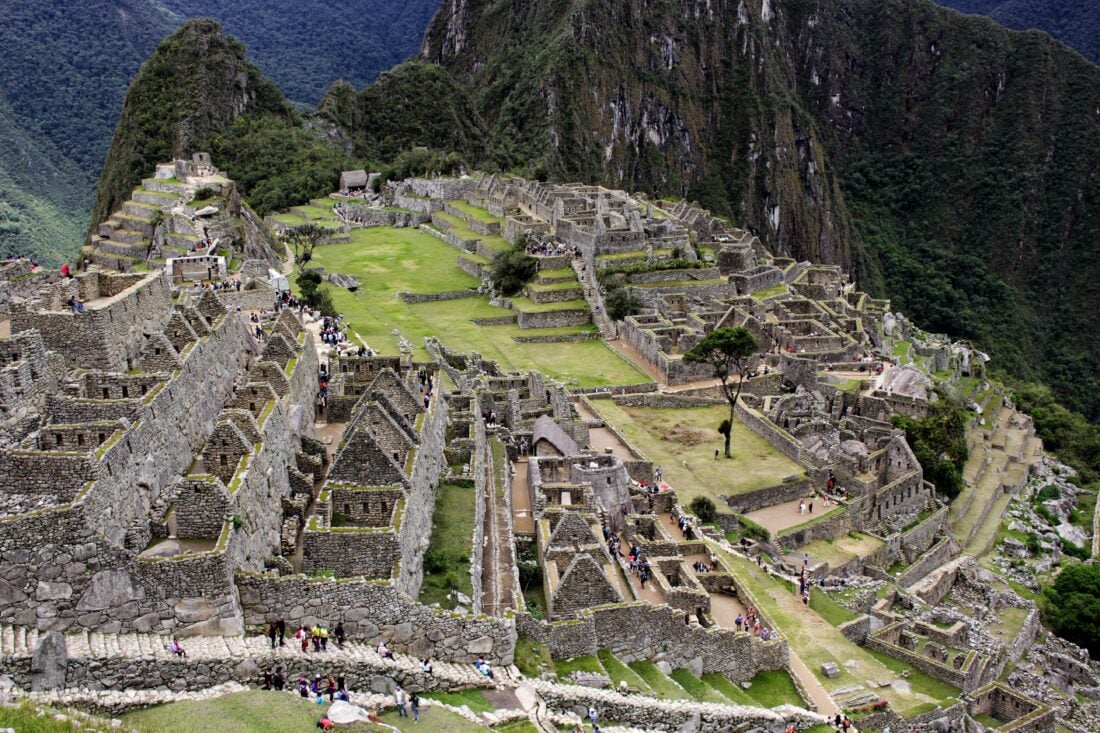
Machu Picchu, Peru
Machu Picchu was constructed around 1450 and was regarded by the Inca as the centre of the world. It was abandoned around the time of the Spanish conquest. The site features agricultural terraces, plazas, and temples. The Intihuatana is a ritual stone platform at the site used as a sundial or altar. Hiram Bingham brought it to wider international attention in 1911, initially believing it to be Vilcabamba, the lost Inca city. One thing worth flagging: travellers increasingly report that advance booking is now essential for Machu Picchu, with spontaneous visits becoming nearly impossible due to strict visitor caps and timed entry slots. Prices have also climbed significantly in recent years, so budget accordingly.
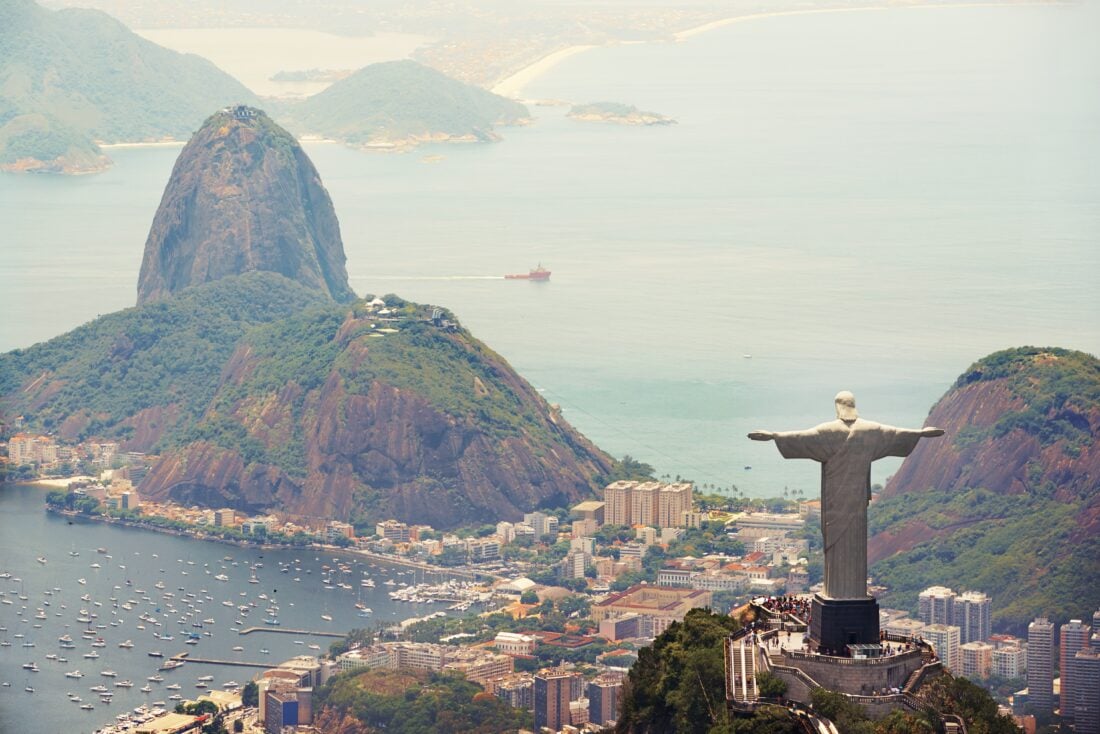
Christ the Redeemer, Brazil
Christ the Redeemer stands 30 metres tall in Rio de Janeiro, with arms stretching 28 metres wide. It is made of reinforced concrete and covered with approximately six million tiles. The statue was designed by Heitor da Silva Costa and Carlos Oswald, with sculpting by Paul Landowski. The face was crafted separately in France by Romanian sculptor Gheorghe Leonida. The statue was completed in 1933 and is struck by lightning multiple times each year.
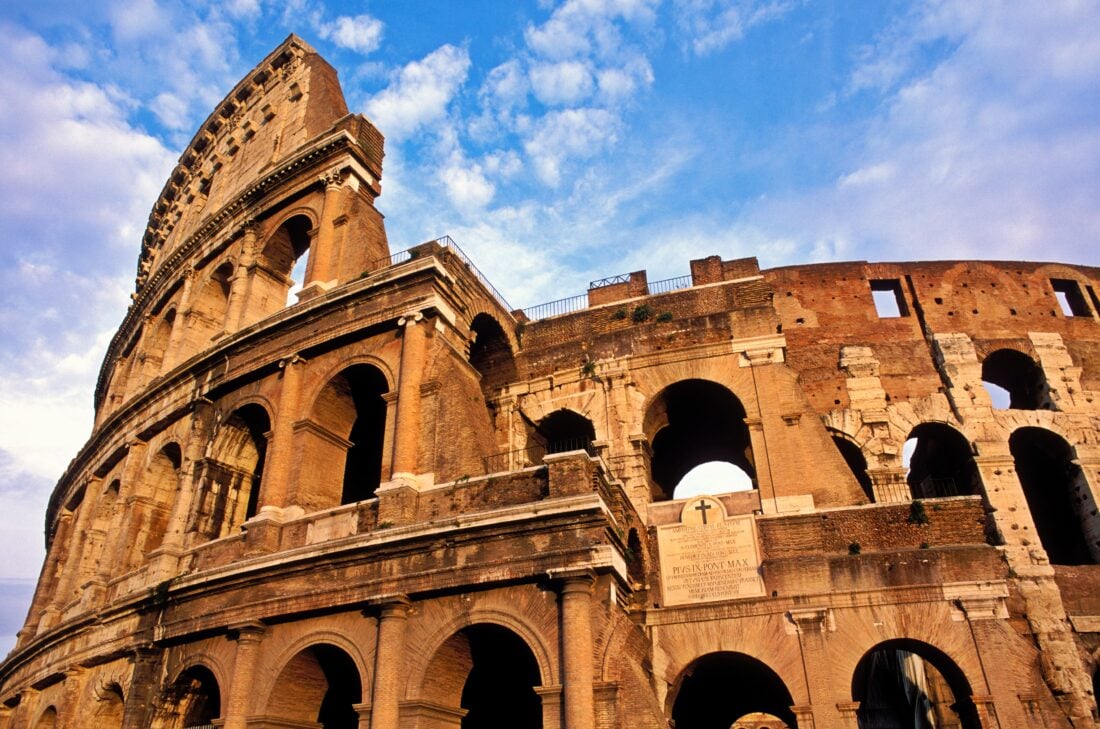
The Colosseum, Rome
The Colosseum in Rome was built in 72 CE and could hold around 50,000 spectators. It hosted gladiatorial contests, musical events, and executions. Since 1643, over 684 different plant species have been identified growing in its ruins. Not gonna lie, visiting Rome’s most iconic landmark today comes with some friction. Travellers consistently flag that advance tickets are a must (queues without them are brutal), and the surrounding area has become a hotspot for overtourism, with prices that reflect it.
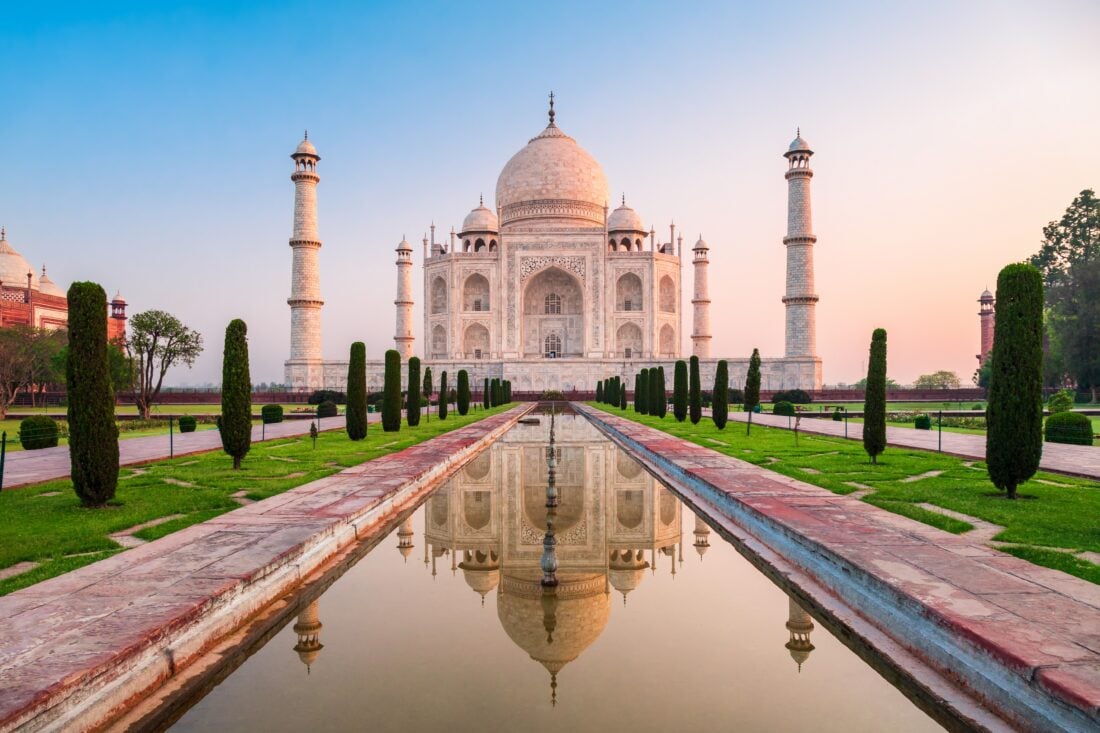
Taj Mahal, India
The Taj Mahal is a white marble mausoleum in Agra, India, built by Mughal Emperor Shah Jahan in memory of his wife Mumtaz Mahal. According to Britannica, construction took 22 years and involved 20,000 workers. Google Arts and Culture notes it took 20,000 workers and 1,000 elephants 16 years to build. The building features a large central dome, four smaller domes, and an immense garden with a reflecting pool. The sarcophagi inside the main chamber are empty. Shah Jahan and Mumtaz Mahal are actually buried one level below ground.
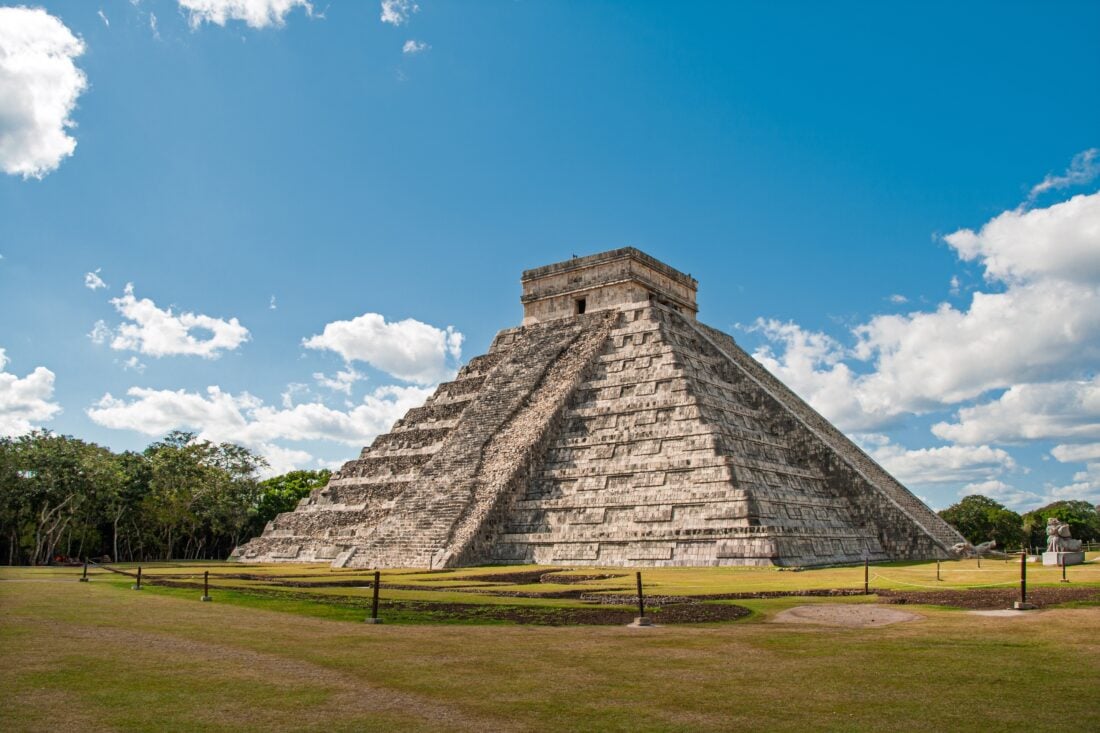
Chichén Itzá, Mexico
Chichén Itzá is a Mayan city on the Yucatán Peninsula in Mexico that flourished between the 9th and 10th centuries CE and was occupied from around 600 to 1100 CE. It was a major economic and political centre of the Mayan civilisation. The city’s most famous structure, the pyramid El Castillo, has 365 steps and produces a serpent shadow effect during equinoxes. The city also contained a steam sauna, paved causeways known as sacbeob, and a skull rack called a tzompantli.
The Seven Wonders of the Ancient World: What Happened to Them?
The ancient list included seven structures, almost all of which are gone. Here is what the sources tell us about each:
| Wonder | Location | Status |
|---|---|---|
| Great Pyramid of Giza | Giza, Egypt | Only surviving ancient wonder |
| Hanging Gardens of Babylon | Iraq (alleged) | May never have existed |
| Temple of Artemis | Ephesus, Turkey | Repeatedly rebuilt, then destroyed |
| Statue of Zeus at Olympia | Olympia, Greece | Destroyed by fire |
| Mausoleum at Halicarnassus | Turkey | Damaged by earthquakes |
| Colossus of Rhodes | Rhodes, Greece | Destroyed by earthquake |
| Lighthouse of Alexandria | Alexandria, Egypt | Destroyed by earthquakes |
Great Pyramid of Giza
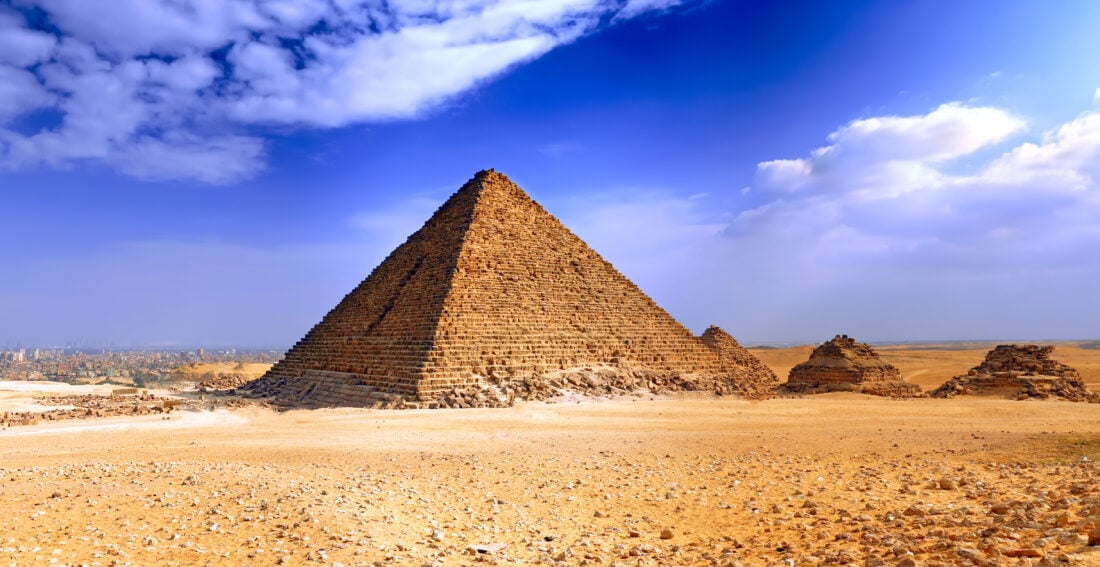
Built around 2600 BCE, the Great Pyramid of Giza is the earliest of the ancient wonders to be completed and the only one still standing. It served as a tomb for an Egyptian pharaoh.
Hanging Gardens of Babylon
Allegedly built by King Nebuchadnezzar II in what is now Iraq, the Hanging Gardens of Babylon were said to be planted on an artificial mountain to please his wife. Many experts believe they may never have actually existed, and no conclusive physical evidence has been found. Turns out, modern-day Iraq is gaining traction as a travel destination in its own right, with adventurous travellers praising it for its authenticity and affordability.
Temple of Artemis
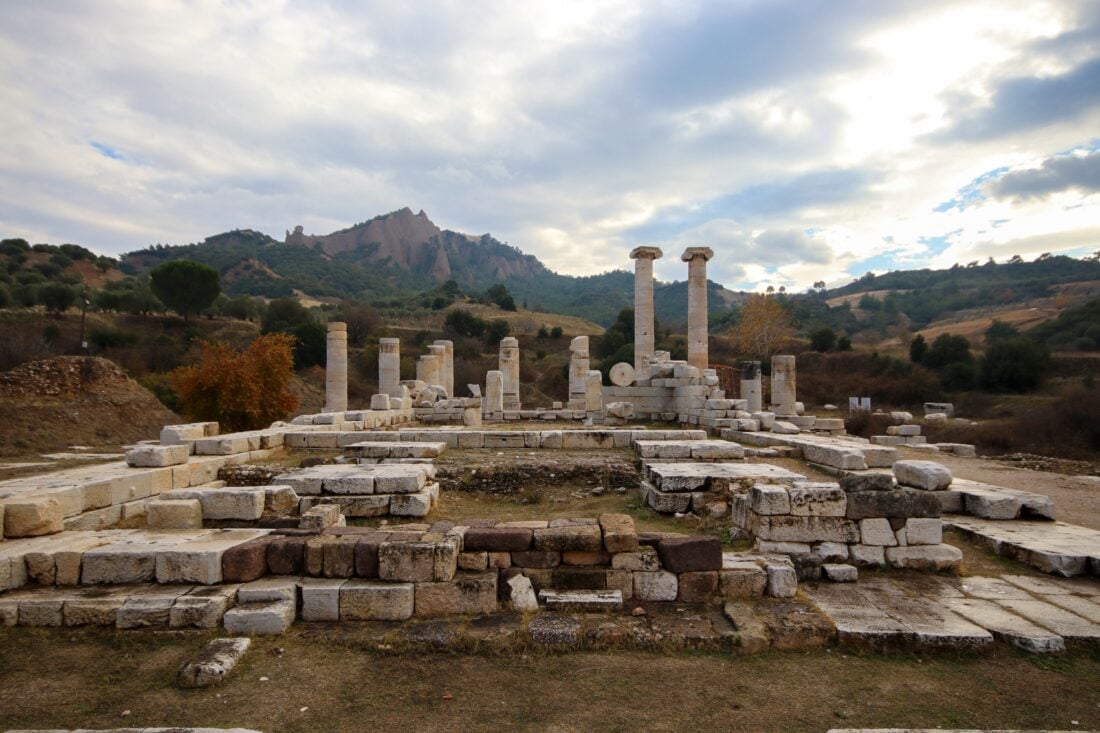
Built in the sixth century BCE in Ephesus (modern Turkey), the Temple of Artemis honoured the Greek goddess of the hunt and reportedly housed many works of art. It was rebuilt multiple times before its final destruction.
Statue of Zeus at Olympia
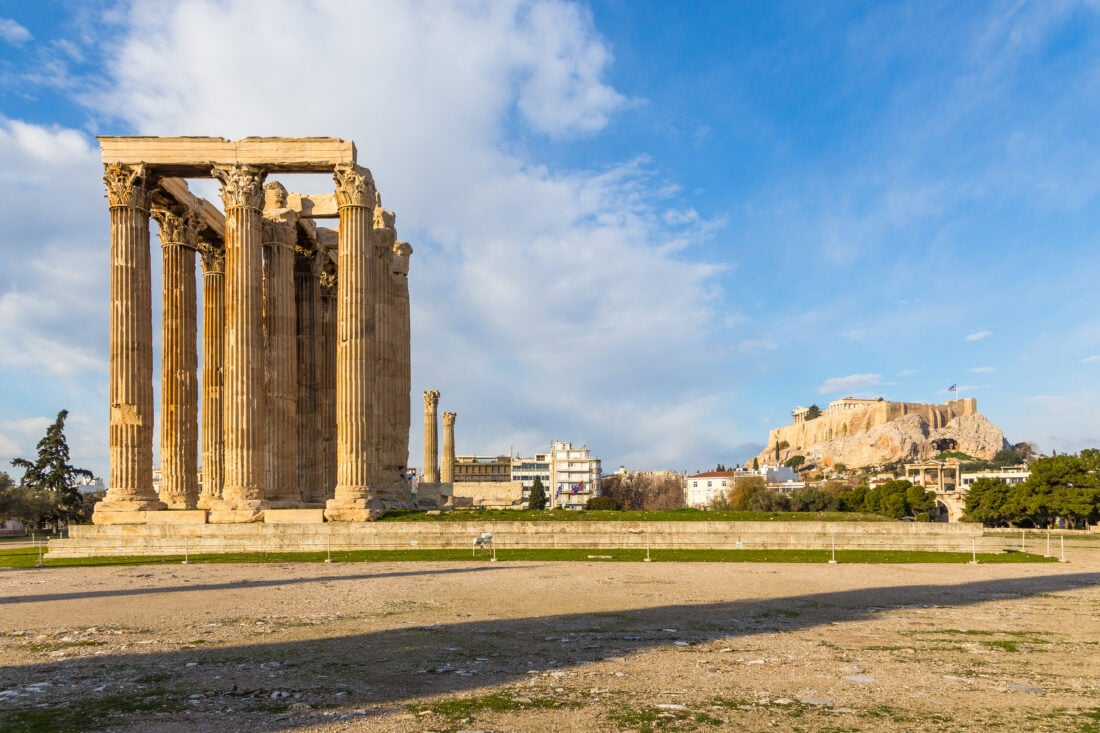
Constructed in the fifth century BCE in Greece, the Statue of Zeus at Olympia stood 40 feet (12 metres) tall and depicted the king of the Greek gods. It was eventually destroyed by fire.
Mausoleum at Halicarnassus
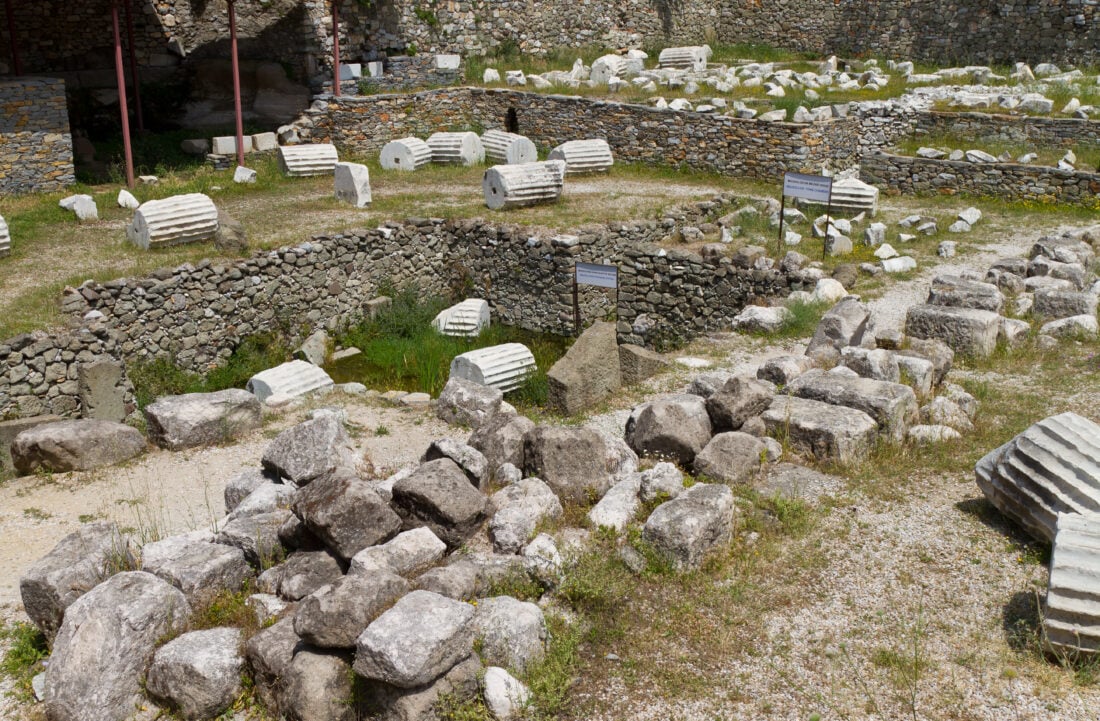
Built in the fourth century BCE in Turkey as an elaborate tomb for King Mausolus, the Mausoleum at Halicarnassus was celebrated for its architectural grandeur. Earthquakes caused significant damage over time.
Colossus of Rhodes
A 110-foot (33.5-metre) statue on the island of Rhodes, the Colossus of Rhodes honoured the Greek sun god Helios. It was built in the fourth century BCE and destroyed by an earthquake.
Lighthouse of Alexandria
Built in the third century BCE in Egypt, the Lighthouse of Alexandria was the world’s first lighthouse. It used mirrors to reflect sunlight miles out to sea and stood for over 1,500 years before earthquakes brought it down.
Beyond the Two Main Lists: Other Wonders Categories
The concept of wonders has expanded well beyond the two main lists:
- Seven Wonders of the Industrial World – recognises 19th and early 20th century engineering feats including the Brooklyn Bridge (1883), the SS Great Eastern (1858), and the Bell Rock Lighthouse (1810).
- Seven Wonders of Nature – the New7Wonders Foundation ran a campaign from 2007 to 2011, with winners including Iguazu Falls and the Amazon rainforest.
- Seven Wonders of the Solar System – includes natural phenomena such as the Rings of Saturn, the Great Red Spot of Jupiter, and Enceladus (a moon of Saturn).
- CNN Natural Wonders list (1997) – includes the Aurora, the Grand Canyon, the Great Barrier Reef, and Mount Everest.
- American Society of Civil Engineers list (1994) – highlights the greatest civil engineering achievements of the 20th century, including the Channel Tunnel and the CN Tower.
- Medieval wonders lists – typically include Stonehenge, Hagia Sophia, and the Leaning Tower of Pisa, among others.
Frequently Asked Questions
How many of the original Seven Wonders of the Ancient World still exist?
Only one: the Great Pyramid of Giza in Egypt. All the others were destroyed by earthquakes, fire, or dismantling over centuries. The Hanging Gardens of Babylon may never have existed at all, as no physical evidence has been found.
Who chose the New Seven Wonders of the World?
The New7Wonders Foundation, a Swiss organisation, ran the campaign starting in 2000. More than 100 million votes were cast via the internet and text messaging. The winners were announced in 2007.
Can you see the Great Wall of China from space?
No. This is a widely repeated myth. The Great Wall of China is not visible from the Moon.
Why does the Taj Mahal have empty sarcophagi?
The sarcophagi on display inside the Taj Mahal are ceremonial. The actual remains of Emperor Shah Jahan and Mumtaz Mahal are in a chamber one level below ground.