
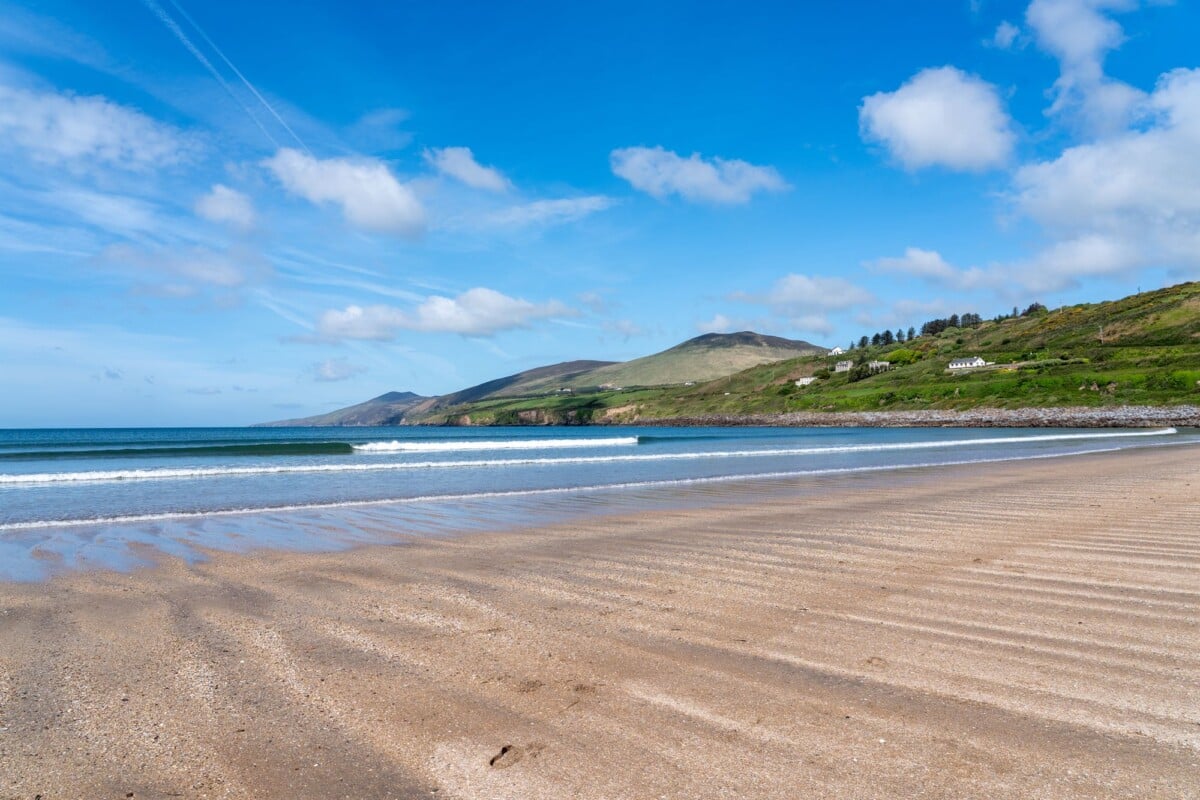
For a beach day in Ireland, pack a waterproof jacket, a warm layer, sun protection, water, snacks and a towel or beach mat. Add shoes suited to your walk, a charged phone and separate bags for rubbish and damp belongings. If you’re planning to swim, bring dry clothes and prepare for the water as well as the weather.
A short stroll and an afternoon picnic need different amounts of gear. This Ireland beach packing list covers both the Republic of Ireland and Northern Ireland, with optional extras for families, dogs and sea swimmers. Start with a manageable day bag, then add what your plans call for.
Ireland Beach Packing Checklist
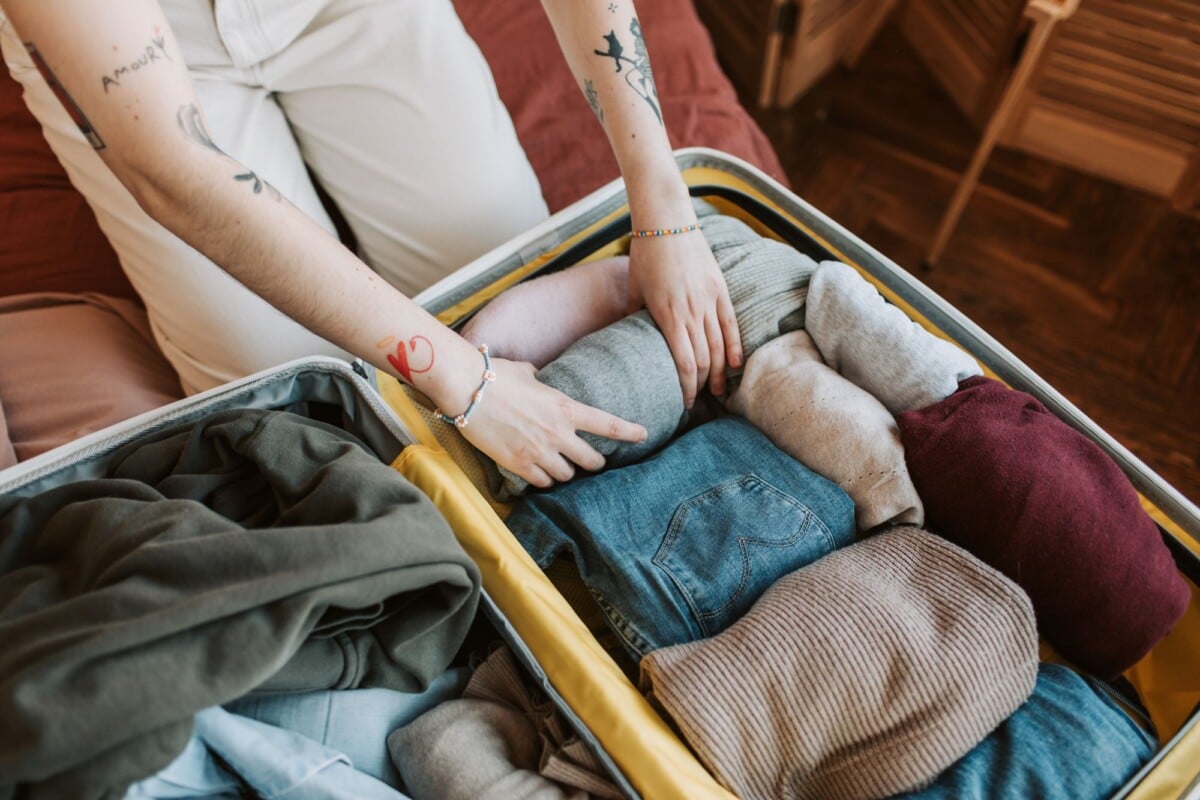
- A waterproof jacket with a hood: keep it near the top of your bag so you can reach it quickly.
- A jumper or fleece: bring an extra layer for sitting outdoors or staying later in the day.
- Comfortable walking shoes: choose them for the route from the car park and any walk you plan to take.
- Sun protection: pack sunscreen, a hat, UV-protective sunglasses and clothing that covers your skin.
- Drinking water and snacks: bring enough for your group and the length of your visit.
- A towel, beach mat or picnic blanket: choose a compact sitting layer if you’ll be carrying everything far.
- A charged phone: save the beach location and return route before leaving, and add a power bank for a longer outing.
- A bag for wet or sandy items: keep damp clothing and shoes away from your food and clean layers.
- A rubbish bag: take your wrappers, leftovers and other litter home.
- Personal essentials: include any medication you need during the visit, tissues and a few plasters.
Add spare clothing for children, or swimwear and a drying towel if a swim is part of the plan. Keep your jacket, water and sunscreen easy to reach. They shouldn’t require unpacking the whole picnic.
What to Wear on an Irish Beach
Build your outfit around a comfortable base layer, a jumper or fleece, and a waterproof outer layer. You can adjust that combination as the conditions change or as you switch from walking to sitting.
For a colder visit, add a warm hat, gloves and spare socks. Choose the thickness of your layers using the forecast for the actual beach, rather than the weather outside your accommodation. Even if the car is nearby, take your jacket and warm layer with you when you head away from it.
Choose Shoes for the Approach and the Walk
Trainers may be enough for a straightforward walk on firm ground. Walking shoes or boots are a more practical choice if the approach is muddy, uneven or part of a longer route. Sandals can be useful for changing out of sandy shoes afterwards.
If you’re heading beyond the main beach, check the route and tide times before setting off. Turn back if the tide could cut off your return, and follow local signs around rocks, cliffs and restricted areas.
Pack Sun Protection, Even for a Cool Day
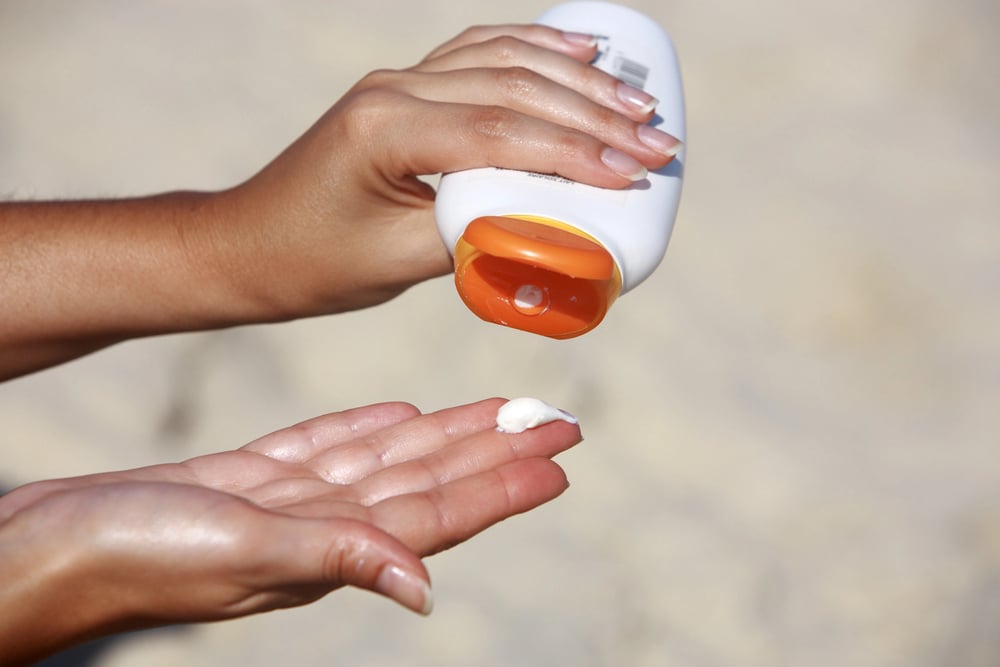
A cloudy sky or cool breeze doesn’t tell you how strong the UV is. The Met Éireann UV Index shows forecast maximum UV levels for Ireland. Protect your skin and eyes when the index is 3 or above.
The HSE recommends broad-spectrum sunscreen with SPF 30 or higher for adults and SPF 50 or higher for children, with UVA protection and water resistance. Pack a wide-brimmed hat, UV-protective sunglasses and covering clothing too, and use shade when the sun is strongest.
Northern Ireland’s Public Health Agency advises applying sunscreen generously 30 minutes before going outdoors and reapplying every two hours, or more frequently after swimming, sweating or towelling. Keep the bottle in your day bag so you can reapply during the visit.
For young children, plan your shade before you settle in for a long stay. The HSE’s advice for families includes keeping babies and children out of direct sunlight.
Which Extras Are Worth Carrying?
| Your plan | Useful additions | Keep the bag manageable |
|---|---|---|
| A short beach walk | A small snack, a compact towel and spare socks if you expect to get sandy or wet | Leave chairs and a full picnic setup behind. |
| A longer picnic | Lunch, extra drinks, a picnic blanket and a cool bag for food that needs chilling | Share the load and avoid carrying both a blanket and several sitting mats unless you’ll use them. |
| Family time on the sand | Spare clothes, extra snacks, shade and a bucket and spade | A few favourite toys are easier to carry home than a whole collection. |
| A stop close to the car | Folding chairs if they make sitting more comfortable | Check the distance from parking before unloading bulky gear. |
| A colder-weather visit | A warm hat, gloves, extra dry layers and a flask | Keep warm clothing with you rather than leaving it in the boot. |
For a road trip, keep the beach essentials together in one day bag. You can leave the larger picnic kit in the boot until you know how far you’ll need to carry it. Our road trip packing list covers the wider car kit.
Beach Extras for Children and Dogs
For children, pack a full change of everyday clothing, including socks, and keep it separate from anything wet. Add snacks, drinking water and a small selection of sand toys. A drying towel is worth having if splashing at the water’s edge is likely.
If you’re bringing a dog, take a lead, fresh water, a bowl, waste bags and a towel. Check the beach’s local dog restrictions before travelling, including any seasonal rules. Our family and dog beach packing list has more ideas for longer stays.
What to Add if You’re Planning a Sea Swim
Pack swimwear, a separate drying towel, dry clothing and a warm drink for afterwards. The RNLI’s open-water swimming guidance also recommends a wetsuit, a brightly coloured swim cap, a tow float and a means of calling for help, such as a phone in a waterproof pouch and a whistle.
Plan to swim with someone else. Choose a lifeguarded beach and check when cover operates. At a lifeguarded beach, swim between the red-and-yellow flags and follow the lifeguards’ instructions. If a red flag is flying, stay out of the water. The RNLI’s beach-safety advice explains the flags and other coastal risks.
Cold water needs preparation even when the air feels warm. Follow the RNLI advice to enter slowly, and change the plan if conditions are unsuitable.
Check These Before You Leave
- Weather and tides: check the local forecast and tide times, particularly for a longer beach walk or swim. Use Met Éireann for the Republic and the Met Office’s inshore forecast for relevant Northern Ireland coastal conditions.
- Facilities and access: check the walk from parking, toilets and any facilities you plan to use. Pack food and water if you haven’t confirmed that they’re available.
- Swimming notices: check EPA Beaches.ie for monitored beaches in the Republic, or Northern Ireland’s bathing-water information. Read local signs when you arrive and follow any advice against bathing.
- Lifeguard cover: confirm the beach’s operating dates and hours. Water-quality monitoring and lifeguard services are seasonal; check the dates of published information.
An annual water-quality rating doesn’t establish conditions on the day of your visit. Look for recent results and notices, especially outside the bathing season.
For a coastal emergency, call 112 in the Republic of Ireland or 999 in Northern Ireland and ask for the Coastguard.
Pack for the outing you intend to take. A walk needs comfortable shoes and accessible layers; an afternoon on the sand needs somewhere to sit and enough food and water. Add the extras you’ll use, then make sure someone can comfortably carry the bag back.